



LPR Protects Officers and the Public
Since our country's founding, personal freedoms have been in constant battle with the protection of the greater good. That battle continues today in Los Angeles as some privacy rights groups attempt to limit the tools that law enforcement uses every day to keep the public safe.

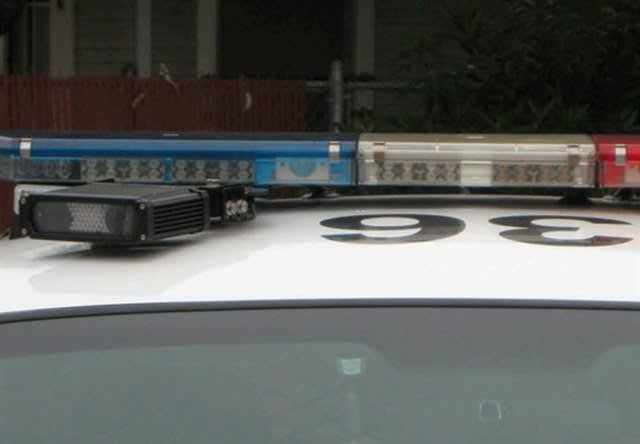
Photo courtesy of Vigilant Solutions.
Since our country's founding, personal freedoms have been in constant battle with the protection of the greater good. That battle continues today in Los Angeles as some privacy rights groups attempt to limit the tools that law enforcement uses every day to keep the public safe.
These groups target technology such as license plate recognition (LPR) consisting of cameras and computer databases that enable police officers to efficiently scan license plates as they drive. Much of this fear is fueled by a lack of understanding the technology itself. LPR technology does nothing more than what officers have been doing manually since the creation of the license plate: writing down license plate numbers, or radioing license plates in for checks against criminal databases. LPR simply makes the process more efficient, allowing the officer to look at all license plates equally and better focus on his or her surroundings.
LPR has proven effective in helping with literally thousands of cases nationwide. A recent example of the value of LPR technology occurred when LAPD officers used LPR data to locate a suspect in a violent rape and sodomy case. They used historical sightings of the vehicle from commercially available LPR data and identified a probable location for the suspect—an apartment complex in Las Vegas. U.S. Marshals were notified, at which point they located the suspect and took him into custody. "Had it not been for this data, collected and shared by Vigilant, who knows how long it would have been before the suspect was captured and how many more victims would have been hurt," Detective Patricia Batts said.
Legislative efforts seek to limit both the use and retention of collected LPR data, which would significantly hinder law enforcement's ability to conduct investigations into major crimes—putting the public and officers at greater risk.
Currently in California, each jurisdiction sets its own data retention policy. Due to affordable digital storage space, the LAPD holds data for five years, while the Long Beach (Calif.) Police Department and the Los Angeles County Sheriff's Department retain it for two.
LPR is not an invasion of privacy, but rather a tool for law enforcement to better accomplish its mission to protect and serve. The onus is on law enforcement agencies and governing bodies to ensure that they have proper policies in place for disciplined and responsible use, with appropriate punishments for anyone operating outside of policy.
This battle between the personal freedoms and public good will never be resolved, but law enforcement agencies must have the freedom to use tools that can aid their efforts to keep their communities safe. The solution is not through the legislation or restriction of access to important tools like LPR; the solution is to ensure that the public is well informed of the benefits of these tools, and to create an environment of managed and disciplined use.
Editor's Note: This blog post first appeared on the Los Angeles Police Protective League's website.
More Blog Posts
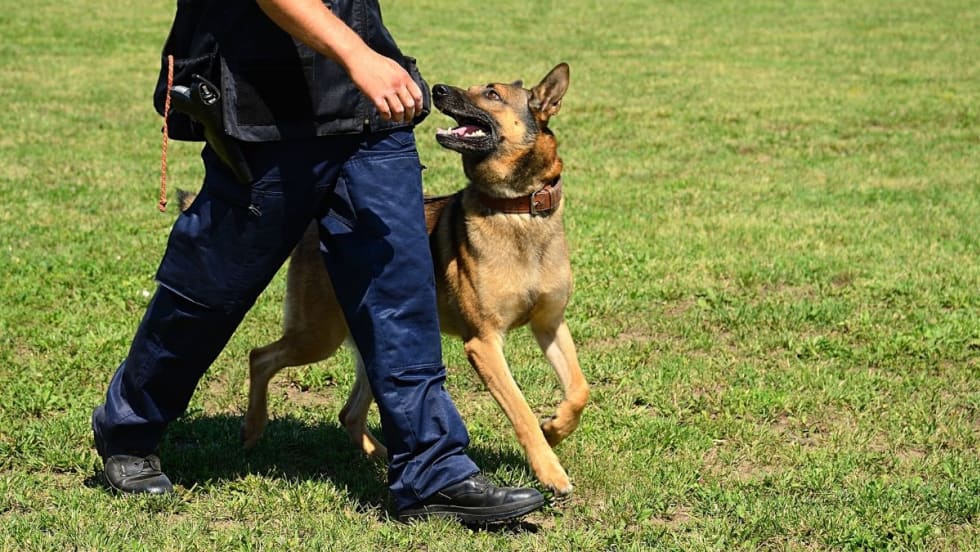
Preventing Heat Injury in Police K-9s
In the relentless heat of summer and even early fall in some parts of the country, officers face the important task of protecting their K-9 partners while working in sweltering temperatures. Recognizing changes in a dog’s behavior is the key.
Read More →
Why Your Agency Needs to Attend the ILEETA Conference
ILEETA is a complete resource for trainers to address trainers' needs. Its mission is to enhance the skills and safety of criminal justice practitioners while fostering stronger and safer communities.
Read More →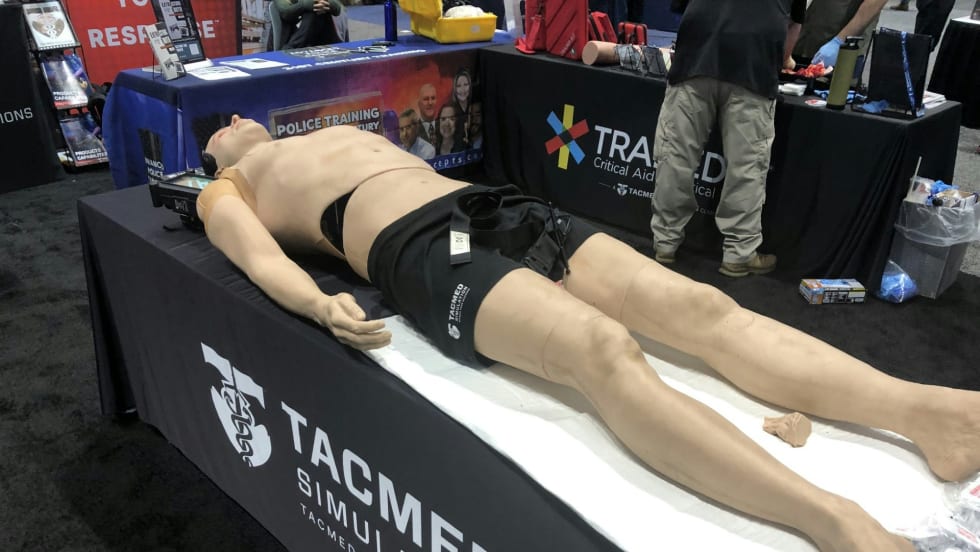
IACP 2023: New Training Products
Technologies for improving law enforcement training and training management were some of the highlights at this year's show.
Read More →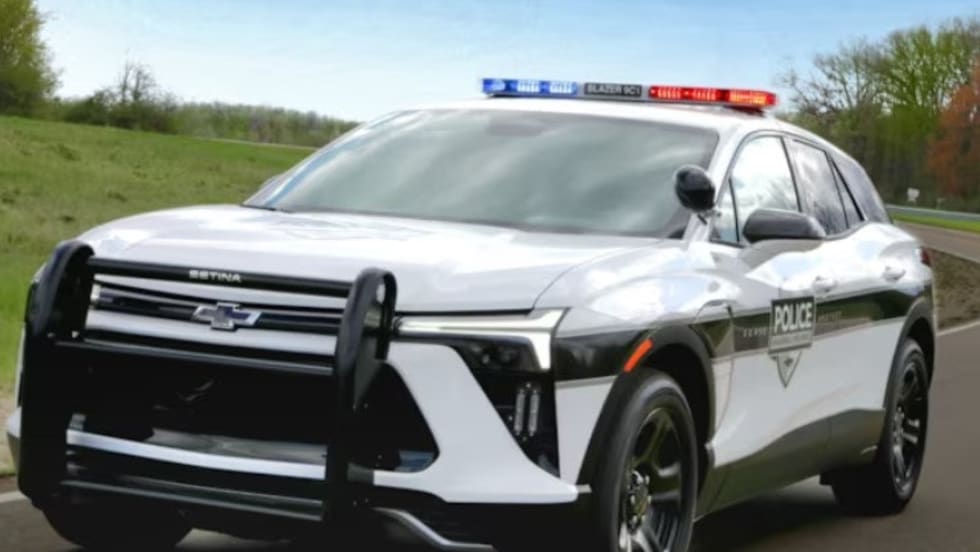
Initial Results Released from MSP 2024 Police Vehicle Testing
The 2024 pursuit-rated vehicles--all pickup trucks or SUVs, including two battery electric models the Chevrolet Blazer EV AWD and Ford Mustang Mach-E--were put through their paces.
Read More →
Officer Safety Considerations Related to Alternative-Fuel Vehicles
As more alternative-fuel and hybrid vehicles hit the road, police and other first responders need to understand that they are no more dangerous than conventional vehicles. However, there are certain safety considerations every cop should know.
Read More →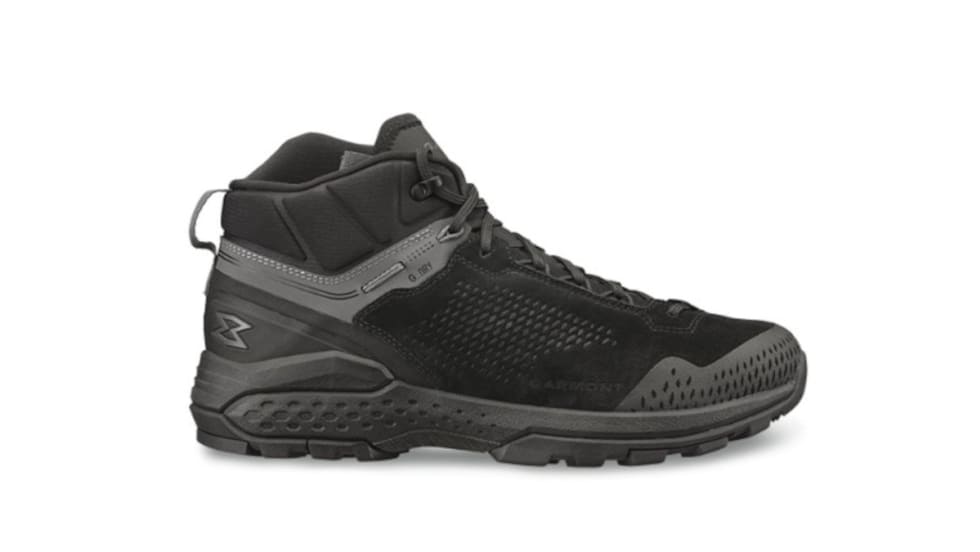
Garmont Working to Grow LE Market Presence
Garmont Tactical has found wide acceptance by military boot buyers, but now the company is trying to better respond to the needs of police officers. Many cops now are not fans of 8-inch boots, so Garmont is adapting.
Read More →
Publisher’s Note: Our Commitment to You
Through our magazine and website and our Police Technology eXchange event, we promise to provide you with information and access to resources to help you do your job safer and better.
Read More →
10 Tips for Responding to Mental Health Crisis Calls
The Harris County Sheriff's Office is a model for other agencies that want to learn about crisis intervention and mental health crisis response. Sgt. Jose Gomez shares the story of their programs and provides 10 tips for mental health crisis call response
Read More →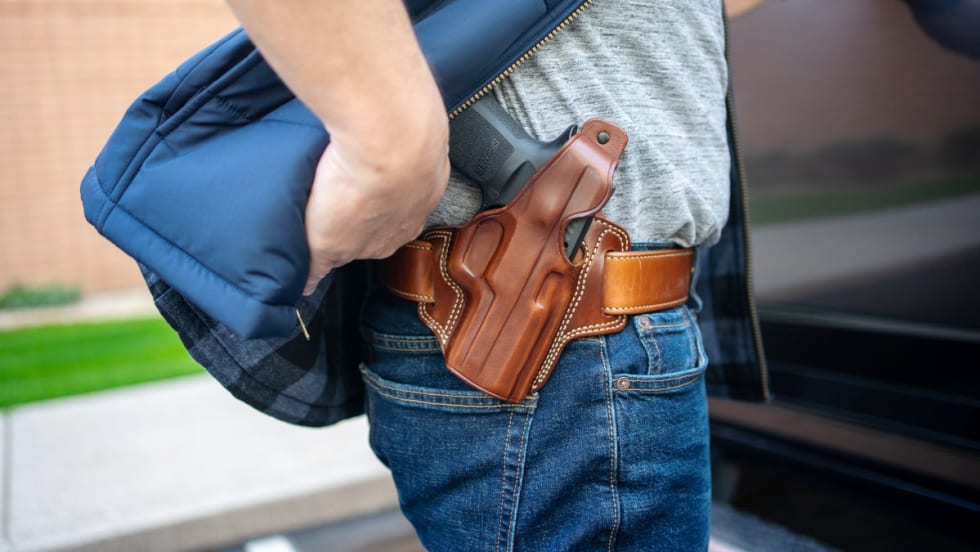
5 Things to Know When Buying Concealed-Carry or Off-Duty Holsters
Mike Barham, of Galco Holsters, shares five important considerations to keep in mind when you buy off-duty concealed or plain-clothes carry holsters.
Read More →
10 Tips for Reviewing Use-of-Force Reports
While the burden of accurately reporting use-of-force situations is on an individual deputy or officer, the person reviewing those reports shares in the responsibility of making sure the reporting is done properly, with clear details included.
Read More →