



A Tactical Team Divided from Its Patrol Counterparts Cannot Stand
Hidden within the larger story of the Mogadishu raid, there is a lesson for all tactical officers. “Blackhawk Down” involved Task Force Ranger, which was made of different branches of the U.S. military and every man in that team joined together regardless of unit or service branch to fight in a desperate life and death battle. If they hadn’t, none of them would have survived.

Both the book and movie “Blackhawk Down” tell the riveting account of the 1993 U.S. military raid mission in Mogadishu, Somalia, that went horribly wrong. Beyond the lessons the military learned, the more important story is the incredible courage and competence displayed by the participants despite overwhelming odds.
Hidden within the larger story of the Mogadishu raid, there is a lesson for all tactical officers. “Blackhawk Down” involved Task Force Ranger, which was made of different branches of the U.S. military and every man in that team joined together regardless of unit or service branch to fight in a desperate life and death battle. If they hadn’t, none of them would have survived.
In recent years, law enforcement has increasingly used multi-agency task forces, regional SWAT teams, mutual aid programs, and intra-agency cooperation against criminals who are mobile, with far-reaching tentacles. Consequently, SWAT finds itself increasingly working with non-SWAT personnel, which is contrary to our long-standing aversion to “mix and match.”
“Blackhawk Down” with its multi-branch Task Force Ranger, galvanized into a single entity working as one to win is an example that all of us should study. When the fight was on, all previous identity differences and rivalries between the Rangers, Delta Force, 10th Mountain Division, and even the Air Force evaporated.
The same thing has happened in law enforcement operations. During the North Hollywood shootout, LAPD SWAT dropped everything and raced through heavy traffic to the aid of their patrol comrades. It’s hard to forget the image of the SWAT operator who took action still wearing his gym shorts. That day, regardless of assignment, every LAPD officer on the scene fought with a single purpose to win and survive against two determined suspects with superior firepower.
Although law enforcement is not the military, when it comes to combat and shootouts, surviving and prevailing is our mission and our goal. This means SWAT, patrol, detectives, and other officers find themselves in the same boat.
Therefore, it is in everyone’s mutual best interest to forge a working relationship of trust with other law enforcement entities, both inside and beyond their own agencies. Trust is the product of treating others with dignity and respect, and it is developed by working, training, and fighting together. The time to accomplish this is before, not during or after, critical incidents.
SWAT-patrol cooperation has become SOP since Columbine. Prior to Columbine, standard active shooter response was that patrol officers would contain and wait for SWAT. Today, the standard active shooter response is rapid intervention by patrol, instead of waiting for SWAT. Interestingly, it was the NTOA that led the way for rapid intervention by first responders. And in a display of true partnership, many SWAT teams now train first responders in rapid intervention tactics.
Take a long, hard look at your own agency, especially the relationship between SWAT and patrol. It should be them and us, not them against us.
SWAT is fortunate to be better trained and equipped than other personnel. Consequently, we have an obligation to help the others by sharing our tactical knowledge whenever possible.
The mission comes first and, when the fight is on, we’re all in it together. There is no room for inter- or intra-agency jealousy. In Mogadishu, I was struck by how Delta and Rangers fought together, a sign of their understanding of the mission, and their mutual respect for each other. During the North Hollywood Shootout, SWAT and patrol fought as one, regardless of assignment or identity. Rumor has it that after North Hollywood, at cop bars, LAPD couldn’t buy a beer because other cops bought it for them. That’s a sign of mutual respect, and it’s the way it should be.
We’re all in this fight together, not as opponents but as allies. SWAT will lead the way because this is what your agency’s troops expect of SWAT. But never think of the other cops in your agency as them. They are us.
More Blog Posts
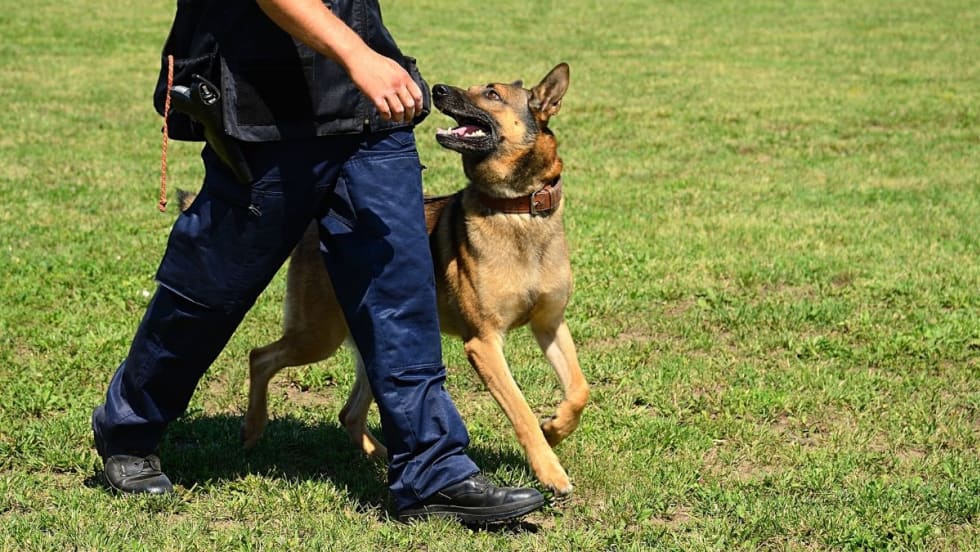
Preventing Heat Injury in Police K-9s
In the relentless heat of summer and even early fall in some parts of the country, officers face the important task of protecting their K-9 partners while working in sweltering temperatures. Recognizing changes in a dog’s behavior is the key.
Read More →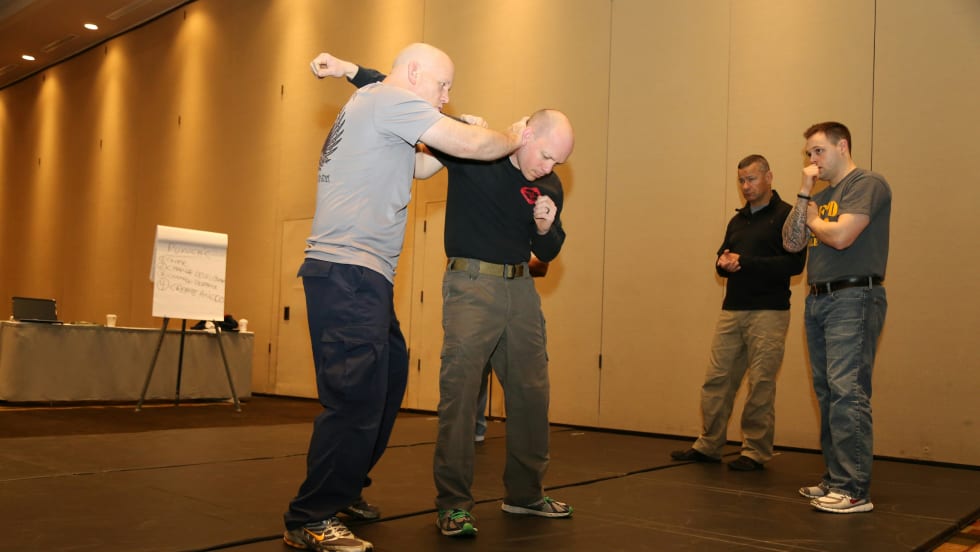
Why Your Agency Needs to Attend the ILEETA Conference
ILEETA is a complete resource for trainers to address trainers' needs. Its mission is to enhance the skills and safety of criminal justice practitioners while fostering stronger and safer communities.
Read More →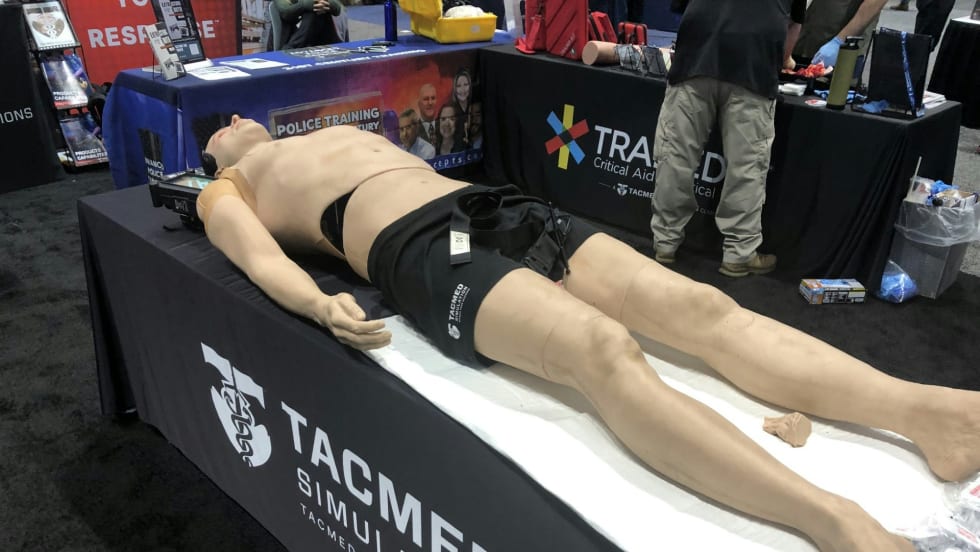
IACP 2023: New Training Products
Technologies for improving law enforcement training and training management were some of the highlights at this year's show.
Read More →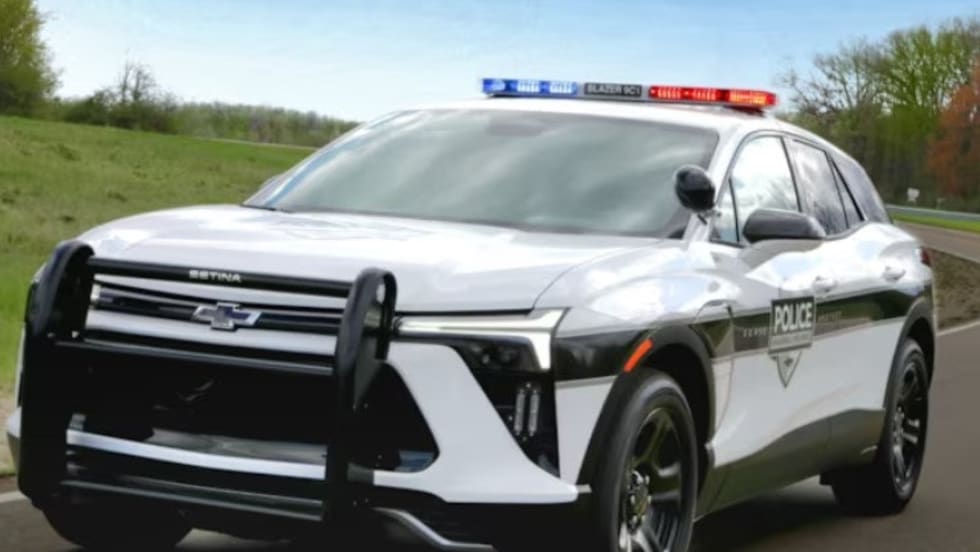
Initial Results Released from MSP 2024 Police Vehicle Testing
The 2024 pursuit-rated vehicles--all pickup trucks or SUVs, including two battery electric models the Chevrolet Blazer EV AWD and Ford Mustang Mach-E--were put through their paces.
Read More →
Officer Safety Considerations Related to Alternative-Fuel Vehicles
As more alternative-fuel and hybrid vehicles hit the road, police and other first responders need to understand that they are no more dangerous than conventional vehicles. However, there are certain safety considerations every cop should know.
Read More →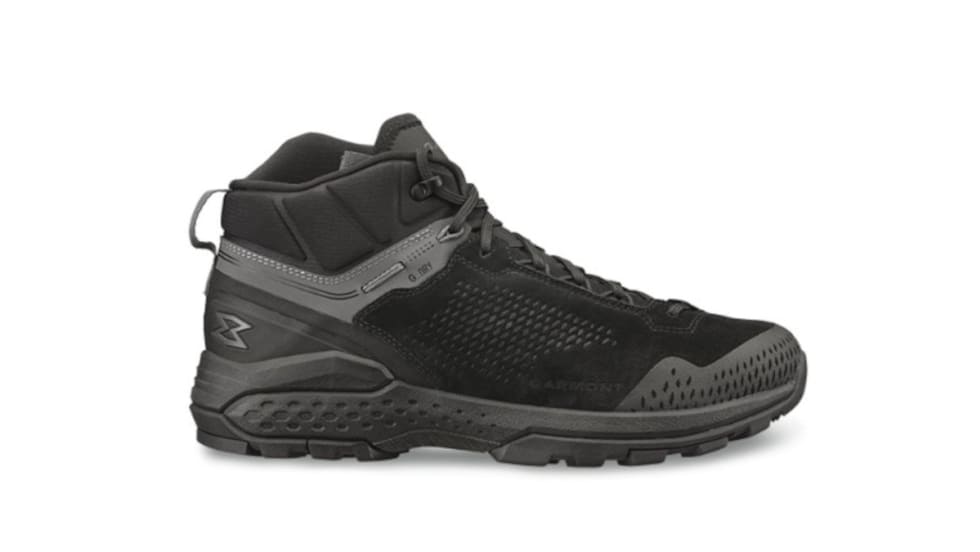
Garmont Working to Grow LE Market Presence
Garmont Tactical has found wide acceptance by military boot buyers, but now the company is trying to better respond to the needs of police officers. Many cops now are not fans of 8-inch boots, so Garmont is adapting.
Read More →
Publisher’s Note: Our Commitment to You
Through our magazine and website and our Police Technology eXchange event, we promise to provide you with information and access to resources to help you do your job safer and better.
Read More →
10 Tips for Responding to Mental Health Crisis Calls
The Harris County Sheriff's Office is a model for other agencies that want to learn about crisis intervention and mental health crisis response. Sgt. Jose Gomez shares the story of their programs and provides 10 tips for mental health crisis call response
Read More →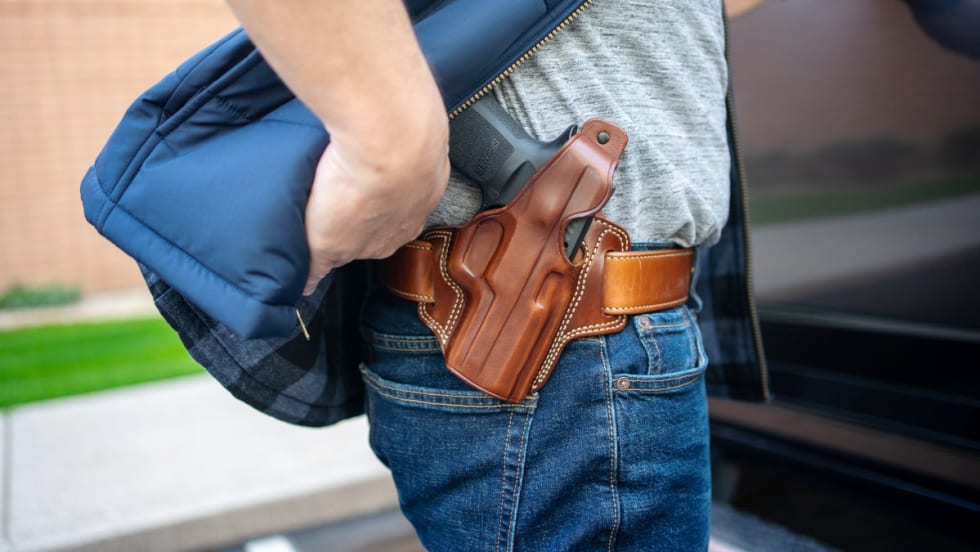
5 Things to Know When Buying Concealed-Carry or Off-Duty Holsters
Mike Barham, of Galco Holsters, shares five important considerations to keep in mind when you buy off-duty concealed or plain-clothes carry holsters.
Read More →
10 Tips for Reviewing Use-of-Force Reports
While the burden of accurately reporting use-of-force situations is on an individual deputy or officer, the person reviewing those reports shares in the responsibility of making sure the reporting is done properly, with clear details included.
Read More →