



Taking Down One of Our Own
Why did the Santa Maria (Calif.) PD attempt to arrest one of its officers on a public street? Was there some other precipitating factor at work? Because absent such explanations, I fail to see the need for the PD to take the officer down then and there at a DUI checkpoint.

Over on the Police_L discussion list, we've been discussing the shooting of Albert Covarrubias, Jr., a Santa Maria (Calif.) Police officer wanted on suspicion for having illegal sex with a 17-year-old. The 29-year-old officer was working a DUI checkpoint when fellow officers attempted to place him under arrest.
Covarrubias resisted and allegedly fired his service weapon. Another officer then shot and killed the four-year veteran.
The Santa Maria Police Department asserts that time was of the essence in effecting Covarrubias' arrest. And irrespective of the statutory terms involved in the matter—an issue of which I am tempted to opine on, but will refrain from herein—any "witness intimidation" by an armed police officer does warrant immediate action.
Still, it would appear that the situation could have turned out much worse. I also suspect it could have been handled better.
For one, what transpired played out on a public street, presumably within eyeshot of passing motorists. For another, it involved an armed officer—an officer who could well have succeeded in killing another officer prior to himself being killed.
I can't help but wonder why the Santa Maria Police Department, which apparently considered Officer Covarrubias an imminent threat to the community—and whose subsequent actions apparently validated its concerns—didn't attempt to do something different from just trying to hook him up right there in the street.
I wonder why a plainclothes officer from a neighboring PD couldn't have been designated as a "DUI" suspect and the suspected officer tasked with transporting him to jail? Assuming that Santa Maria PD otherwise adheres to good officer safety practices, Officer Covarrubias would have secured his firearm prior to entering the station's lockup. In this manner, the situation would have been moved off a public street; the threat isolated and contained; and the officer disarmed without anyone having tilted their hand.
Had the tilting of one's hand factored into the PD's decision-making process? Had the intimidated witness or someone else tipped Covarrubias off that he was being investigated? Was there some other precipitating factor at work? Because absent such explanations, I fail to see the need for the PD to take the officer down then and there at a DUI checkpoint. Was this a suicide by cop? If so, then why not share that information?
I spoke with a Lt. Come' with the Santa Maria PD, articulated my concerns, and invited him to disabuse me of my intuitions. I asked him to tell me if anything that I had in the various news accounts of where and how the incident had taken place was incorrect. Lt. Come' declined to comment other than to say that the particulars were not going to be discussed at this time, not even in the context of viable alternatives.
And that is his prerogative. But I have always advocated the need to talk sound officer safety practices before all the facts are necessarily in place. Playing "what if..." is a legitimate alternative to Monday morning quarterbacking. It doesn't unduly stigmatize the actions of personnel involved in a particular situation and may well anticipate a similar situation that might play out elsewhere before the day is done.
Time may have been of the essence in Santa Maria. But "essence" does not necessarily translate to "emergent," and the need to act does not supercede sound tactics and strategies normally expected of our profession. Indeed, it fosters their need.
The PD may well have been obligated to shoot Officer Albert Covarrubias. If the actions ascribed him during the seconds immediately preceding the shooting are accurate, officers did what they had to do.
I just wonder if it had to get to that point.
More Blog Posts
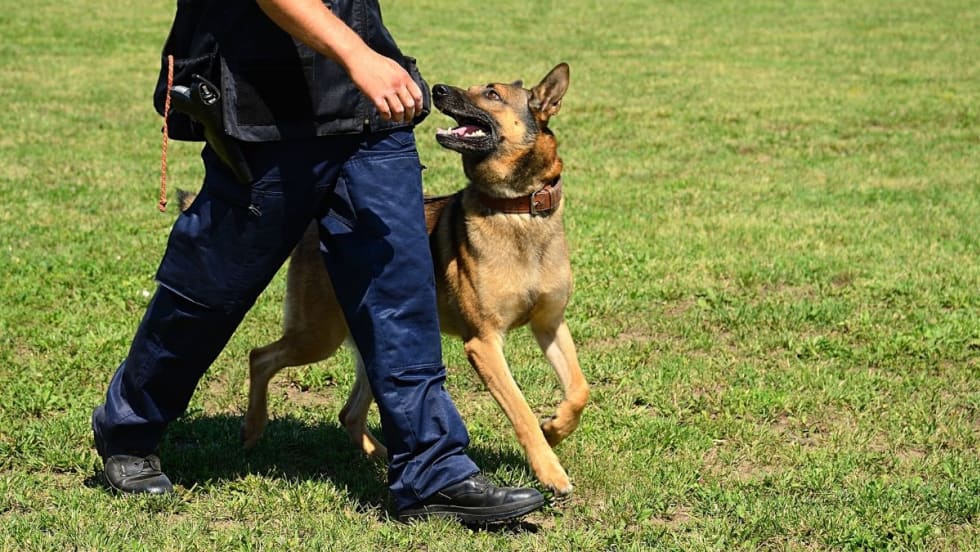
Preventing Heat Injury in Police K-9s
In the relentless heat of summer and even early fall in some parts of the country, officers face the important task of protecting their K-9 partners while working in sweltering temperatures. Recognizing changes in a dog’s behavior is the key.
Read More →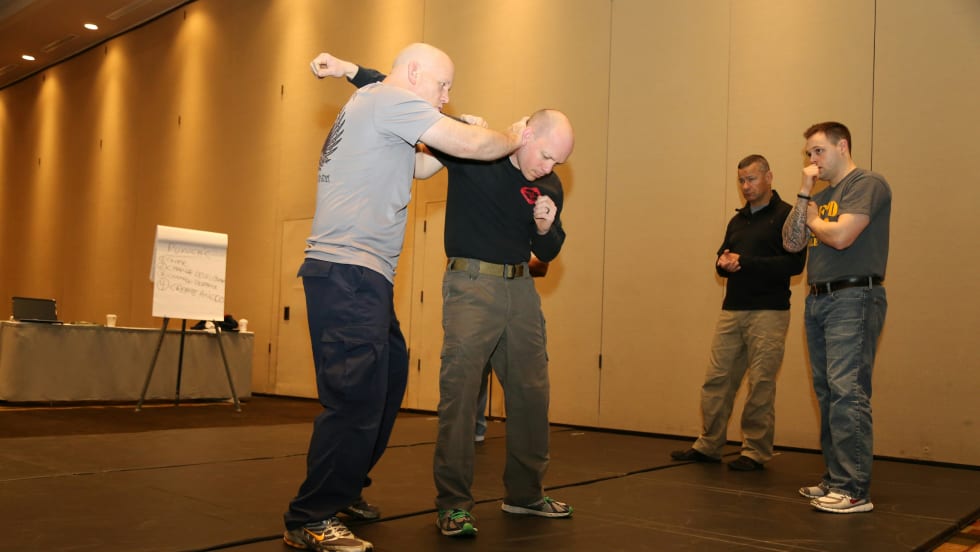
Why Your Agency Needs to Attend the ILEETA Conference
ILEETA is a complete resource for trainers to address trainers' needs. Its mission is to enhance the skills and safety of criminal justice practitioners while fostering stronger and safer communities.
Read More →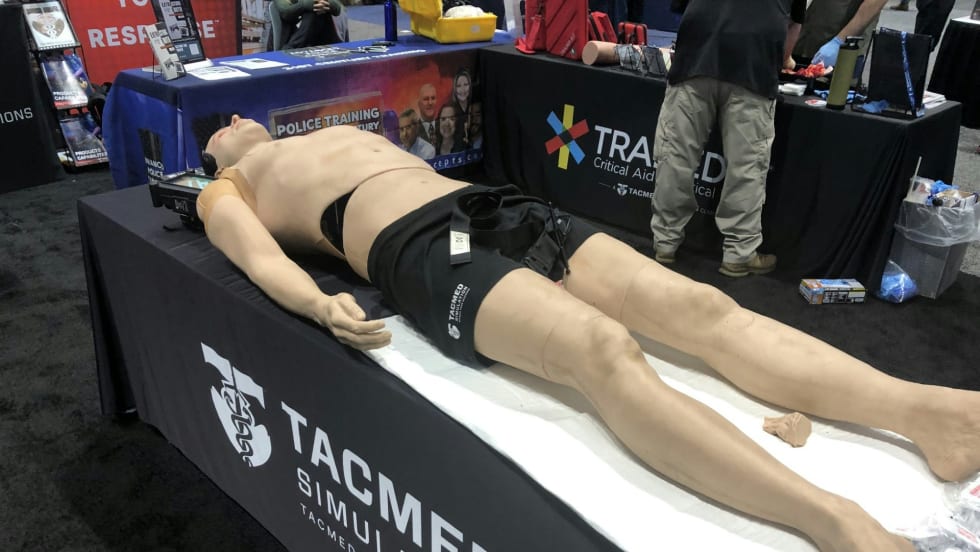
IACP 2023: New Training Products
Technologies for improving law enforcement training and training management were some of the highlights at this year's show.
Read More →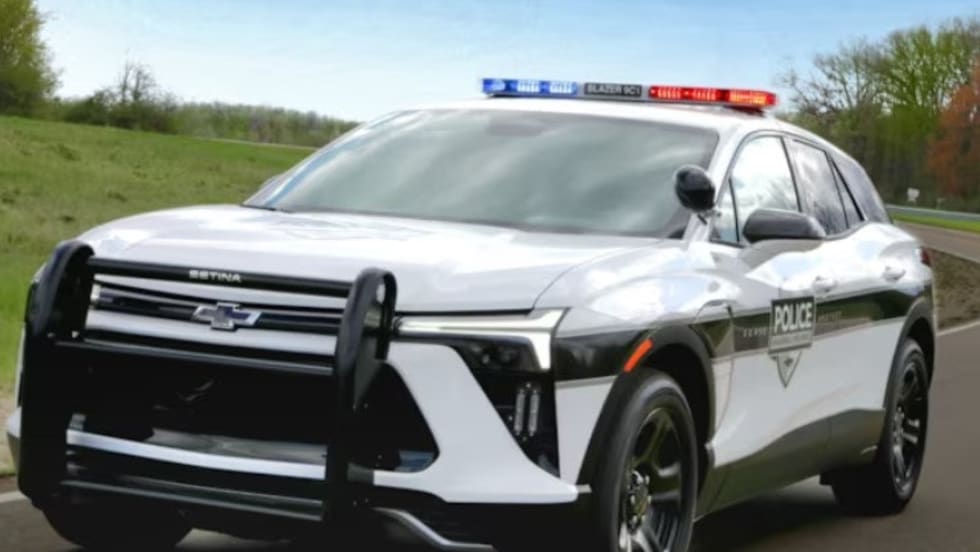
Initial Results Released from MSP 2024 Police Vehicle Testing
The 2024 pursuit-rated vehicles--all pickup trucks or SUVs, including two battery electric models the Chevrolet Blazer EV AWD and Ford Mustang Mach-E--were put through their paces.
Read More →
Officer Safety Considerations Related to Alternative-Fuel Vehicles
As more alternative-fuel and hybrid vehicles hit the road, police and other first responders need to understand that they are no more dangerous than conventional vehicles. However, there are certain safety considerations every cop should know.
Read More →
Garmont Working to Grow LE Market Presence
Garmont Tactical has found wide acceptance by military boot buyers, but now the company is trying to better respond to the needs of police officers. Many cops now are not fans of 8-inch boots, so Garmont is adapting.
Read More →
Publisher’s Note: Our Commitment to You
Through our magazine and website and our Police Technology eXchange event, we promise to provide you with information and access to resources to help you do your job safer and better.
Read More →
10 Tips for Responding to Mental Health Crisis Calls
The Harris County Sheriff's Office is a model for other agencies that want to learn about crisis intervention and mental health crisis response. Sgt. Jose Gomez shares the story of their programs and provides 10 tips for mental health crisis call response
Read More →
5 Things to Know When Buying Concealed-Carry or Off-Duty Holsters
Mike Barham, of Galco Holsters, shares five important considerations to keep in mind when you buy off-duty concealed or plain-clothes carry holsters.
Read More →
10 Tips for Reviewing Use-of-Force Reports
While the burden of accurately reporting use-of-force situations is on an individual deputy or officer, the person reviewing those reports shares in the responsibility of making sure the reporting is done properly, with clear details included.
Read More →