Blog - Inside the Badge
Inside the Badge is a collection of blogs offering unique insights and perspectives from the Law Enforcement Community


 MENU
MENU SEARCH
Inside the Badge is a collection of blogs offering unique insights and perspectives from the Law Enforcement Community
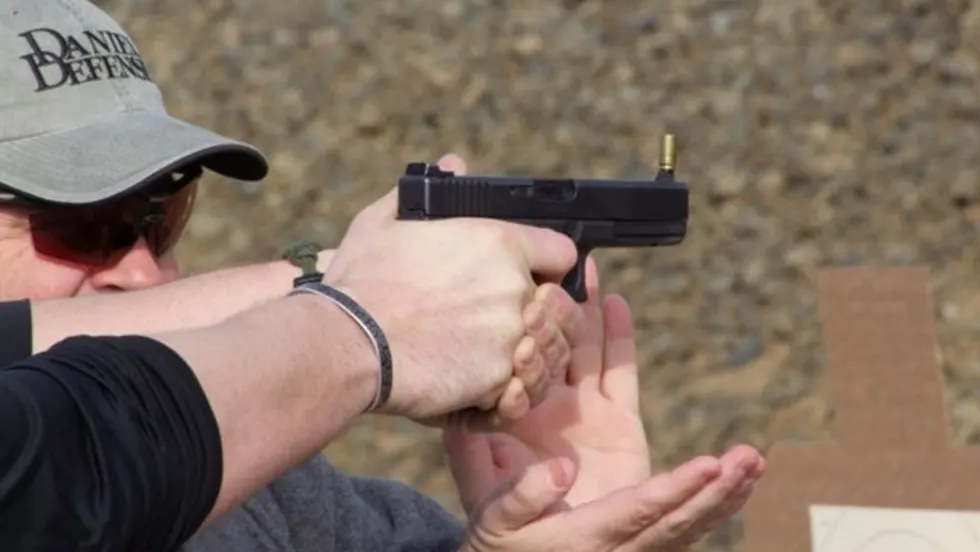
The key to be high speed, low drag is to master the basics. Fundamental courses are the bread and butter for any training operation; you'll always pick up something to improve your shooting.
Read More →
Interpersonal communication is a physical skill and must be trained like any other skill. This means running drills and scenarios that are dedicated to improving an officer's ability to persuade and gain voluntary compliance.
Read More →
The Concerns of Police Survivors (C.O.P.S.) sponsors retreats where survivors work with counselors trained to focus on the issues unique to law enforcement death, and benefit from the strong peer support available from other survivors who can truly say, "I understand what you're going through."
Read More →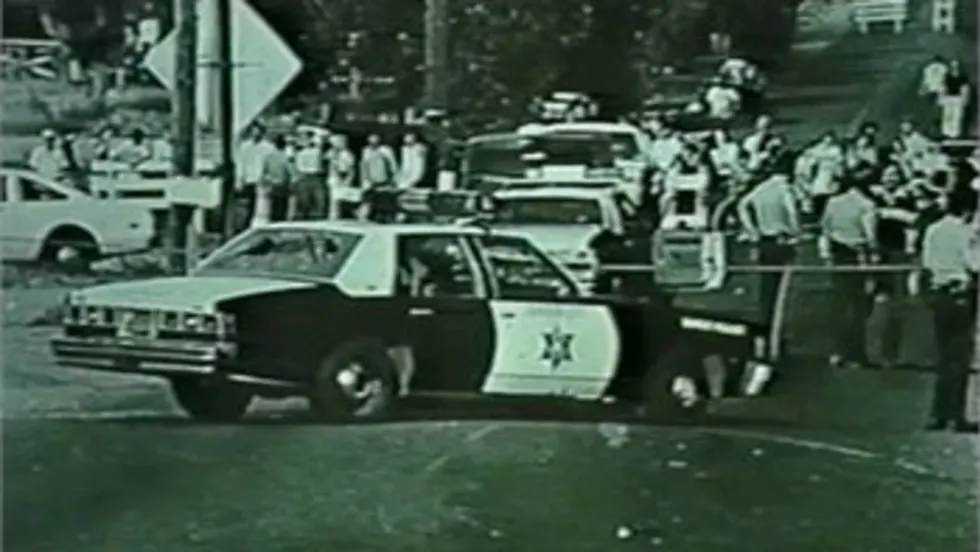
The careful study of the Norco incident reveals many outstanding training lessons about non-traditional and unusual criminal groups, multiple advisory shootings, IEDs, ambushes, response tactics to critical incidents, and officer survival.
Read More →I've always believed that the FTO should be the first one registered for training. If they are to pass on the knowledge, they have to be the sharpest. They need to be the ones leading way to embrace and implement change for the good.
Read More →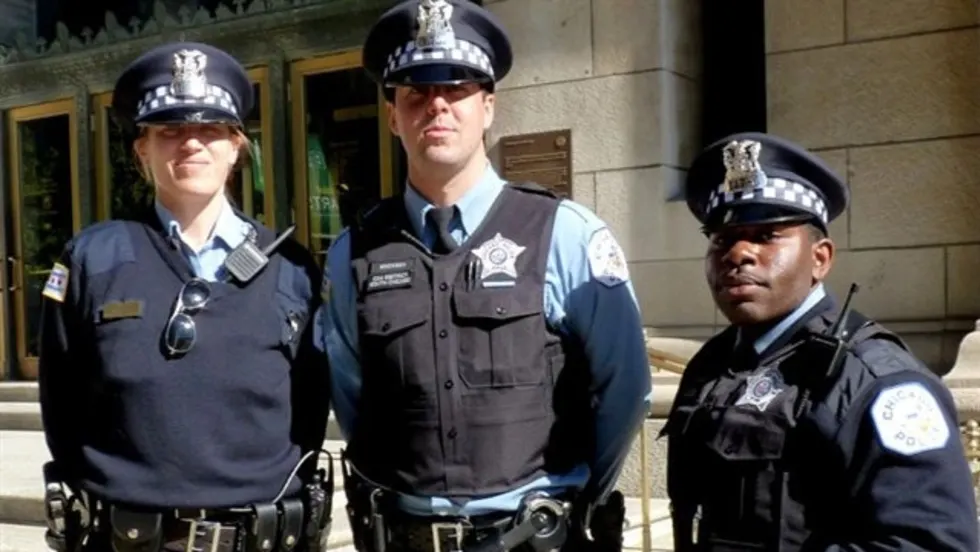
The city's new top cop is implementing a more traditional policing approach, by stressing the need for resources to be in the hands of district commanders to use as they see fit in the neighborhoods they oversee.
Read More →