



Are Muslim Radicals Crossing Our Border?
The transnational gangs, drug trafficking organizations and Muslim terrorists have taken advantage of American apathy and the lack of will in Latin America. They have formed alliances and united against U.S. interests.


A view of the U.S.-Mexico border near Nogales, Ariz., looking toward Mexico. Photo by Paul Clinton.
As far back as October of 1988, CIA operatives reported that three Lebanese and Palestinian members of "Fatah Special Operations Group" (FSOG) had been sent to Panama to establish Middle Eastern "banking and business" interests with entrepreneurs in Panama — a Manuel Noriega-run hub for drug traffickers on the Caribbean Rim and in Central and South America.
One of these FSOG agents was Soviet-trained bomb master Husayn Al Umari, who would later run a terrorist bomb school in Iraq until the 2003 coalition invasion. The CIA was concerned with radical Islamist groups and their operations in the Caribbean Rim 20 years ago, and those same reasons should be of great concern to our national interests now in Latin America.
However, the U.S. can claim little success in intelligence operations in Latin America. We've been asleep at the wheel. "The CIA has failed, grotesquely so, to inventory Muslim radicals in South America for lack of both will and capacity," says Latin American Specialist Robert David Steele.
The U.S. has for years had a policy of tolerance and appeasement toward Latin America countries, perhaps because of past diplomatic errors, but it has turned a blind eye rather than offend our good neighbors to the south.
"Nobody I know is monitoring, or trying to monitor, the issue," says Max Manwaring, chair of the General Douglas MacArthur Military Strategy Department at U.S. Army War College.
The transnational gangs, drug trafficking organizations and Muslim terrorists have taken advantage of American apathy and the lack of will in Latin America. They have formed alliances and united against U.S. interests. One could say that they were following the wisdom of the ancient Middle Eastern saying, "The enemy of my enemy is my friend."
After the 9/11 terrorist attacks, the U.S. Defense Department outsourced a request for a report on Latin America to a Latin American security consulting company. The managing director of this company was an ex-CIA counter-narco analyst and maritime security expert. The resulting 100-page report was "Operation Cazando Anguilas" (Operation Hunting Eels).
"Operation Cazando Anguilas" documented this unholy trinity — the alliance between Mexico's narco cartels, Muslim "business men" for the purpose of money laundering, and Latino gangs as street enforcers. The Muslim businessmen also foment Islamic fundamentalism in the region, and the gangs collaborated to smuggle "persons of interest of Islamic origin" (PIIO's) from Hamas, Hezbollah and Al Qaeda into the U.S.
U.S. Rep. Solomon Ortiz (D-Texas), a member of the Congressional Homeland Security Committee, was once quoted by a Texas newspaper as saying, "We have been in contact with El Salvadorian officials, and they have verified that Al-Qaeda has been active in these gangs."
Ortiz was referring to "Maras" (criminal gangs) or "Mareros" (criminal gang members) mostly from the U.S.-born transnational gangs MS-13 and 18th Street.
You may ask, what's the nexus between the Maras in El Salvador and Middle Eastern terrorists?
Mara Salvatrucha was formed in Los Angeles in the mid 1980s by Salvadorian immigrants fleeing from a civil war that claimed more than 100,000 deaths, and paramilitary right wing death squads. During the civil war, many received guerrilla training by revolutionary Communist provocateurs from Nicaragua, Cuba and the Soviet Union.
Another contributor to the revolutionary cause was the Palestinian Liberation Organization (PLO). A radical Salvadorian of Palestinian decent, Schafik Handal, invited the PLO to El Salvador. Later, the communist guerrilla and member of the revolutionary group Farabundo Marti Liberacion National (FMLN) would run for president of El Salvador. Fortunately, Schfik Handal is no longer with us, but the Middle Eastern influences in Latin America linger.
In 1992, the FLMN signed a truce in Mexico City and is now considered a legitimate political party in El Salvador. The current president, Mauricio Funes, is from the FLMN party, and so are most of his cabinet and advisors. The minister of public safety and security, Manuel Melgar, was an FLMN guerrilla commander during the civil war and used the alias of Rogelio Martinez Y Guazapa. According to an FBI investigation, Melgar was identified as the intellectual author behind 1985 Zona Rosa attacks in San Salvador's San Benito restaurant district. Four U.S. Marines were murdered.
In downtown San Salvador, there is even a revered statue of PLO leader Yasser Arafat. Hezbollah, Hamas and the Palestinian Islamic Jihad are all known to have a presence in Latin America. Among their supporters is Venezuelan President Hugo Chavez, who was recently photographed embracing radical Iranian President Mahmoud Ahmadinejad.
Chavez is also often called the "Angel of the FARC" (Colombia's Revolutionary Armed Front). FARC is recognized by the United Nations as a terrorist organization, it is a revolutionary communist guerrilla movement financially supported by Columbia's drug cartels.
El Salvador and the San Miguel area is the hub for drugs coming from Columbia and Panama. The route then follows the Pan-American Highway northward. Salvadorian "Mareros" (gang members) provide security for the drugs through Central America. In Guatemala, the former and now outlaw Guatemalan Army Special Forces, Kaibil, and the Mexican Army Special Forces, Zeta, escort the drugs into the U.S.
On June 1, Guatemalan authorities arrested members of Mexico's infamous Zetas. These Mexican Special Forces soldiers who defected from the Army and acted as assassins for the Gulf Cartel had recently become their own drug cartel. The Zetas were in the company of a Salvadorian gang member who was recently deported from the U.S.
According to a Nov. 2 WSBTV news report, documents filed in federal court in San Antonio, Texas in May, allege that Ahmed Muhammad Dhakane smuggled hundreds of people from Brazil to Mexico and into the United States. These "other than Mexican" (OTM) illegals were from Somalia and the terrorist organization Al Shabob. Experts say the group is responsible for terrorist attacks and suicide bombings worldwide.
"To this day, we do not know where those 300 Somalis are," said Rep. Michael McCaul (R-Texas). "There are many people not only being apprehended, but slipping through the cracks on our southern flank that are very dangerous."
Transnational Mara gangs (born in the U.S.) act as security and enforcers for Mexican and Columbian drug cartels. Some of these Mareros have ethnic and political roots with Middle Eastern and radical Muslim groups. The Middle Eastern "businessmen" facilitate and profit from laundering drug cartel money and also foment Islamic fundamentalism in Latin America.
Drug trafficking organizations (DTOs) and transnational gangs assist Islamic fundamentalists to covertly enter and establish agents and operatives in the United States. This unholy trinity (gangs, cartels and terrorists) represent the greatest threat to U.S. security.
Author's Note: My special thanks to Capt. Jaime Kafati of the Denver Sheriff's Department, commander of the Court Services and Civil Division, for his assistance and intelligence report, "Mareros: A Global View of Transnational Gangs."
Related:
More Blog Posts
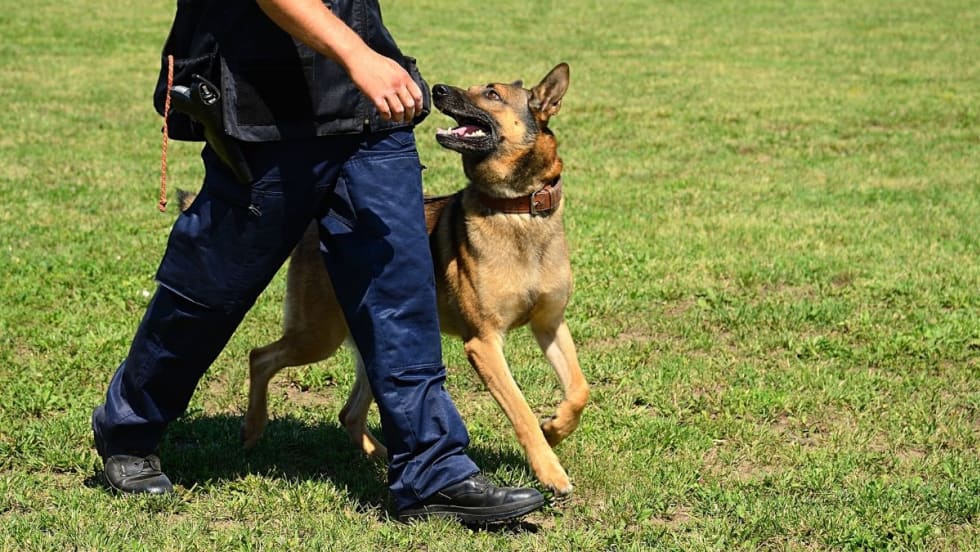
Preventing Heat Injury in Police K-9s
In the relentless heat of summer and even early fall in some parts of the country, officers face the important task of protecting their K-9 partners while working in sweltering temperatures. Recognizing changes in a dog’s behavior is the key.
Read More →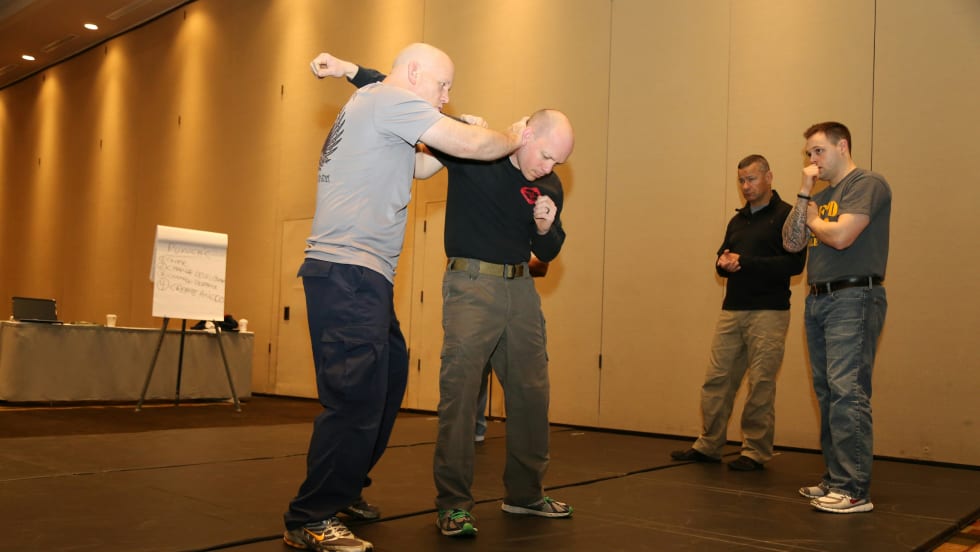
Why Your Agency Needs to Attend the ILEETA Conference
ILEETA is a complete resource for trainers to address trainers' needs. Its mission is to enhance the skills and safety of criminal justice practitioners while fostering stronger and safer communities.
Read More →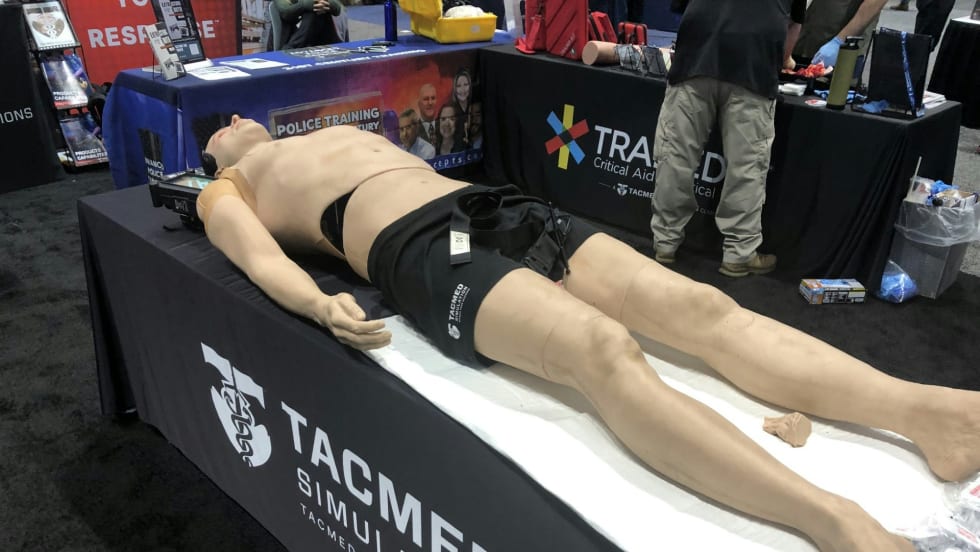
IACP 2023: New Training Products
Technologies for improving law enforcement training and training management were some of the highlights at this year's show.
Read More →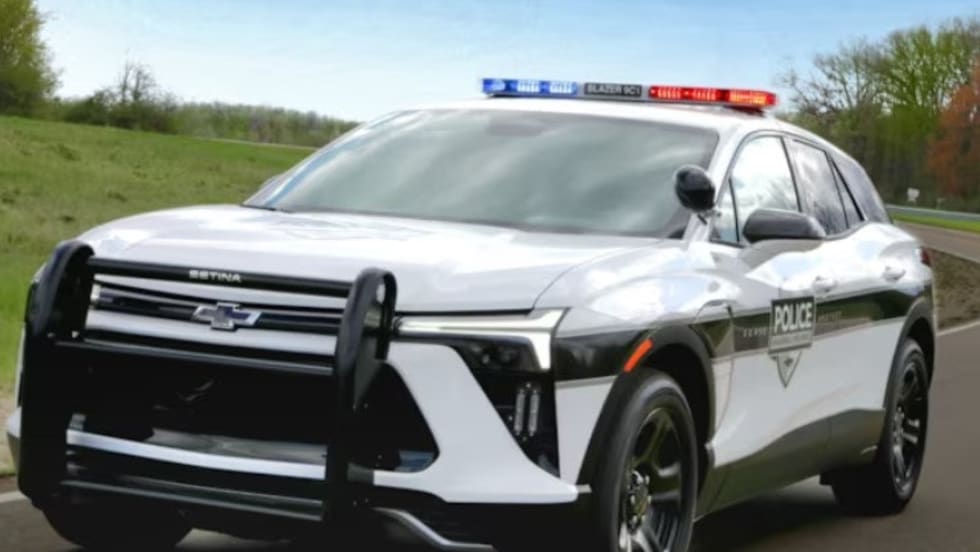
Initial Results Released from MSP 2024 Police Vehicle Testing
The 2024 pursuit-rated vehicles--all pickup trucks or SUVs, including two battery electric models the Chevrolet Blazer EV AWD and Ford Mustang Mach-E--were put through their paces.
Read More →
Officer Safety Considerations Related to Alternative-Fuel Vehicles
As more alternative-fuel and hybrid vehicles hit the road, police and other first responders need to understand that they are no more dangerous than conventional vehicles. However, there are certain safety considerations every cop should know.
Read More →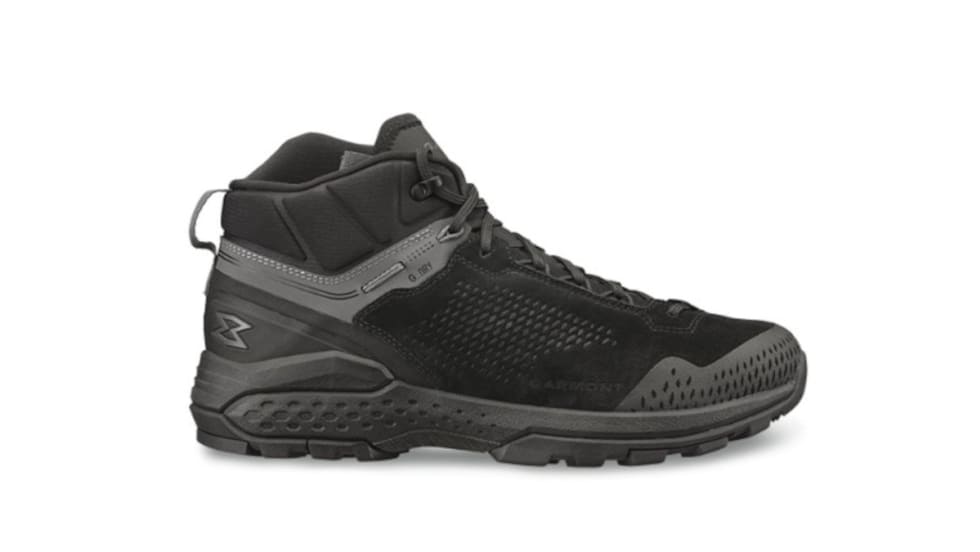
Garmont Working to Grow LE Market Presence
Garmont Tactical has found wide acceptance by military boot buyers, but now the company is trying to better respond to the needs of police officers. Many cops now are not fans of 8-inch boots, so Garmont is adapting.
Read More →
Publisher’s Note: Our Commitment to You
Through our magazine and website and our Police Technology eXchange event, we promise to provide you with information and access to resources to help you do your job safer and better.
Read More →
10 Tips for Responding to Mental Health Crisis Calls
The Harris County Sheriff's Office is a model for other agencies that want to learn about crisis intervention and mental health crisis response. Sgt. Jose Gomez shares the story of their programs and provides 10 tips for mental health crisis call response
Read More →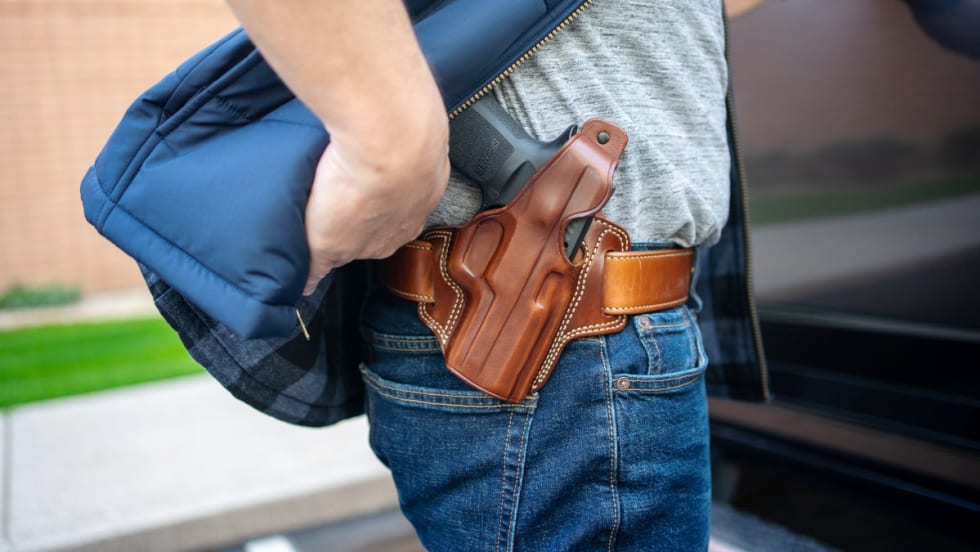
5 Things to Know When Buying Concealed-Carry or Off-Duty Holsters
Mike Barham, of Galco Holsters, shares five important considerations to keep in mind when you buy off-duty concealed or plain-clothes carry holsters.
Read More →
10 Tips for Reviewing Use-of-Force Reports
While the burden of accurately reporting use-of-force situations is on an individual deputy or officer, the person reviewing those reports shares in the responsibility of making sure the reporting is done properly, with clear details included.
Read More →