



Accepting Department-Issued Equipment
Recently a reader contacted me about a personal dilemma. He told me his department issues a certain make and caliber of pistol and he doesn't like it. He further stated he did not like the holster, in addition to a laundry list of other items he was issued. What could he do now as his agency's newest rookie?

Recently a reader contacted me about a personal dilemma. He told me his department issues a certain make and caliber of pistol and he doesn't like it. He further stated he did not like the holster, in addition to a laundry list of other items he was issued. What could he do now as his agency's newest rookie?
How would I deal with these unpleasant events? I'll tell you.
Deal With It
First and foremost, deal with it. Each department selects and issues equipment for its own reasons, not yours. There are some agencies where officers may purchase and select their own weapons, but this is not the case for the officer who contacted me. Sometimes you are issued equipment that you don't like—sorry. I asked the officer if he was aware of the issue duty gun prior to taking the job. "Yes," he said, "But…" There are no buts here. Deal with it and adapt.
Train to Live, Not to Whine
If you are uncomfortable with the weapons system (weapon, ammo, and holster) that you are issued, then train harder and train smarter. Accuracy is what does the job. I don't care if you have a fire breathing, maxed out, loaded magnum plus. You have got to put the projectile in a location of the body that will successfully stop the aggressive action. 'Nuff said.
Comfort level with the handgun not there yet? Then learn as much as you can about it. Research all you can about the weapon, care, maintenance, and how to maximize your working knowledge of it. You cannot avoid this instrument just because you don't like it. You must master your weapon, and then your confidence will improve.
Go to the Range and Train
Notice I said train, not punch little holes. Put yourself under the realistic pressures of police work, not marksmanship. Keep all of the safety rules and do drills under the guidance and recommendations of your rangemaster.
Run and shoot in all conceived firing positions. Daylight, twilight, and night time; don't forget inclement weather either. You work in the rain and snow? Train in them as well. Practice your failure drills and know how to return the weapon back to a functioning weapon. Practice both right handed and left handed shooting. Shoot from cover. Then let the rangemaster get creative with you.
Do failure drills, tactical reloading, and shooting from various positions. The point here is that you are training for tactical survival, not just slinging lead.
With an empty weapon (double check it) practice your drawing skills. It should become second nature. In martial arts I was told that it takes thousands of repetitions to make anything a skill. If my Sensei read this, he would tell you for a technique to become a skill takes tens of thousands of repetitions, and then only if you can perform it under all known situations as well as the "what to do" situations.
The Rest of the Stuff
I'm not going to discuss the rest of the "stuff" (yes that is a technical term) that you are issued right now. The biggest worry, if it is a true worry, is the weapons system that you are issued. I don't know why, but this is always number one with officers. Master their use and stay proficient with them.
There are many things in life we have no control over. Instead of dealing with it by whining, deal with it by undergoing realistic training. Then you will also conquer your fears and misgivings. Who knows? You might just like that handgun after all.
More Blog Posts
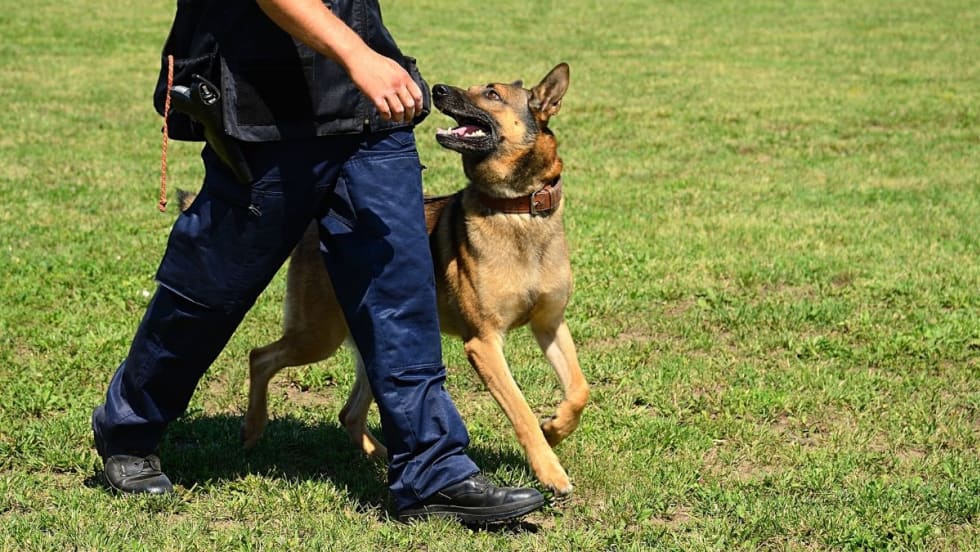
Preventing Heat Injury in Police K-9s
In the relentless heat of summer and even early fall in some parts of the country, officers face the important task of protecting their K-9 partners while working in sweltering temperatures. Recognizing changes in a dog’s behavior is the key.
Read More →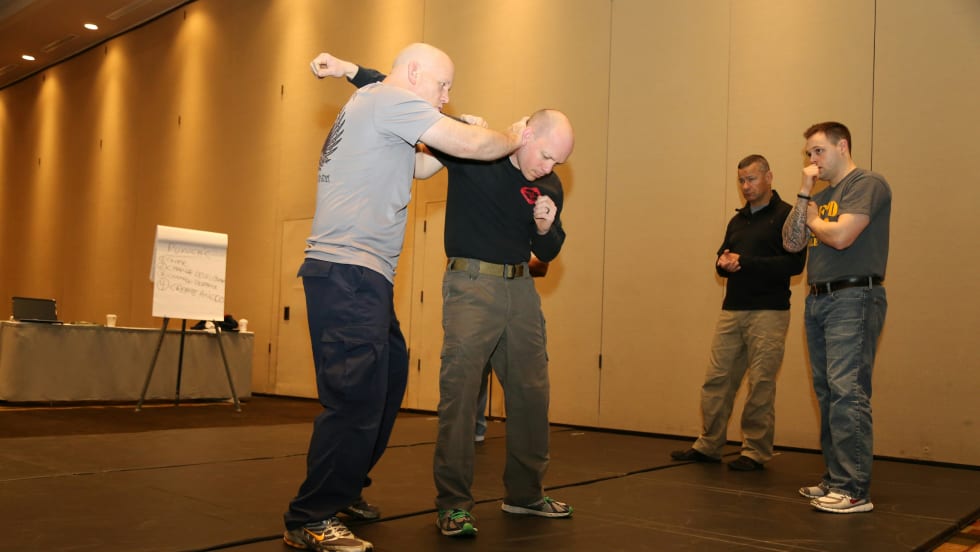
Why Your Agency Needs to Attend the ILEETA Conference
ILEETA is a complete resource for trainers to address trainers' needs. Its mission is to enhance the skills and safety of criminal justice practitioners while fostering stronger and safer communities.
Read More →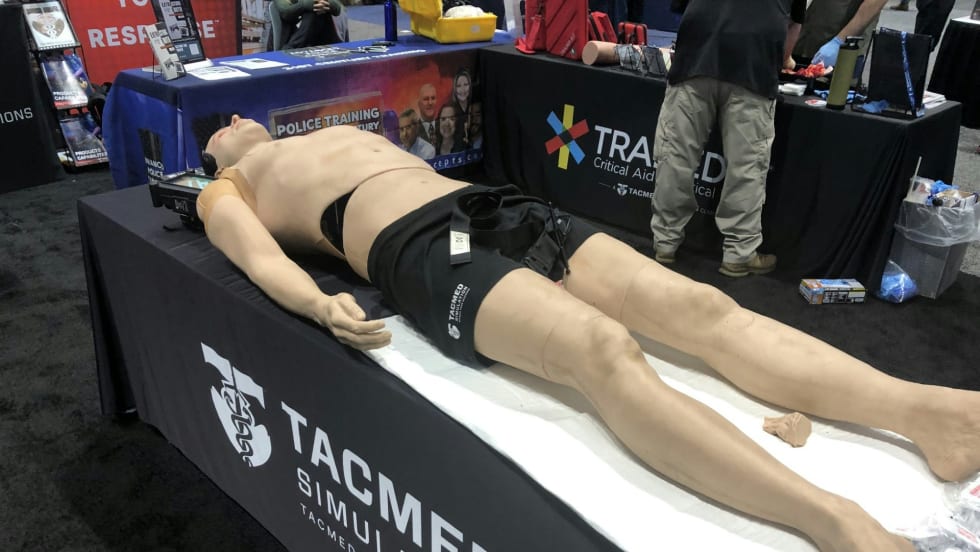
IACP 2023: New Training Products
Technologies for improving law enforcement training and training management were some of the highlights at this year's show.
Read More →
Initial Results Released from MSP 2024 Police Vehicle Testing
The 2024 pursuit-rated vehicles--all pickup trucks or SUVs, including two battery electric models the Chevrolet Blazer EV AWD and Ford Mustang Mach-E--were put through their paces.
Read More →
Officer Safety Considerations Related to Alternative-Fuel Vehicles
As more alternative-fuel and hybrid vehicles hit the road, police and other first responders need to understand that they are no more dangerous than conventional vehicles. However, there are certain safety considerations every cop should know.
Read More →
Garmont Working to Grow LE Market Presence
Garmont Tactical has found wide acceptance by military boot buyers, but now the company is trying to better respond to the needs of police officers. Many cops now are not fans of 8-inch boots, so Garmont is adapting.
Read More →
Publisher’s Note: Our Commitment to You
Through our magazine and website and our Police Technology eXchange event, we promise to provide you with information and access to resources to help you do your job safer and better.
Read More →
10 Tips for Responding to Mental Health Crisis Calls
The Harris County Sheriff's Office is a model for other agencies that want to learn about crisis intervention and mental health crisis response. Sgt. Jose Gomez shares the story of their programs and provides 10 tips for mental health crisis call response
Read More →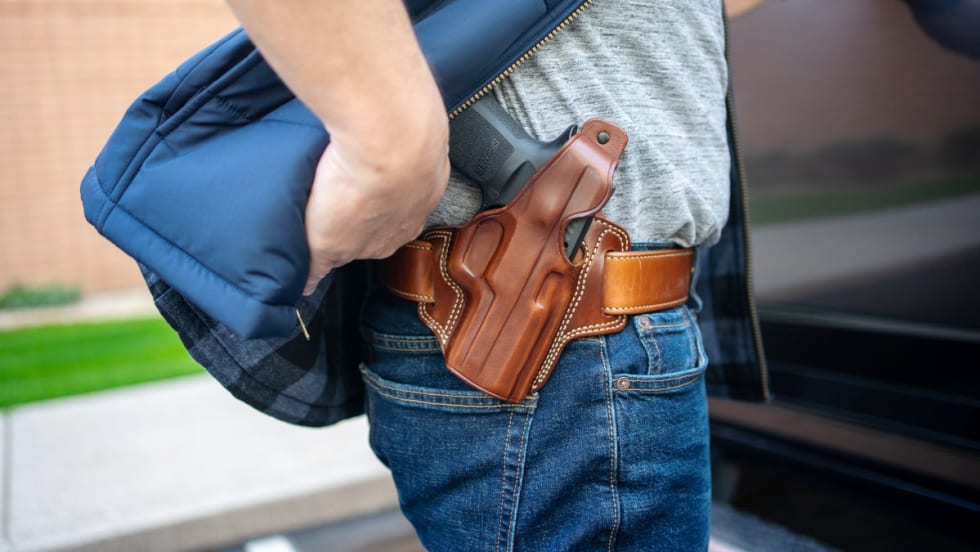
5 Things to Know When Buying Concealed-Carry or Off-Duty Holsters
Mike Barham, of Galco Holsters, shares five important considerations to keep in mind when you buy off-duty concealed or plain-clothes carry holsters.
Read More →
10 Tips for Reviewing Use-of-Force Reports
While the burden of accurately reporting use-of-force situations is on an individual deputy or officer, the person reviewing those reports shares in the responsibility of making sure the reporting is done properly, with clear details included.
Read More →