



Never Settle for Just Good Enough
Detectives build their case on your preliminary report. Prosecutors decide whether to move forward with the case based on your report. Insurance companies, probation officers, and others will use your work product to help them with their roles. Pay attention to the details; it will pay off in more ways than one.

How many times have you heard the old saw, "That's good enough for government work?" Does that mean shoddy or marginal work is acceptable? You'll have to ask yourself if that's what you want to be known for producing?
One thing I tell all young officers is that your work products — reports, evidence tickets, traffic citations and the like — are your trademark. You'll produce a product that will have several end users.
Detectives build their case on your preliminary report. Prosecutors decide whether to move forward with the case based on your report. Insurance companies, probation officers and others will use your work product to help them with their roles. Sooner or later a case will come up to the detectives and prosecutors, and they'll look to the officer to bring charges.
How do you want to be viewed by your criminal justice colleagues? You should desire to be known as the articulate officer with a keen attention to procedure and detail. You don't want the reputation of the sloppy dullard who just tries to get by with minimum effort. Make your mark here as a positive one.
Years ago, when I was a detective sergeant, I was tasked with assisting with detective applicant interviews. I would go to records management archives and make copies of the example reports for burglaries, assaults, traffic citations, and traffic accidents. I would make a copy of a daily activity report (DAR) for good measure.
Today, these could be generated at a workstation with spell check and grammar check. The dais would review the applicants' reports before we interviewed them. If you claimed to be an excellent report writer and premier preliminary investigator, the example reports would validate you.
Oftentimes the lackluster reports caused chagrin among the aspiring detectives. You never know who'll read a mundane report, and you never know what a well-written report will net you. Pay attention to the details; it will pay off in more ways than one.
You take pride in your job, uniform, and appearance. Why stop there? When you start in this profession—yes, I said profession—you're young, motivated, and full of desire to be the future's warrior. As the shifts drag on, you can feel mundane at times and start to slack off. Don't do it; it's a contagious disease. The malady of mediocrity will creep in and you'll be a slacker as well. Don't let your trademark slide and become an inferior product.
Do it correctly the first time and give it all you've got—you often won't know when the smallest things will pay off. I'd bet a few aspiring detectives who didn't make it wish they'd had this tip. Be the detective they never were; you now have an inside track.
More Blog Posts
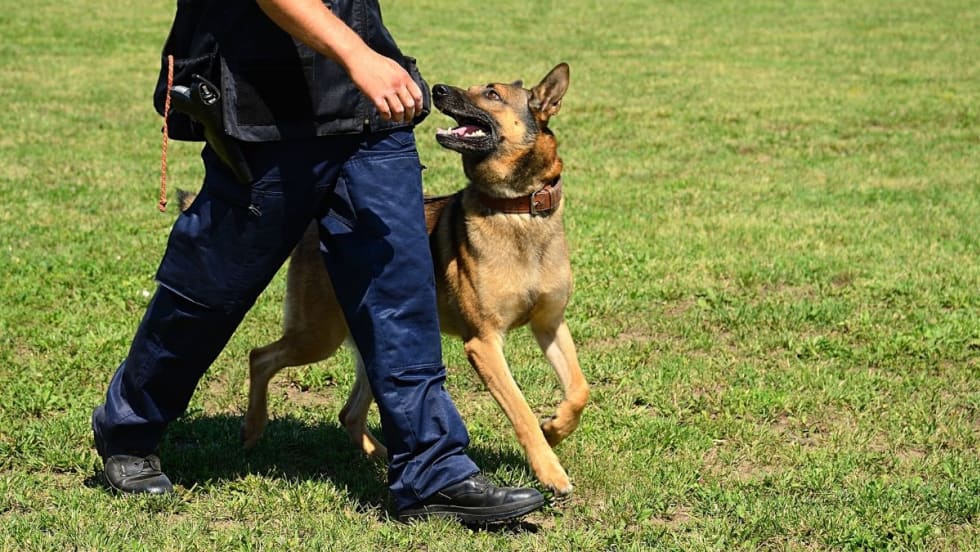
Preventing Heat Injury in Police K-9s
In the relentless heat of summer and even early fall in some parts of the country, officers face the important task of protecting their K-9 partners while working in sweltering temperatures. Recognizing changes in a dog’s behavior is the key.
Read More →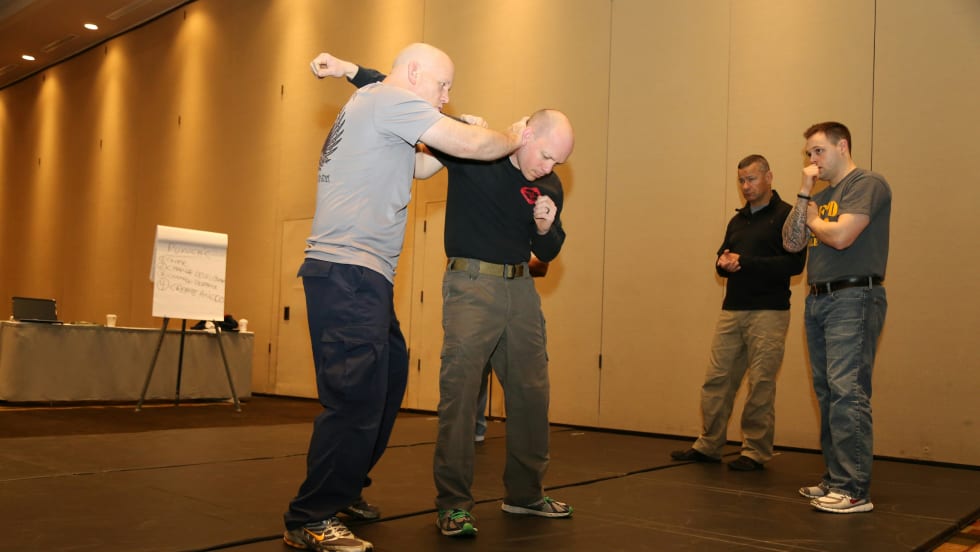
Why Your Agency Needs to Attend the ILEETA Conference
ILEETA is a complete resource for trainers to address trainers' needs. Its mission is to enhance the skills and safety of criminal justice practitioners while fostering stronger and safer communities.
Read More →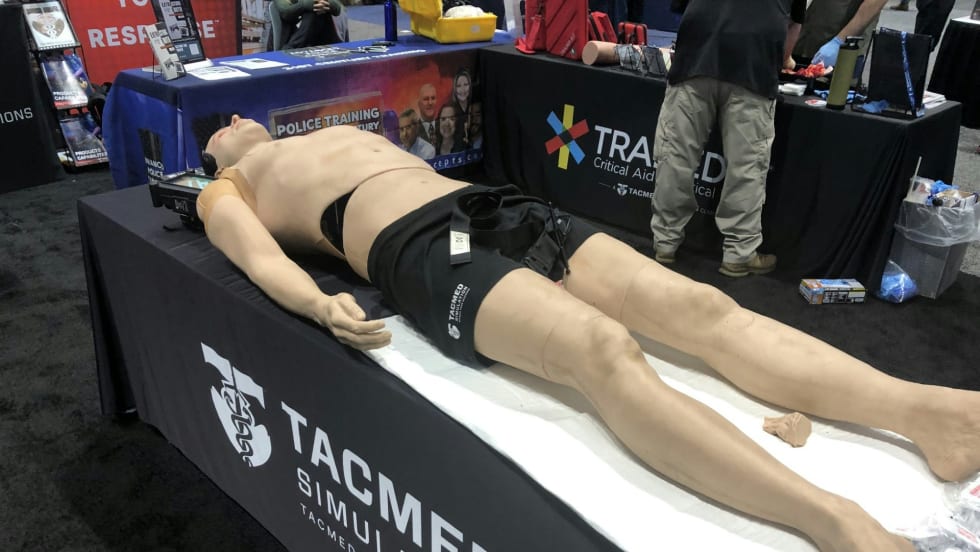
IACP 2023: New Training Products
Technologies for improving law enforcement training and training management were some of the highlights at this year's show.
Read More →
Initial Results Released from MSP 2024 Police Vehicle Testing
The 2024 pursuit-rated vehicles--all pickup trucks or SUVs, including two battery electric models the Chevrolet Blazer EV AWD and Ford Mustang Mach-E--were put through their paces.
Read More →
Officer Safety Considerations Related to Alternative-Fuel Vehicles
As more alternative-fuel and hybrid vehicles hit the road, police and other first responders need to understand that they are no more dangerous than conventional vehicles. However, there are certain safety considerations every cop should know.
Read More →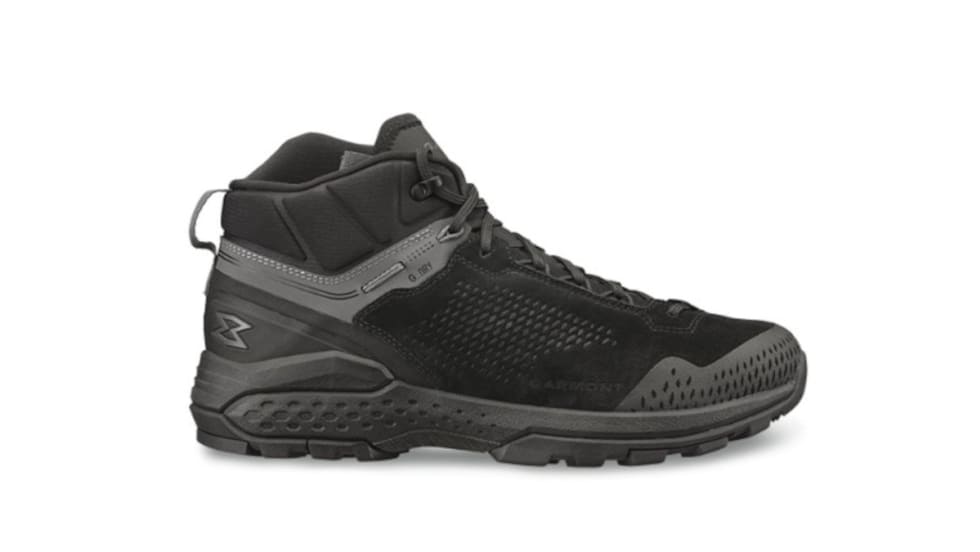
Garmont Working to Grow LE Market Presence
Garmont Tactical has found wide acceptance by military boot buyers, but now the company is trying to better respond to the needs of police officers. Many cops now are not fans of 8-inch boots, so Garmont is adapting.
Read More →
Publisher’s Note: Our Commitment to You
Through our magazine and website and our Police Technology eXchange event, we promise to provide you with information and access to resources to help you do your job safer and better.
Read More →
10 Tips for Responding to Mental Health Crisis Calls
The Harris County Sheriff's Office is a model for other agencies that want to learn about crisis intervention and mental health crisis response. Sgt. Jose Gomez shares the story of their programs and provides 10 tips for mental health crisis call response
Read More →
5 Things to Know When Buying Concealed-Carry or Off-Duty Holsters
Mike Barham, of Galco Holsters, shares five important considerations to keep in mind when you buy off-duty concealed or plain-clothes carry holsters.
Read More →
10 Tips for Reviewing Use-of-Force Reports
While the burden of accurately reporting use-of-force situations is on an individual deputy or officer, the person reviewing those reports shares in the responsibility of making sure the reporting is done properly, with clear details included.
Read More →