



Would You Respond Off Duty With Family?
I ask myself: Would I just hang back and hope for the best? And if things did go south, would I perhaps not only be adding to the officer's vulnerability through my own inaction?


Photo: Lawrence Whittemore.
Some cops are adherents to Shakespeare's "all is well that ends well" philosophy. No matter how questionable the call, how suspect the judgment, so long as everything turns out OK in the end...it's all good.
Others tend to take a second glance and ask: Would I have done that?
I found myself in the role of the latter when I read of Kate Rooney, a Vernon, Conn., police officer who recognized a reported stolen Chevy Avalanche while off-duty and commuting with her family in her personal vehicle. Dialing 911 on her cell phone, Rooney advised local police that she'd spotted the GTA and gave updates of its location as she followed it on surface streets. Normally, this would have been enough.
But when she saw a single marked patrol car arrive and begin effecting a traffic stop of the Avalanche, Rooney joined in the felony takedown, grabbing her own long gun and taking aim on the driver and passenger in the Chevy. The two men were subsequently arrested and taken into custody without incident.
By the time I finished reading an online account of Rooney's actions, I found myself in the unfamiliar position of straddling an ideological fence. Said perch is largely terra incognita for me as my opinions tend to be no less decisive than Rosie O'Donnell's, and a helluva lot more edified as they tend to be supported by logic, data, and my uncanny ability to discriminate between fact and fiction.
However, my overwhelming emotional response in evaluating Rooney's actions was one of being conflicted. For while I found her courage unimpeachable, the story's elliptical gloss-overs left me less sure of her judgment. Over and over again I wondered why she found it necessary to do what she did.
My prejudice stemmed partially from a posture that shies from the prospect of taking off-duty action if my family is in tow, a belief itself influenced by a tragedy that I first heard of nearly 30 years ago. I suspect that the tragedy in question continues to be part of the Los Angeles County Sheriff's Department's officer safety training to this day.
The story revolved around a reserve deputy who had the misfortune of observing two robbery suspects as they fled a location. The reserve confronted the two men, precipitating a shootout and his two-year-old daughter was shot. The robbers were eventually taken into custody, at which time they admitted to specifically targeting targeting the man's daughter in the belief that, if they were successful, the parental instincts of the reserve deputy would supersede any further attempts by him to delay their departure. Their suspicions proved correct. Emotionally incapacitated, the reserve dropped out of the fight and the men were able to buy themselves a few hours additional freedom, all at the expense of the little girl's life.
Which brings me back to the Vernon, Conn., incident. If online accounts of her exploits that afternoon are correct, Rooney's two children were with her at the time she jumped from her vehicle to assist her fellow officer. At least one of the children was sufficiently young enough for Rooney to be fielding inquiries such as, "What's an Avalanche?" in the middle of this episode.
But then there's the other side of this story. It's the part that makes me so conflicted. It's the part where Rooney saw a one-man unit pulling over a stolen vehicle with two occupants.
I ask myself: Would I just hang back and hope for the best? And if things did go south, would I perhaps not only be adding to the officer's vulnerability through my own inaction?
As it stands, perhaps it really is a case of "all's well that ends well." The suspects ended up in custody and, for all I know, the newspaper elliptically glossed over how Rooney secured her family before lining up her front and rear sights. Perhaps she made allowances for any possible threats and somehow managed to park her vehicle in a manner so that the foregoing concerns were addressed and she was able to insinuate herself into the stop without incident.
The victims of the car theft have been effusive in their praise of the officer, noting that the men had not only come in possession of the Avalanche but their IDs, as well. But wouldn't they have been just as appreciative- and wouldn't Officer Rooney's actions been just as laudable-had she simply remained the good witness?
Was the one-man car initiating the stop in a position to hold off effecting a stop of the Avalanche and simply tail it until the arrival of other marked patrol cars?
I don't know. I wasn't there. But this much I do know: This story is a good springboard to get other officers thinking about what they would have done and what they might yet do if they find themselves in similar situations.
So I ask these questions of you:
Would you take such police action if you were out driving around with your own family?
Or would you confine your involvement to dialing 911 and relating what you know?
More Blog Posts
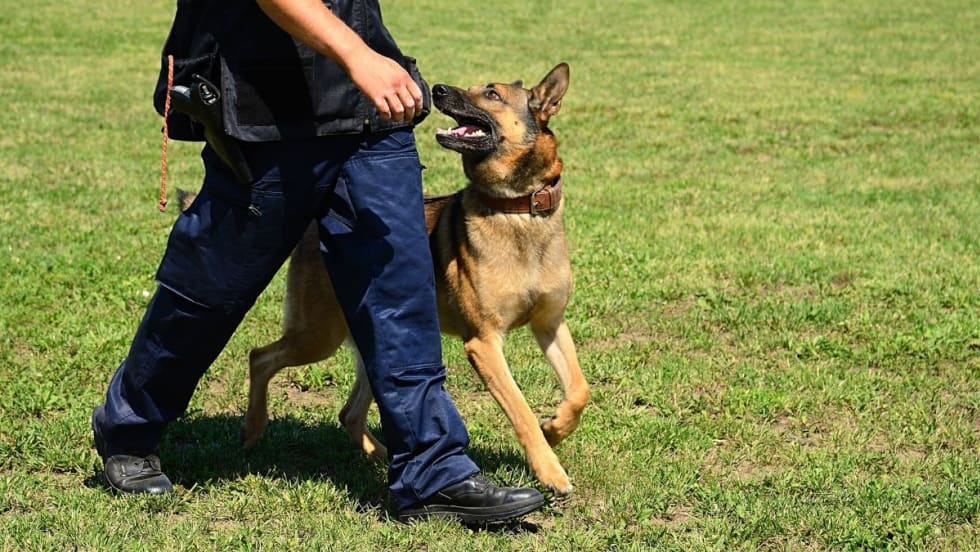
Preventing Heat Injury in Police K-9s
In the relentless heat of summer and even early fall in some parts of the country, officers face the important task of protecting their K-9 partners while working in sweltering temperatures. Recognizing changes in a dog’s behavior is the key.
Read More →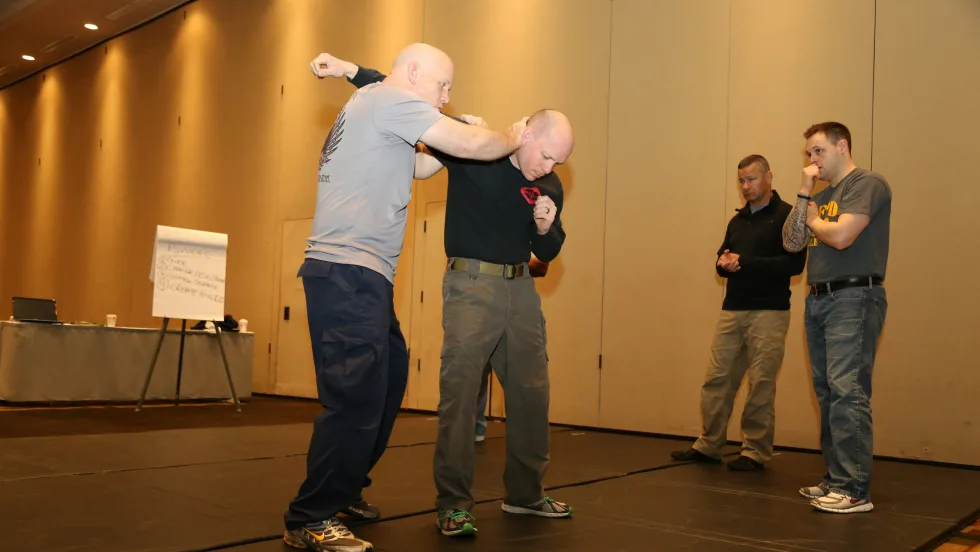
Why Your Agency Needs to Attend the ILEETA Conference
ILEETA is a complete resource for trainers to address trainers' needs. Its mission is to enhance the skills and safety of criminal justice practitioners while fostering stronger and safer communities.
Read More →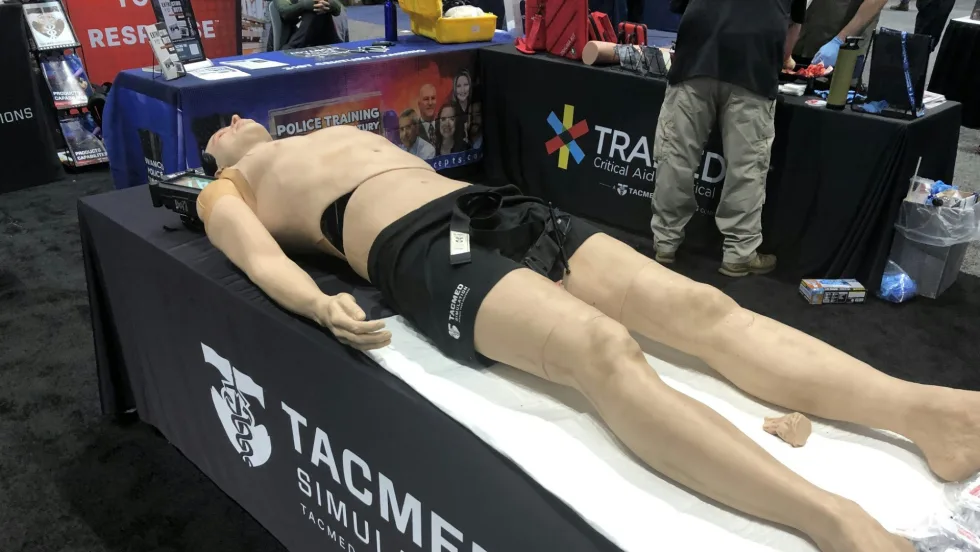
IACP 2023: New Training Products
Technologies for improving law enforcement training and training management were some of the highlights at this year's show.
Read More →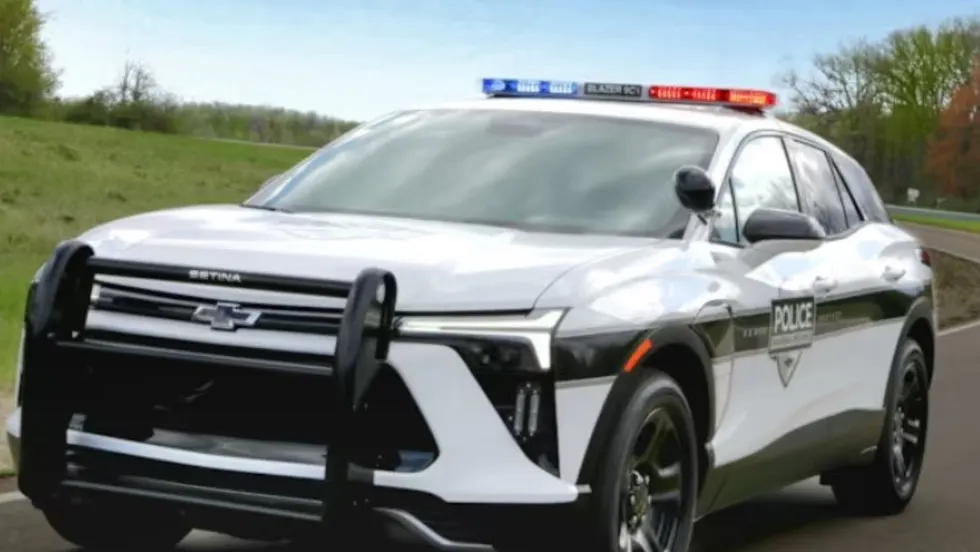
Initial Results Released from MSP 2024 Police Vehicle Testing
The 2024 pursuit-rated vehicles--all pickup trucks or SUVs, including two battery electric models the Chevrolet Blazer EV AWD and Ford Mustang Mach-E--were put through their paces.
Read More →
Officer Safety Considerations Related to Alternative-Fuel Vehicles
As more alternative-fuel and hybrid vehicles hit the road, police and other first responders need to understand that they are no more dangerous than conventional vehicles. However, there are certain safety considerations every cop should know.
Read More →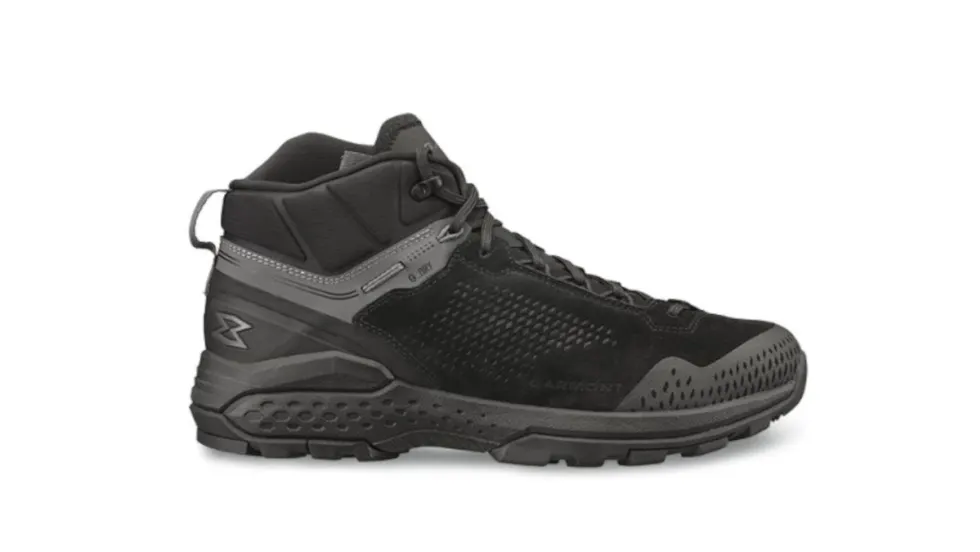
Garmont Working to Grow LE Market Presence
Garmont Tactical has found wide acceptance by military boot buyers, but now the company is trying to better respond to the needs of police officers. Many cops now are not fans of 8-inch boots, so Garmont is adapting.
Read More →
Publisher’s Note: Our Commitment to You
Through our magazine and website and our Police Technology eXchange event, we promise to provide you with information and access to resources to help you do your job safer and better.
Read More →
10 Tips for Responding to Mental Health Crisis Calls
The Harris County Sheriff's Office is a model for other agencies that want to learn about crisis intervention and mental health crisis response. Sgt. Jose Gomez shares the story of their programs and provides 10 tips for mental health crisis call response
Read More →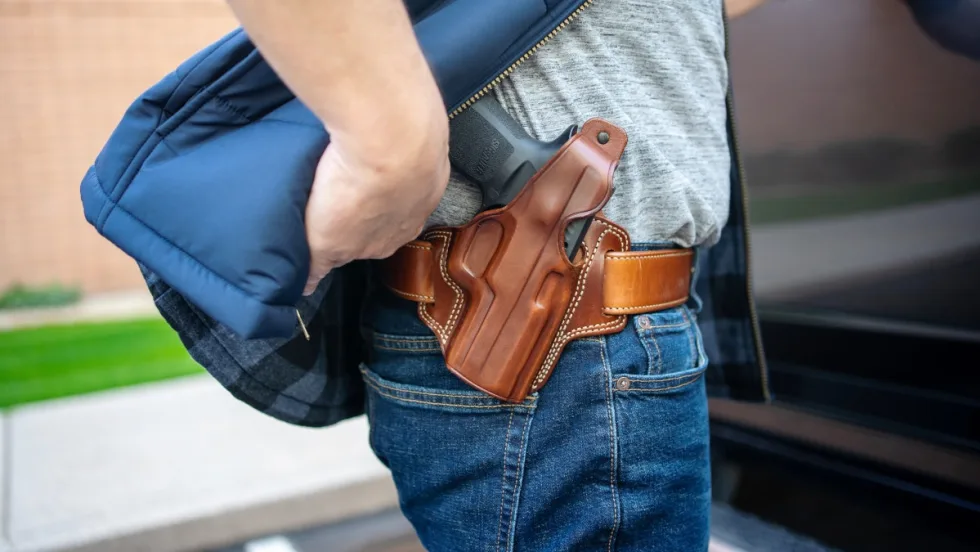
5 Things to Know When Buying Concealed-Carry or Off-Duty Holsters
Mike Barham, of Galco Holsters, shares five important considerations to keep in mind when you buy off-duty concealed or plain-clothes carry holsters.
Read More →
10 Tips for Reviewing Use-of-Force Reports
While the burden of accurately reporting use-of-force situations is on an individual deputy or officer, the person reviewing those reports shares in the responsibility of making sure the reporting is done properly, with clear details included.
Read More →