



What's Missing from the National Narrative on Improving Police Community Relations
Where is the public's ownership of these poor life decisions? Why aren't the parents, the political leaders, the community activists, the media talking heads, celebrities, nationally prominent athletes and the jet-setting, race-bating civil rights "activists" such as Jesse Jackson and Al Sharpton extolling our children and citizens NOT to make these very obvious and poor life choices?

It's amazing that no federal, state or municipal political leader; no police administrator; and certainly no media talking head has come forward to ask why only ONE side of the police-community relationship should change.
The clear theme that is evident in ALL of these police-involved citizen deaths is that a history of bad life choices made by citizens creates a confluence of circumstances resulting in unintended consequences that unfortunately have led to the deaths of those portrayed in the media and by uninformed activists as "innocents."
Bad parenting, no parenting, the irresponsibility of young males to impregnate young naive females and then abandon their parental responsibilities; failing to embrace the benefits of education; failure to develop meaningful job skills; drug abuse; gang involvement; embracing and glorifying gangsta rappers who forward a destructive narrative of drugs, crime, and disrespect/violence against police are all factors in these incidents.
Nearly every so-called "victim" of these recent police-involved deaths had a history of criminal arrests; was fleeing from detention and arrest on foot and/or in vehicles; had verbally and physically resisted detention or arrest; had assaulted police with weapons; was in possession of weapons; and/or was under the influence of drugs during the encounter and altercations.
Where is the public's ownership of these poor life decisions? Why aren't the parents, the political leaders, the community activists, the media talking heads, celebrities, nationally prominent athletes and the jet-setting, race-bating civil rights "activists" such as Jesse Jackson and Al Sharpton extolling our children and citizens NOT to make these very obvious and poor life choices?
Why do some communities seem to have an overwhelming number of violent crimes, high levels of gang violence and drug abuse and interactions with police - and others either very low or almost no such instances? And why aren't the obvious differences in these communities discussed?
Why are the false narratives such as "Hands up. Don't shoot" perpetuated by the media, street activists, and our political leaders? Why are some segments of American society more intent upon assigning blame to the police; rather than accepting responsibility for their poor life choices?
The police are not psychologists, sociologists, criminologists and mental health practitioners. They are "first responders." Police respond to society's problems; they can't fix them. Police officers come from our communities; not from distant planets. They are us and we are them. Police get the training that YOU provide them. Can they be better trained? Of course. Do they want and ask for better training and equipment? All the time, but YOU don't want to pay for it. Do police need to be smart and better educated? Of course, but the problem is that agencies can't find qualified officers because many who apply lack even the most basic education and personal skills to pass the tests to become a police officer. How are these issues the fault of police? Yet the public, politicians and the media consistently heap criticism on them.
If you want a dramatic national change in police-community relations, begin by first looking into the mirror as citizens and as a society and ask yourselves what are YOU willing to do to bring about this needed change? When will YOU begin accepting responsibility for YOUR actions? When you take this first step, you begin the journey upon the road toward positive change between yourselves and your police.
BIO:
Dr. Ron Martinelli is a nationally renowned forensic criminologist and police expert with a national presence who investigates and independently reviews high-profile police-involved death cases at: martinelliandassociates.com
More Blog Posts
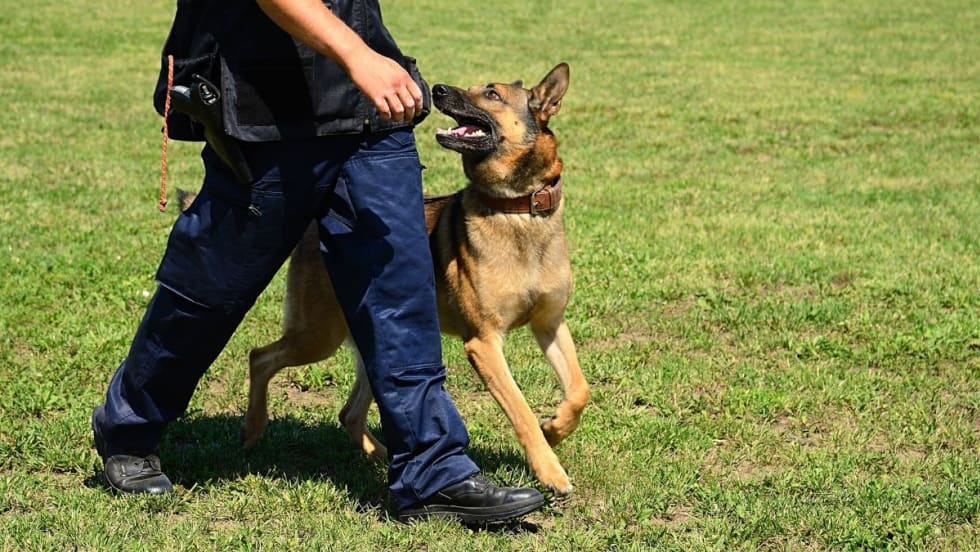
Preventing Heat Injury in Police K-9s
In the relentless heat of summer and even early fall in some parts of the country, officers face the important task of protecting their K-9 partners while working in sweltering temperatures. Recognizing changes in a dog’s behavior is the key.
Read More →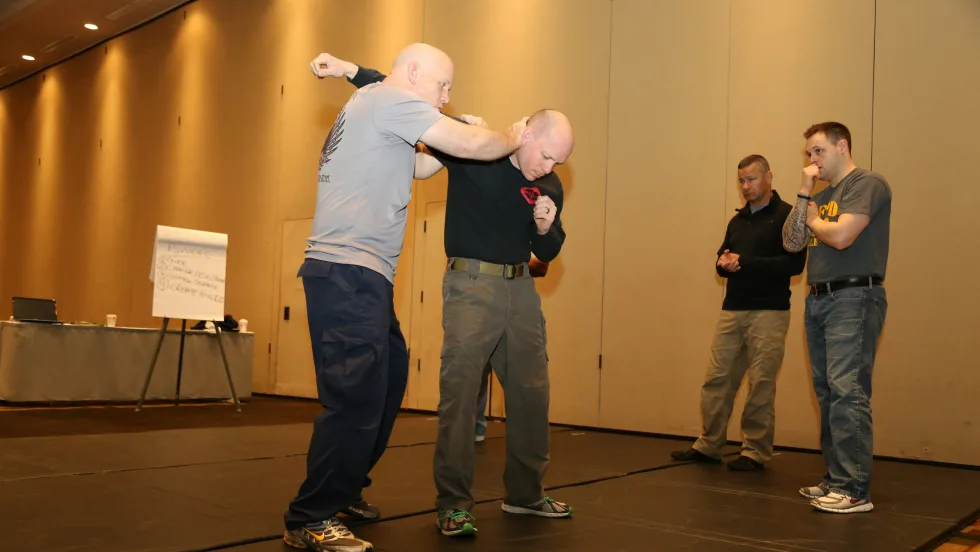
Why Your Agency Needs to Attend the ILEETA Conference
ILEETA is a complete resource for trainers to address trainers' needs. Its mission is to enhance the skills and safety of criminal justice practitioners while fostering stronger and safer communities.
Read More →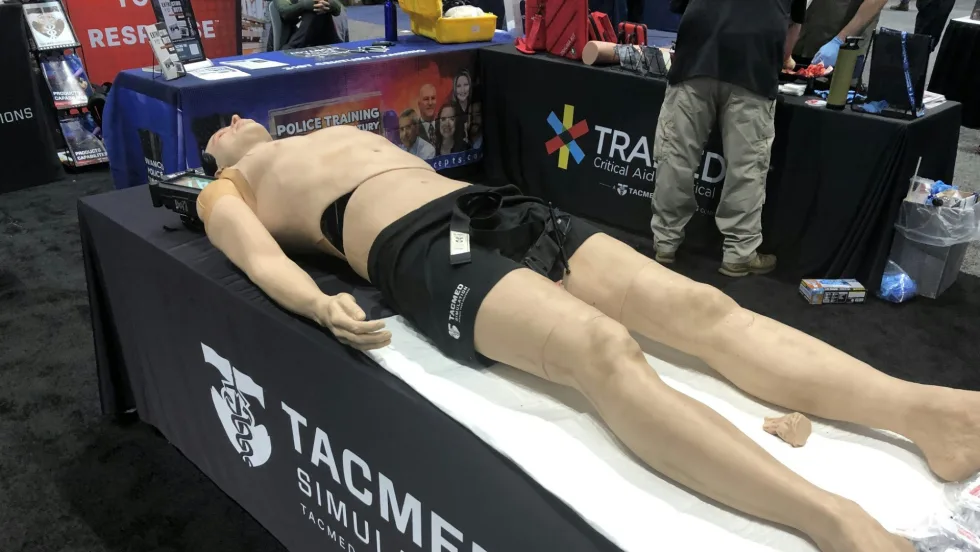
IACP 2023: New Training Products
Technologies for improving law enforcement training and training management were some of the highlights at this year's show.
Read More →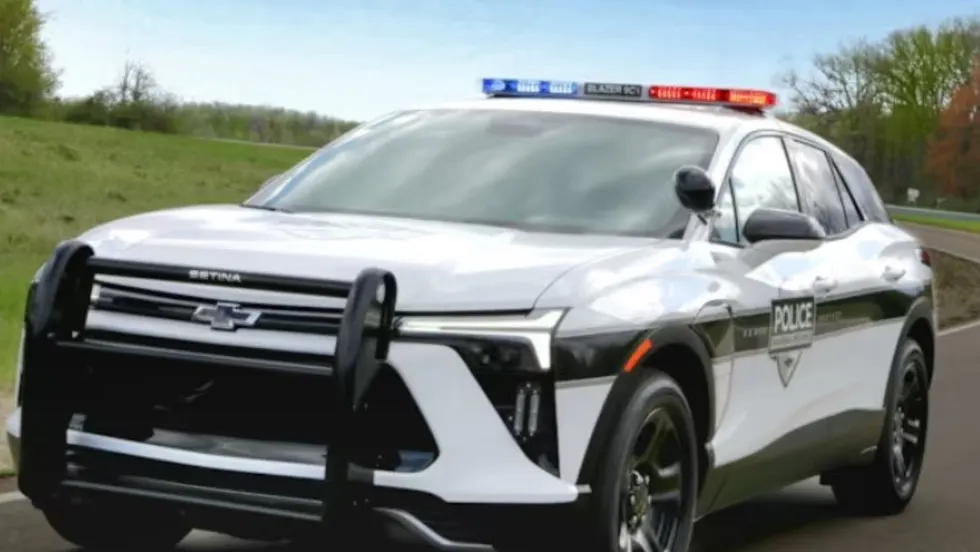
Initial Results Released from MSP 2024 Police Vehicle Testing
The 2024 pursuit-rated vehicles--all pickup trucks or SUVs, including two battery electric models the Chevrolet Blazer EV AWD and Ford Mustang Mach-E--were put through their paces.
Read More →
Officer Safety Considerations Related to Alternative-Fuel Vehicles
As more alternative-fuel and hybrid vehicles hit the road, police and other first responders need to understand that they are no more dangerous than conventional vehicles. However, there are certain safety considerations every cop should know.
Read More →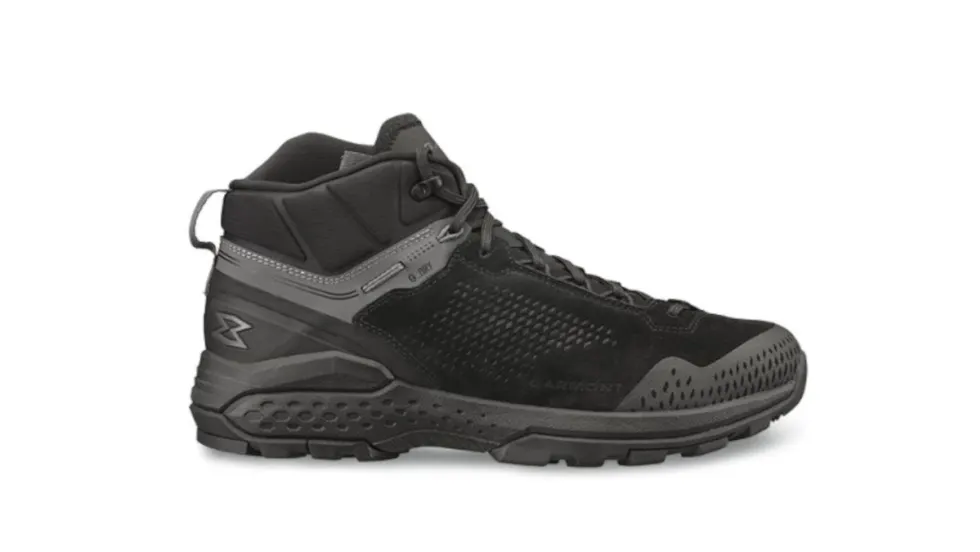
Garmont Working to Grow LE Market Presence
Garmont Tactical has found wide acceptance by military boot buyers, but now the company is trying to better respond to the needs of police officers. Many cops now are not fans of 8-inch boots, so Garmont is adapting.
Read More →
Publisher’s Note: Our Commitment to You
Through our magazine and website and our Police Technology eXchange event, we promise to provide you with information and access to resources to help you do your job safer and better.
Read More →
10 Tips for Responding to Mental Health Crisis Calls
The Harris County Sheriff's Office is a model for other agencies that want to learn about crisis intervention and mental health crisis response. Sgt. Jose Gomez shares the story of their programs and provides 10 tips for mental health crisis call response
Read More →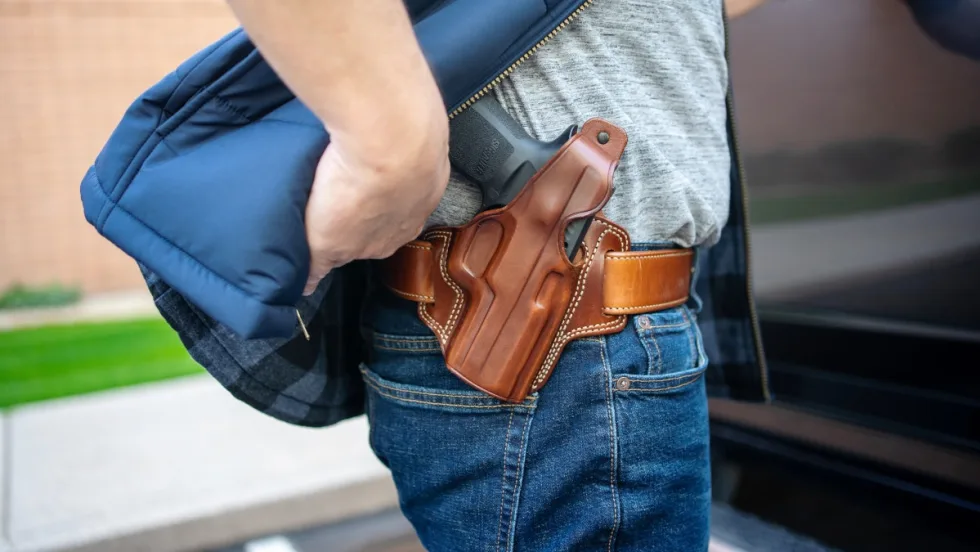
5 Things to Know When Buying Concealed-Carry or Off-Duty Holsters
Mike Barham, of Galco Holsters, shares five important considerations to keep in mind when you buy off-duty concealed or plain-clothes carry holsters.
Read More →
10 Tips for Reviewing Use-of-Force Reports
While the burden of accurately reporting use-of-force situations is on an individual deputy or officer, the person reviewing those reports shares in the responsibility of making sure the reporting is done properly, with clear details included.
Read More →