



Wearing a High-Visibility Vest May Save Your Life
I know what it's like to have to get out and work a traffic accident; it only takes a few seconds to don this vest. There are still some officers who resist wearing the vest and try to trump up the circumstances to exempt themselves. You're only endangering yourself by doing this.

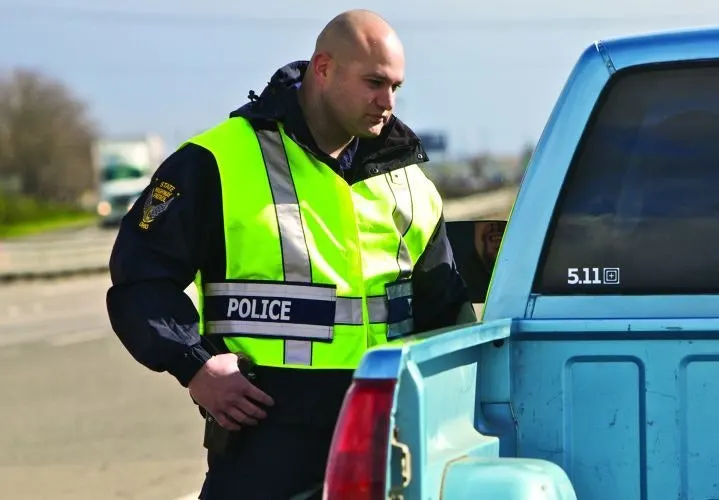
5.11 Tactical offers its Breakaway High-Vis Vest for law officers working motorways.
Excercising caution while working on the motorway may be covered by your department's rules, regulations, and policies but there's still a need to remind you of it. We're still losing officers in the line of duty or hearing about the severe injuries of officers struck by vehicles.
I'm not talking about felonious assaults, but being struck by inattentive or impaired motorists. Will a fancy reflective, high-visibility vest stop a speeding locomotive? No! Will it give you a better chance of surviving an oncoming passenger vehicle? Yes, so wear it.
I've heard cops say they were not going to wear those fancy schmancy vests because they don't appear police-like. Or, that they'll look like a school crossing guard. I have heard this makes us look like British or other European cops. Yes, they've been wearing high visibility for years and (big hint here) they're living to tell about it.
Some say it's not tactically sound. You're not in a sniper position. You're working a traffic control point. Not all cop fashion is in basic black. We look like other emergency responders. That's the point; look like a responder rather than a highway victim.
Until 1999, there were no state or federally mandated safety standards or regulations for safety vests. Some departments had orange "hunting vests" and that was about it. Then the American National Standards Institute created a set of voluntary guidelines called the ANSI/ISEA 107-1999 that has since been adapted by federal and state authorities, as well as and private industry. Then came 2003, and the law was further refined. This categorized the different levels of vest and amount of high visibility fabric and reflective material.
We still didn't play by the rules or found ways to wiggle out of this. Until Nov. 24, 2008, when new federal legislation placed requirements on emergency responders working within the right-of-way of a federal-aid highway. There were some exceptions for law enforcement officers.
Officers are still required under 23 CFR 634 to wear high-visibility clothing when performing duties such as directing traffic, investigating crashes, and handling lane closures, obstructed roadways, and disasters within the right-of-way of a federal-aid highway. Most highways we work get a penny or so from the feds, so they're covered.
Enough vest history and law; here's the point. According to recent data on officers dying in the line of duty, we lose five to seven officers a year from "struck by vehicle." This needs to cease.
I know what it's like to have to get out and work a traffic accident; it only takes a few seconds to don this vest. There are still some officers who resist wearing the vest and try to trump up the circumstances to exempt themselves. You're only endangering yourself by doing this.
I don't care if it doesn't look cool. What's important is the safety it affords the wearer to come back another day. If you want to dress to impress, it helps to be in one piece and alive. Wear the darn vest!
More Blog Posts
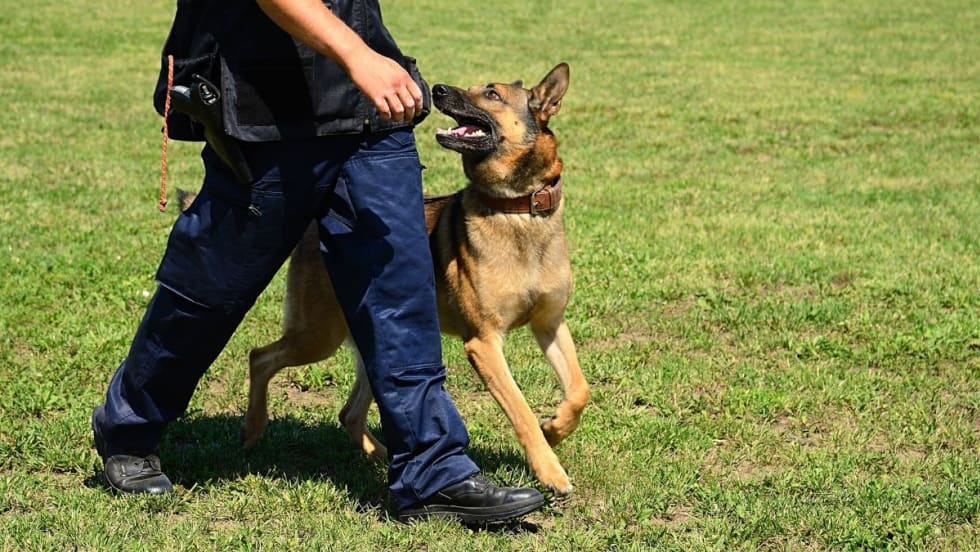
Preventing Heat Injury in Police K-9s
In the relentless heat of summer and even early fall in some parts of the country, officers face the important task of protecting their K-9 partners while working in sweltering temperatures. Recognizing changes in a dog’s behavior is the key.
Read More →
Why Your Agency Needs to Attend the ILEETA Conference
ILEETA is a complete resource for trainers to address trainers' needs. Its mission is to enhance the skills and safety of criminal justice practitioners while fostering stronger and safer communities.
Read More →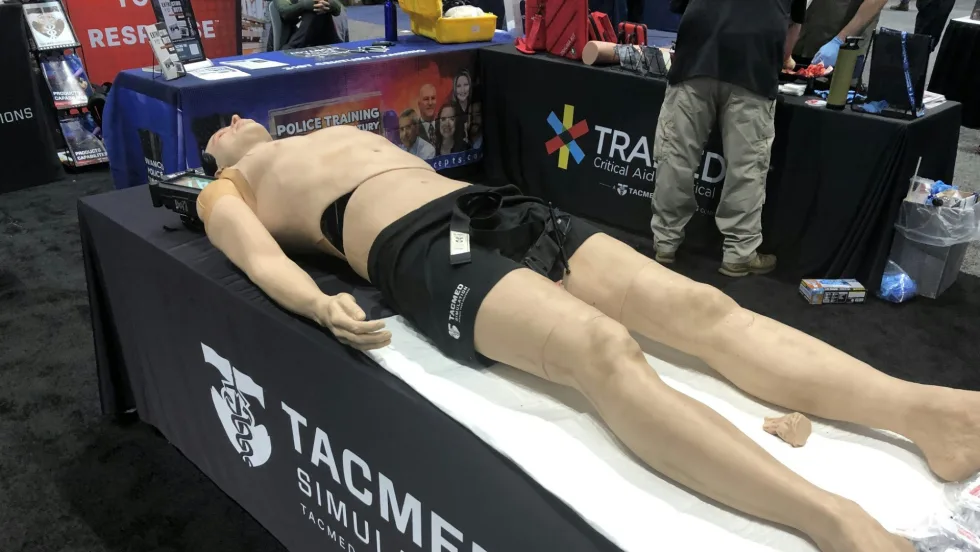
IACP 2023: New Training Products
Technologies for improving law enforcement training and training management were some of the highlights at this year's show.
Read More →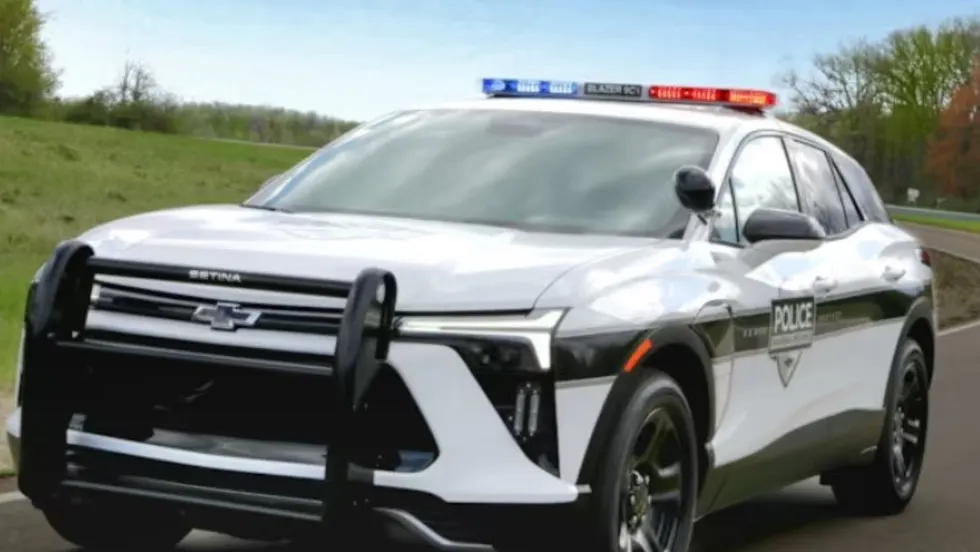
Initial Results Released from MSP 2024 Police Vehicle Testing
The 2024 pursuit-rated vehicles--all pickup trucks or SUVs, including two battery electric models the Chevrolet Blazer EV AWD and Ford Mustang Mach-E--were put through their paces.
Read More →
Officer Safety Considerations Related to Alternative-Fuel Vehicles
As more alternative-fuel and hybrid vehicles hit the road, police and other first responders need to understand that they are no more dangerous than conventional vehicles. However, there are certain safety considerations every cop should know.
Read More →
Garmont Working to Grow LE Market Presence
Garmont Tactical has found wide acceptance by military boot buyers, but now the company is trying to better respond to the needs of police officers. Many cops now are not fans of 8-inch boots, so Garmont is adapting.
Read More →
Publisher’s Note: Our Commitment to You
Through our magazine and website and our Police Technology eXchange event, we promise to provide you with information and access to resources to help you do your job safer and better.
Read More →
10 Tips for Responding to Mental Health Crisis Calls
The Harris County Sheriff's Office is a model for other agencies that want to learn about crisis intervention and mental health crisis response. Sgt. Jose Gomez shares the story of their programs and provides 10 tips for mental health crisis call response
Read More →
5 Things to Know When Buying Concealed-Carry or Off-Duty Holsters
Mike Barham, of Galco Holsters, shares five important considerations to keep in mind when you buy off-duty concealed or plain-clothes carry holsters.
Read More →
10 Tips for Reviewing Use-of-Force Reports
While the burden of accurately reporting use-of-force situations is on an individual deputy or officer, the person reviewing those reports shares in the responsibility of making sure the reporting is done properly, with clear details included.
Read More →