



Tips for Successful Gang Prosecutions
Police officers must have a pristine file, a file that if read by anyone gives all of the information the prosecutor needs.

Mistrust has grown among police officers and prosecutors in the past 10 years. The officers feel the prosecutors are lazy and disinterested, and the prosecutors feels the officers haven't put in the time and effort to build cases that can be successfully prosecuted.
I know this statement is "beating a dead horse," but there must be a connection, a trust in order to accomplish the goal. The goal is successful prosecution of the gang member and a conviction to keep him or her off the streets. Egos must be set aside, and both sides have to listen to each other.
Police officers must have a pristine file, a file that if read by anyone gives all of the information the prosecutor needs. When I was with the Prince George's County (Md.) Police Department's gang unit, there were several prosecutors I sought out, because we developed a working bond. I knew what they were looking for, and they knew what I would provide to make the case.
For this blog former Prince George's Assistant State's Attorney Anthony Mayo provided me with some key elements for a successful gang prosecution:
• Your file
• Victim(s), witnesses, and suspect information
• All written statements and what was said. These statements must be signed by the victim, witness, or suspect, and witnessed and signed by you
• All photographs paramount to your case
• All field notes by responding officers en route, on scene to include dispatcher tapings, debriefings, chance meetings, and any diagrams of the crime scene or dwellings
• Property receipts, arrest, investigative, and supplementary reports, jail receipts, search warrants, and inventory receipts
• Jail records to include inmate telephone calls, inmate mail, and jail visitors. Who visited the target gang member? Are they gang members? Family? Other acquaintances? Who leaves money on their account?
• Prior criminal history. Are there any "gang flags" or warnings?
• All arrests. Were the arrests gang related or gang motivated? Were there any convictions? Is the gang member on parole or probation? Are there "no gang contact" provisions for that parole or probation?
Remember your credibility and integrity is at stake. Also you must be articulate when reviewing your case. If you stumble, the prosecutor sees you as weak.
Tony Avendorph retired in 2009 after 40 years in law enforcement, serving with the Illinois Department of Corrections, the Los Angeles (Calif) County Sheriff's Department, and the Prince George's County (Md.) Police Department.
More Blog Posts
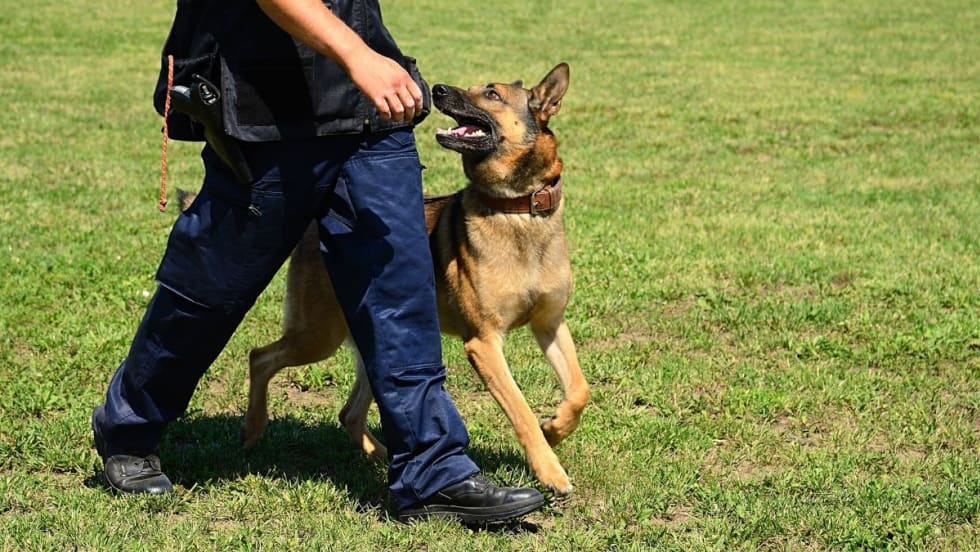
Preventing Heat Injury in Police K-9s
In the relentless heat of summer and even early fall in some parts of the country, officers face the important task of protecting their K-9 partners while working in sweltering temperatures. Recognizing changes in a dog’s behavior is the key.
Read More →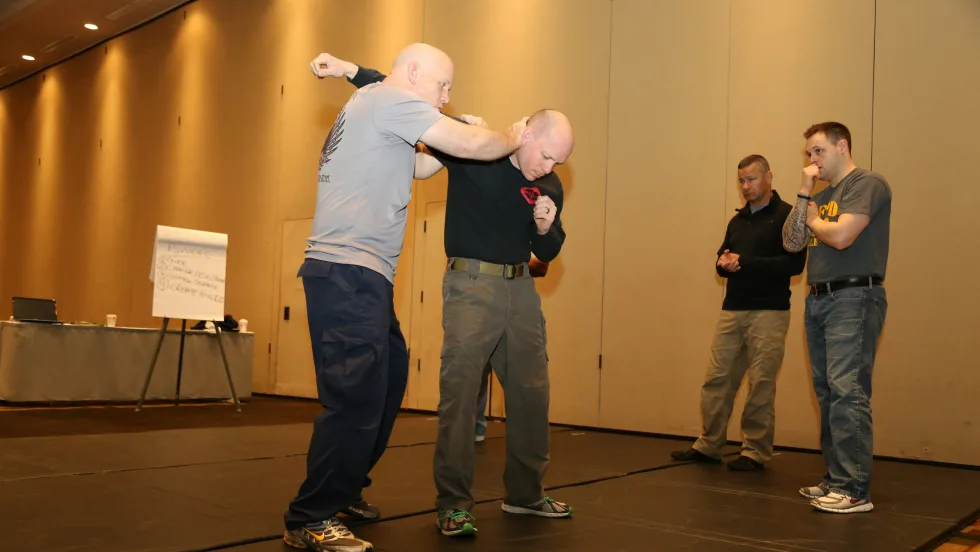
Why Your Agency Needs to Attend the ILEETA Conference
ILEETA is a complete resource for trainers to address trainers' needs. Its mission is to enhance the skills and safety of criminal justice practitioners while fostering stronger and safer communities.
Read More →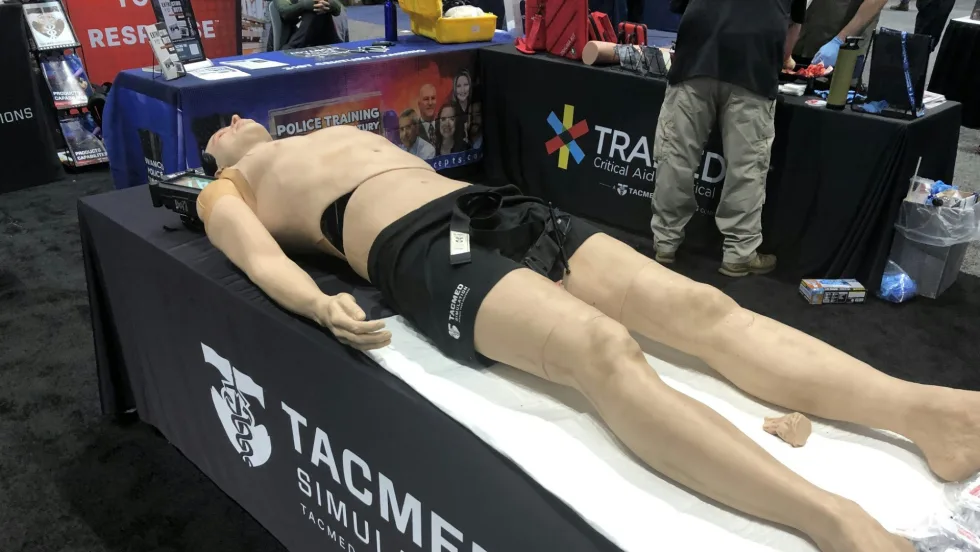
IACP 2023: New Training Products
Technologies for improving law enforcement training and training management were some of the highlights at this year's show.
Read More →
Initial Results Released from MSP 2024 Police Vehicle Testing
The 2024 pursuit-rated vehicles--all pickup trucks or SUVs, including two battery electric models the Chevrolet Blazer EV AWD and Ford Mustang Mach-E--were put through their paces.
Read More →
Officer Safety Considerations Related to Alternative-Fuel Vehicles
As more alternative-fuel and hybrid vehicles hit the road, police and other first responders need to understand that they are no more dangerous than conventional vehicles. However, there are certain safety considerations every cop should know.
Read More →
Garmont Working to Grow LE Market Presence
Garmont Tactical has found wide acceptance by military boot buyers, but now the company is trying to better respond to the needs of police officers. Many cops now are not fans of 8-inch boots, so Garmont is adapting.
Read More →
Publisher’s Note: Our Commitment to You
Through our magazine and website and our Police Technology eXchange event, we promise to provide you with information and access to resources to help you do your job safer and better.
Read More →
10 Tips for Responding to Mental Health Crisis Calls
The Harris County Sheriff's Office is a model for other agencies that want to learn about crisis intervention and mental health crisis response. Sgt. Jose Gomez shares the story of their programs and provides 10 tips for mental health crisis call response
Read More →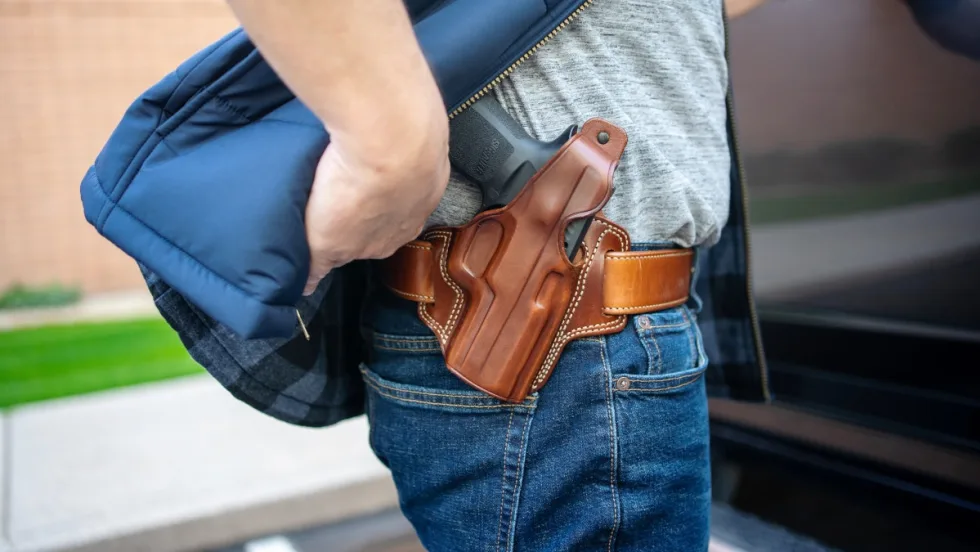
5 Things to Know When Buying Concealed-Carry or Off-Duty Holsters
Mike Barham, of Galco Holsters, shares five important considerations to keep in mind when you buy off-duty concealed or plain-clothes carry holsters.
Read More →
10 Tips for Reviewing Use-of-Force Reports
While the burden of accurately reporting use-of-force situations is on an individual deputy or officer, the person reviewing those reports shares in the responsibility of making sure the reporting is done properly, with clear details included.
Read More →