



The Stephon Clark Protests are Perpetuating a Lie
After the shooting, one officer can be heard asking his partner, “You all right? You hit?” indicating he thought Clark had a gun and was shooting back.

Since last week demonstrators have been marching in Sacramento to protest the police shooting of an unarmed black man, further propagating the false narrative that there is an epidemic of racist police killings in the United States. The media coverage of the March 18 death of Stephon Clark, 22, has been manipulated to support this anti-police myth, despite statistics demonstrating there is no widespread problem of racist police shootings and no evidence that race played a role in this particular shooting.
On Sunday March 18, police received a 911 call that a suspect was breaking into cars and when police responded, Stephon Clark was confronted, he ran from police, refused to comply with lawful commands and was shot to death by two officer, one of whom is black.
Police have released a video in which Clark can be seen running and climbing over a fence while a Sacramento County Sheriff's helicopter crew tracked him with an infrared camera. Two Sacramento police officers approached Clark with guns drawn and ordered him to stop, but. Clark fled into a backyard. An officer ordered Clark to show them his hands, then yelled “Gun! Gun! Gun!” before both officers opened fire.
The way a news story is framed, omitting or downplaying certain facts and highlighting certain elements over others, can bias the way a reader interprets it. Notice how the following headlines suggest a specific narrative: “Police Shot and Killed an Unarmed Black Man in his own Backyard. All he was Holding was a cellphone” (Vox), “Sacramento Man Fatally Shot by the Police in His Backyard” (New York Times), “California Cops Fatally Shoot Unarmed Black Man Stephon Clark in his Own Backyard” (Huffington Post), “Unarmed Black Man Carrying only a Cellphone when he was Shot by Cops” (Salon).
These headlines highlight that Clark was in his own backyard and that he was black, but those facts are irrelevant to the cause of the shooting. These headlines don’t mention that Clark was reportedly breaking car windows, evading the police, and failing to obey lawful orders, all of which are more relevant than his race or who owned the property where the shooting took place.
A Washington Post article published on March 23, “Our City is Hurting’: Protesters Swarm Downtown Sacramento Following Deadly Police Shooting,” is illustrated by a photograph of Clark’s grandmother looking out her back window with a look of horror on her face. The caption reads, “Sequita Thompson recounts the horror of seeing her grandson dead in their backyard.” This photograph is a recreation, not news, and is designed to elicit an emotional response from readers. The article quotes Thompson saying, “I told the officers, ‘You guys are murderers. Murderers’” and repeats her allegation that her grandson wasn’t the suspect breaking windows, despite a Sacramento Sheriff’s deputy observing him do it from a helicopter. The article also quotes the Rev. Al Sharpton who called the shooting an “atrocity” and suggested the police were trying to cover up the shooting. The inclusion of these unsubstantiated claims, the article’s slant, and the staged photograph, all make this news story more propaganda than journalism.
Many media accounts highlighted the number of rounds the officers fired, insinuating there was something wrong with firing 20 shots. But they didn't mention that police officers are trained to fire until the threat is gone, not until they pull the trigger a certain number of times. Almost none of the articles mentioned that all of the rounds were fired in approximately four seconds. Most media also failed to mention that police officers usually miss their targets in shootings. According to a 2008 Rand Corporation study, New York City Police Department officers hit their suspects only 18% of the time. Darkness, high grass, and the physiological delay in recognizing a threat has stopped may have also played a role. As of this writing, we don't know how many rounds actually hit Clark.
Last Thursday’s protest, which caused the cancellation of a Sacramento Kings basketball game, focused on race and police use of force. Protests over police shootings have become commonplace since the 2014 shooting death of Michael Brown in Ferguson, MO, yet the narrative of an epidemic of racist police shootings is an easily debunked myth. According to the Washington post database, there were 68 unarmed people killed by police in 2017, 20 of whom were black. Just because the suspect was unarmed does not necessarily mean a shooting is unjustified; a few of these shootings were declared illegitimate. Also, a handful of bad shootings does not constitute an epidemic, especially in the context of approximately 750, 340 law enforcement officers making more than 10 million arrests annually.
Blacks were 29% of the unarmed people shot by police in 2017, which is disproportionate to the 13.3% black population of the US and this discrepancy is used to allege racism. Yet the difference can be explained by other confounding variables. Factors such as age and poverty are correlated with crime rates and can affect interactions with police. For a detailed analysis read, End the Myth.
Even if an investigation determines the Clark shooting was criminal, a motive of racism can’t be inferred without evidence. So far, there is no indication that the involved officers had a history of racist behavior. Also, from the actions of the police officers on the video, they clearly believed the suspect was armed. They pursued Clark into a backyard then can be seen ducking behind a wall for cover. After the shooting, one officer can be heard asking his partner, “You all right? You hit?” indicating he thought Clark had a gun and was shooting back.
A full investigation has to be completed, but from the video and facts the released so far, it appears police officers believed the cell phone in Clark’s hand was a gun. This is an easy mistake to make in a low-light environment while chasing a criminal suspect who is refusing to obey commands. Based on all available evidence, Clark's death seem to mostly a result of his own actions.
Jeffrey James Higgins is a retired DEA supervisory special agent with 25 years of total law enforcement experience. He has received numerous awards, including the U.S. Attorney General’s Award for Exceptional Heroism and the DEA’s Award of Valor.
https://jeffreyjameshiggins.com/
More Blog Posts
Preventing Heat Injury in Police K-9s
In the relentless heat of summer and even early fall in some parts of the country, officers face the important task of protecting their K-9 partners while working in sweltering temperatures. Recognizing changes in a dog’s behavior is the key.
Read More →
Why Your Agency Needs to Attend the ILEETA Conference
ILEETA is a complete resource for trainers to address trainers' needs. Its mission is to enhance the skills and safety of criminal justice practitioners while fostering stronger and safer communities.
Read More →
IACP 2023: New Training Products
Technologies for improving law enforcement training and training management were some of the highlights at this year's show.
Read More →
Initial Results Released from MSP 2024 Police Vehicle Testing
The 2024 pursuit-rated vehicles--all pickup trucks or SUVs, including two battery electric models the Chevrolet Blazer EV AWD and Ford Mustang Mach-E--were put through their paces.
Read More →
Officer Safety Considerations Related to Alternative-Fuel Vehicles
As more alternative-fuel and hybrid vehicles hit the road, police and other first responders need to understand that they are no more dangerous than conventional vehicles. However, there are certain safety considerations every cop should know.
Read More →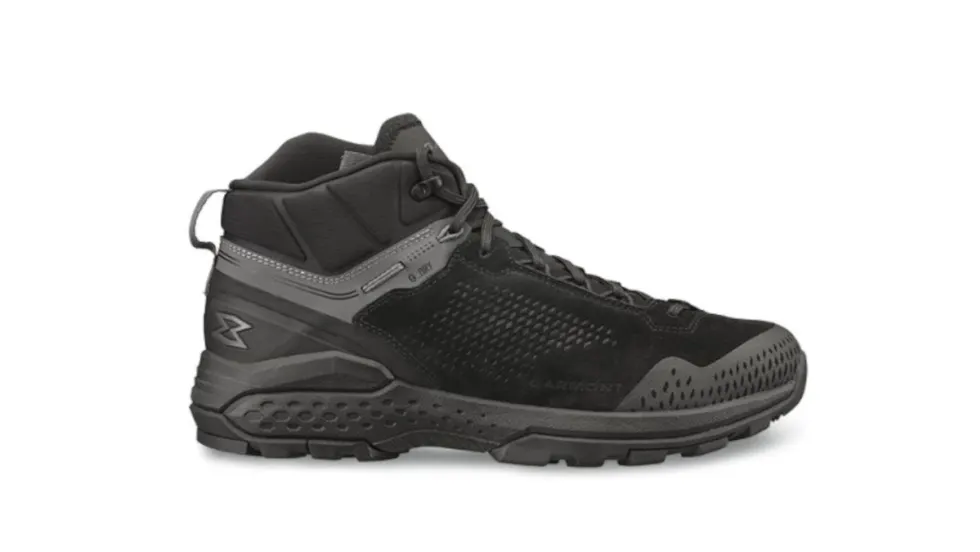
Garmont Working to Grow LE Market Presence
Garmont Tactical has found wide acceptance by military boot buyers, but now the company is trying to better respond to the needs of police officers. Many cops now are not fans of 8-inch boots, so Garmont is adapting.
Read More →
Publisher’s Note: Our Commitment to You
Through our magazine and website and our Police Technology eXchange event, we promise to provide you with information and access to resources to help you do your job safer and better.
Read More →
10 Tips for Responding to Mental Health Crisis Calls
The Harris County Sheriff's Office is a model for other agencies that want to learn about crisis intervention and mental health crisis response. Sgt. Jose Gomez shares the story of their programs and provides 10 tips for mental health crisis call response
Read More →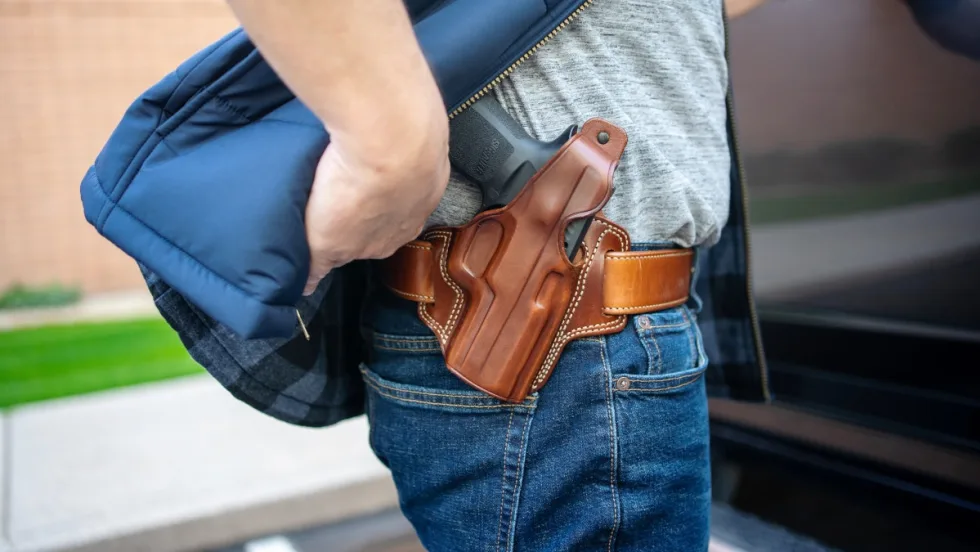
5 Things to Know When Buying Concealed-Carry or Off-Duty Holsters
Mike Barham, of Galco Holsters, shares five important considerations to keep in mind when you buy off-duty concealed or plain-clothes carry holsters.
Read More →
10 Tips for Reviewing Use-of-Force Reports
While the burden of accurately reporting use-of-force situations is on an individual deputy or officer, the person reviewing those reports shares in the responsibility of making sure the reporting is done properly, with clear details included.
Read More →