



The Nightmare Scenario: SWAT vs. Bad Cops
Bad cops, represent a particularly deadly threat to officers who respond to, or investigate, their crimes. I can’t think of many nightmare scenarios worse than confronting an armed, trained good guy gone bad, who knows our tactics.

While Hollywood would have us think otherwise, the overwhelming majority of public safety professionals are dedicated and honorable. Bad cops are the rare exception to the rule.
But they do exist. Recently, a number of violent, deadly crimes in Northeast Ohio have involved police and firefighters as the suspects. The crimes range from rape to murder and resulted in two cops taking their own lives, including one who, when cornered by police after a short pursuit, turned the gun on himself.
Bad cops, represent a particularly deadly threat to officers who respond to, or investigate, their crimes. I can’t think of many nightmare scenarios worse than confronting an armed, trained good guy gone bad, who knows our tactics.
You’re probably wondering what any of this has to do with SWAT because isn’t taking down bad cops a job for Internal Affairs, not SWAT.
You’d be surprised how many times SWAT gets called in on these situation. After all, bad cops are armed and that means there is a strong potential for armed confrontation when they are confronted with their crimes.
Case in point: A number of years ago, an off-duty cop shot and wounded two security guards, then when police and his brother went to his apartment to talk him into surrendering, he responded by shooting at them through his door. SWAT was called out. But the team was ordered by the Chief of Police to “do nothing.” During the next eight hours, this cop turned suspect fired numerous shots at SWAT, hitting the team’s armored vehicle 50 times and narrowly missing two counter snipers.
Eventually, the bad cop set several fires inside his apartment. Only then did the Chief authorize tear gas. But it was too little, too late; the bad cop perished in the fires he set. Making the situation even worse, some SWAT members personally knew their barricaded colleague, yet they had to do their jobs as professionals. You can imagine how wrenching it is to have to do that.
SWAT’s primary mission includes dealing with barricaded subjects, and perhaps the worst-case barricade scenario of all involves good guys gone bad. I know of a barricade that involved a cop who murdered both his family and the family upstairs—seven victims in all. Responding to a disturbance call on a quiet Sunday morning, the first officer on scene was shot and critically wounded without warning. Eventually, tactical officers entered the house and discovered the bodies, including the bad cop who had shot himself.
The lesson here is that any and all confrontations involving good guys gone bad are dangerous. The best, safest way to handle confrontations with good guys gone bad is to treat them the same as you would any armed suspect. Regardless of who the suspect is, adhere to your training and tactics and focus on doing the job. Afterward, conduct as many thorough debriefs as necessary to ensure all team members emerge OK mentally from the trauma of their nightmare confrontation.
Another assignment where SWAT might encounter good guys gone bad is when serving search and arrest warrants. There’s nothing worse than learning the target of the search is one of our own.
The recommendation is to handle this mission the same as other searches and raids, adhering to proven training and tactics. SWAT’s job is to secure the target location, and make it safe for investigators. The involvement of a “good guy” doesn’t change this. But be sure to determine exactly who (preferably Internal Affairs) will deal with the “good guy” after the target is secure.
And team leaders are strongly recommended to take extra measures to brief SWAT personnel due to the added danger presented by a bad cop. Remember, a bad cop has your playbook, and he or she can anticipate your moves.
Experience has shown that bad cops react to SWAT raids the same as all suspects. They run, hide, sometimes they throw away their guns and/or drugs, and sometimes they attempt to take SWAT on.
I had two personal experiences with this. The first was a drug warrant and, when SWAT hit the house, the cop/suspect ran around the basement like a caged tiger and threw her service weapon out of a window before surrendering.
The second involved a decorated ex-cop who was wounded in the line of duty. He then turned criminal, was convicted, sent to prison, and then released. After his stretch in prison, he became a drug dealer. When we hit his house, a number of us recognized him as a former friend, and his look of shame is something none of us will ever forget.
You don’t expect to confront good guys gone bad, and most cops never do. However, it happens and, when it does, the impact is deep and long-lasting.
Good cops gone bad is not something SWAT should be training for but be aware of the possibility that someday you might be facing someone you know. Don’t allow it to interfere with your mission or alter your proven training and tactics, and remember the rule: The mission comes first.
More Blog Posts
Preventing Heat Injury in Police K-9s
In the relentless heat of summer and even early fall in some parts of the country, officers face the important task of protecting their K-9 partners while working in sweltering temperatures. Recognizing changes in a dog’s behavior is the key.
Read More →
Why Your Agency Needs to Attend the ILEETA Conference
ILEETA is a complete resource for trainers to address trainers' needs. Its mission is to enhance the skills and safety of criminal justice practitioners while fostering stronger and safer communities.
Read More →
IACP 2023: New Training Products
Technologies for improving law enforcement training and training management were some of the highlights at this year's show.
Read More →
Initial Results Released from MSP 2024 Police Vehicle Testing
The 2024 pursuit-rated vehicles--all pickup trucks or SUVs, including two battery electric models the Chevrolet Blazer EV AWD and Ford Mustang Mach-E--were put through their paces.
Read More →
Officer Safety Considerations Related to Alternative-Fuel Vehicles
As more alternative-fuel and hybrid vehicles hit the road, police and other first responders need to understand that they are no more dangerous than conventional vehicles. However, there are certain safety considerations every cop should know.
Read More →
Garmont Working to Grow LE Market Presence
Garmont Tactical has found wide acceptance by military boot buyers, but now the company is trying to better respond to the needs of police officers. Many cops now are not fans of 8-inch boots, so Garmont is adapting.
Read More →
Publisher’s Note: Our Commitment to You
Through our magazine and website and our Police Technology eXchange event, we promise to provide you with information and access to resources to help you do your job safer and better.
Read More →
10 Tips for Responding to Mental Health Crisis Calls
The Harris County Sheriff's Office is a model for other agencies that want to learn about crisis intervention and mental health crisis response. Sgt. Jose Gomez shares the story of their programs and provides 10 tips for mental health crisis call response
Read More →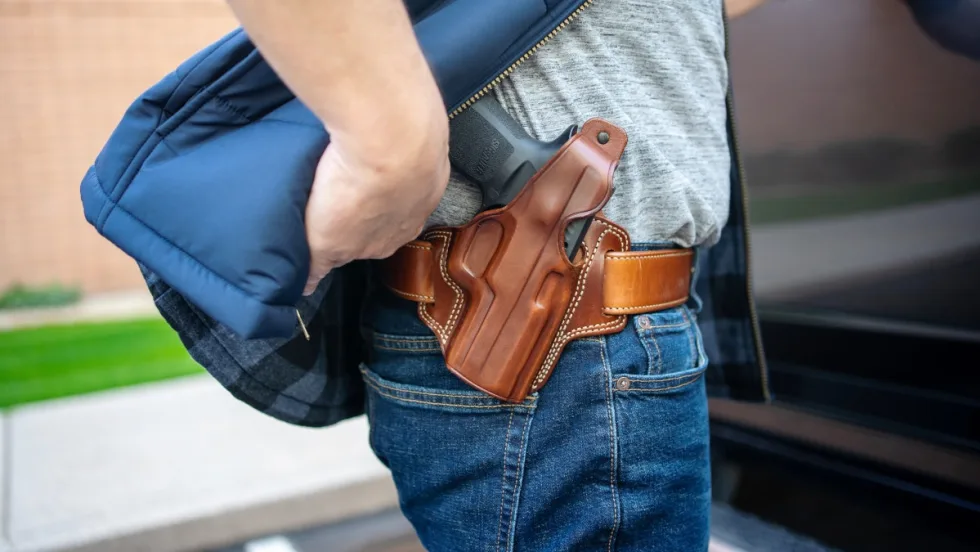
5 Things to Know When Buying Concealed-Carry or Off-Duty Holsters
Mike Barham, of Galco Holsters, shares five important considerations to keep in mind when you buy off-duty concealed or plain-clothes carry holsters.
Read More →
10 Tips for Reviewing Use-of-Force Reports
While the burden of accurately reporting use-of-force situations is on an individual deputy or officer, the person reviewing those reports shares in the responsibility of making sure the reporting is done properly, with clear details included.
Read More →