



Texas DPS Patrol Boats Armed for Cartel Threats
To protect its troopers against Mexican drug cartel soldiers often armed with military-grade weaponry, the Texas Department of Public Safety has outfitted three boats to patrol the U.S. border splitting the Rio Grande River and Falcon Lake.

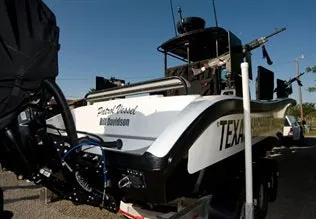
Photo: Texas DPS
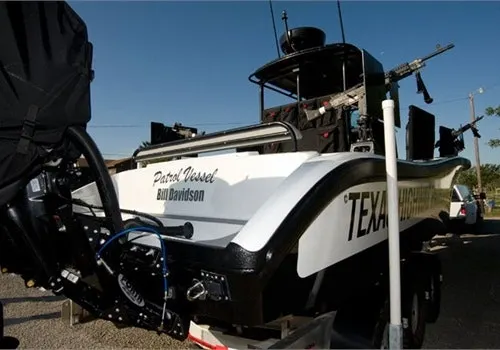
To prepare its troopers for possible engangements with Mexican drug cartel soldiers and their military-grade weaponry, the Texas Department of Public Safety set up a Tactical Marine Unit with three armed vessels to patrol the U.S.-Mexico border splitting the Rio Grande River and Falcon Lake.
In December, Texas DPS commissioned the first boat in the newly formed unit. Additional 34-foot patrol boats were added in March and April to the 40-trooper unit tasked with enforcement on the river and Intracoastal Waterway.
"The Tactical Marine Unit and the patrol vessels represent a significant enhancement of the state's efforts in combating Mexican drug cartels and other criminal organizations that transport illegal drugs into Texas and a variety of weapons, explosives, and munitions out of our state into Mexico," according to a release from the agency. "They will be used to impact so-called splashdowns, where drug smugglers crash their vehicles into the Rio Grande River and transport contraband back into Mexico."
The black-and-white patrol vessels are equipped with fully automatic weapons, ballistic shielding, and night vision capabilities.
Each boat arrives with six FN M240B medium machine guns chambered in 7.62x51mm NATO. Each vessel is powered by three 300-hp outboard motors.
The latest vessel was commissioned on April 11 in Port O'Connor and named in honor of the late trooper Bill Davidson—20 years after he was fatally shot in the line of duty during a traffic stop in Jackson County. The vessel will patrol the Intracoastal Waterway.
The J.D. Davis and the David Rucker vessels were commissioned in December and on March 1 respectively. They now patrol the Rio Grande River. Trooper Davis was shot and killed in Lubbock County in 1980 and Trooper Rucker was shot and killed in Cameron County in 1981.
Funding for the boats came from homeland security grants and the Texas Legislature.
More Blog Posts
Preventing Heat Injury in Police K-9s
In the relentless heat of summer and even early fall in some parts of the country, officers face the important task of protecting their K-9 partners while working in sweltering temperatures. Recognizing changes in a dog’s behavior is the key.
Read More →
Why Your Agency Needs to Attend the ILEETA Conference
ILEETA is a complete resource for trainers to address trainers' needs. Its mission is to enhance the skills and safety of criminal justice practitioners while fostering stronger and safer communities.
Read More →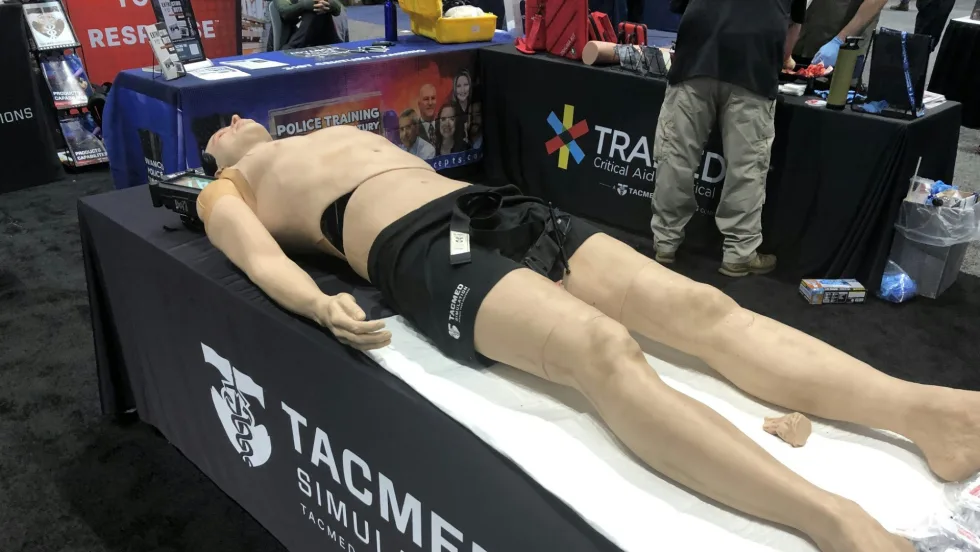
IACP 2023: New Training Products
Technologies for improving law enforcement training and training management were some of the highlights at this year's show.
Read More →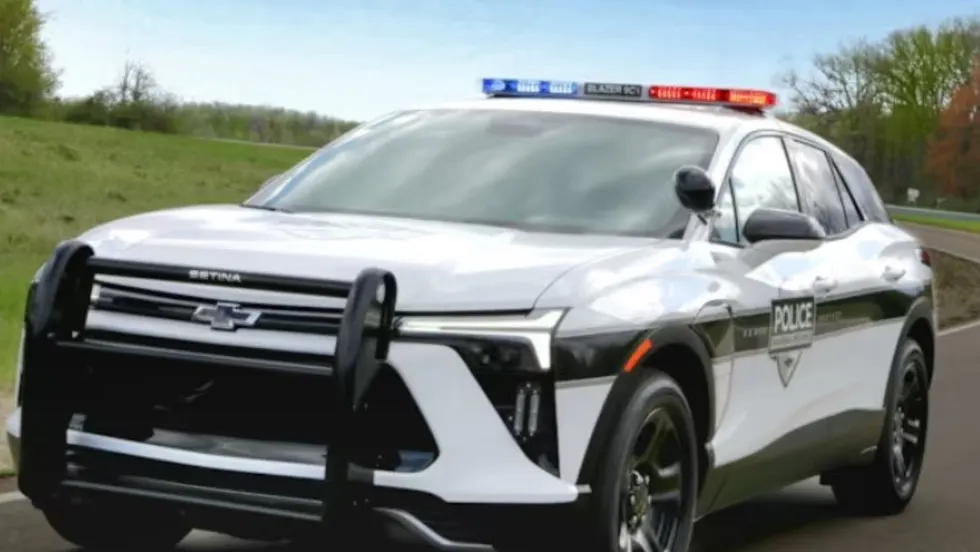
Initial Results Released from MSP 2024 Police Vehicle Testing
The 2024 pursuit-rated vehicles--all pickup trucks or SUVs, including two battery electric models the Chevrolet Blazer EV AWD and Ford Mustang Mach-E--were put through their paces.
Read More →
Officer Safety Considerations Related to Alternative-Fuel Vehicles
As more alternative-fuel and hybrid vehicles hit the road, police and other first responders need to understand that they are no more dangerous than conventional vehicles. However, there are certain safety considerations every cop should know.
Read More →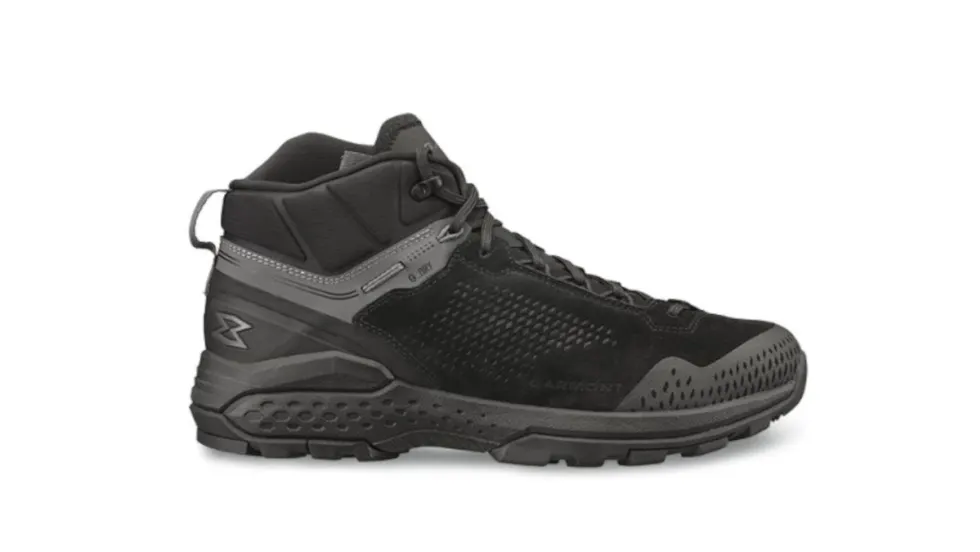
Garmont Working to Grow LE Market Presence
Garmont Tactical has found wide acceptance by military boot buyers, but now the company is trying to better respond to the needs of police officers. Many cops now are not fans of 8-inch boots, so Garmont is adapting.
Read More →
Publisher’s Note: Our Commitment to You
Through our magazine and website and our Police Technology eXchange event, we promise to provide you with information and access to resources to help you do your job safer and better.
Read More →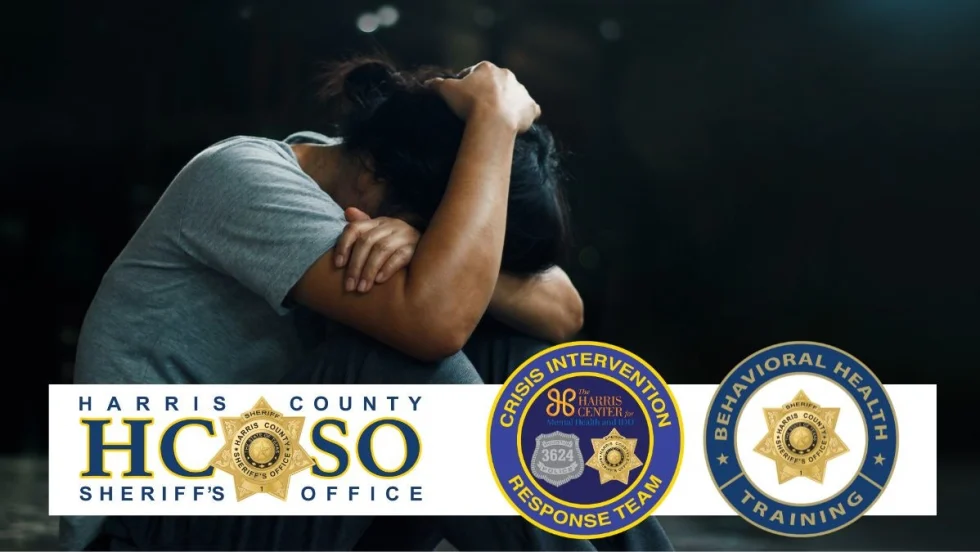
10 Tips for Responding to Mental Health Crisis Calls
The Harris County Sheriff's Office is a model for other agencies that want to learn about crisis intervention and mental health crisis response. Sgt. Jose Gomez shares the story of their programs and provides 10 tips for mental health crisis call response
Read More →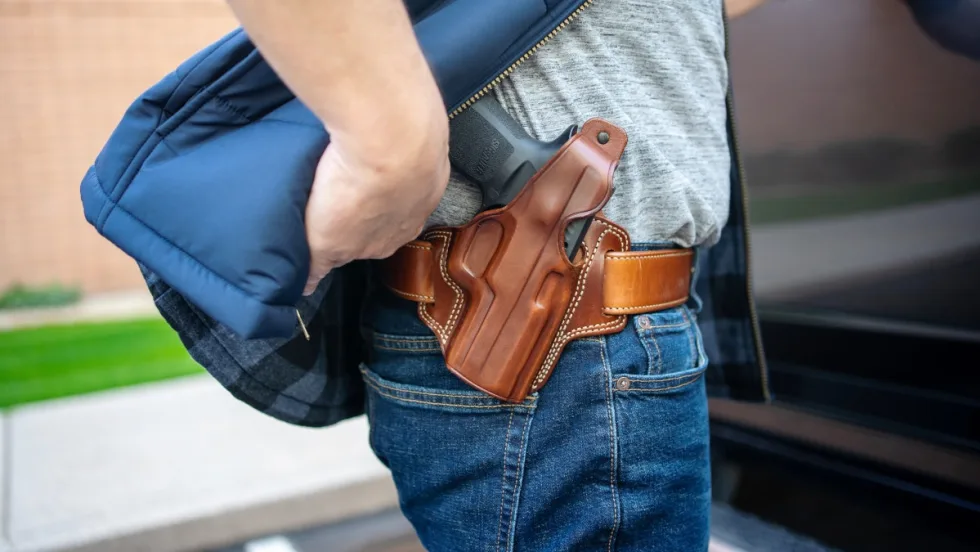
5 Things to Know When Buying Concealed-Carry or Off-Duty Holsters
Mike Barham, of Galco Holsters, shares five important considerations to keep in mind when you buy off-duty concealed or plain-clothes carry holsters.
Read More →
10 Tips for Reviewing Use-of-Force Reports
While the burden of accurately reporting use-of-force situations is on an individual deputy or officer, the person reviewing those reports shares in the responsibility of making sure the reporting is done properly, with clear details included.
Read More →