



Tattoos: The Illustrated Applicant
Today, more and more young men and women are getting inked. Conversely, there is a growing trend with many departments across this nation that have taken stances against visible tattoos on their uniformed officers.

Recently, I was lecturing in a criminology class at a nearby university. After the class, a young man began to chat with me about his employment potential with law enforcement agencies. During our conversation I could not help noticing his body art or tattoos.
Today, more and more young men and women are getting inked. Conversely, there is a growing trend with many departments across this nation that have taken stances against visible tattoos on their uniformed officers. Now you know my dilemma with this conversation.
Pre-employment Decision
If you are seeking employment as a law enforcement officer and are considering a tattoo, stop and think. First of all, do some research and determine if the department(s) you desire to apply with have any tattoo regulations. They may not now, but a nationwide trend is emerging. I belong to IACP.net, which is a subscription service for police executives to share information and research. Just today I performed a policy search for tattoos and there are several model policies now nationwide. The phrase that keeps resurfacing is "no visible tattoos while in uniform."
Thinking back to my inquisitive student, he'd stood because of numerous tattoos on his forearms and neck. Many may say that you could just to wear long sleeves and a tie year round. Wrong! Most agencies have uniform policies that dictate when you will wear short or long sleeves, usually according to the seasons. One solution is purchasing arm sleeves that you match to your skin tone, kinda like a tattoo gauntlet. Word is they can be cumbersome, expensive, and great to meet your prospective in-laws in but not great to live in daily.
If you are pre-service, stop and think about your body art and self-expression desires. Are they needs or wants? Tattoos are still taboo in some segments of society. A few people still find them a turn-off. I know this personally. We still must recognize that police are human service providers and role models to society. Anything that visually states the opposite to some can set you back in their eyes.
So, do not jeopardize your opportunities for employment. Getting in the door can be hard enough as it is.
Life Decisions
Whether or not you go into traditional law enforcement you should think fully about obtaining body art. Get the job, then find out the game rules and the departmental culture. The current chief may not care, but a change in administration and you might be looked at with disdain. Another glaring consideration is to be sure that you are on the "PC path." You could easily get a design that may not mean anything to most but could be considered or misconstrued as politically incorrect. Perform your research and get a second opinion.
We are a society of individuals and that in itself makes life what it is. No one department could stand two Harveys (often one can be enough). Yes, you can express yourself with tattoos, but be aware of the consequences. And just because you observe a veteran officer wearing tattoos, this isn't your open invitation. A no-tattoo rule could be a conditional rule of employment now and the veterans might have been grandfathered in.
No, I am not anti-tattoo, I have some myself. Just fully understand the changing times and enjoy your future in law enforcement.
Train hard, train smart, and pass on the knowledge.
More Blog Posts

Preventing Heat Injury in Police K-9s
In the relentless heat of summer and even early fall in some parts of the country, officers face the important task of protecting their K-9 partners while working in sweltering temperatures. Recognizing changes in a dog’s behavior is the key.
Read More →
Why Your Agency Needs to Attend the ILEETA Conference
ILEETA is a complete resource for trainers to address trainers' needs. Its mission is to enhance the skills and safety of criminal justice practitioners while fostering stronger and safer communities.
Read More →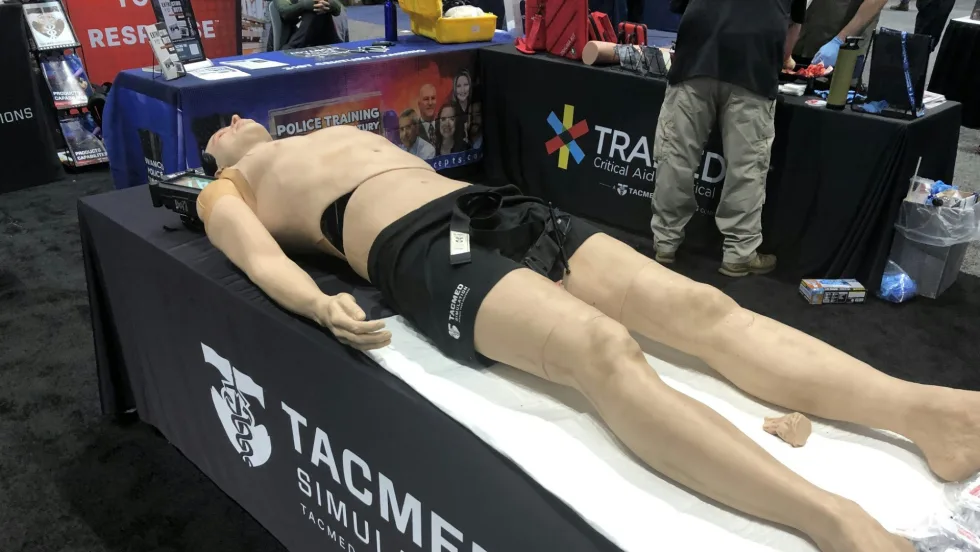
IACP 2023: New Training Products
Technologies for improving law enforcement training and training management were some of the highlights at this year's show.
Read More →
Initial Results Released from MSP 2024 Police Vehicle Testing
The 2024 pursuit-rated vehicles--all pickup trucks or SUVs, including two battery electric models the Chevrolet Blazer EV AWD and Ford Mustang Mach-E--were put through their paces.
Read More →
Officer Safety Considerations Related to Alternative-Fuel Vehicles
As more alternative-fuel and hybrid vehicles hit the road, police and other first responders need to understand that they are no more dangerous than conventional vehicles. However, there are certain safety considerations every cop should know.
Read More →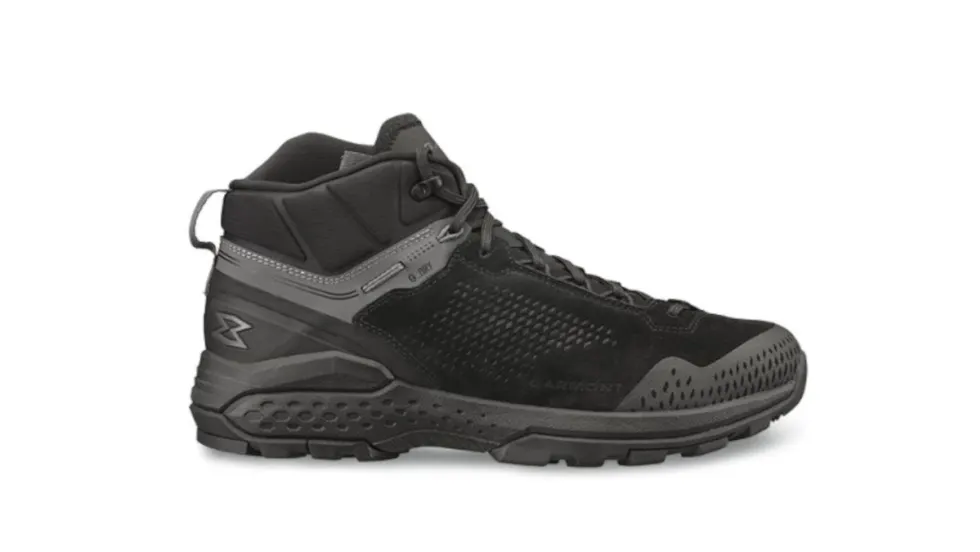
Garmont Working to Grow LE Market Presence
Garmont Tactical has found wide acceptance by military boot buyers, but now the company is trying to better respond to the needs of police officers. Many cops now are not fans of 8-inch boots, so Garmont is adapting.
Read More →
Publisher’s Note: Our Commitment to You
Through our magazine and website and our Police Technology eXchange event, we promise to provide you with information and access to resources to help you do your job safer and better.
Read More →
10 Tips for Responding to Mental Health Crisis Calls
The Harris County Sheriff's Office is a model for other agencies that want to learn about crisis intervention and mental health crisis response. Sgt. Jose Gomez shares the story of their programs and provides 10 tips for mental health crisis call response
Read More →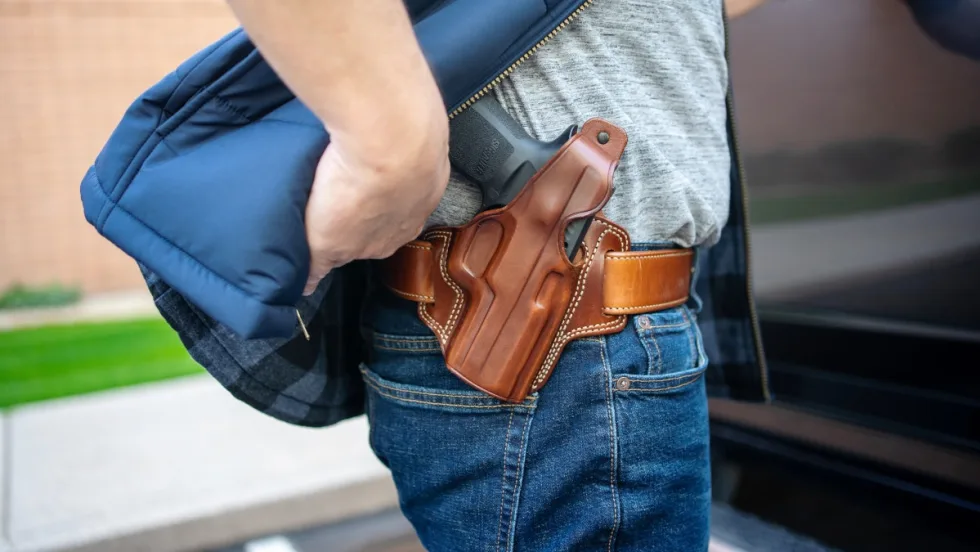
5 Things to Know When Buying Concealed-Carry or Off-Duty Holsters
Mike Barham, of Galco Holsters, shares five important considerations to keep in mind when you buy off-duty concealed or plain-clothes carry holsters.
Read More →
10 Tips for Reviewing Use-of-Force Reports
While the burden of accurately reporting use-of-force situations is on an individual deputy or officer, the person reviewing those reports shares in the responsibility of making sure the reporting is done properly, with clear details included.
Read More →