



Policing Fads
Learn as much as you can from veteran officers and their experiences - both good and bad - about why we now do what we do.

I had a younger officer ask me the other day what era of policing did I enjoy the most? Confused, I inquired what he meant by that statement. I'm not that old am I?
This officer had listened to several of his academy instructors, senior officers, and myself speak of different "eras" and things that happened "back in the day" while training and he wanted some clarification as to what it all means. It seems we as trainers need to rethink our methods to properly communicate the important lessons learned in law enforcement throughout the years.
Policing du Jour
During my career I have witnessed the professional model, which transformed into the community policing/problem-solving model, which turned into Comp-stat policing, and then into counter-terrorism policing. One year we were performing park, walk, and talk to get to know our citizens and the next we were looking for improvised explosive devices (IEDs) under every rock. Years ago we had gangs as the focus, then terrorists, and now back to gangs; it is déjà vu all over again to quote the great Yogi Berra.
From the outside it appears we went through fads, latching onto the police flavor of the month or the topic du jour. What is important to you as young officers is understanding that we learned what we were doing wrong and made nearly battlefield adjustments to make us work and perform more efficiently. When your FTO speaks of elements of the job that are brought from a previous era, it applied then and will often apply today.
Unfortunately, what we as veterans do not do enough is explain what precipitated the need for the new era or change in how we did business.
The most important thing for a new officer to gain from this discussion is that your FTO, academy staff, and commanders have seen vast changes in police work in their careers. Learn as much as you can from them and their experiences - both good and bad - about why we now do what we do.
So what era are you in? I think the 21st Century policing is the most exciting for we are making such headway in what we are doing.
The Force is With You
Just in the area of use of force, we have made great strides. I came on the job with a revolver, a sap, and can of Mace. Now, we have auto pistols, OC spray, electronic control devices, and collapsible batons; add to that advanced training in tactical talking and defensive tactics.
Law enforcement has come a long way. Don't get bogged down in contemplating all of the different eras unless you are writing an historical perspective. What you need to do is know that you have the most trained group around you in the history of the world. They will teach you what they know from their journey, and this will make your journey better. You, the recruits of today, are reaping the benefits of the wisdom gained through several generational transitions. There is no better time to be where you are. Your future looks bright to me. Drive on!
Train hard today. You are tomorrow's leaders.
More Blog Posts
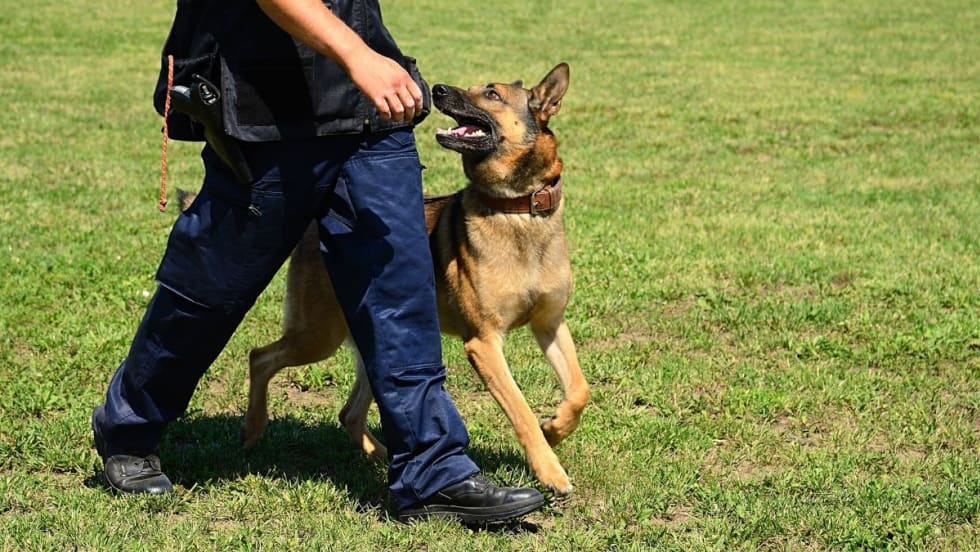
Preventing Heat Injury in Police K-9s
In the relentless heat of summer and even early fall in some parts of the country, officers face the important task of protecting their K-9 partners while working in sweltering temperatures. Recognizing changes in a dog’s behavior is the key.
Read More →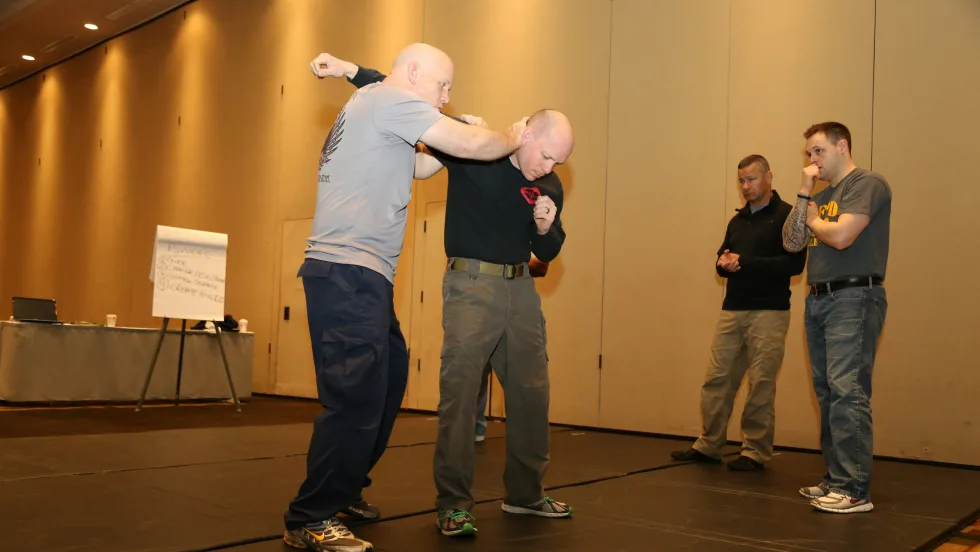
Why Your Agency Needs to Attend the ILEETA Conference
ILEETA is a complete resource for trainers to address trainers' needs. Its mission is to enhance the skills and safety of criminal justice practitioners while fostering stronger and safer communities.
Read More →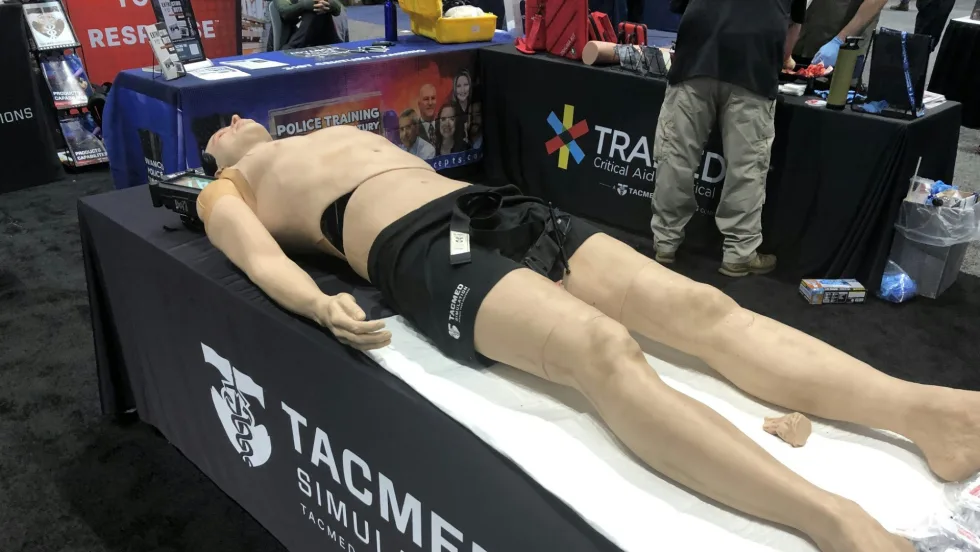
IACP 2023: New Training Products
Technologies for improving law enforcement training and training management were some of the highlights at this year's show.
Read More →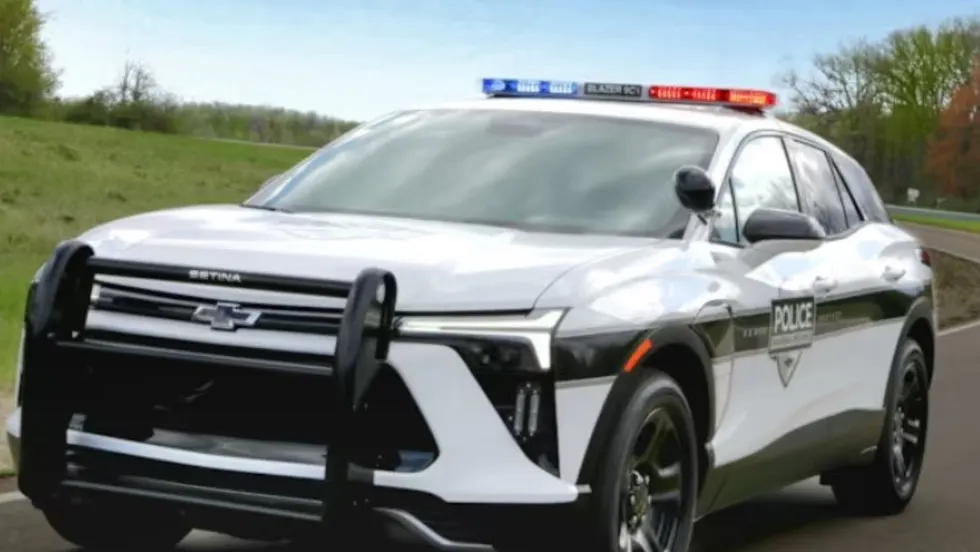
Initial Results Released from MSP 2024 Police Vehicle Testing
The 2024 pursuit-rated vehicles--all pickup trucks or SUVs, including two battery electric models the Chevrolet Blazer EV AWD and Ford Mustang Mach-E--were put through their paces.
Read More →
Officer Safety Considerations Related to Alternative-Fuel Vehicles
As more alternative-fuel and hybrid vehicles hit the road, police and other first responders need to understand that they are no more dangerous than conventional vehicles. However, there are certain safety considerations every cop should know.
Read More →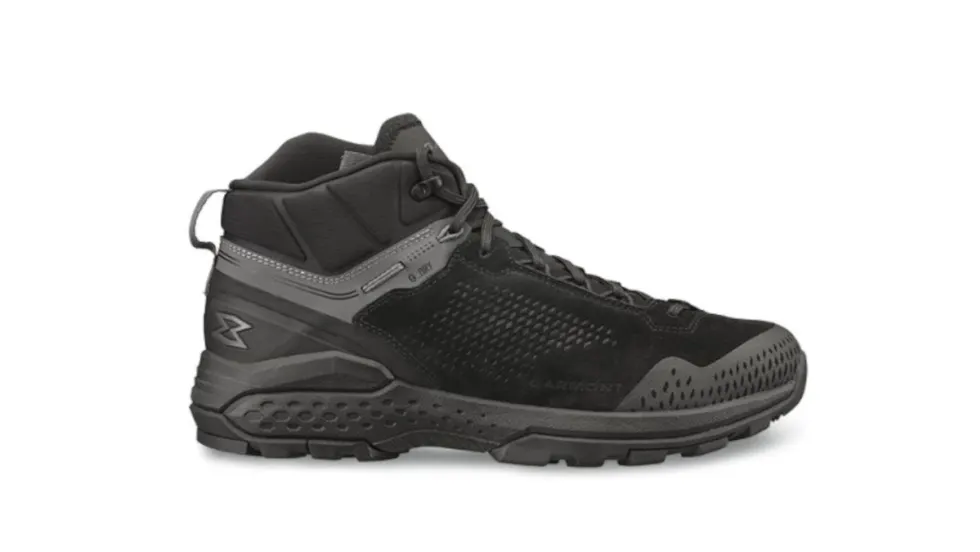
Garmont Working to Grow LE Market Presence
Garmont Tactical has found wide acceptance by military boot buyers, but now the company is trying to better respond to the needs of police officers. Many cops now are not fans of 8-inch boots, so Garmont is adapting.
Read More →
Publisher’s Note: Our Commitment to You
Through our magazine and website and our Police Technology eXchange event, we promise to provide you with information and access to resources to help you do your job safer and better.
Read More →
10 Tips for Responding to Mental Health Crisis Calls
The Harris County Sheriff's Office is a model for other agencies that want to learn about crisis intervention and mental health crisis response. Sgt. Jose Gomez shares the story of their programs and provides 10 tips for mental health crisis call response
Read More →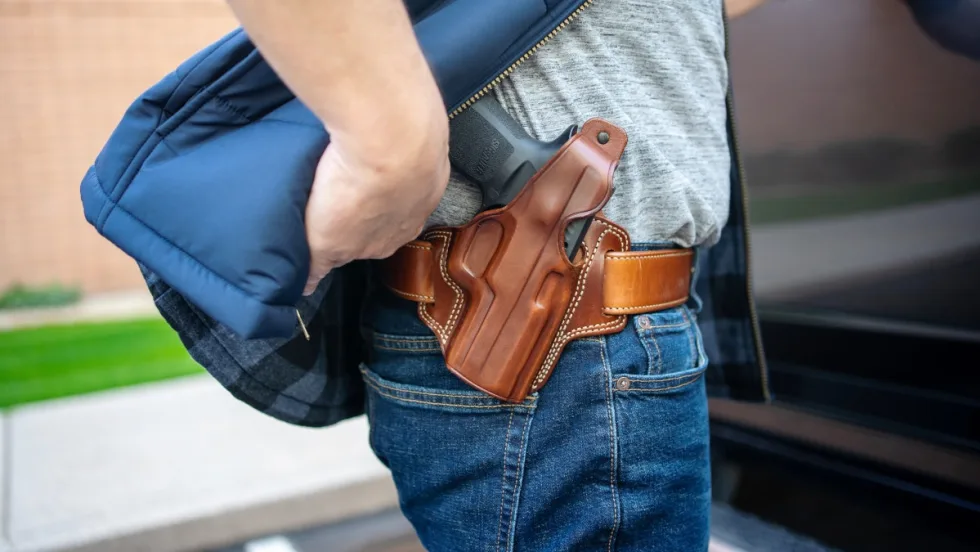
5 Things to Know When Buying Concealed-Carry or Off-Duty Holsters
Mike Barham, of Galco Holsters, shares five important considerations to keep in mind when you buy off-duty concealed or plain-clothes carry holsters.
Read More →
10 Tips for Reviewing Use-of-Force Reports
While the burden of accurately reporting use-of-force situations is on an individual deputy or officer, the person reviewing those reports shares in the responsibility of making sure the reporting is done properly, with clear details included.
Read More →