



Mexican Cartel Violence: None Dare Call It Terrorism
In the last three years, 23,000 people are estimated to have been killed in the Mexican drug gang violence. This daily body count rivals totals from Iraq and Afghanistan, but the U.S. downplays any "cross-border spillover" or homeland security threat. None dare call this terrorism.

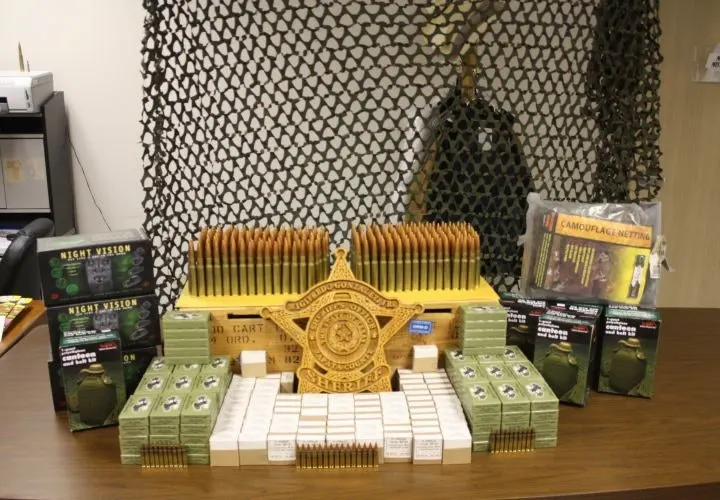
In a recent seizure, Zapata County Sheriff deputies confiscated 3,500 AK-47 rounds and 320 military issue .50 caliber machine-gun rounds. Photo courtesy of Richard Valdemar.
Terrorist: One that engages in acts or an act of terrorism. An individual who uses violence, terror, and intimidation to achieve a result. — Dictionary of Military and Associated Terms, U.S. Department of Defense, 2005.
On June 15 (a Tuesday), authorities reported that rival Mexican drug cartel clashes in prison had resulted in 28 casualties. On the same day, a police convoy travelling from Zitacuaro to Mexico City was ambushed. Ten police officers were killed along with several of the ambushers. Like the Viet Cong guerrillas, the ambushers carried away their dead and wounded. Two more police officers would die of their wounds in the hospital.
In Chihuahua, Chihuahua, in the center of the state capitol, a firefight between police officers and cartel gunmen left three officers dead and one seriously wounded.
Although the 43 killings in one day were unprecedented, 39 victims were murdered across Mexico the prior Friday. Of these, 19 were murdered at a drug rehab center and 20 in separate shootings in Tamaulipas.
The police-convoy ambush occurred in the home state of the Mexican President Felipe Calderon (Michoacán)—the same place Calderon launched his war on the drug cartels in December of 2006. In addition to local, state and federal police forces, he deployed 50,000 Mexican federal troops against the drug gangs.
Long a center for drug smuggling, Michoacán is also headquarters for the La Familia Cartel. Last July, this gang killed 16 police officers. In another recent incident, the gang kidnapped 12 federal police officers. The 12 decapitated bodies were later dumped along a busy highway.
The state of Sinaloa, the home of Joaquin "El Chapo" Guzman and the notorious Sinaloa Cartel, is also the location of the Mazatlan Prison where the 28 inmates were killed. The Mexican press reported about the numerous cartel members housed in this prison. These Special Forces-trained cartel members had recently demanded to be transferred.
In the last three years, 23,000 people are estimated to have been killed in the Mexican drug gang violence. This daily body count rivals totals from Iraq and Afghanistan, but the U.S. downplays any "cross-border spillover" or homeland security threat. None dare call this terrorism.
Perhaps Mexican body count statistics are not sufficient to convince some that the drug cartels fit the definition of terrorists. Let's take a trip to Zapata County, Texas.[PAGEBREAK]
In the happier 1950s, a dam was built on the Rio Grande River, creating a 99,000-acre reservoir stretching more than 60 miles along the international border. The man-made lake was named the International Falcon Reservoir. Both Mexican and American citizens benefit from the flood control, irrigation, water, power and recreation the lake provides. Falcon Lake is famous for the monster bass that abound in its waters. Stretching across the lake is the international boundary marked by a series of 14 large concrete beacons, but fisherman from both countries often would venture across the line to seek more and bigger fish.
More recently tons of marijuana and other drugs have been intercepted by U.S. law enforcement crossing Falcon Lake. Last year, the Border Patrol seized 18,000 pounds of weed valued at over $14 million. This makes Falcon Lake a valuable smugglers' route, valuable enough to go to war over.
Zapata County Sheriff Sigi Gonzales has done more than his part in leading his deputies in attempting to police this border territory. In March of this year, when he began to get reports of Russian helicopters flying over his county, he was doubtful. Soon he was provided with close-up digital photographs of a Russian chopper flying at treetop level. Sheriff Gonzales contacted the surrounding military and civilian airports and radar stations in an attempt to confirm the Russian chopper sightings.
Much like someone trying to report a flying saucer sighting, he got mocking denial. "But maybe it was flying below your radar," he reasoned. He eventually showed them the photographs. Nobody would acknowledge or even treat seriously his reports. Because of the markings seen by eyewitnesses, they believe this was a Russian chopper flown by the Mexican Navy.
The coast of Africa is not the only body of water plagued by pirates. On Lake Falcon, black clad Mexican pirates armed with fully auto assault rifles utilize high powered bass boats, as well as captured skiffs and motor boats to board U.S. and Mexican boats and extort fishermen. Sometimes the pirates claim they are Federales (Federal Police) but some have been seen wearing a large "Z" tattooed on their arms or necks. The Z is the radio call sign for the bloodthirsty Los Zetas Cartel.
Zapata County and Falcon Lake have become a war zone for fighting between the Gulf Cartel drug gang and the Zetas Cartel gang. Recently leaflets printed by the cartels warned the Mexican residence to evacuate the combat area surrounding Falcon Lake.
Sheriff Sigi Gonzales obtained reliable intelligence that members of the Zeta and their trainees, the Zetitas (Little Zetas), were plotting to blow up the Falcon Lake dam in order to flood the surrounding area. A small stash of dynamite was discovered near the dam. The motive of the gang wasn't to kill thousands of citizens; if it was, why did the cartel circulate printed warnings? It was an attempt to exact revenge against its rival Gulf Cartel and to deny the lucrative smuggling route to their enemies.
Can you imagine the collateral damage? If this plot had been successful, it would have been a much more effective "terrorist incident" than the May 1 car bomb attempt in New York's Times Square.
In a recent seizure, Sheriff Sigi Gonzales' deputies confiscated 3,500 AK-47 rounds and 320 military issue .50 caliber machine-gun rounds. I wonder what the Mexican drug cartel's plan might have been for using this much ammo. President Obama has now ordered 1,200 National Guard troops to the region.
It's time we start calling these drug cartel gangs terrorists.
More Blog Posts
Preventing Heat Injury in Police K-9s
In the relentless heat of summer and even early fall in some parts of the country, officers face the important task of protecting their K-9 partners while working in sweltering temperatures. Recognizing changes in a dog’s behavior is the key.
Read More →
Why Your Agency Needs to Attend the ILEETA Conference
ILEETA is a complete resource for trainers to address trainers' needs. Its mission is to enhance the skills and safety of criminal justice practitioners while fostering stronger and safer communities.
Read More →
IACP 2023: New Training Products
Technologies for improving law enforcement training and training management were some of the highlights at this year's show.
Read More →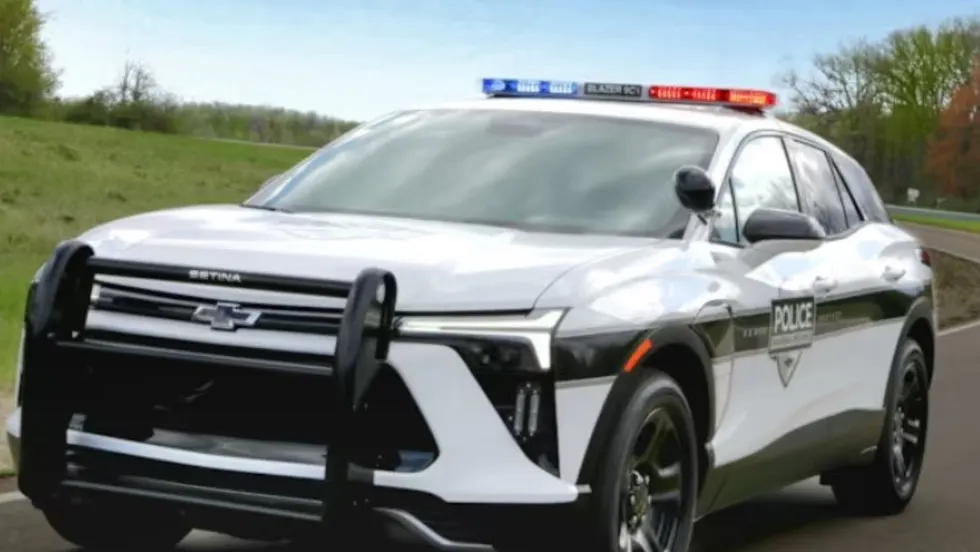
Initial Results Released from MSP 2024 Police Vehicle Testing
The 2024 pursuit-rated vehicles--all pickup trucks or SUVs, including two battery electric models the Chevrolet Blazer EV AWD and Ford Mustang Mach-E--were put through their paces.
Read More →
Officer Safety Considerations Related to Alternative-Fuel Vehicles
As more alternative-fuel and hybrid vehicles hit the road, police and other first responders need to understand that they are no more dangerous than conventional vehicles. However, there are certain safety considerations every cop should know.
Read More →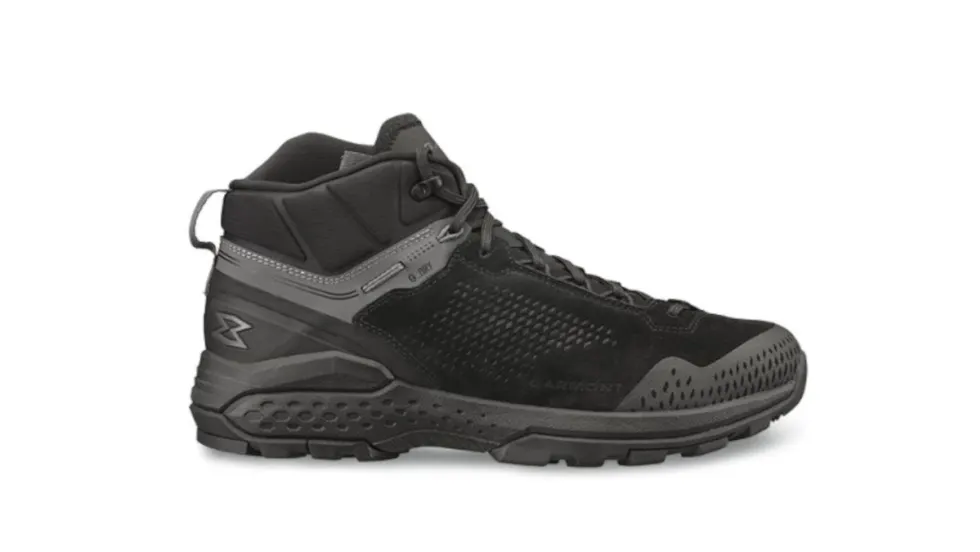
Garmont Working to Grow LE Market Presence
Garmont Tactical has found wide acceptance by military boot buyers, but now the company is trying to better respond to the needs of police officers. Many cops now are not fans of 8-inch boots, so Garmont is adapting.
Read More →
Publisher’s Note: Our Commitment to You
Through our magazine and website and our Police Technology eXchange event, we promise to provide you with information and access to resources to help you do your job safer and better.
Read More →
10 Tips for Responding to Mental Health Crisis Calls
The Harris County Sheriff's Office is a model for other agencies that want to learn about crisis intervention and mental health crisis response. Sgt. Jose Gomez shares the story of their programs and provides 10 tips for mental health crisis call response
Read More →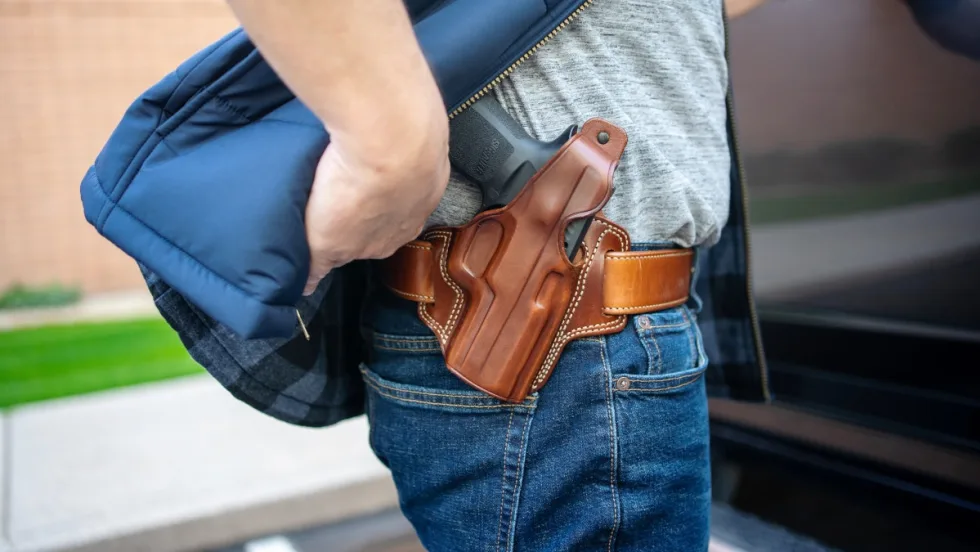
5 Things to Know When Buying Concealed-Carry or Off-Duty Holsters
Mike Barham, of Galco Holsters, shares five important considerations to keep in mind when you buy off-duty concealed or plain-clothes carry holsters.
Read More →
10 Tips for Reviewing Use-of-Force Reports
While the burden of accurately reporting use-of-force situations is on an individual deputy or officer, the person reviewing those reports shares in the responsibility of making sure the reporting is done properly, with clear details included.
Read More →