



Know Your Recruit
If you find yourself in the role of Field Training Officer (FTO) or occasional trainer, please make an effort to understand the background of your recruits. For the one-on-one trainer, try to grasp the knowledge, skills, and abilities of your trainee. If both of you do this, you'll save yourself wasted time, aggravation, ruffled student, egos and probably maximize valuable training time.

If you find yourself in the role of Field Training Officer (FTO) or occasional trainer, please make an effort to understand the background of your recruits. For the one-on-one trainer, try to grasp the knowledge, skills, and abilities of your trainee. If both of you do this, you'll save yourself wasted time, aggravation, ruffled student egos, and probably maximize valuable training time.
One of the first things an exceptional FTO does is get to know his or her recruits. Learn what they bring to the table and what makes them tick. I once had a recruit come to me (as the training director) about a training issue. The field training recruit was a state-certified paramedic who wanted to become a police officer. He was confused as to why he had to take CPR and other rudimentary first-aid training in the academy and FTO program. Once I explained the state requirements, challenge to performance exams, and so forth, he was fine with the process.
This recruit had marketable, certified training, and we adjusted his training schedule to give him more time to work on other performance objectives in the field training. If the FTO had not found out about this, the trainer and trainee would have wasted their breath, time, and energy.
The numerous combat veterans returning to the workforce also possess many skills that can transfer to their training. Not everything we do is combat-zone applicable, but many experiences count. If you know that he is a veteran, ask about his military occupation specialty, training, and true life experiences that he brings to the table. This may require less in some training areas and more in others. Be open and frank in this dialogue.
Try to find out your recruits' hobbies and interests. These will often bring in training ties or common ground analogies for lectures. The classic is the softball player who is pensive with a police baton (straight or collapsible). She's not delivering a fluid transmission of energy to and through the target area. You can draw the comparison about swinging for the fence with a softball bat and tell her to swing the baton as if she were swinging through the ball.
Other interests can present a training dilemma. I had several young men with higher degrees of martial-arts belts. This intimidated the defensive tactics instructor somewhat, but we had to correct areas where they excelled. Many of the moves and countermoves they knew could not be used in police work. Yes, the "do this rather than getting injured or killed" scenario came up. For a possible legal defense, you must be able to articulate the use of the move in a police report to balance with policy.
Will you ever know all there is to know about your recruit? Probably not. Is being an FTO still a tough job? You bet. Visit the academy to talk with trainers. Spend some time at break over coffee to learn about them, and then apply what you can to make the next generation even better.
More Blog Posts
Preventing Heat Injury in Police K-9s
In the relentless heat of summer and even early fall in some parts of the country, officers face the important task of protecting their K-9 partners while working in sweltering temperatures. Recognizing changes in a dog’s behavior is the key.
Read More →
Why Your Agency Needs to Attend the ILEETA Conference
ILEETA is a complete resource for trainers to address trainers' needs. Its mission is to enhance the skills and safety of criminal justice practitioners while fostering stronger and safer communities.
Read More →
IACP 2023: New Training Products
Technologies for improving law enforcement training and training management were some of the highlights at this year's show.
Read More →
Initial Results Released from MSP 2024 Police Vehicle Testing
The 2024 pursuit-rated vehicles--all pickup trucks or SUVs, including two battery electric models the Chevrolet Blazer EV AWD and Ford Mustang Mach-E--were put through their paces.
Read More →
Officer Safety Considerations Related to Alternative-Fuel Vehicles
As more alternative-fuel and hybrid vehicles hit the road, police and other first responders need to understand that they are no more dangerous than conventional vehicles. However, there are certain safety considerations every cop should know.
Read More →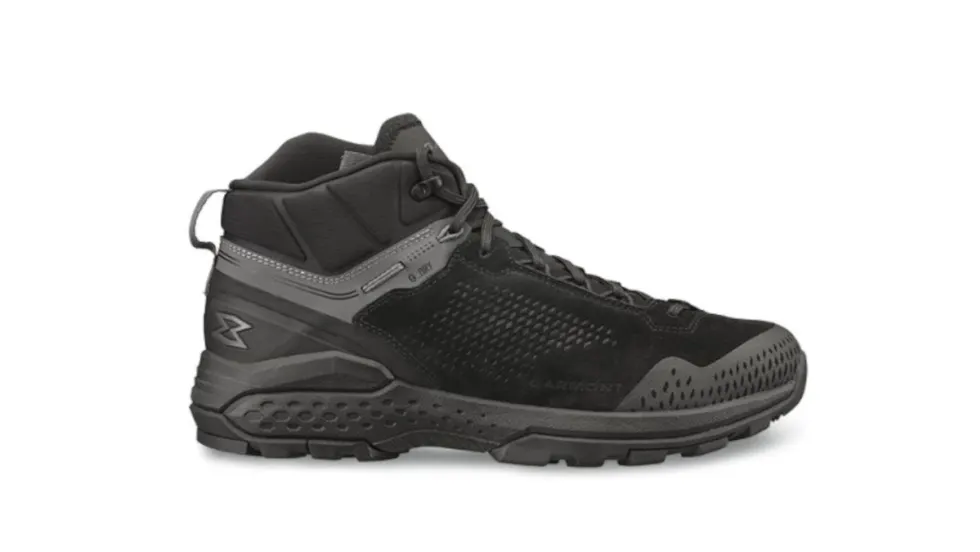
Garmont Working to Grow LE Market Presence
Garmont Tactical has found wide acceptance by military boot buyers, but now the company is trying to better respond to the needs of police officers. Many cops now are not fans of 8-inch boots, so Garmont is adapting.
Read More →
Publisher’s Note: Our Commitment to You
Through our magazine and website and our Police Technology eXchange event, we promise to provide you with information and access to resources to help you do your job safer and better.
Read More →
10 Tips for Responding to Mental Health Crisis Calls
The Harris County Sheriff's Office is a model for other agencies that want to learn about crisis intervention and mental health crisis response. Sgt. Jose Gomez shares the story of their programs and provides 10 tips for mental health crisis call response
Read More →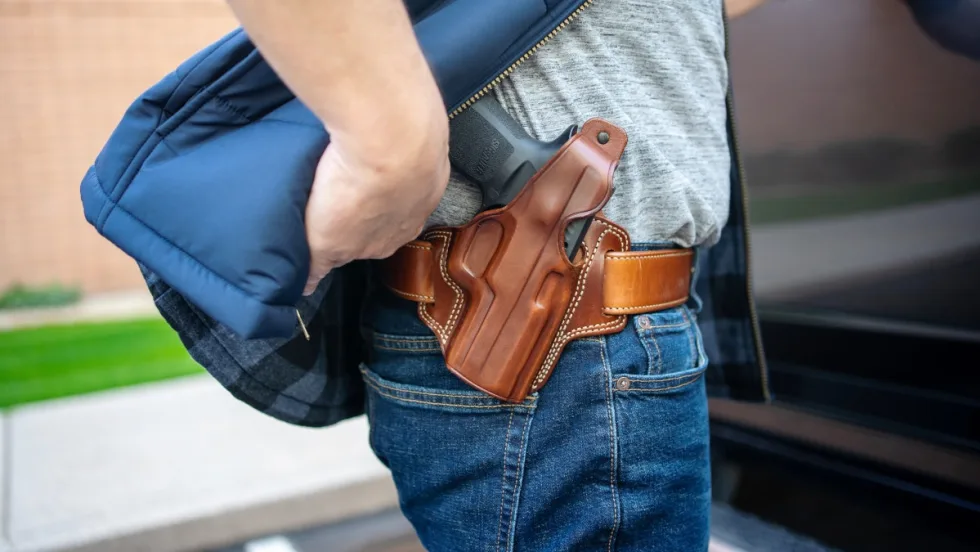
5 Things to Know When Buying Concealed-Carry or Off-Duty Holsters
Mike Barham, of Galco Holsters, shares five important considerations to keep in mind when you buy off-duty concealed or plain-clothes carry holsters.
Read More →
10 Tips for Reviewing Use-of-Force Reports
While the burden of accurately reporting use-of-force situations is on an individual deputy or officer, the person reviewing those reports shares in the responsibility of making sure the reporting is done properly, with clear details included.
Read More →