



Know Your Limitations
One of my former defensive tactics instructors taught me a valuable lesson about sizing up an opponent. He asked me if I had ever seen a Japanese tea cup and what is different about it?

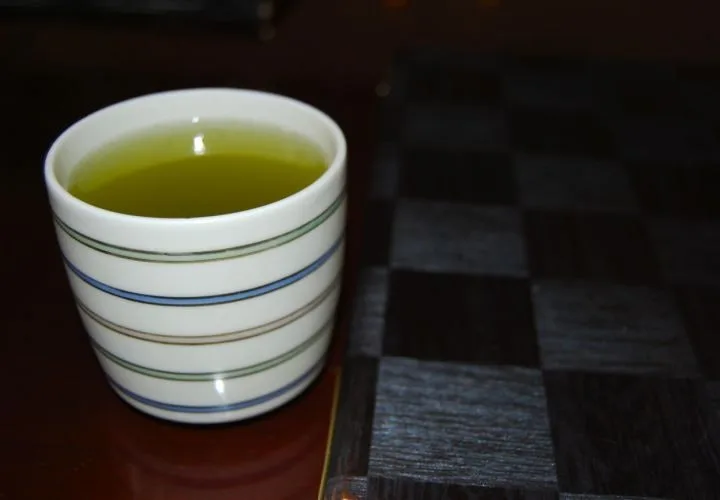
Japanese tea cup. Photo via Flickr.com (angelcandy.baby).
I've overheard a few young officers having the tête-à-tête that usually begins with, "if that happens to me, I would"…
These conversations usually occur in parking lots, locker rooms, gyms and wherever else young cops talk. They are full of macho, bravado, and much Bravo Sierra. To me, it sounded like the opening dialogue (smack talk) of professional wrestling. In all of this mix, there is a valuable lesson to be learned.
One of my former defensive tactics instructors taught me a valuable lesson about sizing up an opponent. He asked me if I had ever seen a Japanese tea cup and what is different about it? I told him that it had no handles; it had to be cradled in the hands to drink from it. Yes, but what does this tell you about a confrontation? I was clueless.
Tea that is too hot to drink is too hot to handle, he told me without a smile. One must size up the confrontation and determine if you can handle it singlehanded with your current knowledge, skills and abilities.
This sage advice should be given to our youngest officers. Many feel that it may be a weakness to call for a cover officer. The FTO may have told you about officers who prided themselves in having never called for a back-up. This is the foolhardy bravery that will make you a statistic; you'll risk it all responding to this soirée. What is the best methodology to respond to an overwhelming opponent? Can you make the hard decisions?
Recall the 3C's that are taught in the academy—contain, control and communicate. I don't know who developed this. I have seen its effectiveness many times over.
Here it is in a nutshell:
Contain the situation from getting worse or going mobile. And contain your emotions and fears.
Control the scene from getting larger. Control your fears and stay focused. Take control of the radio and find cover. Ask for assistance and give responding units a size-up. You control the response and probably the demeanor of the situation for the most part.
Communicate to all involved and use your calming techniques. I call it tactical talking. Keep communication lines open; you may have to negotiate rather than engage. What's very important here is that you communicate with yourself. Positive self-talk is important to keep your heartbeat and breathing under control, your emotions in check and energy focused. I keep hearing about surviving; it's all about winning to me.
What if you have to disengage, call for back-up and engage again? It may be far healthier and less trips to the trauma center. Cops respect smart cops who know how to win without drama or unnecessary risks.
Sure, cops embrace a challenge and don't like wimps. However, you must learn that there are real consequences in the street. Locker-room banter and after-hours social bragging sounds cool, but the reality is you need to go home in one piece without scars, stitches or broken bones.
I want you to win with your head, so we can keep names off the wall. Now, go look for a cup of tea.
More Blog Posts
Preventing Heat Injury in Police K-9s
In the relentless heat of summer and even early fall in some parts of the country, officers face the important task of protecting their K-9 partners while working in sweltering temperatures. Recognizing changes in a dog’s behavior is the key.
Read More →
Why Your Agency Needs to Attend the ILEETA Conference
ILEETA is a complete resource for trainers to address trainers' needs. Its mission is to enhance the skills and safety of criminal justice practitioners while fostering stronger and safer communities.
Read More →
IACP 2023: New Training Products
Technologies for improving law enforcement training and training management were some of the highlights at this year's show.
Read More →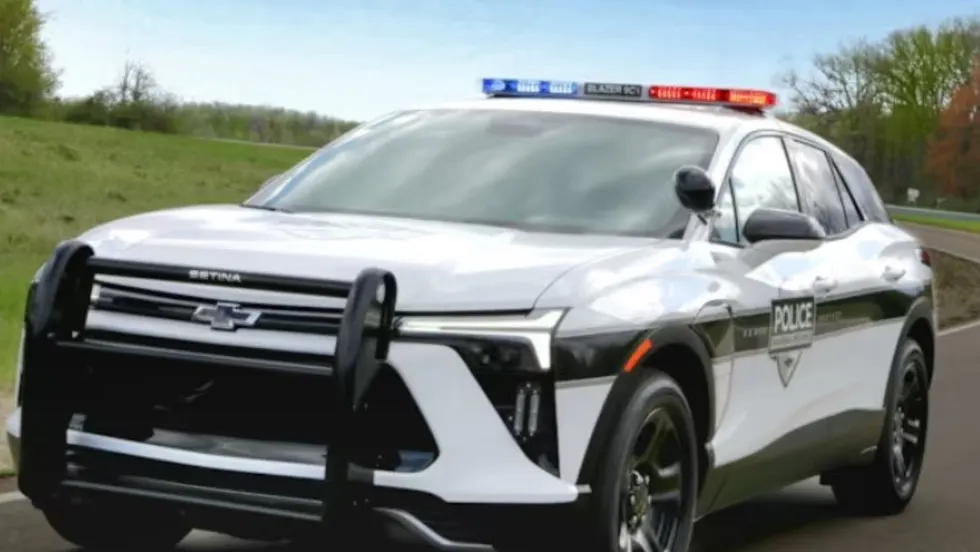
Initial Results Released from MSP 2024 Police Vehicle Testing
The 2024 pursuit-rated vehicles--all pickup trucks or SUVs, including two battery electric models the Chevrolet Blazer EV AWD and Ford Mustang Mach-E--were put through their paces.
Read More →
Officer Safety Considerations Related to Alternative-Fuel Vehicles
As more alternative-fuel and hybrid vehicles hit the road, police and other first responders need to understand that they are no more dangerous than conventional vehicles. However, there are certain safety considerations every cop should know.
Read More →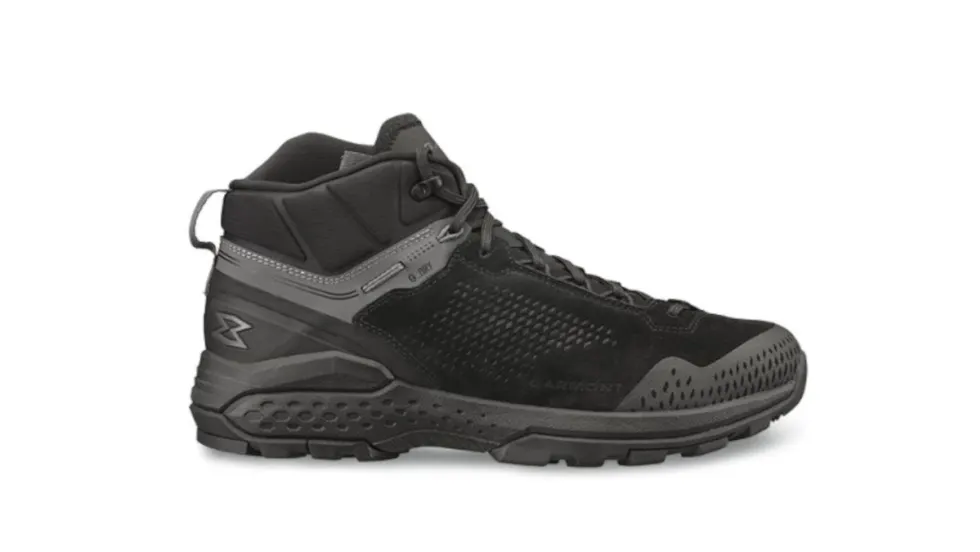
Garmont Working to Grow LE Market Presence
Garmont Tactical has found wide acceptance by military boot buyers, but now the company is trying to better respond to the needs of police officers. Many cops now are not fans of 8-inch boots, so Garmont is adapting.
Read More →
Publisher’s Note: Our Commitment to You
Through our magazine and website and our Police Technology eXchange event, we promise to provide you with information and access to resources to help you do your job safer and better.
Read More →
10 Tips for Responding to Mental Health Crisis Calls
The Harris County Sheriff's Office is a model for other agencies that want to learn about crisis intervention and mental health crisis response. Sgt. Jose Gomez shares the story of their programs and provides 10 tips for mental health crisis call response
Read More →
5 Things to Know When Buying Concealed-Carry or Off-Duty Holsters
Mike Barham, of Galco Holsters, shares five important considerations to keep in mind when you buy off-duty concealed or plain-clothes carry holsters.
Read More →
10 Tips for Reviewing Use-of-Force Reports
While the burden of accurately reporting use-of-force situations is on an individual deputy or officer, the person reviewing those reports shares in the responsibility of making sure the reporting is done properly, with clear details included.
Read More →