



Friendly Fire: Operational Considerations
Operational friendly fire erupts suddenly without warning, and once bullets start flying, it's too late. In the old days, before we were trained with "finger OFF the trigger" unless you're shooting, virtually all LEOs had their finger ON the trigger when they had their guns out.

We've seen a dramatic reduction in SWAT training deaths, partly due to the intense, educational campaign by the National Tactical Officers Association (NTOA) to eliminate them.
The same successful NTOA approach can also be applied to friendly fire operational tragedies. In order to prevent these, we need to realize it can happen to even the best trained, most experienced teams and officers.
Operational friendly fire erupts suddenly without warning, and once bullets start flying, it's too late. In the old days, before we were trained with "finger OFF the trigger" unless you're shooting, virtually all LEOs had their finger ON the trigger when they had their guns out.
A saving grace in the old days was always keeping barrels pointed either up (long guns) or down (handguns), except when actually engaging a target or suspect. It's a miracle more LEOs weren't shot by friendly fire back then. I suspect the number of reported accidental discharges were far more than those reported.
Anyone in LE during the transition years of the 1980s — from finger ON to OFF the trigger — remembers how difficult transitioning was for many officers. And some never were able to keep their finger off the trigger.
Today virtually all LEOs are trained from the beginning to keep their finger OFF the trigger, except when actually engaging a target. And crossfire awareness/avoidance training is emphasized for all levels of LE, especially the best trained, proficient, disciplined of all LEOs, SWAT officers.
The bad news is operational friendly fire SWAT tragedies can, and do, happen. Let's take a look at some of them:
Maryland: During a search-warrant entry, a SWAT officer was shot (in the head) and killed as he stood up by a fellow SWAT member who thought they were under fire.
Ohio: Two tactical officers were shot and wounded by a detective who tried to "help" them kick open a door, while holding a shotgun and accidentally pulling the trigger.
Oregon: A SWAT sergeant was shot by a SWAT sniper who mistook the officer for the suspect.
Texas: A narcotics officer was shot and killed during a search warrant by a fellow officer who mistook him for a suspect.
Ohio: A SWAT officer was shot and wounded during a search-warrant entry by a fellow SWAT officer from different SWAT team. This was the first time the two teams had deployed together.
Texas: An officer was shot and killed during a search warrant as he attempted to assist the tactical team who didn't recognize him as LE.
Louisiana: A lieutenant was shot and killed by a fellow officer during a drug arrest, accidentally by another officer while attempting to subdue a combative suspect.
Ohio: A narcotics detective was shot and wounded by a fellow detective during a buy bust as officers surrounded the suspect's vehicle.
New York: A SWAT officer was shot (in the head) and killed by a fellow SWAT officer during a shootout with a suspect wanted for shooting another officer. The suspect was also killed.
California: A SWAT sergeant was shot and killed by another SWAT officer during a search warrant. He was mistaken for the suspect.
Ohio: A federal LEO accidentally shot and wounded himself—he blew out an inch of his femur—as he attempted to get out of his vehicle with a gun in hand.
What can, and should, SWAT do about reducing and eradicating operational friendly fire tragedies?
Start by researching operational friendly fire tragedies. Learn all you can about how they happened, lessons learned, and what was done to prevent future similar tragedies.
Develop and incorporate scenario-based FTXs based on real-life incidents. Conduct multiple force-on-force FTXs to include briefings, exercises, and critiques. The more hands-on FTXs, the better.
Assign a monitor to observe individual and team tactics, including movement, spacing, cover, weapons/equipment discipline, noise, flow, approach, departure, entry, and search techniques.
Try to conduct as many FTXs as possible, which means keeping the scenarios, briefings and critiques as brief as possible and practical. You should also try to record on video all FTXs and use whatever electronic recording devices you have (including helmet cams).
After completing all FTXs, the monitor should conduct a full debrief/critique with all team personnel. As with a football coach, the monitor needs to review the game tape. If a picture is worth 1,000 words, then a video is worth 10,000.
Immediately correct behavior that may cause danger during a real-world operation. Training is meant to teach and correct — to eliminate mistakes BEFORE they happen operationally.
Next, take a long, hard look at everything your team does, especially during real operations. Where are officers pointing weapons? Is someone "zigging" when he should be "zagging"? Is your spacing (especially while in the stack) safe? How about your movement, especially with loaded weapons?
SWAT officers know how to avoid crossfire. But what happens when the suspect(s) moves? And what started out as placing the suspect in the apex of the "L," now becomes a crossfire situation, because the suspect moved?
Despite our training, knowledge, and discipline, crossfire situations still happen. Know what to do and where to move if you discover you're in a potential crossfire position.
SWAT incidents are especially fluid, and can easily change suddenly. Consequently, we must always prepare for the unexpected. When we go operational, the last thing in the world we expect is for "friendly fire" to occur.
In my book, an ounce of prevention is always better than a pound of cure, especially when it comes to friendly fire.
Related:
More Blog Posts
Preventing Heat Injury in Police K-9s
In the relentless heat of summer and even early fall in some parts of the country, officers face the important task of protecting their K-9 partners while working in sweltering temperatures. Recognizing changes in a dog’s behavior is the key.
Read More →
Why Your Agency Needs to Attend the ILEETA Conference
ILEETA is a complete resource for trainers to address trainers' needs. Its mission is to enhance the skills and safety of criminal justice practitioners while fostering stronger and safer communities.
Read More →
IACP 2023: New Training Products
Technologies for improving law enforcement training and training management were some of the highlights at this year's show.
Read More →
Initial Results Released from MSP 2024 Police Vehicle Testing
The 2024 pursuit-rated vehicles--all pickup trucks or SUVs, including two battery electric models the Chevrolet Blazer EV AWD and Ford Mustang Mach-E--were put through their paces.
Read More →
Officer Safety Considerations Related to Alternative-Fuel Vehicles
As more alternative-fuel and hybrid vehicles hit the road, police and other first responders need to understand that they are no more dangerous than conventional vehicles. However, there are certain safety considerations every cop should know.
Read More →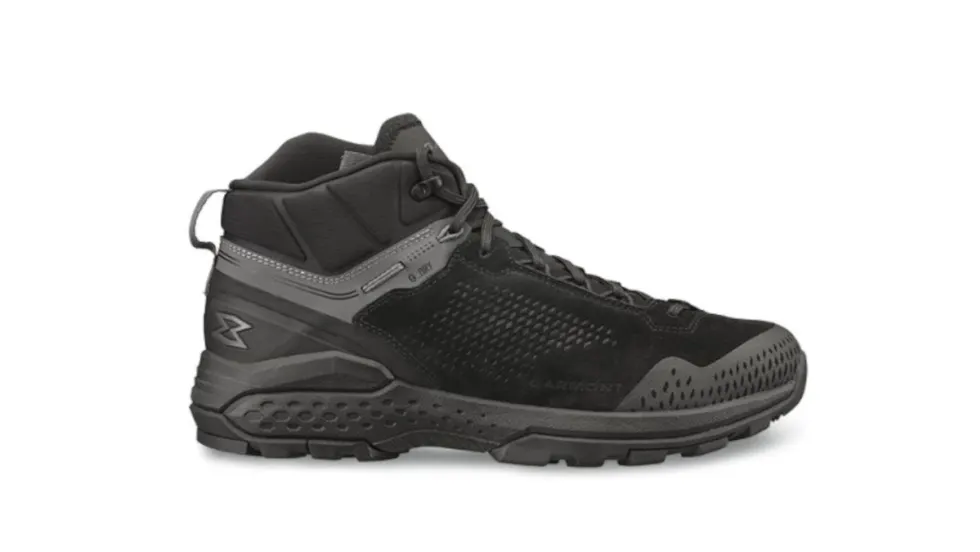
Garmont Working to Grow LE Market Presence
Garmont Tactical has found wide acceptance by military boot buyers, but now the company is trying to better respond to the needs of police officers. Many cops now are not fans of 8-inch boots, so Garmont is adapting.
Read More →
Publisher’s Note: Our Commitment to You
Through our magazine and website and our Police Technology eXchange event, we promise to provide you with information and access to resources to help you do your job safer and better.
Read More →
10 Tips for Responding to Mental Health Crisis Calls
The Harris County Sheriff's Office is a model for other agencies that want to learn about crisis intervention and mental health crisis response. Sgt. Jose Gomez shares the story of their programs and provides 10 tips for mental health crisis call response
Read More →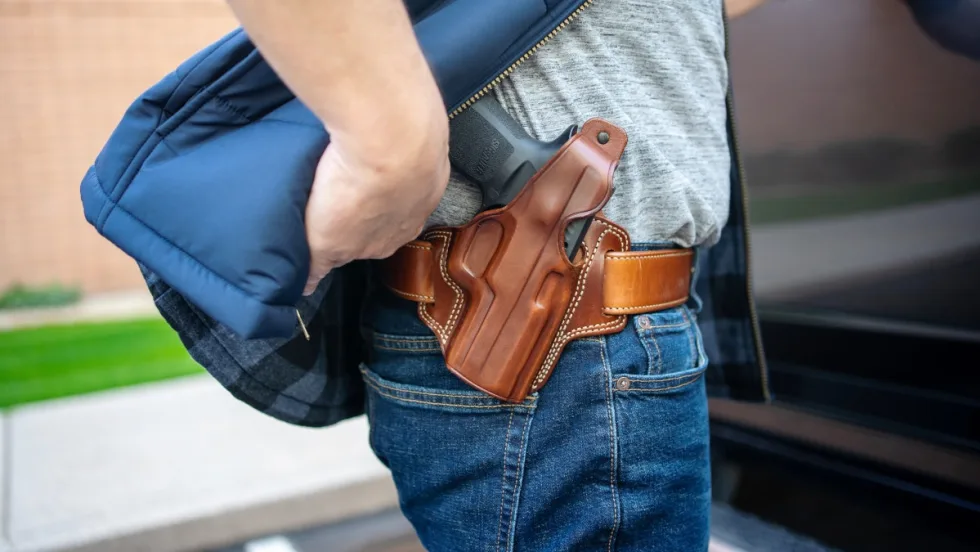
5 Things to Know When Buying Concealed-Carry or Off-Duty Holsters
Mike Barham, of Galco Holsters, shares five important considerations to keep in mind when you buy off-duty concealed or plain-clothes carry holsters.
Read More →
10 Tips for Reviewing Use-of-Force Reports
While the burden of accurately reporting use-of-force situations is on an individual deputy or officer, the person reviewing those reports shares in the responsibility of making sure the reporting is done properly, with clear details included.
Read More →