



Exclusive POLICE Survey: Officers Speak Out About Coronavirus
One respondent wrote: "All personal protective equipment is in limited to no supply. We are taking public donations to keep our officers in gloves and sanitizer. We are purchasing PPE from Ebay to meet our immediate needs."

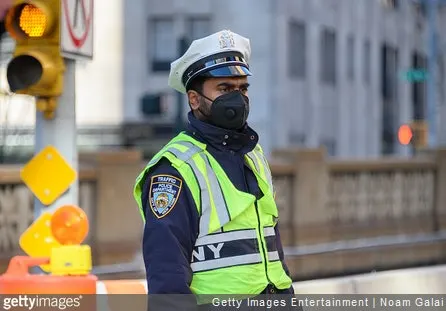
An exclusive POLICE survey of law enforcement officers working during the coronavirus crisis paints a picture of the nation's police as not always properly equipped to protect themselves from the disease, confused by their commanders' and political leaders' rules of engagement, and praying the conditions they now face are not the new normal.
POLICE polled subscribers of the OnTarget Newsletter and more than 700 responded to the survey in less than 24 hours.
The findings were sometimes surprising.
Asked if their workload had increased because of social distancing rules, 53% of officers said they were actually doing less work. This is likely because of instructions from command to minimize contact with the public and limit response to the most serious calls. In contrast 27% of respondents said their workload had increased, and 20% said it had not changed.
Sometimes they were not surprising.
The respondents confirmed the many stories in the mainstream press about law enforcement agencies coping with COVID-19 cases. Some 17% said officers on their agencies had tested positive for coronavirus. But the good news is that 72% said no officers in their agencies had tested positive. About 11% did not have an answer.
As far as personal contact with the virus, most respondents (44%) said they did not know if they had been exposed.
Exposure, of course, is most likely to come from officers who contacted a member of the public or from a member of the public. The survey has some good news on this issue. Some 89% of respondents say they and/or their agencies are cleaning and even disinfecting their equipment and vehicles after contact with a subject.
Sadly, responses to two more questions illustrated the problems law enforcement officers are facing when they need the supplies, wearables, and equipment to protect themselves from the virus and to clean hands and gear.
The answers to the first question: "Is your agency providing you with coronavirus protection such as gowns, nitrile gloves, hand sanitizer, N95 masks, wipes?" A full 87% of respondents said their agencies are providing them with this vital gear.
But that was not the final answer. We also asked: "What one piece of coronavirus protection do you need most that your agency is not providing?"
The answers to this fill-in-the-blank question show that certain protective items are in very short supply, even for first responders. Hand sanitizer is in very high demand. Some agencies are using expired sanitizer, some are receiving bottles of the stuff made at local distilleries, and some just don't have it at all. Masks are another much needed item. Some agencies are issuing one N-95 mask to officers and telling them to clean the mask after each use. "We need more of everything to avoid having to clean and reuse items intended to be discarded after one use," one officer wrote. Wipes, gloves, eye protection, and gowns are are also in short supply.
One respondent wrote: "All personal protective equipment is in limited to no supply. We are taking public donations to keep our officers in gloves and sanitizer. We are purchasing PPE from Ebay to meet our immediate needs."
Even officers who work on agencies that provide all necessary PPE are worried about how long that will be the case. "Keeping up with resupply will soon be a problem," one officer wrote.
In addition to a great need for PPE, officers say they are coping with a lot of confusion about what to do on duty. "We need clear guidelines on self-initiated activity. We are being told to continue to be proactive but limit our exposure," one respondent wrote.
The confusion about proactive police actions during the coronavirus crisis may be a reason that 55% of officers say crime is decreasing in their jurisdictions. It could also be that even criminals are practicing social distancing and really don't want to go to jail at this time.
Law enforcement officers are dealing with a great deal of stress during the coronavirus crisis. So we asked how they are coping with it and what they are doing. Some are avoiding the news. Some are exercising at higher intensity than normal. Some are drawing comfort from friends or pets. Some are drawing comfort from their faith. Some are drinking and eating more than in the past. Some are consulting counselors and chaplains that work with their agencies. Some are leaning on their police colleagues.
Many officers have one overriding concern: They are worried about their families. One officer wrote: "You have to deal with it day by day. This isn't the first bad thing to happen, and it won't be the last. You just pray that you don't bring this deadly disease home to your family. This is much more stressful than dealing with the criminals."
More Blog Posts
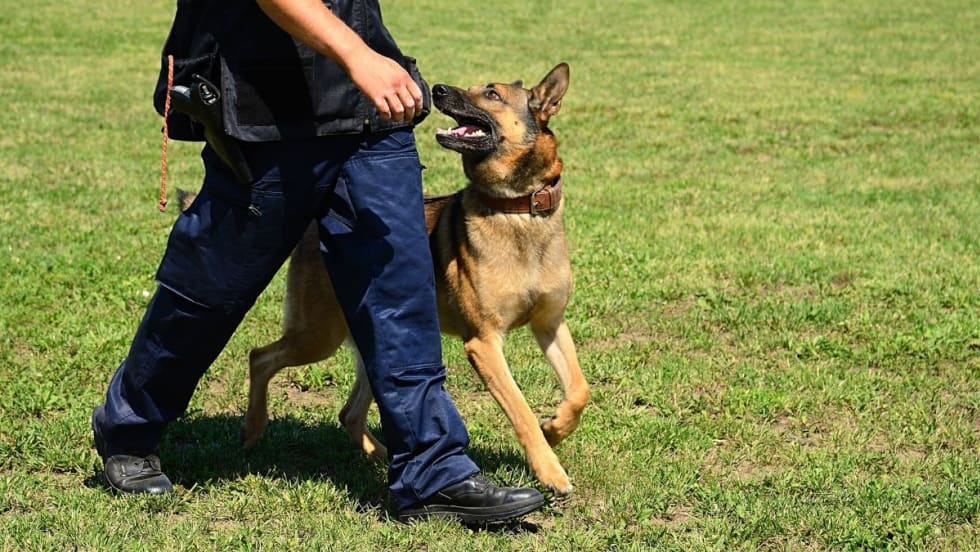
Preventing Heat Injury in Police K-9s
In the relentless heat of summer and even early fall in some parts of the country, officers face the important task of protecting their K-9 partners while working in sweltering temperatures. Recognizing changes in a dog’s behavior is the key.
Read More →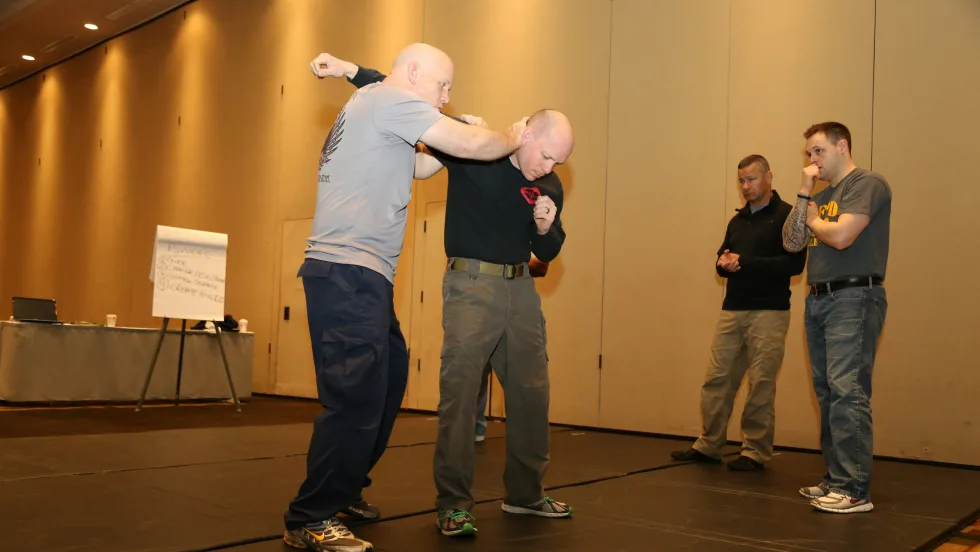
Why Your Agency Needs to Attend the ILEETA Conference
ILEETA is a complete resource for trainers to address trainers' needs. Its mission is to enhance the skills and safety of criminal justice practitioners while fostering stronger and safer communities.
Read More →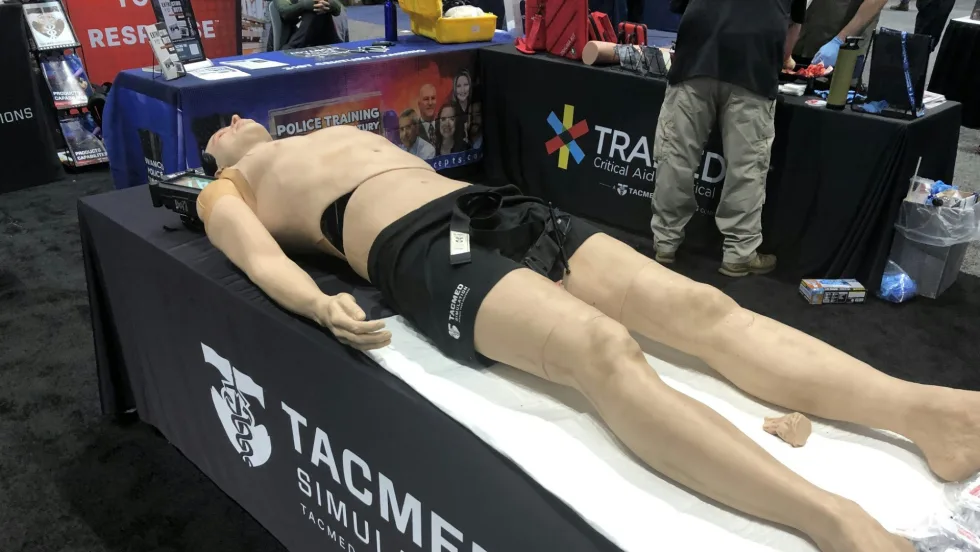
IACP 2023: New Training Products
Technologies for improving law enforcement training and training management were some of the highlights at this year's show.
Read More →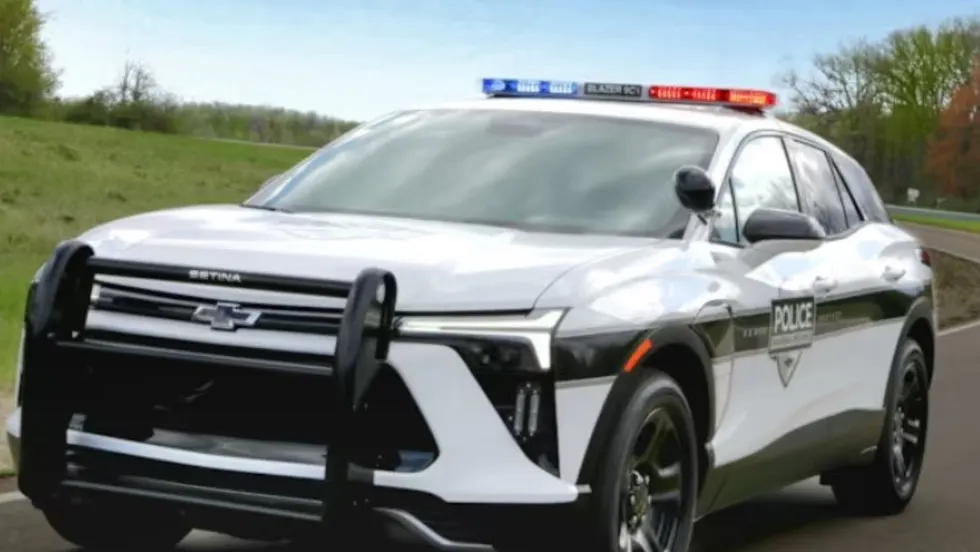
Initial Results Released from MSP 2024 Police Vehicle Testing
The 2024 pursuit-rated vehicles--all pickup trucks or SUVs, including two battery electric models the Chevrolet Blazer EV AWD and Ford Mustang Mach-E--were put through their paces.
Read More →
Officer Safety Considerations Related to Alternative-Fuel Vehicles
As more alternative-fuel and hybrid vehicles hit the road, police and other first responders need to understand that they are no more dangerous than conventional vehicles. However, there are certain safety considerations every cop should know.
Read More →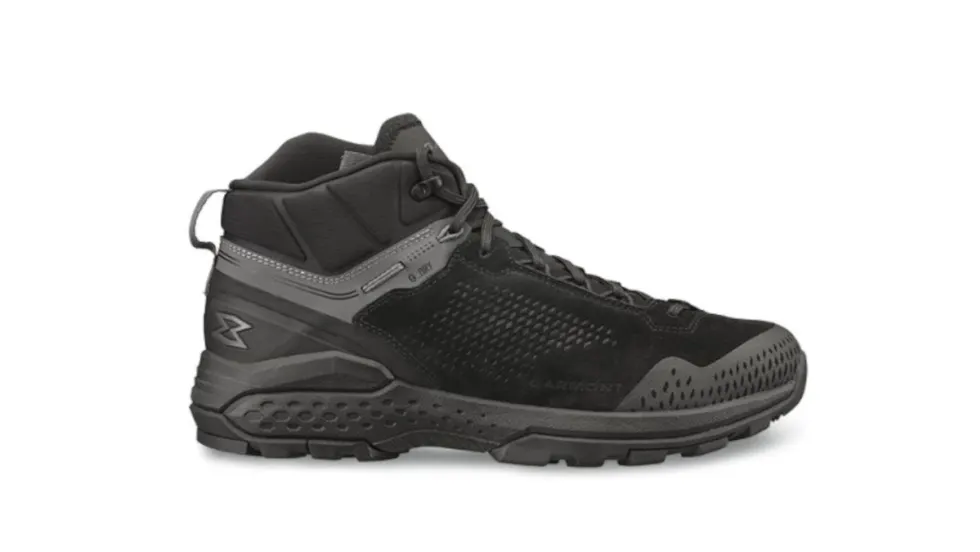
Garmont Working to Grow LE Market Presence
Garmont Tactical has found wide acceptance by military boot buyers, but now the company is trying to better respond to the needs of police officers. Many cops now are not fans of 8-inch boots, so Garmont is adapting.
Read More →
Publisher’s Note: Our Commitment to You
Through our magazine and website and our Police Technology eXchange event, we promise to provide you with information and access to resources to help you do your job safer and better.
Read More →
10 Tips for Responding to Mental Health Crisis Calls
The Harris County Sheriff's Office is a model for other agencies that want to learn about crisis intervention and mental health crisis response. Sgt. Jose Gomez shares the story of their programs and provides 10 tips for mental health crisis call response
Read More →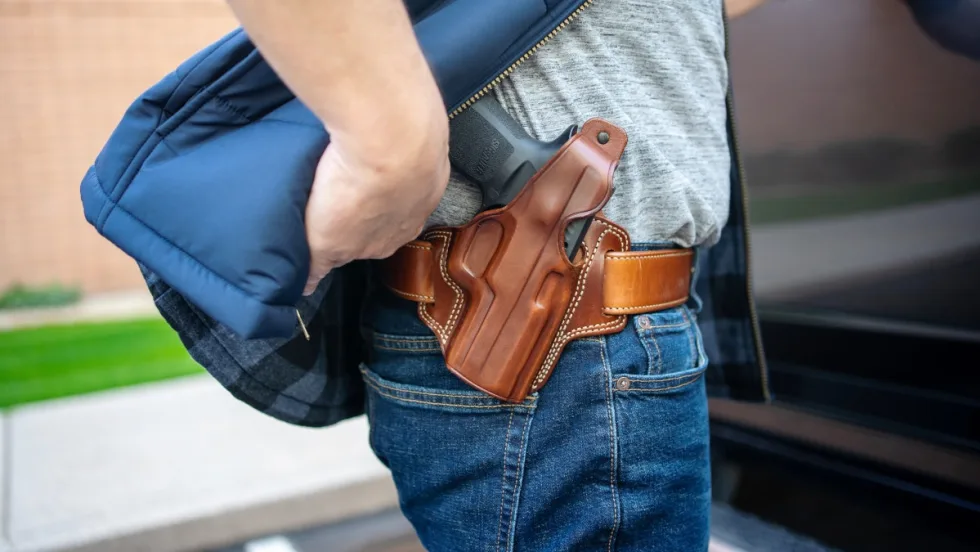
5 Things to Know When Buying Concealed-Carry or Off-Duty Holsters
Mike Barham, of Galco Holsters, shares five important considerations to keep in mind when you buy off-duty concealed or plain-clothes carry holsters.
Read More →
10 Tips for Reviewing Use-of-Force Reports
While the burden of accurately reporting use-of-force situations is on an individual deputy or officer, the person reviewing those reports shares in the responsibility of making sure the reporting is done properly, with clear details included.
Read More →