



Even Pros Practice
Just like some golfers, we often talk about all of the cool ways to avoid practice, hoping the latest fad in some magazine will make us the pro we want to be without putting in the work.

My wife and I were having dinner the other night with a friend who happens to be a professional golf instructor (go to the Professional Golfers Association at www.pga.org for his qualification details). He was in a pro match recently and ended up one shot out of the money, which meant he was going to practice some more. He then showed me his newest teaching tool, one he teaches novices with, and said he used it himself to get back in the groove.
All at once it dawned on me: Even a professional practices and returns back to the basics when sharpening up. How could this be like police skills?
When you think about all of the education you have, it's all rooted in the basic skills you acquired in elementary school. The foundation for all of our learning comes from the three R's of knowledge: reading, 'riting, and 'rithmetic. Just like in police skills, it all comes back to the basics.
There's a direct parallel between golfers and cops in that there are far too many who try to buy a low golf score or a higher pistol range score. My friend's clients buy new drivers, while some of us go to the cop shop looking for the newest sights, grips, and new tacticool gizmos thinking they will magically fix our problem. When we do this we are trying to buy a better range score but not focusing on the skills. Just like some golfers, we often talk about all of the cool ways to avoid practice, hoping the latest fad in some magazine will make us the pro we want to be without putting in the work.
Several years ago I was playing golf with another PGA professional in Georgia. Now this guy was a pro's pro; his students were on Sunday afternoon television. I asked him what it takes to make the weekend cut in pro golf. His reply was to hit 10 perfect shots in a row. One woof and start over.
"Great, only 10 shots!" I said.
"No," he told me. "That will be 10 perfect shots in a row with each club. And that includes straight, hook, and cut shots."
"Wait, that could be hundreds of shots," I told him.
He smiled and said, "Yes, and that's something you need to do every day, not once."
The same goes for shooting. On the professional shooting circuit I saw an advertisement stating that one particular shooter shot tens of thousands of rounds per year with that company's ammo. OK, great ad, but that only tells you how many rounds he shoots on the circuit. How many times does he shoot just to practice? Thousands, maybe tens of thousands. That is the reason he is on the pro shooting circuit and gets to go to work there every day. He has the dedication to do that much practice. It is the same with nearly any professional athlete: succeeding requires practice and commitment.
So what is the point here? If you have a bad day at the range, you go back to the basics: sight alignment, grip, breathing, trigger control, and balance. You didn't deliver a stunning strike with the baton? Then you go back to the bag and practice balance, target focus, grip, and a fluid delivery.
The basics are never beneath us, for they are the foundation of all we do. Even in the traditional martial arts, the oldest, most experienced belts are the ones who teach the children. Sure, it makes sense. Who better to learn the basics from than the masters? But think about it. That also means the best of the best spend much of their time going over the basics over and over again to be able to teach them to the newbies. Maybe that's one reason they're so good.
So, having a bad day? Revisit the basics. It is the core foundation of whatever you are doing. See you at the range.
More Blog Posts
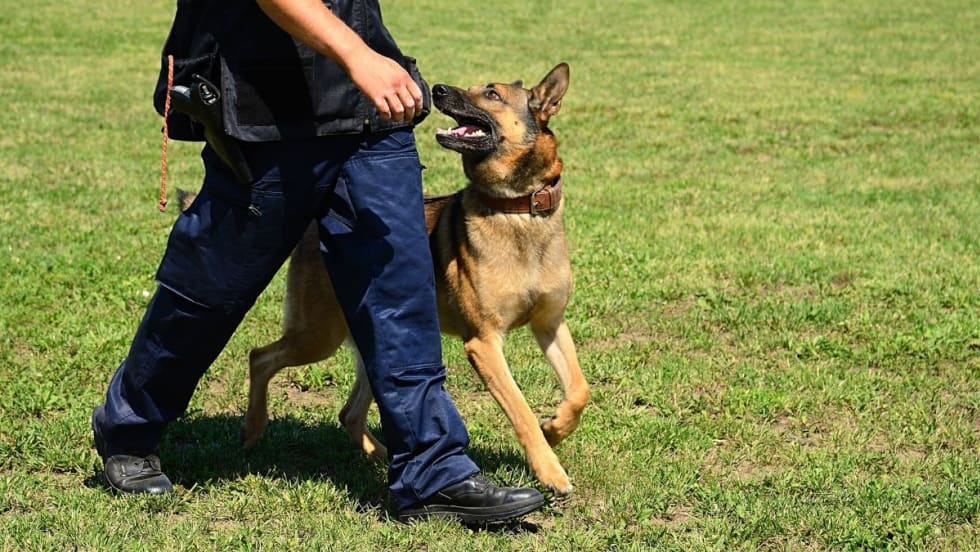
Preventing Heat Injury in Police K-9s
In the relentless heat of summer and even early fall in some parts of the country, officers face the important task of protecting their K-9 partners while working in sweltering temperatures. Recognizing changes in a dog’s behavior is the key.
Read More →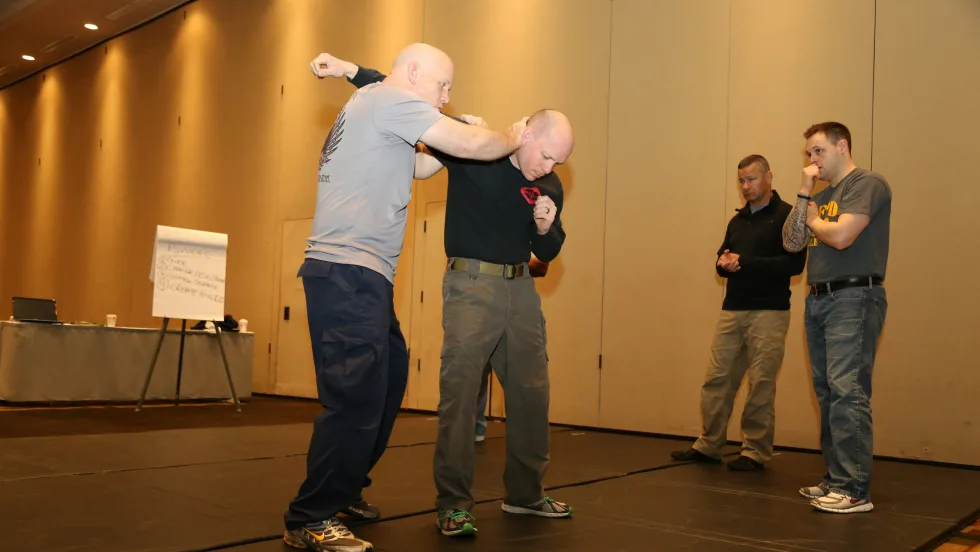
Why Your Agency Needs to Attend the ILEETA Conference
ILEETA is a complete resource for trainers to address trainers' needs. Its mission is to enhance the skills and safety of criminal justice practitioners while fostering stronger and safer communities.
Read More →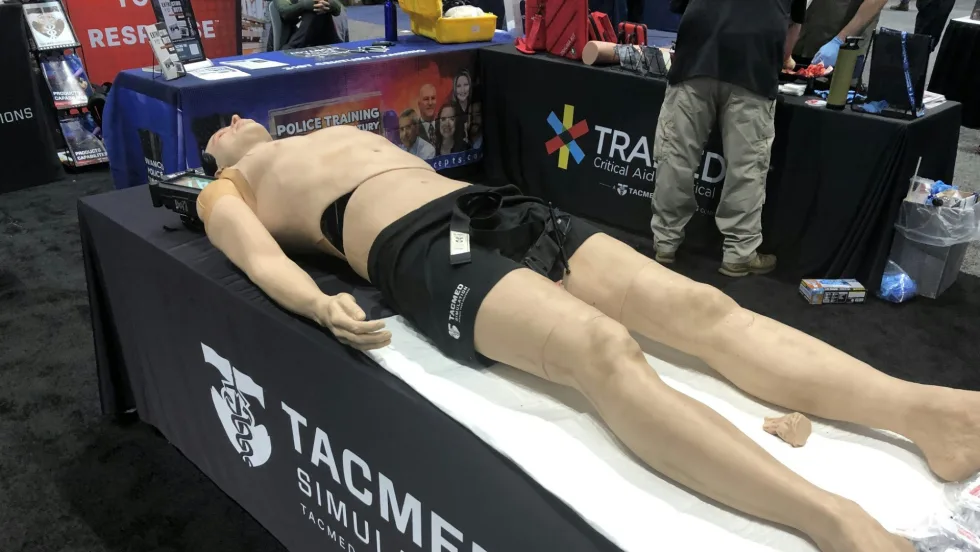
IACP 2023: New Training Products
Technologies for improving law enforcement training and training management were some of the highlights at this year's show.
Read More →
Initial Results Released from MSP 2024 Police Vehicle Testing
The 2024 pursuit-rated vehicles--all pickup trucks or SUVs, including two battery electric models the Chevrolet Blazer EV AWD and Ford Mustang Mach-E--were put through their paces.
Read More →
Officer Safety Considerations Related to Alternative-Fuel Vehicles
As more alternative-fuel and hybrid vehicles hit the road, police and other first responders need to understand that they are no more dangerous than conventional vehicles. However, there are certain safety considerations every cop should know.
Read More →
Garmont Working to Grow LE Market Presence
Garmont Tactical has found wide acceptance by military boot buyers, but now the company is trying to better respond to the needs of police officers. Many cops now are not fans of 8-inch boots, so Garmont is adapting.
Read More →
Publisher’s Note: Our Commitment to You
Through our magazine and website and our Police Technology eXchange event, we promise to provide you with information and access to resources to help you do your job safer and better.
Read More →
10 Tips for Responding to Mental Health Crisis Calls
The Harris County Sheriff's Office is a model for other agencies that want to learn about crisis intervention and mental health crisis response. Sgt. Jose Gomez shares the story of their programs and provides 10 tips for mental health crisis call response
Read More →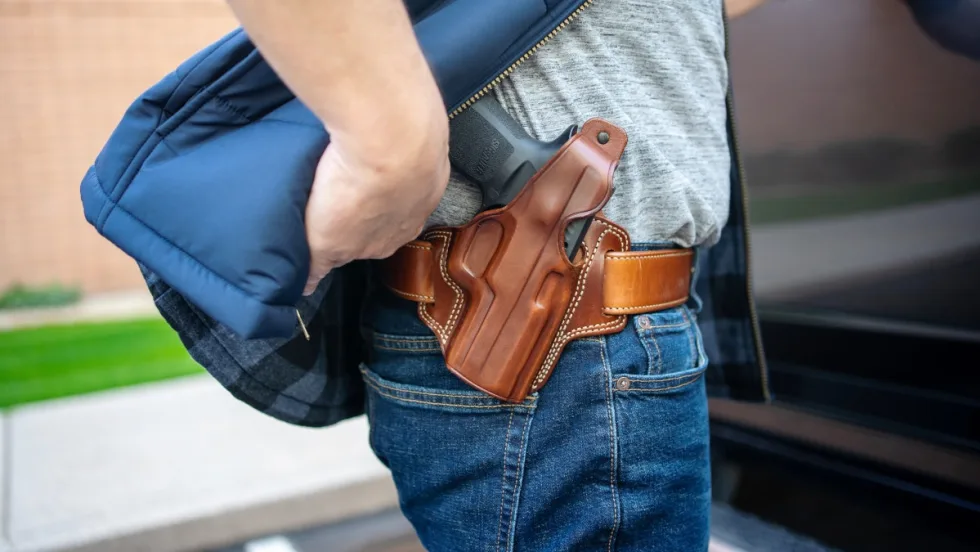
5 Things to Know When Buying Concealed-Carry or Off-Duty Holsters
Mike Barham, of Galco Holsters, shares five important considerations to keep in mind when you buy off-duty concealed or plain-clothes carry holsters.
Read More →
10 Tips for Reviewing Use-of-Force Reports
While the burden of accurately reporting use-of-force situations is on an individual deputy or officer, the person reviewing those reports shares in the responsibility of making sure the reporting is done properly, with clear details included.
Read More →