



Doing It In the Dark
Academies love to train you under perfect well-lit conditions; the FTO loves to train you under the adverse conditions. Take your skills to new and higher levels. Go practice in the dark.

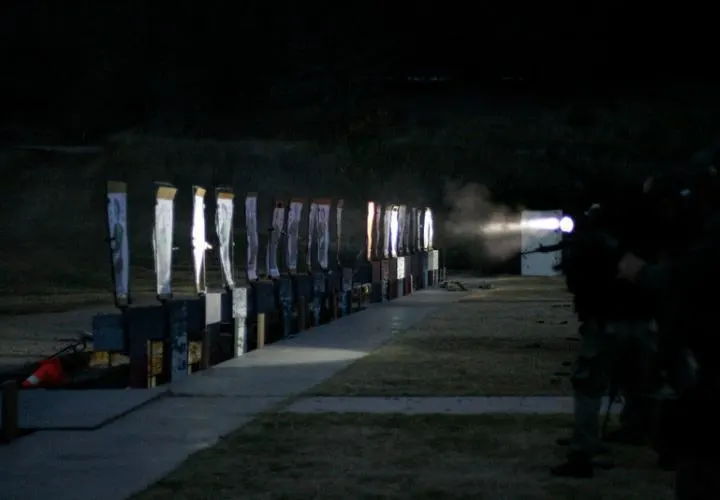
Los Angeles Sheriff's deputies practice firearms training in low-light conditions. Photo by Kim Pham.
Once you graduated from the academy, you would think you'd be finished with those performance exercises. Wrong! You'll now need to practice probably harder than ever. Now that you're in the streets, there are no do-overs, no mulligan's and no "tapping out." Your safety and the safety of others is now at stake.
Academies follow state officer training standards and often make the performance exercises for the minimum standard type of student. Some academies have become production lines, and standards have waned. Most are covering the basics and hope that the Field Training Officer (FTO) or departmental trainers pick up the slack. That may be true, but how much more can we put upon the FTO? This leaves many officers to practice with their police pals on and off duty.
So how do you practice your skills in the dark?
Safety should be the first consideration! If you and some of your pals are going to practice, have a safety officer. This is not a one-on-one drill. There will be an observer acting as a safety officer. No ammo, no edged weapons, no OC spray, nothing that sparks (in other words, nothing to make you seek expert medical treatment in a hurry).
Now that these things are locked up, perform another safety check. Yes, I mean that. There are several items on your duty belt that you should have full confidence you can deploy without reservation and under all conditions. Let's look at some of these:
Weapon skills: Can you reload in the dark? Can you perform function checks, clear stovepipes, handle failures to feed and other gremlins that get into your gun in the dark? Hint: Invest in some snap caps for safely training.
Handcuffing skills: Have you ever practiced handcuffing in low light, in the dark or just by feel?
Perform other belt drills: Stop and look at your duty belt. How many different items are strapped to you? Can you deploy, and can you secure them after use without glancing or in low light? We often practice this principle with a sidearm. These other things can be bothersome — remember, it's the little things that get to us.
Radio: Ever wondered why some officers have the "in trouble" button go off? Can you, by memory, turn the channel selector and then, by feel and memory, go to your channel? Is it four clicks or five? Can you operate the radio with both hands or with a coat on? If you use an earpiece, what happens if you lose it?
Cat feet: Can you walk in the dark with stealth? One of my martial arts buddies refers to this as walking with cat feet. This is walking on the balls of the feet with balance, stealth and silence. During building checks, I can usually hear the cops coming like a herd of large critters. Walk with purpose, balance and stealth in the dark, not like some cartoon critter.
Academies love to train you under perfect well-lit conditions; the FTO loves to train you under the adverse conditions. Take your skills to new and higher levels. Go practice in the dark.
More Blog Posts
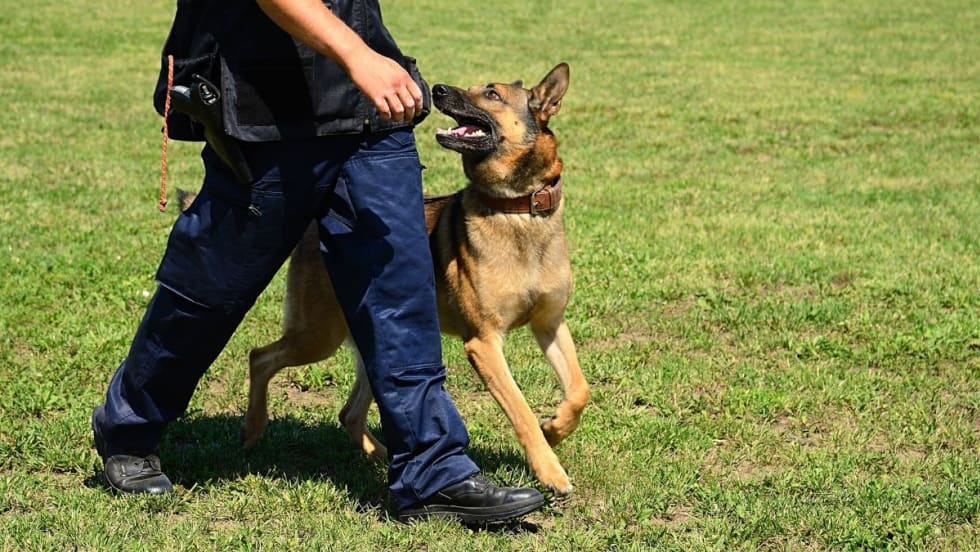
Preventing Heat Injury in Police K-9s
In the relentless heat of summer and even early fall in some parts of the country, officers face the important task of protecting their K-9 partners while working in sweltering temperatures. Recognizing changes in a dog’s behavior is the key.
Read More →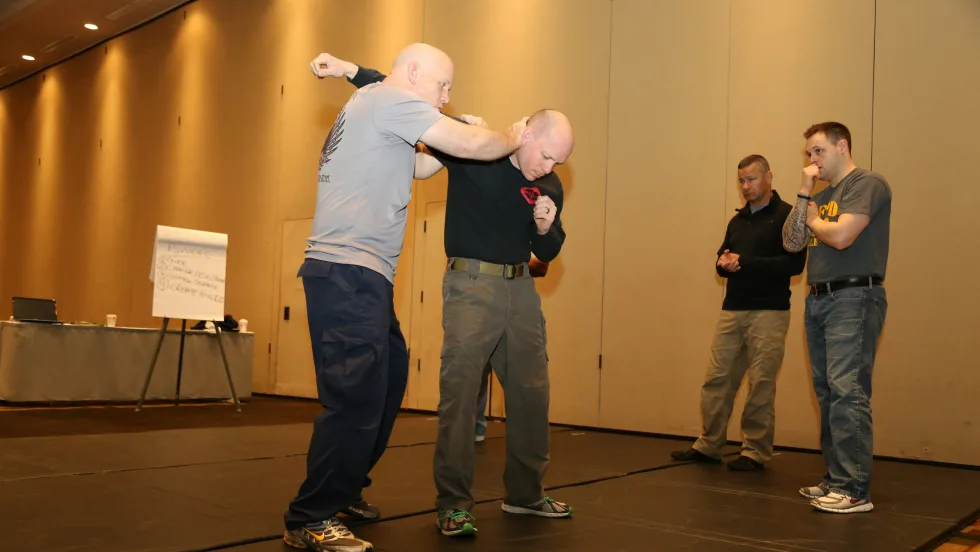
Why Your Agency Needs to Attend the ILEETA Conference
ILEETA is a complete resource for trainers to address trainers' needs. Its mission is to enhance the skills and safety of criminal justice practitioners while fostering stronger and safer communities.
Read More →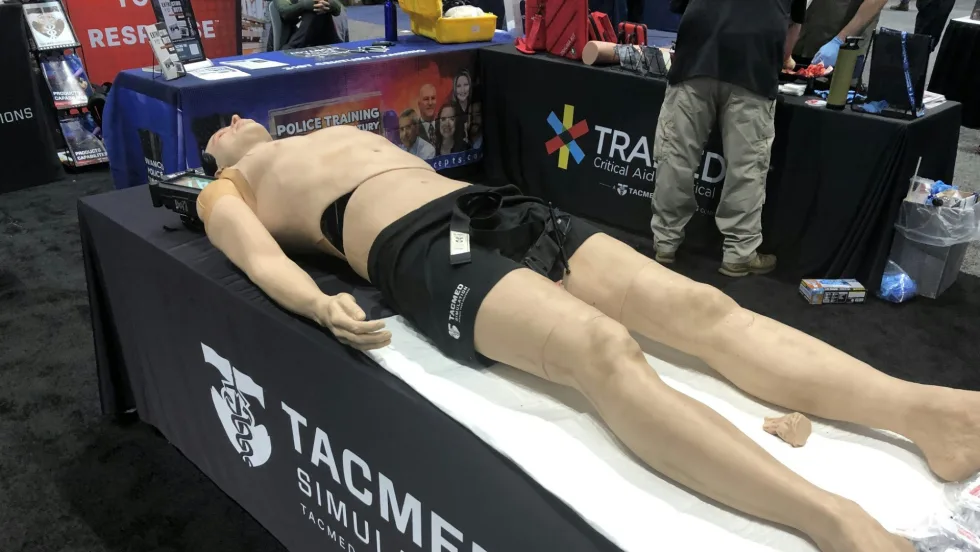
IACP 2023: New Training Products
Technologies for improving law enforcement training and training management were some of the highlights at this year's show.
Read More →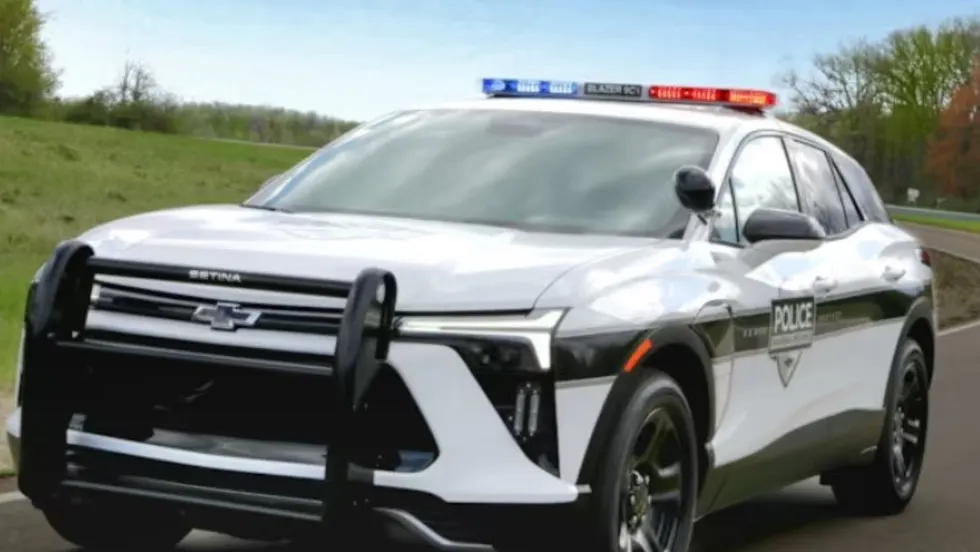
Initial Results Released from MSP 2024 Police Vehicle Testing
The 2024 pursuit-rated vehicles--all pickup trucks or SUVs, including two battery electric models the Chevrolet Blazer EV AWD and Ford Mustang Mach-E--were put through their paces.
Read More →
Officer Safety Considerations Related to Alternative-Fuel Vehicles
As more alternative-fuel and hybrid vehicles hit the road, police and other first responders need to understand that they are no more dangerous than conventional vehicles. However, there are certain safety considerations every cop should know.
Read More →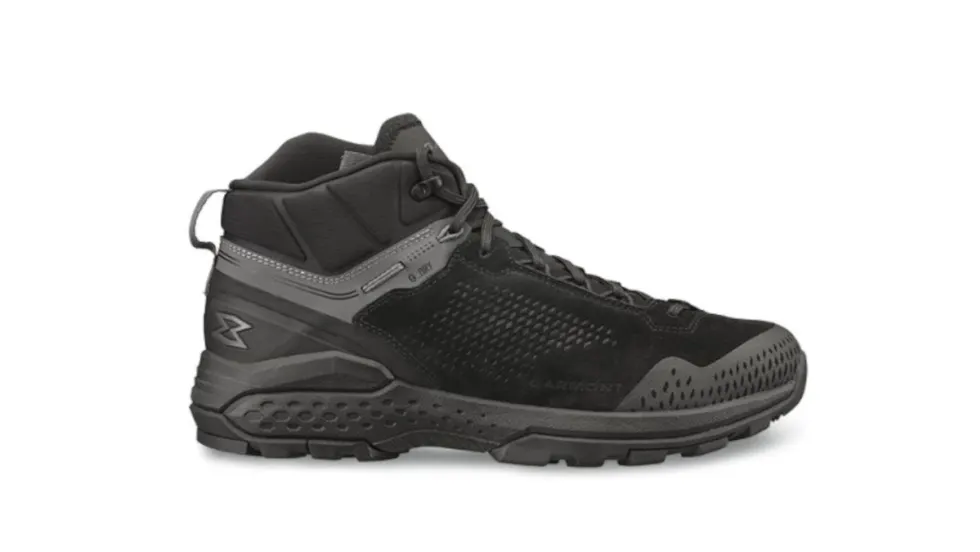
Garmont Working to Grow LE Market Presence
Garmont Tactical has found wide acceptance by military boot buyers, but now the company is trying to better respond to the needs of police officers. Many cops now are not fans of 8-inch boots, so Garmont is adapting.
Read More →
Publisher’s Note: Our Commitment to You
Through our magazine and website and our Police Technology eXchange event, we promise to provide you with information and access to resources to help you do your job safer and better.
Read More →
10 Tips for Responding to Mental Health Crisis Calls
The Harris County Sheriff's Office is a model for other agencies that want to learn about crisis intervention and mental health crisis response. Sgt. Jose Gomez shares the story of their programs and provides 10 tips for mental health crisis call response
Read More →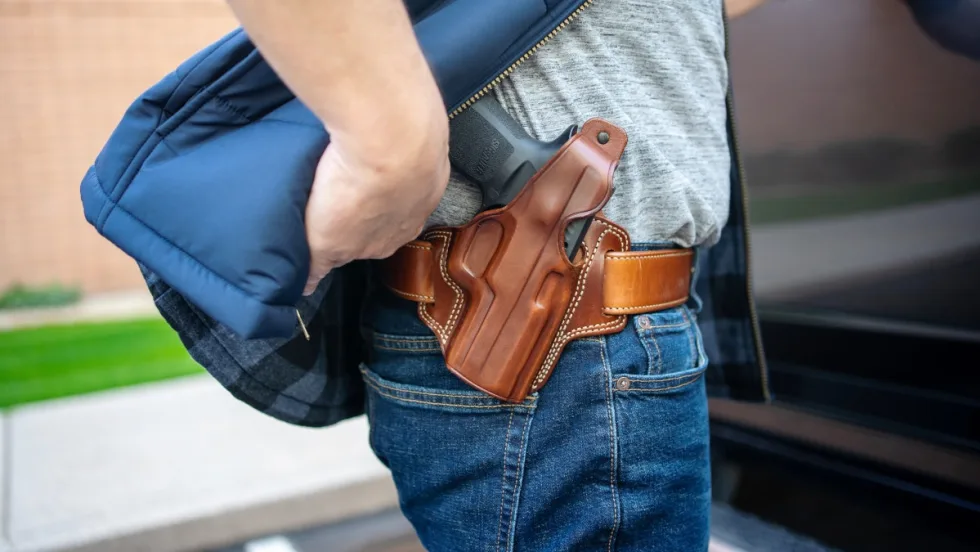
5 Things to Know When Buying Concealed-Carry or Off-Duty Holsters
Mike Barham, of Galco Holsters, shares five important considerations to keep in mind when you buy off-duty concealed or plain-clothes carry holsters.
Read More →
10 Tips for Reviewing Use-of-Force Reports
While the burden of accurately reporting use-of-force situations is on an individual deputy or officer, the person reviewing those reports shares in the responsibility of making sure the reporting is done properly, with clear details included.
Read More →