



Contacting the Hearing Impaired
As a patrol officer, you must provide the same level of service to deaf subjects that you would to others. Stay on track with our five-step guide.


Photo courtesy of iStockPhoto.com.
As a patrol officer, you must provide the same level of service to deaf subjects that you would to others. Stay on track with our five-step guide. For the full story, read our feature, "Dealing With the Deaf."
1. The Americans with Disability Act, established in 1990, requires you to accommodate people who are deaf, mute, or hard of hearing. Failure to do so can result in complaints, lawsuits, and even consent decrees.
2. Wrongful arrests, failure to reasonably accommodate, or a failure to train officers make up the majority of ADA complaints against agencies.
3. You might have to provide an interpreter for long or complicated transactions.
4. Don't cover your mouth or chew gum when interviewing a person with hearing impairment.
5. Remember that Sign Language is a language all unto itself and should be treated as such.
Amaury Murgado is a special operations lieutenant with the Osceola County (Fla.) Sheriff's Office. He is a retired Army Reserve master sergeant, has more than 25 years of law enforcement experience, and has been a lifelong student of martial arts.
More Blog Posts
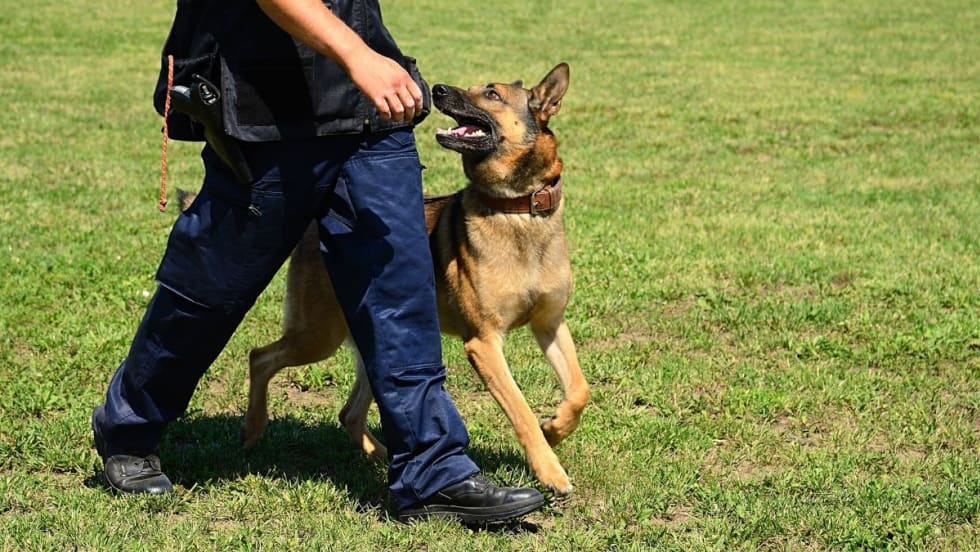
Preventing Heat Injury in Police K-9s
In the relentless heat of summer and even early fall in some parts of the country, officers face the important task of protecting their K-9 partners while working in sweltering temperatures. Recognizing changes in a dog’s behavior is the key.
Read More →
Why Your Agency Needs to Attend the ILEETA Conference
ILEETA is a complete resource for trainers to address trainers' needs. Its mission is to enhance the skills and safety of criminal justice practitioners while fostering stronger and safer communities.
Read More →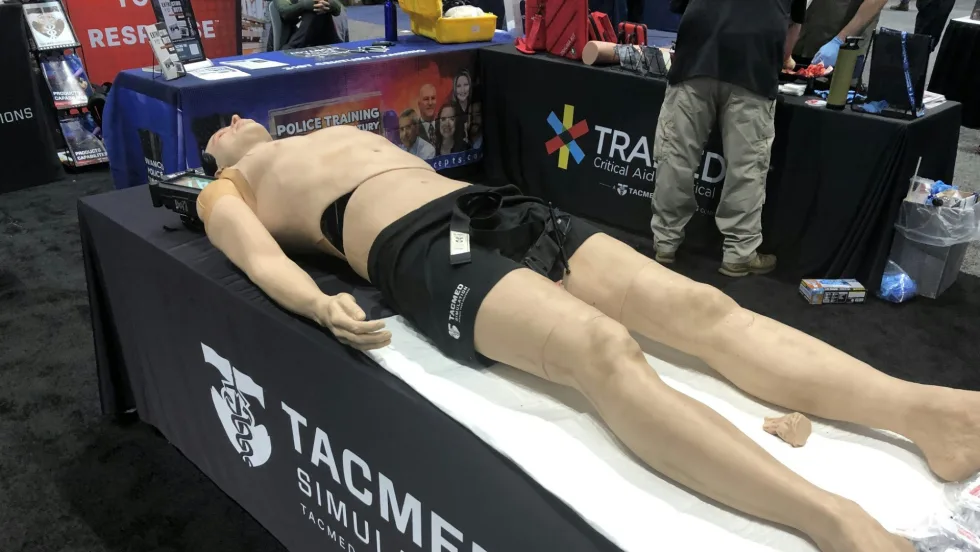
IACP 2023: New Training Products
Technologies for improving law enforcement training and training management were some of the highlights at this year's show.
Read More →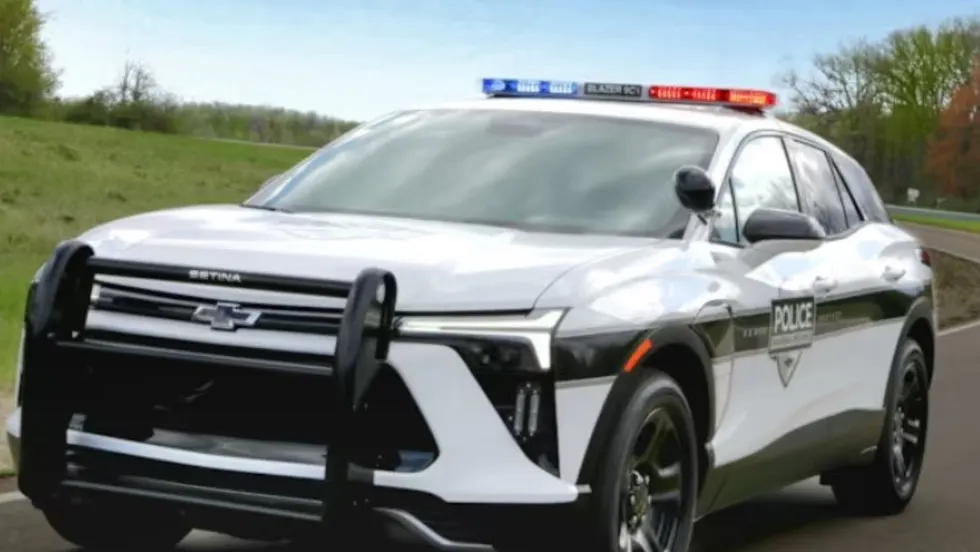
Initial Results Released from MSP 2024 Police Vehicle Testing
The 2024 pursuit-rated vehicles--all pickup trucks or SUVs, including two battery electric models the Chevrolet Blazer EV AWD and Ford Mustang Mach-E--were put through their paces.
Read More →
Officer Safety Considerations Related to Alternative-Fuel Vehicles
As more alternative-fuel and hybrid vehicles hit the road, police and other first responders need to understand that they are no more dangerous than conventional vehicles. However, there are certain safety considerations every cop should know.
Read More →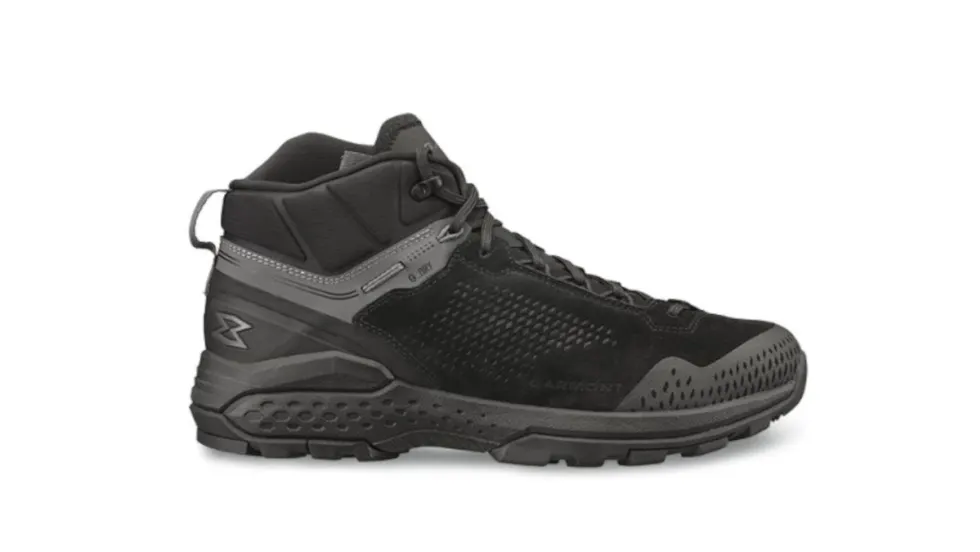
Garmont Working to Grow LE Market Presence
Garmont Tactical has found wide acceptance by military boot buyers, but now the company is trying to better respond to the needs of police officers. Many cops now are not fans of 8-inch boots, so Garmont is adapting.
Read More →
Publisher’s Note: Our Commitment to You
Through our magazine and website and our Police Technology eXchange event, we promise to provide you with information and access to resources to help you do your job safer and better.
Read More →
10 Tips for Responding to Mental Health Crisis Calls
The Harris County Sheriff's Office is a model for other agencies that want to learn about crisis intervention and mental health crisis response. Sgt. Jose Gomez shares the story of their programs and provides 10 tips for mental health crisis call response
Read More →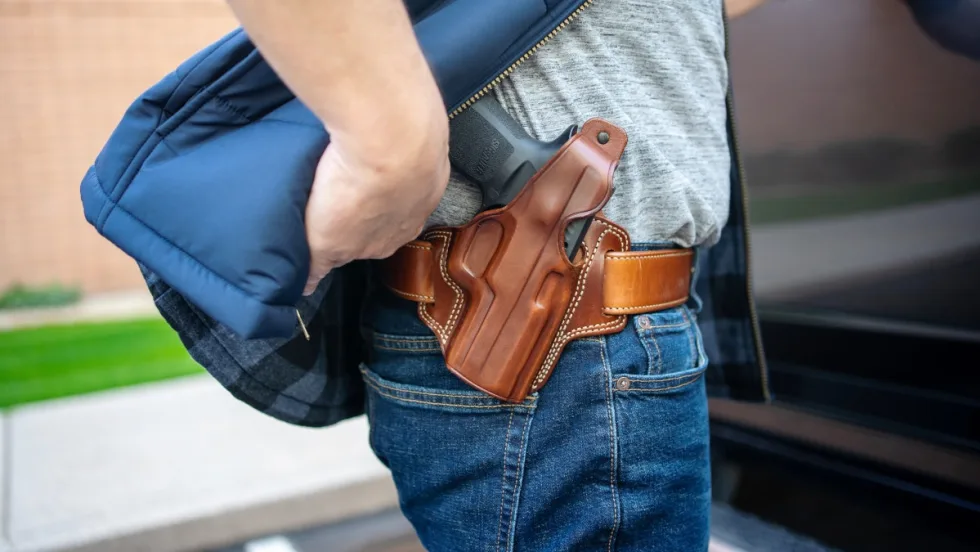
5 Things to Know When Buying Concealed-Carry or Off-Duty Holsters
Mike Barham, of Galco Holsters, shares five important considerations to keep in mind when you buy off-duty concealed or plain-clothes carry holsters.
Read More →
10 Tips for Reviewing Use-of-Force Reports
While the burden of accurately reporting use-of-force situations is on an individual deputy or officer, the person reviewing those reports shares in the responsibility of making sure the reporting is done properly, with clear details included.
Read More →