



Cleaning Up the LEOSA Mess
If the LEOSA improvements bills become law, retired officers will need to have an official ID from their agency and qualify with a state-certified firearms instructor who qualifies police in their states of residence. This could make it much easier for retired officers from say Illinois agencies to exercise LEOSA carry rights.

When the Law Enforcement Officer Safety Act of 2004 (LEOSA) was signed into law by President Bush, it granted active and retired law enforcement officers the right to carry a concealed firearm in all 50 states provided they met certain requirements. Unfortunately, it did not create a mechanism that would allow retired officers to exercise this right.
Earlier this year, Sen. Patrick Leahy (D-Vt.) submitted S. 1132, a bill designed to clean up the LEOSA mess. Today, Rep. J. Randy Forbes (R-Va.) introduced companion legislation-H.R. 3752-in the House.
These proposed laws would do the following:
Clarify the status of Amtrak Police and other federal officers
Grant LEOSA carry rights to current and retired law enforcement officers (with civilian arrest powers) who work or have worked for a branch of the United States Armed Forces.
Reduce the amount of time that an officer has to serve as an officer from 15 years to 10 years to qualify for LEOSA carry rights
Create a procedure for retired officers to meet the requirements necessary for LEOSA carry
Forbes said the primary purpose of the new legislation is to provide retired officers with a way to exercise their LEOSA rights. "The states have drug their feet and made it impossible for them to comply," he explained.
If the LEOSA improvements bills become law, retired officers will need to have an official ID from their agency and qualify with a state-certified firearms instructor who qualifies police in their states of residence. This could make it much easier for retired officers from say Wisconsin or New York agencies to exercise LEOSA carry rights.
Unfortunately, there is no enforcement teeth in the proposed laws. So states that still want to drag their feet likely will. But Forbes says the legislation could help officers from the anti-LEOSA states who have retired to other more LEOSA-friendly states.
Forbes believes the Senate bill has an excellent chance of making it out of the Senate Judiciary Committee for a floor vote this year, especially since its sponsor Leahy serves as chairman of the committee.
On the House side, things look a bit tougher. The House Judiciary Committee is chaired by Rep. John Conyers Jr. (D-Mich.) who may try to prevent it from reaching the floor.
If Conyers does block the legislation, Forbes says he will use a congressional procedure called a discharge petition that requires 218 votes from the overall House to move the bill to a vote. Forbes thinks he has a good shot at success. "I'll tell you there are a group of people on the Democratic side who would not want to vote against this bill."
Forbes is "very optimistic" that the LEOSA improvement legislation will be approved by Congress in time to reach President Obama's desk next year.
However, he added that law enforcement officers should call their senators and representatives and voice their support for the bills. "Calls are much more effective than letters and e-mails," he said.
H.R. 3752 is supported by the Fraternal Order of Police and the International Union of Police Associations.
More Blog Posts
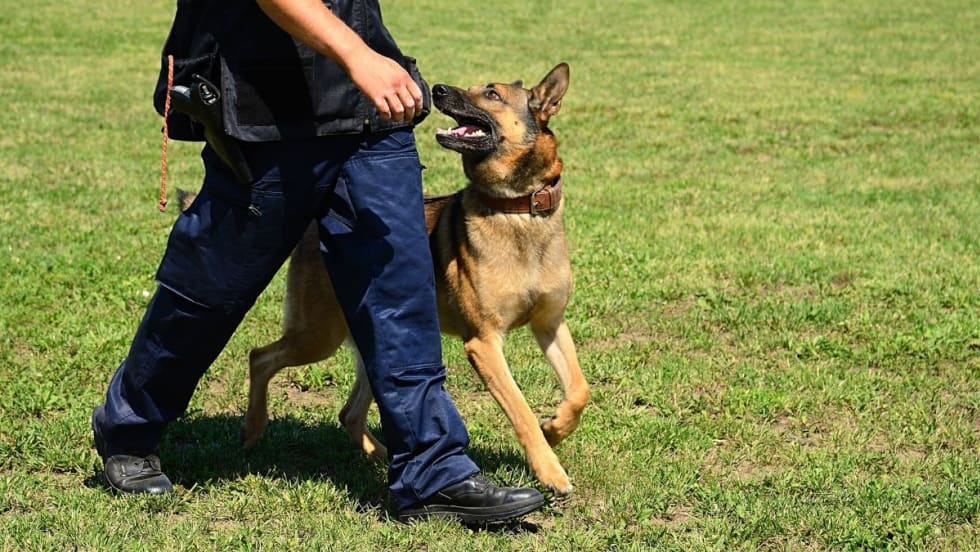
Preventing Heat Injury in Police K-9s
In the relentless heat of summer and even early fall in some parts of the country, officers face the important task of protecting their K-9 partners while working in sweltering temperatures. Recognizing changes in a dog’s behavior is the key.
Read More →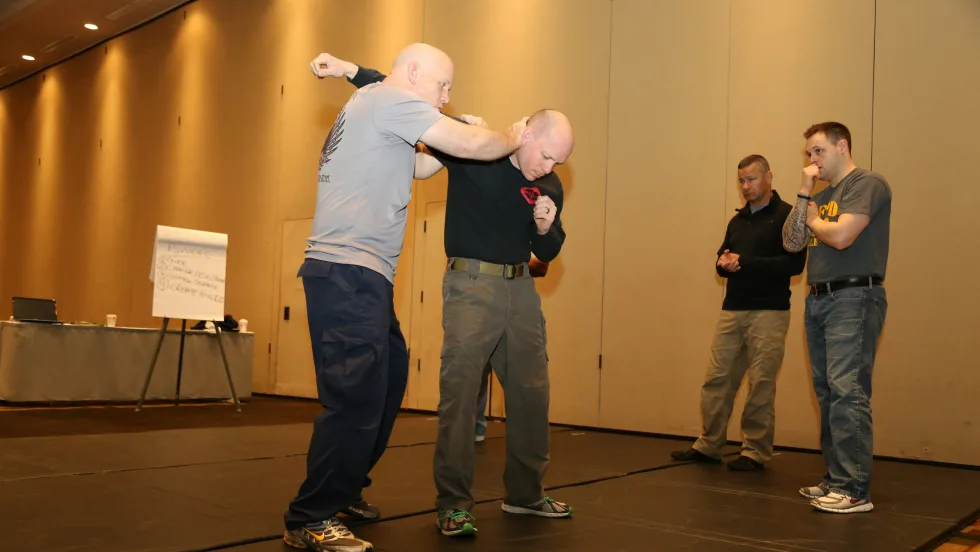
Why Your Agency Needs to Attend the ILEETA Conference
ILEETA is a complete resource for trainers to address trainers' needs. Its mission is to enhance the skills and safety of criminal justice practitioners while fostering stronger and safer communities.
Read More →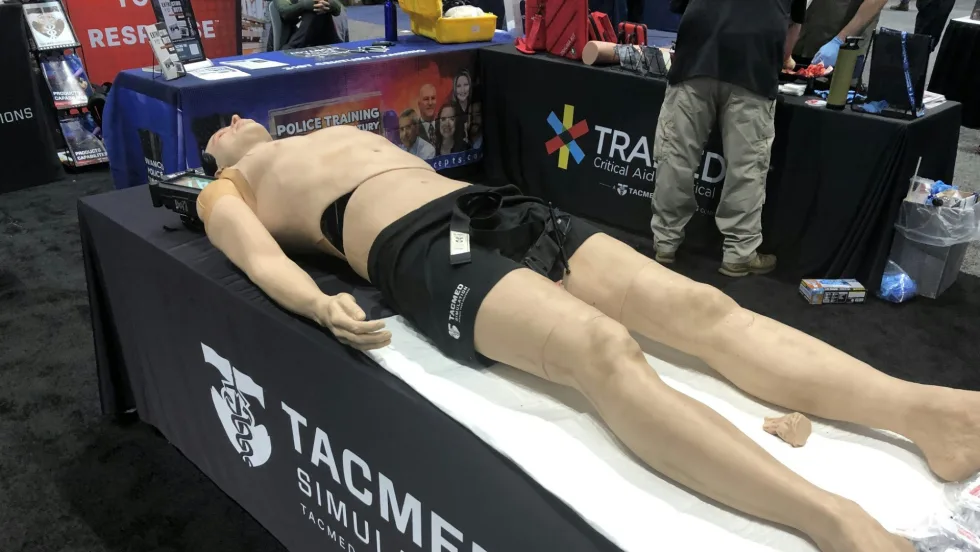
IACP 2023: New Training Products
Technologies for improving law enforcement training and training management were some of the highlights at this year's show.
Read More →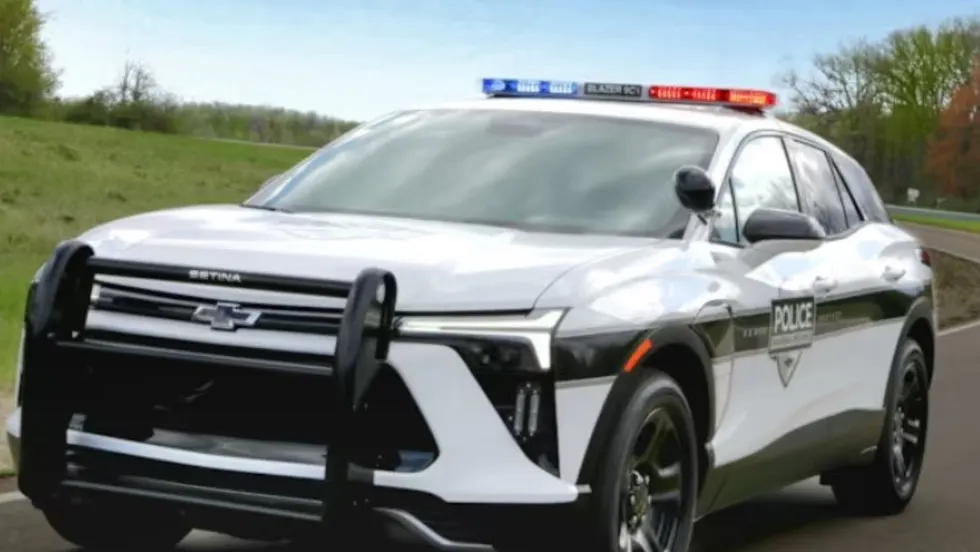
Initial Results Released from MSP 2024 Police Vehicle Testing
The 2024 pursuit-rated vehicles--all pickup trucks or SUVs, including two battery electric models the Chevrolet Blazer EV AWD and Ford Mustang Mach-E--were put through their paces.
Read More →
Officer Safety Considerations Related to Alternative-Fuel Vehicles
As more alternative-fuel and hybrid vehicles hit the road, police and other first responders need to understand that they are no more dangerous than conventional vehicles. However, there are certain safety considerations every cop should know.
Read More →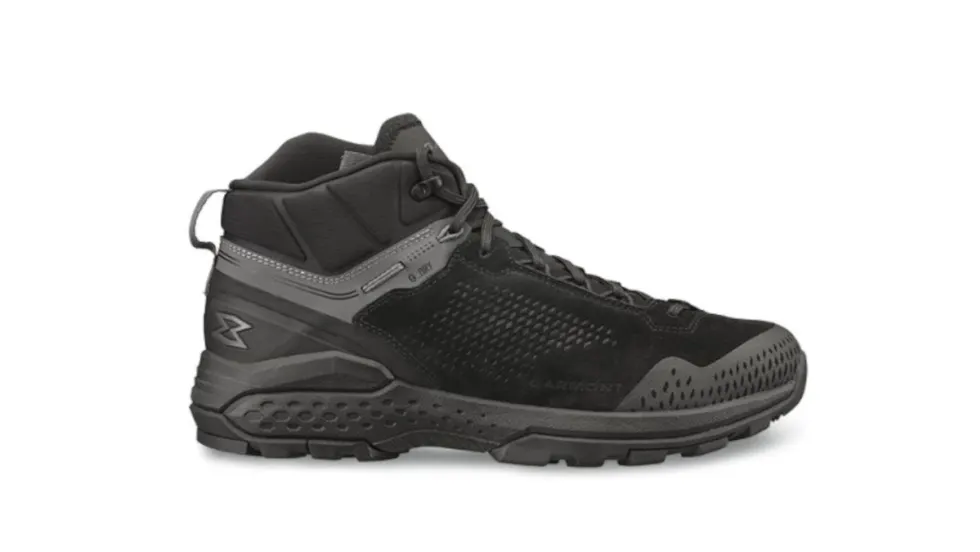
Garmont Working to Grow LE Market Presence
Garmont Tactical has found wide acceptance by military boot buyers, but now the company is trying to better respond to the needs of police officers. Many cops now are not fans of 8-inch boots, so Garmont is adapting.
Read More →
Publisher’s Note: Our Commitment to You
Through our magazine and website and our Police Technology eXchange event, we promise to provide you with information and access to resources to help you do your job safer and better.
Read More →
10 Tips for Responding to Mental Health Crisis Calls
The Harris County Sheriff's Office is a model for other agencies that want to learn about crisis intervention and mental health crisis response. Sgt. Jose Gomez shares the story of their programs and provides 10 tips for mental health crisis call response
Read More →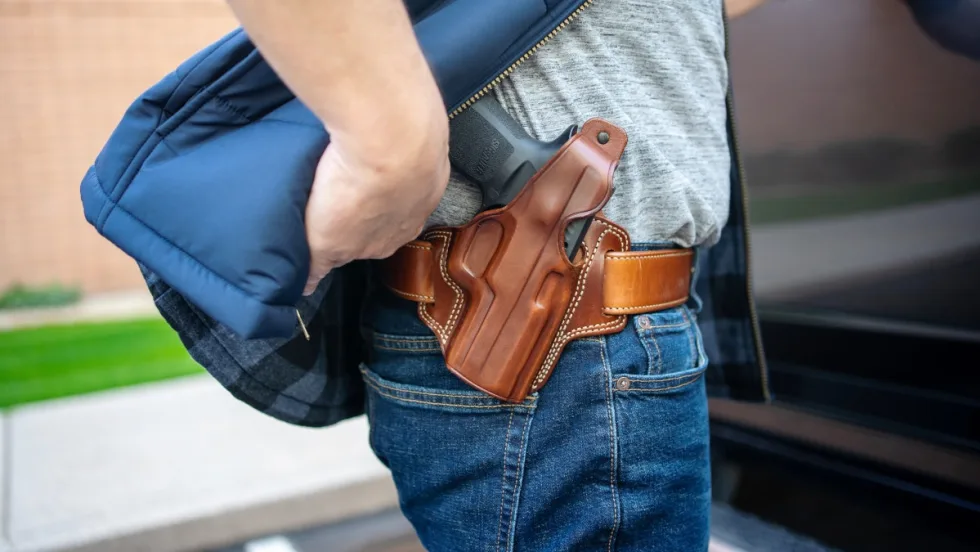
5 Things to Know When Buying Concealed-Carry or Off-Duty Holsters
Mike Barham, of Galco Holsters, shares five important considerations to keep in mind when you buy off-duty concealed or plain-clothes carry holsters.
Read More →
10 Tips for Reviewing Use-of-Force Reports
While the burden of accurately reporting use-of-force situations is on an individual deputy or officer, the person reviewing those reports shares in the responsibility of making sure the reporting is done properly, with clear details included.
Read More →