



Can We Stop School Shooters?
At NIU, police responded within two minutes of the first reports. However, the shooter still managed to kill five people then turn the gun on himself all before police could stop him.It’s difficult to fathom how police can respond faster.

Once again, an active shooter has wreaked deadly havoc on another
American campus. This time it was Northern Illinois University, where a
gunman walked into a college lecture hall and without warning opened
fire on students with a pump shotgun and three handguns. He killed five
students and wounded a number of others, before killing himself. Campus
police responded in 90 seconds, but they weren’t able to stop him.
The NIU massacre is the latest in a string of recent deadly active
shooter tragedies. So unfortunately, it’s nothing new. But what is new
and disturbing is the apparent change in shooter tactics—shooting as
many victims as fast as possible then committing suicide— before police
can intervene.
The active shooter threat manifested itself in the early 1980s. For
a number of years, law enforcement was hard-pressed to come up with a
viable solution, relying on SWAT instead of first responders.
That all changed after the 1999 Columbine shooting tragedy when
police recognized that waiting for SWAT was costing innocent lives.
This marked the first major change in police response strategy to
high-risk situations since the creation of SWAT.
Since Columbine, virtually every police agency in the United States
and Canada has trained (and often equipped) first responders (read:
“patrol officers”) to immediately intervene in active shootings. This
tactic has proven effective numerous times—as the only truly effective
way to stop active shooters is to physically stop them—shooting them
when necessary to save innocent lives.
However, last April, the alarm bells rang loud and clear after the
deadliest active shooter tragedy in American history occurred at
Virginia Tech University. The
VTU shooter planned the “hit,” which included impeding responding police by
barricading and locking building doors. This only briefly slowed police
down. They were inside the building in force within nine minutes of the
first reports. However, by then, the shooter had killed 34 people and
himself, all before police could reach him.
At NIU, police responded within two minutes of the first reports.
However, the shooter still managed to kill five people then turn the
gun on himself before police could stop him.
It’s difficult to
fathom how police can respond faster than two minutes or even nine
minutes. They must first be notified something’s happening, then race
to the scene, locate, identify, and engage the shooter. Frankly, time
is definitely not on our side when it comes to active shooters.
Active shooters are not only law enforcement’s problem and
challenge, but also one facing all of society. For whatever personal
reasons, some of the disgruntled and disturbed of today’s society have decided
that mass murder is their recourse.
Active shooters are engaging in a deadly “chess game” against
society and police, generating fear and causing us to change our entire way of
life. Make no mistake about it: Active shooters are “terrorists,” maybe
not in the traditional political sense, but they are terrorists
nonetheless. Regardless of the source or motivation, terror in any
form, is still terror.
This brings me to the reason for this commentary. And that is what,
if anything, can law enforcement do to stem the growing threat of
active shooters? I refuse to believe that “police are powerless” as
some police detractors believe. History has shown otherwise. American
law enforcement has always proven itself capable of meeting and
tackling any and all challenges , no matter how daunting or deadly.
The more than 1 million law enforcement officers in America today
represent a wealth of knowledge and talent, which if focused on a
specific problem, should result in a viable solution to thwart active
shooters. This means all who are in law enforcement—in any capacity—not
only those in command.
I don’t pretend to know the answer, but I am confident that if law
enforcement puts its collective heads and capabilities together and
brainstorms, the solution will manifest itself.
But we need to remember the “clock is ticking,” because like lightning strikes, “it can happen here."
More Blog Posts
Preventing Heat Injury in Police K-9s
In the relentless heat of summer and even early fall in some parts of the country, officers face the important task of protecting their K-9 partners while working in sweltering temperatures. Recognizing changes in a dog’s behavior is the key.
Read More →
Why Your Agency Needs to Attend the ILEETA Conference
ILEETA is a complete resource for trainers to address trainers' needs. Its mission is to enhance the skills and safety of criminal justice practitioners while fostering stronger and safer communities.
Read More →
IACP 2023: New Training Products
Technologies for improving law enforcement training and training management were some of the highlights at this year's show.
Read More →
Initial Results Released from MSP 2024 Police Vehicle Testing
The 2024 pursuit-rated vehicles--all pickup trucks or SUVs, including two battery electric models the Chevrolet Blazer EV AWD and Ford Mustang Mach-E--were put through their paces.
Read More →
Officer Safety Considerations Related to Alternative-Fuel Vehicles
As more alternative-fuel and hybrid vehicles hit the road, police and other first responders need to understand that they are no more dangerous than conventional vehicles. However, there are certain safety considerations every cop should know.
Read More →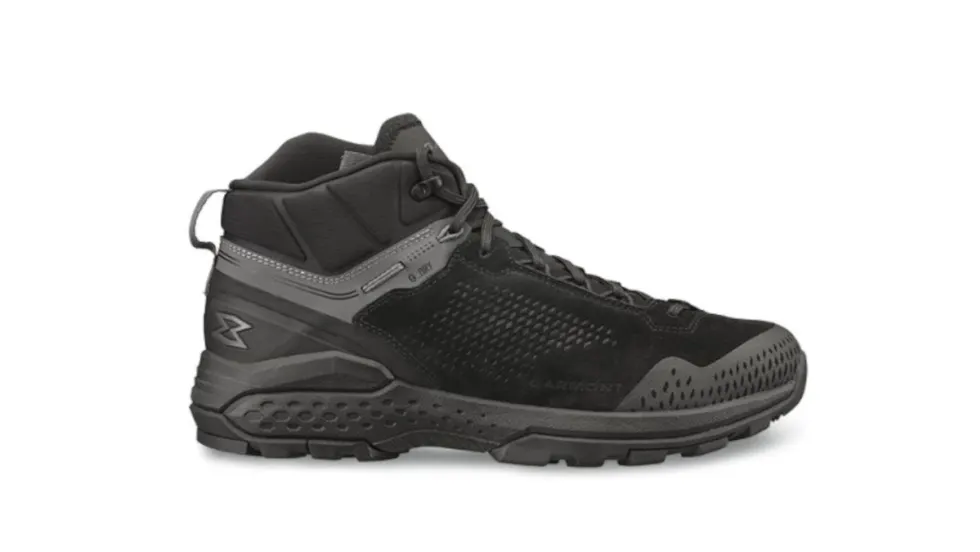
Garmont Working to Grow LE Market Presence
Garmont Tactical has found wide acceptance by military boot buyers, but now the company is trying to better respond to the needs of police officers. Many cops now are not fans of 8-inch boots, so Garmont is adapting.
Read More →
Publisher’s Note: Our Commitment to You
Through our magazine and website and our Police Technology eXchange event, we promise to provide you with information and access to resources to help you do your job safer and better.
Read More →
10 Tips for Responding to Mental Health Crisis Calls
The Harris County Sheriff's Office is a model for other agencies that want to learn about crisis intervention and mental health crisis response. Sgt. Jose Gomez shares the story of their programs and provides 10 tips for mental health crisis call response
Read More →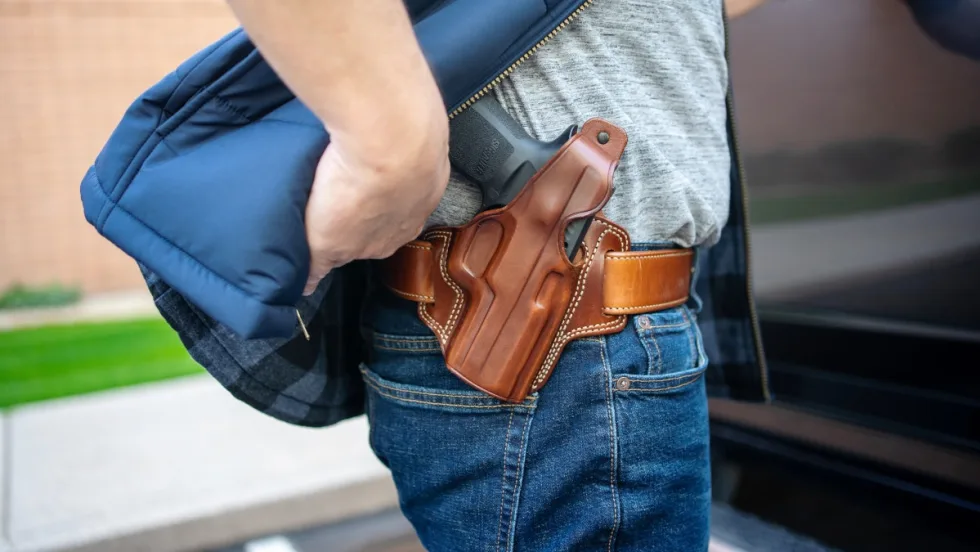
5 Things to Know When Buying Concealed-Carry or Off-Duty Holsters
Mike Barham, of Galco Holsters, shares five important considerations to keep in mind when you buy off-duty concealed or plain-clothes carry holsters.
Read More →
10 Tips for Reviewing Use-of-Force Reports
While the burden of accurately reporting use-of-force situations is on an individual deputy or officer, the person reviewing those reports shares in the responsibility of making sure the reporting is done properly, with clear details included.
Read More →