



BlackHawk's Night Ops Xiphos Weapons Light
In January, I attended my 10th SHOT Show. Each year I always seem to leave the show with a couple of interesting items test and evaluate for personal or professional use. One of my favorite items from this year’s show was the Night Ops Weapons Light, a compact and versatile light designed to be mounted on the utility rail of a pistol, rifle, or shotgun.

In January, I attended my 10th SHOT Show. Each year I always seem to leave the show with a couple of interesting items to test and evaluate for personal or professional use.
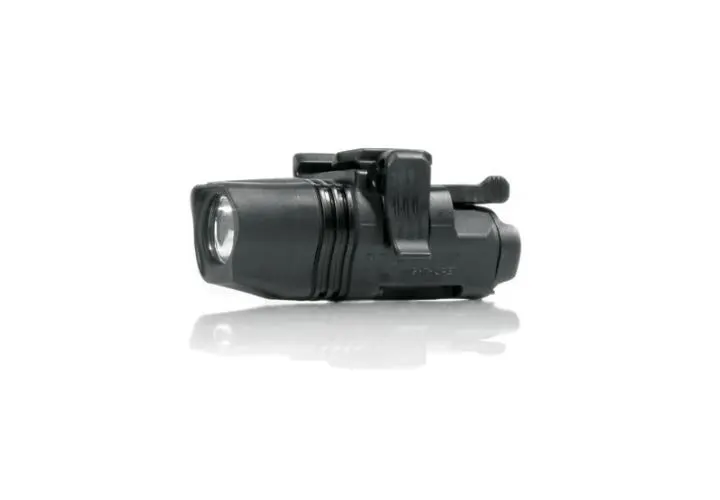
One of my favorite items from this year’s show was the Night Ops Weapons Light, a compact and versatile light designed to be mounted on the utility rail of a pistol, rifle, or shotgun.
Weapon-mounted lights (WMLs) are a point of controversy for some, myself included. I am not of the opinion that it is a great idea to turn a gun into a flashlight, or vice-versa, in general practice.
There are, however, specific circumstances when I think it is a great idea to have the option. Law enforcement and military professionals happen to find themselves in these particular circumstances quite often and, therefore, can benefit from the utility of a WML a greater percentage of the time than someone interested in home or self-defense.
At the most fundamental level, WMLs are incredibly useful for situations when you need to be doing more than one thing with your hands and one of them is point or shoot a gun in low light. The fact is that the armed professionals mentioned above often find themselves in low-light situations where they need to do a number of things with the weapon at the ready or even while engaging a threat.
Having the ability to produce a lethal response, cast light on a subject, control a bystander, use your radio, and/or do any number of other things simultaneously is incredibly important during low-light CQB situations. But you can’t point a gun at everything you need to illuminate on the job. If you choose to have a weapon-mounted light, I suggest that it be mounted as a “backup” in case your handheld light goes down or you need to use the weapons mounted light for a specific situation.
Back to the Night Ops Xiphos WML. The Xiphos follows the tradition of the Gladius handheld light from Night Ops in some ways, but also deviates in at least one important way.
The Gladius is one of the most sophisticated, complicated, and expensive lights on the market. It is fully adjustable in terms of brightness, is designed to manage battery life to an impressive extent, and can be used in an automatic strobing mode that distracts and disorients subjects. The Xiphos does most of the things that the Gladius does, but at a lower price point, in a more compact package, and with a much simpler user interface.
The whole idea of writing the term “user interface” for a flashlight is notable. It wasn’t long ago that the only option a user had with a flashlight besides “off” and “on” was focusing the beam for a tight or wide beam. Even then, I can remember some officers twisting the bezel of their 4 D Cell light until the thing popped open, rendering it useless for at least a moment or two.
The simpler something is, the more efficient it will usually be. The Gladius has been criticized by many, myself included, for being too complex. Admittedly, once I spent a few moments with the light, it was easy to figure out, but operating the Gladius definitely is a perishable skill and the last thing a police officer needs under stress is a flashlight that he or she can’t remember how to use.
Enter the Xiphos NT, with just one push lever that operates all functions of the light. Push the lever, and the light comes on. Push the lever again and the light goes off. Simple enough, and this is all you really need at the fundamental level.
What about the options? Tap the lever twice instead of just pushing it, and you get the much talked about Night Ops strobe effect. Another way to use the on-off lever is to press it twice slowly and hold it down; this turns it into a “momentary” switch, shutting the light off upon release.
One unique feature of the Xiphos is the mounting clamp, which grasps the rails at any point the user chooses. This allows easier mounting, especially on long guns, than traditional WML designs, which need to be slid onto the rail, locking only at specific points.
The Xiphos is lightweight and bright and designed to operate for more than two hours on one 3-volt battery. It is relatively compact and, of course, Blackhawk is designing a series of the SERPA holsters that work with a variety of pistols with Xiphos lights attached.
If you’re in the market for a weapons-mounted light, take a good look at the Xiphos. At $199.99, it’s not cheap, but it is a good value with excellent ergonomics and features.
More Blog Posts
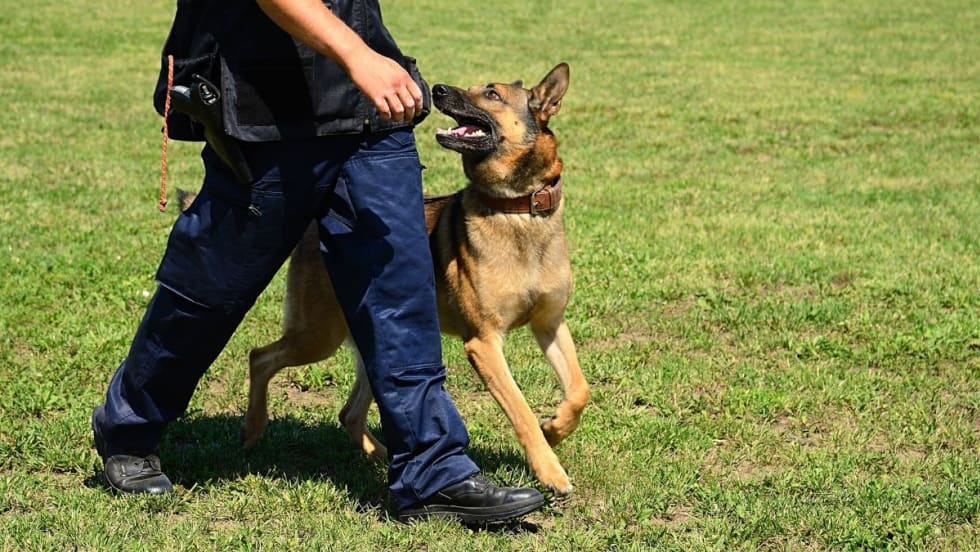
Preventing Heat Injury in Police K-9s
In the relentless heat of summer and even early fall in some parts of the country, officers face the important task of protecting their K-9 partners while working in sweltering temperatures. Recognizing changes in a dog’s behavior is the key.
Read More →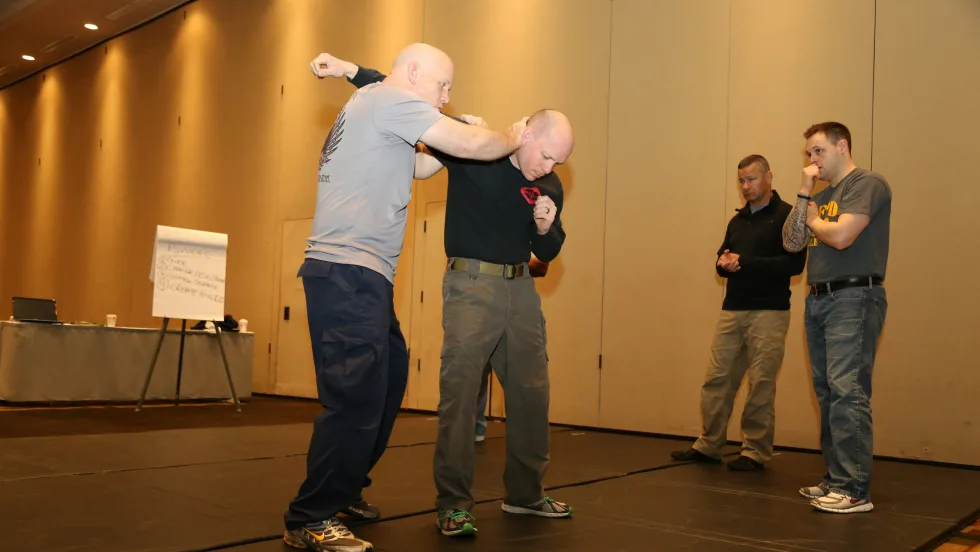
Why Your Agency Needs to Attend the ILEETA Conference
ILEETA is a complete resource for trainers to address trainers' needs. Its mission is to enhance the skills and safety of criminal justice practitioners while fostering stronger and safer communities.
Read More →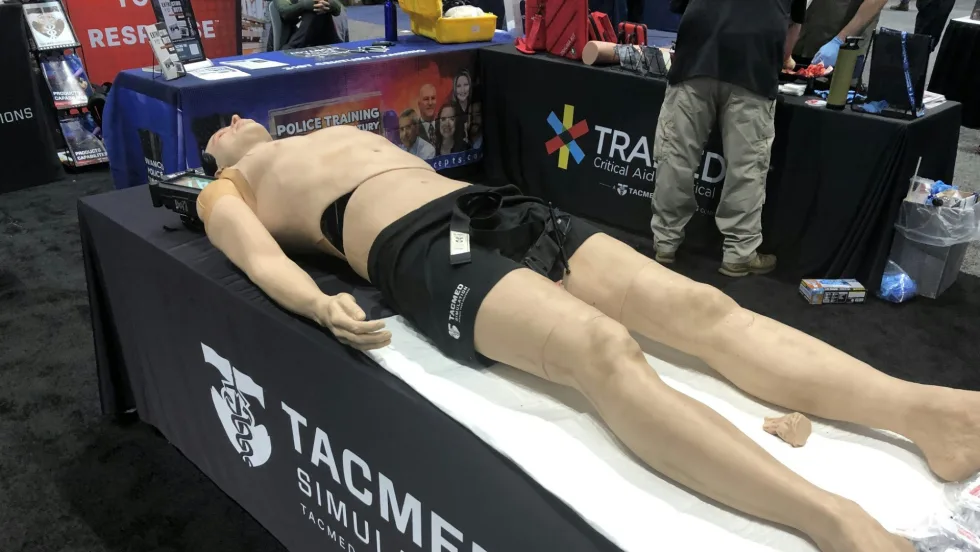
IACP 2023: New Training Products
Technologies for improving law enforcement training and training management were some of the highlights at this year's show.
Read More →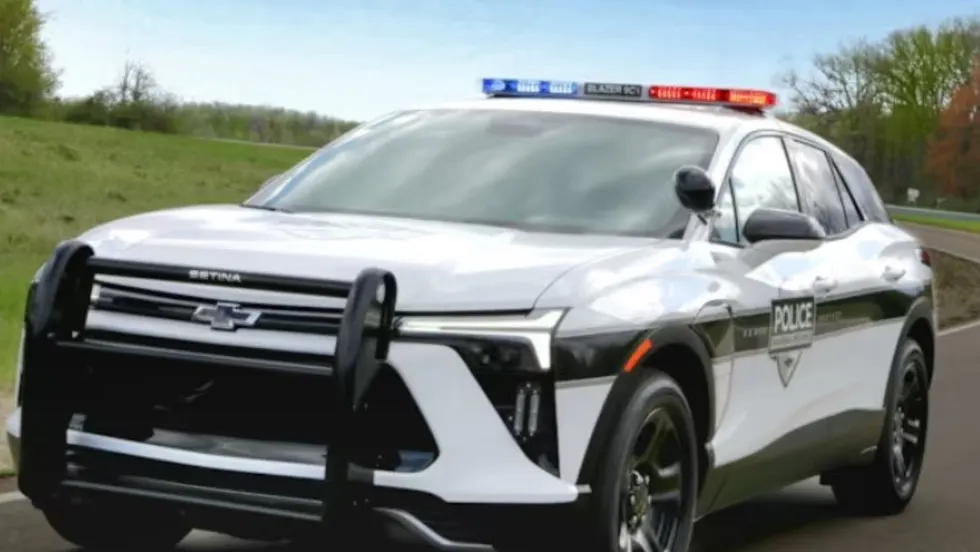
Initial Results Released from MSP 2024 Police Vehicle Testing
The 2024 pursuit-rated vehicles--all pickup trucks or SUVs, including two battery electric models the Chevrolet Blazer EV AWD and Ford Mustang Mach-E--were put through their paces.
Read More →
Officer Safety Considerations Related to Alternative-Fuel Vehicles
As more alternative-fuel and hybrid vehicles hit the road, police and other first responders need to understand that they are no more dangerous than conventional vehicles. However, there are certain safety considerations every cop should know.
Read More →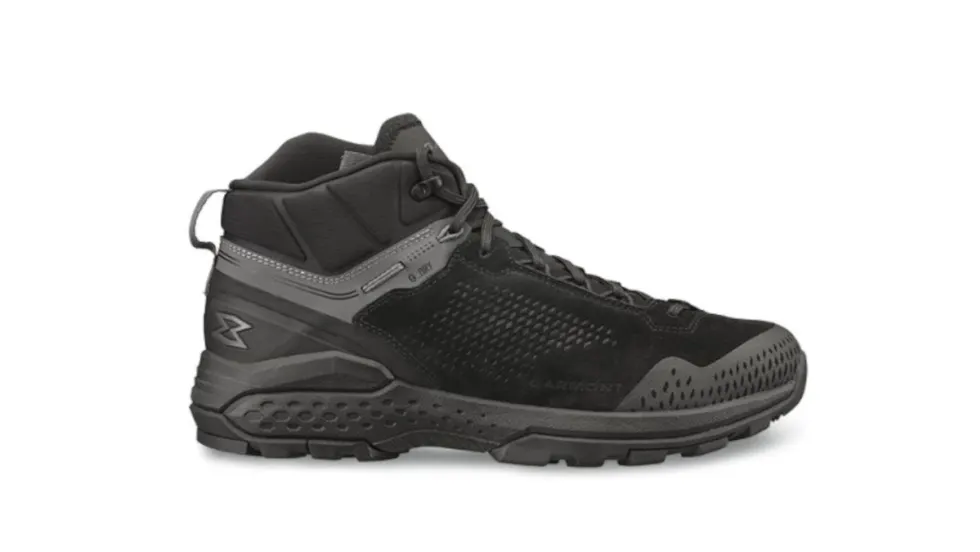
Garmont Working to Grow LE Market Presence
Garmont Tactical has found wide acceptance by military boot buyers, but now the company is trying to better respond to the needs of police officers. Many cops now are not fans of 8-inch boots, so Garmont is adapting.
Read More →
Publisher’s Note: Our Commitment to You
Through our magazine and website and our Police Technology eXchange event, we promise to provide you with information and access to resources to help you do your job safer and better.
Read More →
10 Tips for Responding to Mental Health Crisis Calls
The Harris County Sheriff's Office is a model for other agencies that want to learn about crisis intervention and mental health crisis response. Sgt. Jose Gomez shares the story of their programs and provides 10 tips for mental health crisis call response
Read More →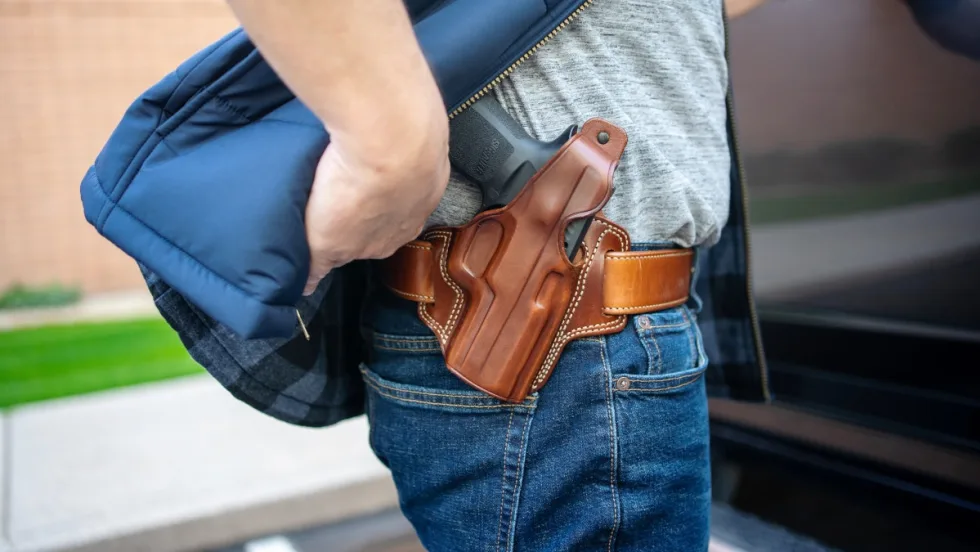
5 Things to Know When Buying Concealed-Carry or Off-Duty Holsters
Mike Barham, of Galco Holsters, shares five important considerations to keep in mind when you buy off-duty concealed or plain-clothes carry holsters.
Read More →
10 Tips for Reviewing Use-of-Force Reports
While the burden of accurately reporting use-of-force situations is on an individual deputy or officer, the person reviewing those reports shares in the responsibility of making sure the reporting is done properly, with clear details included.
Read More →