



Bait Devices Help Law Enforcement Crack Down on Cellphone, Tablet Theft
Through its bait program using Assisted Patrol-equipped devices, Dayton arrested and convicted four individuals who had been arrested for a total of 45 felonies and theft from automobiles in the downtown precinct decreased by 80%for over one year. These results were achieved without stakeouts and with no overtime expenses.


Photo of theft suspects arrested in Dayton, Ohio, by officers using Assisted Patrol bait devices.
One of the most difficult crimes for officers to investigate or prevent is the theft of small but valuable electronic items, such as smartphones, GPS systems, and tablets. Smartphone theft is particularly distressing for the public because so much personal information, including identity and financial data, is accessible to the thieves after smartphones have been stolen.
One of the tools that law enforcement agencies are using to fight this type of crime is a high-tech system called Assisted Patrol. Developed specifically to help law enforcement bait and capture thieves, the Assisted Patrol system consists of sensors that alert officers with texts when an item has been stolen, a built-in camera to take photos of the perpetrators, and a GPS tracker. Assisted Patrol also features security systems that prevent thieves from removing the SIM card or turning off the device.
Assisted Patrol operates on a customized smartphone or tablet. Officers deploy the system by leaving it in plain view or in a vehicle, purse, or bag. The device is activated and placed in an area where theft commonly occurs. If a thief steals the device, Assisted Patrol takes photos and sends a text message to monitoring officers. Assisted Patrol says its technology is suited for use in a variety of environments, including parking lots, inside malls, on residential streets, inside office buildings, at universities and schools, in gyms, in transit stations, and at cellphone stores.
A recent arrest by the Dayton (Ohio) Police Department shows the value of the system. An Assisted Patrol-equipped device was deployed in a vehicle in a public parking lot. A thief broke into the car, removed the device, and started to walk away. A nearby officer received a text alerting him to the theft. The suspect was captured with the device a block away from the parking lot less than five minutes after the theft. He pleaded guilty to the crime and was convicted.
Through its bait program using Assisted Patrol-equipped devices, Dayton arrested and convicted four individuals who had been arrested for a total of 45 felonies and theft from automobiles in the downtown precinct decreased by 80%for over one year. These results were achieved without stakeouts and with no overtime expenses.
The Dayton experience has spurred other agencies to start an Assisted Patrol bait program to combat smartphone and tablet theft. Last month the Charlotte-Mecklenburg Police Department implemented a program in the city's Uptown Entertainment District.
The Charlotte program not only targets criminals, it also encourages the public to be "Good Samaritans." People who turn in unattended Assisted Patrol–equipped cellphones or tablets to the staff of restaurants or clubs or to the police receive a gift card. Police plan to use social media to highlight when people return the bait phones and get the gift cards.
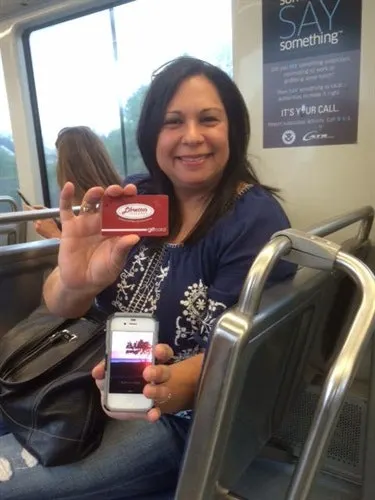
This "Good Samaritan" received a gift card for turning in an Assisted Patrol-equipped device that she found on a Charlotte train.
Last year, 399 cellphones were stolen in Charlotte's Central Division, police told the Charlotte Observer, along with 117 tablets and laptops. CMPD statistics show that larcenies make up 67 percent of all crime in the Central Division, which encompasses the Uptown area. In the first week of operations, Charlotte arrested two theft suspects and gave gift cards to two Good Samaritans.
For more information on Assisted Patrol go to www.assistedpatrol.com.
More Blog Posts

Preventing Heat Injury in Police K-9s
In the relentless heat of summer and even early fall in some parts of the country, officers face the important task of protecting their K-9 partners while working in sweltering temperatures. Recognizing changes in a dog’s behavior is the key.
Read More →
Why Your Agency Needs to Attend the ILEETA Conference
ILEETA is a complete resource for trainers to address trainers' needs. Its mission is to enhance the skills and safety of criminal justice practitioners while fostering stronger and safer communities.
Read More →
IACP 2023: New Training Products
Technologies for improving law enforcement training and training management were some of the highlights at this year's show.
Read More →
Initial Results Released from MSP 2024 Police Vehicle Testing
The 2024 pursuit-rated vehicles--all pickup trucks or SUVs, including two battery electric models the Chevrolet Blazer EV AWD and Ford Mustang Mach-E--were put through their paces.
Read More →
Officer Safety Considerations Related to Alternative-Fuel Vehicles
As more alternative-fuel and hybrid vehicles hit the road, police and other first responders need to understand that they are no more dangerous than conventional vehicles. However, there are certain safety considerations every cop should know.
Read More →
Garmont Working to Grow LE Market Presence
Garmont Tactical has found wide acceptance by military boot buyers, but now the company is trying to better respond to the needs of police officers. Many cops now are not fans of 8-inch boots, so Garmont is adapting.
Read More →
Publisher’s Note: Our Commitment to You
Through our magazine and website and our Police Technology eXchange event, we promise to provide you with information and access to resources to help you do your job safer and better.
Read More →
10 Tips for Responding to Mental Health Crisis Calls
The Harris County Sheriff's Office is a model for other agencies that want to learn about crisis intervention and mental health crisis response. Sgt. Jose Gomez shares the story of their programs and provides 10 tips for mental health crisis call response
Read More →
5 Things to Know When Buying Concealed-Carry or Off-Duty Holsters
Mike Barham, of Galco Holsters, shares five important considerations to keep in mind when you buy off-duty concealed or plain-clothes carry holsters.
Read More →
10 Tips for Reviewing Use-of-Force Reports
While the burden of accurately reporting use-of-force situations is on an individual deputy or officer, the person reviewing those reports shares in the responsibility of making sure the reporting is done properly, with clear details included.
Read More →