



Are You Dealing With A Super Genius?
An ABA Journal story recalled the rewards that can come from perusing others' scribblings. About the only thing these mental mavericks lack is a prognostication on how long a sentence they'll get for the sentences they write.

CC_Flickr: marsmet523
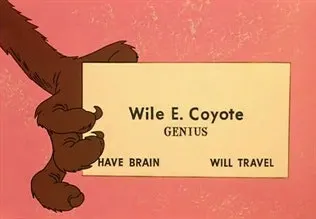
The incident regarding the perpetrators of a $200,000 heist who were so enamored of their masks that they wrote a fan letter extolling the company's virtues reminded me that we will always have job security so long as we live in a land of Canis latrans—you may remember Wile E. Coyote's business card that read, "Genius ... Have Brain. Will Travel."
The ABA Journal story also recalled the rewards that can come from perusing others' scribblings. About the only thing these mental mavericks lack is a prognostication on how long a sentence they'll get for the sentences they write.
Custody deputies have found everything from incriminating statements written by murderers, to green light "hits," to escape plans. The letter-writing campaigns of suspects such as the Unabomber and the D.C. snipers helped establish motives that have proven profitable for prosecutors (in the case of the Zodiac killer and Jack the Ripper, not so much). Serial killer and cannibal Albert Fish confessed his crimes in letters to his lawyer. With the Anthrax killer, they were part and parcel of the crime itself.
Like bread crumbs, these paper trails may even avail a means of backtracking to those culpable for crimes. It's been noted that Samuel Arnold's incriminating letter to John Wilkes Booth found in a trunk was practically the only evidence used to convict him as a conspirator in Lincoln's assassination.
Working patrol, I would occasionally happen upon some opportune piece of reading. At one traffic stop, I found a letter in a glove box from an aggrieved mother articulating her growing frustration over her son's refusal to return her car and wonderment at what she would have to do to get her car back (I found out soon enough when I ran the plate thereafter. She'd reported it stolen). Or the time a deputy assured me that all was fine on an attempted suicide call and that no such threat had occurred and we could leave—that is, until I found a suicide note on the girl's bed.
Then there was the guy I'd found whacked out on PCP whilst sitting in his vehicle. He had started to compose a letter, and at some point during its composition the drug began to take effect. One could track the trajectory of the chemical's assault on his limited faculties as his somewhat legible penmanship devolved into an illegible scrawl. Hitherto affectionate sentiments soon became "I WANT TO K I L L Y O U." The letters grew larger, shakier, and more spaced apart with each succeeding entry until they eventually went right off the page.
Notes and letters can pop up anywhere.
Carmel (N.Y.) Police officers talked a gentleman down and got him to discard a knife. While getting ready for psychological intervention, they found a note stuffed inside his sock that indicated that he'd intended a suicide by cop (no doubt scribed in anticipation of the coroner's discovery of it).
Sixty-four-year-old Datha Nation of Colorado was busted after cops found her inside a bank parking lot with a note demanding money and telling the clerks not to include any dye pack money. As it was her third attempt at robbing the same bank, maybe she'd pressed her luck once too often.
Sometimes, you have to keep an eye out for these bank robbery notes, lest they go the way of this one:
Then there's the Brooklyn man accused of running a $40 million rip-off out of a storefront. In hopes of avoiding an indictment, he turned over some papers to authorities. He doubtlessly regrets the one wherein he describes himself as "just a crook running a Ponzi scheme."
No less incriminating was a note left inside a house in Cowlitz County, Wash., wherein one dirtbag thoughtfully warned his compatriots, "Do not open door and let anyone in! Stolen Stuff visable." As Deputy Charles Rosenzweig said in the aftermath of recovering stolen guns and other valuables, "Nothing like helping us figure out what's going on."
The letters may not even be their own, as in the case of the Seattle numbnuts who were spotted stopping at roadside mailboxes before being detained by the city's finest. Occupying the passenger compartment with them? Letters and envelopes of local residents.
Even if you can't get the note yourself, there's no harm asking if someone else has read something of interest. Lyle Menendez's ex-fiancee was able to testify reading a letter that he'd written to her and held up to the glass partition separating them during a jail visit. In it, Lyle apologized for lying to her and blamed the murders of his mother and father on their abuse of him.
Of course, they say writing is fast becoming a lost art, and if the amputated hieroglyphics I routinely find on my iPhone messages are any indicator, who am I to argue? But I believe that there will always be some written record of misdeeds. It may be in their cell phones. It might be on their Facebook page.
For as the tagger himself would no doubt assert, the writing's on the wall.
More Blog Posts
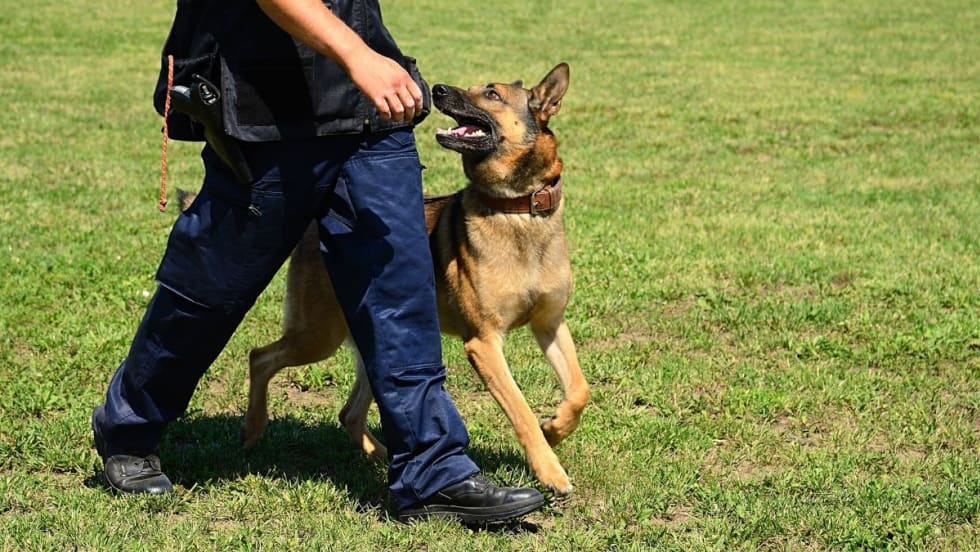
Preventing Heat Injury in Police K-9s
In the relentless heat of summer and even early fall in some parts of the country, officers face the important task of protecting their K-9 partners while working in sweltering temperatures. Recognizing changes in a dog’s behavior is the key.
Read More →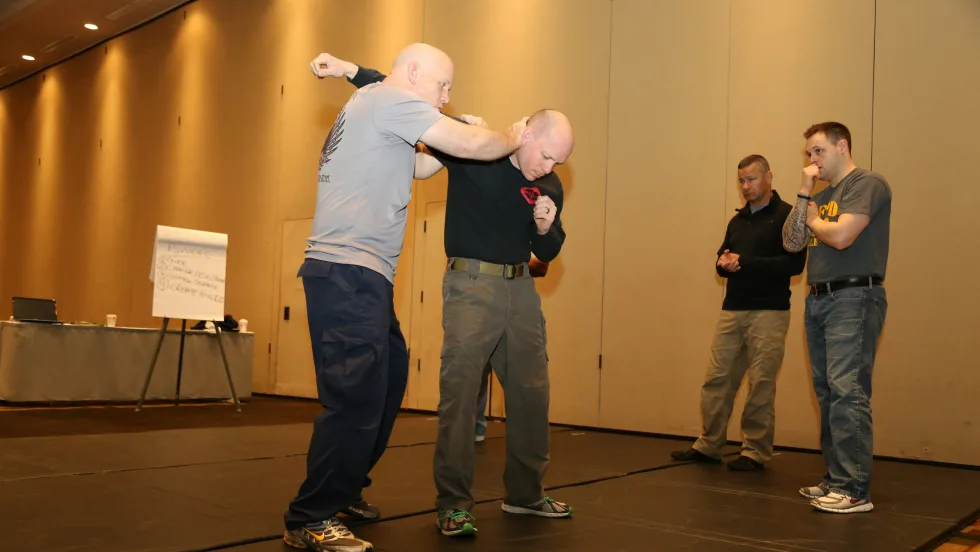
Why Your Agency Needs to Attend the ILEETA Conference
ILEETA is a complete resource for trainers to address trainers' needs. Its mission is to enhance the skills and safety of criminal justice practitioners while fostering stronger and safer communities.
Read More →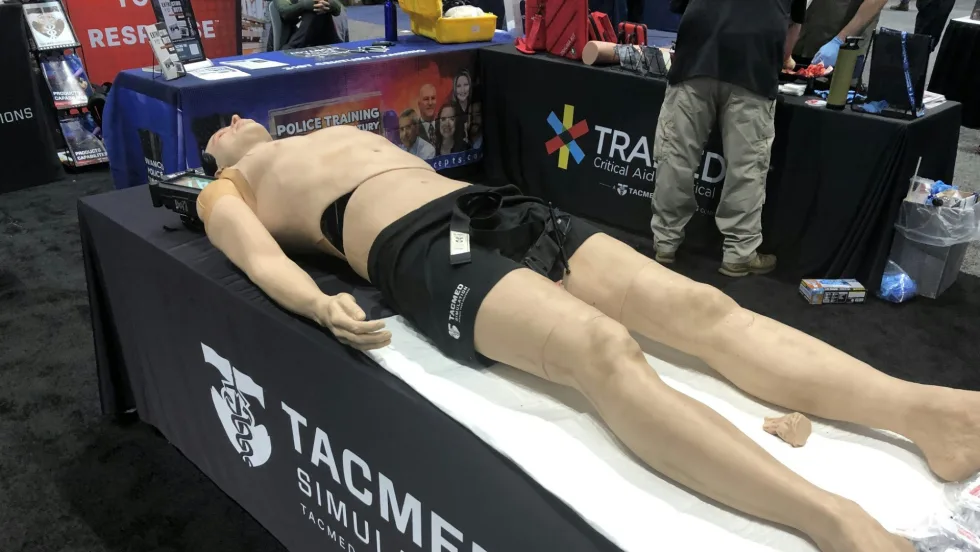
IACP 2023: New Training Products
Technologies for improving law enforcement training and training management were some of the highlights at this year's show.
Read More →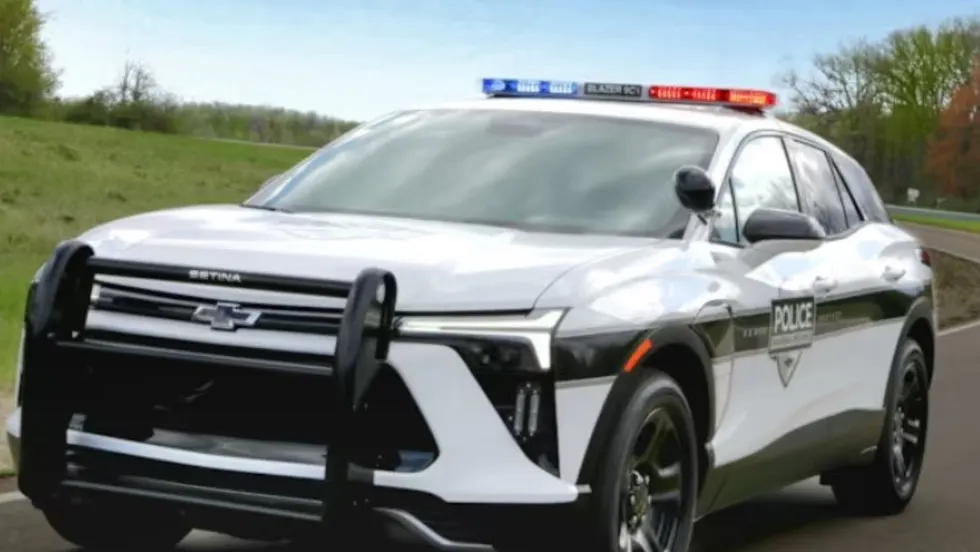
Initial Results Released from MSP 2024 Police Vehicle Testing
The 2024 pursuit-rated vehicles--all pickup trucks or SUVs, including two battery electric models the Chevrolet Blazer EV AWD and Ford Mustang Mach-E--were put through their paces.
Read More →
Officer Safety Considerations Related to Alternative-Fuel Vehicles
As more alternative-fuel and hybrid vehicles hit the road, police and other first responders need to understand that they are no more dangerous than conventional vehicles. However, there are certain safety considerations every cop should know.
Read More →
Garmont Working to Grow LE Market Presence
Garmont Tactical has found wide acceptance by military boot buyers, but now the company is trying to better respond to the needs of police officers. Many cops now are not fans of 8-inch boots, so Garmont is adapting.
Read More →
Publisher’s Note: Our Commitment to You
Through our magazine and website and our Police Technology eXchange event, we promise to provide you with information and access to resources to help you do your job safer and better.
Read More →
10 Tips for Responding to Mental Health Crisis Calls
The Harris County Sheriff's Office is a model for other agencies that want to learn about crisis intervention and mental health crisis response. Sgt. Jose Gomez shares the story of their programs and provides 10 tips for mental health crisis call response
Read More →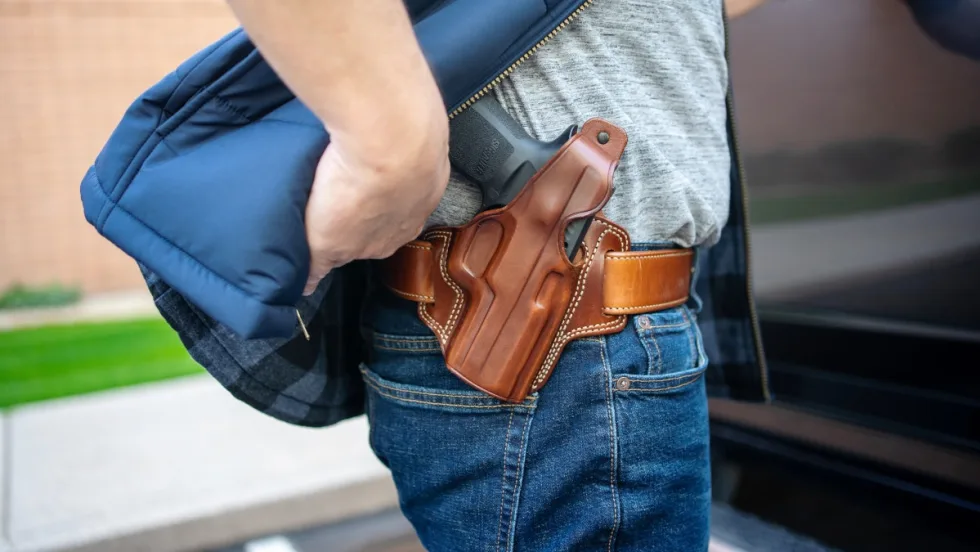
5 Things to Know When Buying Concealed-Carry or Off-Duty Holsters
Mike Barham, of Galco Holsters, shares five important considerations to keep in mind when you buy off-duty concealed or plain-clothes carry holsters.
Read More →
10 Tips for Reviewing Use-of-Force Reports
While the burden of accurately reporting use-of-force situations is on an individual deputy or officer, the person reviewing those reports shares in the responsibility of making sure the reporting is done properly, with clear details included.
Read More →