



A Cop's Dilemma: Speak No Evil
No agency wants its personnel speaking ill of the city that funds its department. But to say that all areas of a city are equally safe is patently absurd. That being the case, if an officer knows that a citizen runs the risk of becoming victimized in some capacity, should he articulate the fact?

Some stories seem tailor made for national reportage. A conversation that had apparently taken place last month between Officer Ted Crisco and Bob Esposito—a St. Petersburg, Fla., father—certainly appeared to be one of them.
As reported in the media, the officer had the temerity to warn the man against allowing his daughter to hang around the Northshore Pool at night. Esposito then contacted various civic leaders within the community and bent the ear of at least one enterprising reporter who took the ball and ran with it. Before long, national newswires were running editorials on how some pissed off councilmen wanted a piece of the officer's ass. The department had even initiatited an investigation into the officer's having made "disparaging comments against the city."
My first response was, How chickenshit.
I was damn near salivating when I dialed the St. Petersburg Police Department. A PIO with the department was kind enough to get back to me. He clarified the matter for me, letting me know that the officer had never been subject to an investigation, but that an inquiry had been made to determine what had actually been communicated to Esposito given the hornet's nest that been stirred up among the local politicos. He also said that there'd been some confusion over a pursuit and the reasons for its cancellation that'd preceded the conversation.
By the end of our conversation I was, at one level, disappointed: My pious outrage had quickly dissipated and whatever witticisms I'd planned around Crisco being in the frying pan were shot.
On the other, I was heartened to hear that things were not as they'd been reported. Nor was I particularly surprised that the local news reporter who'd put the ball into play had never even contacted the St. Pete PD to see if any of the information being fed him was accurate.
Still, the incident prompts me to wonder at just what point does one bite the hand that feeds them.
If an officer theoretically knows the nuances of his jurisdiction given his professional exposure to it, is he best served by not saying anything about threats to those who may otherwise frequent it? Or is he jeopardizing the business owners who likewise contribute to his salary?
It's a fair question.
On the one hand, if I was genuinely intent on acting in the best interests of a concerned citizen, I would tell him of any prospective dangers associated with the location that he intends to live or do business in.
Beyond that, I couldn't help but be reminded of a period in the early '90s when St. Petersburg's home state had to deal with another ongoing problem: Tourists were getting robbed and killed in the area around Miami International Airport.
Eventually, law enforcement authorities and civic officials effected a number of changes designed to stem the tide of violence, including improved highway lighting, signage warning motorists from entering dangerous areas, a change in the way rental cars are tagged, and a task force that vigorously attacked the problem.
No agency wants its personnel speaking ill of the city that funds its department. But to say that all areas of a city are equally safe is patently absurd. That being the case, if an officer knows that a citizen runs the risk of becoming victimized in some capacity, should he articulate the fact?
I'd love to hear your opinions on this.
More Blog Posts
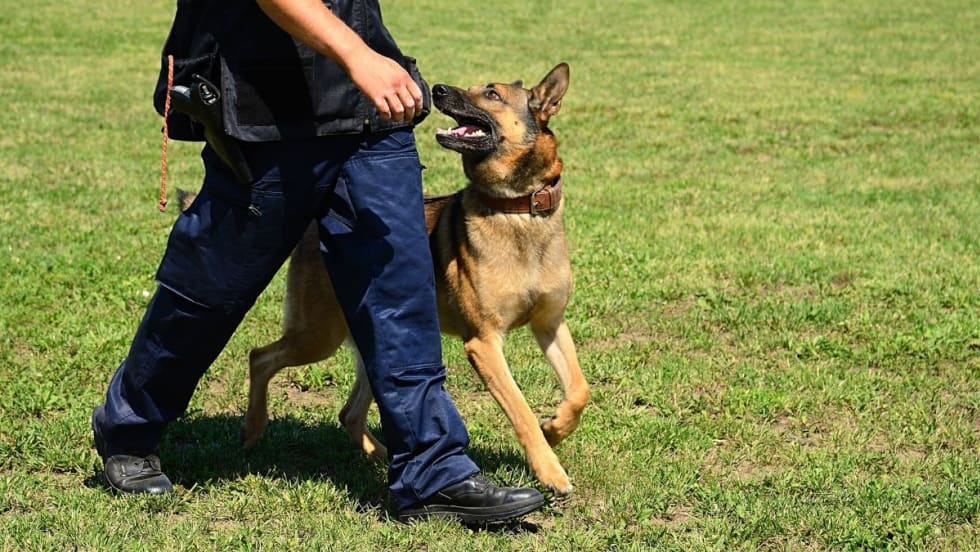
Preventing Heat Injury in Police K-9s
In the relentless heat of summer and even early fall in some parts of the country, officers face the important task of protecting their K-9 partners while working in sweltering temperatures. Recognizing changes in a dog’s behavior is the key.
Read More →
Why Your Agency Needs to Attend the ILEETA Conference
ILEETA is a complete resource for trainers to address trainers' needs. Its mission is to enhance the skills and safety of criminal justice practitioners while fostering stronger and safer communities.
Read More →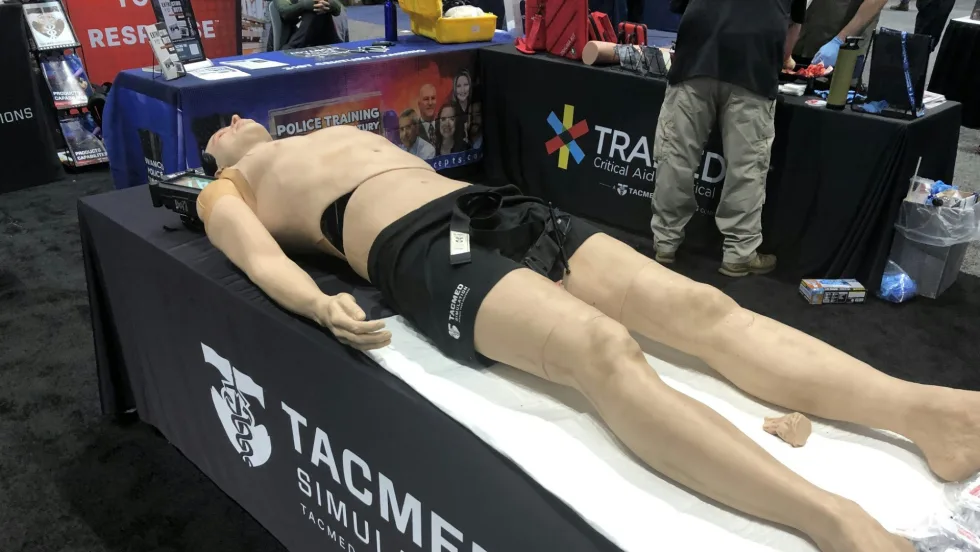
IACP 2023: New Training Products
Technologies for improving law enforcement training and training management were some of the highlights at this year's show.
Read More →
Initial Results Released from MSP 2024 Police Vehicle Testing
The 2024 pursuit-rated vehicles--all pickup trucks or SUVs, including two battery electric models the Chevrolet Blazer EV AWD and Ford Mustang Mach-E--were put through their paces.
Read More →
Officer Safety Considerations Related to Alternative-Fuel Vehicles
As more alternative-fuel and hybrid vehicles hit the road, police and other first responders need to understand that they are no more dangerous than conventional vehicles. However, there are certain safety considerations every cop should know.
Read More →
Garmont Working to Grow LE Market Presence
Garmont Tactical has found wide acceptance by military boot buyers, but now the company is trying to better respond to the needs of police officers. Many cops now are not fans of 8-inch boots, so Garmont is adapting.
Read More →
Publisher’s Note: Our Commitment to You
Through our magazine and website and our Police Technology eXchange event, we promise to provide you with information and access to resources to help you do your job safer and better.
Read More →
10 Tips for Responding to Mental Health Crisis Calls
The Harris County Sheriff's Office is a model for other agencies that want to learn about crisis intervention and mental health crisis response. Sgt. Jose Gomez shares the story of their programs and provides 10 tips for mental health crisis call response
Read More →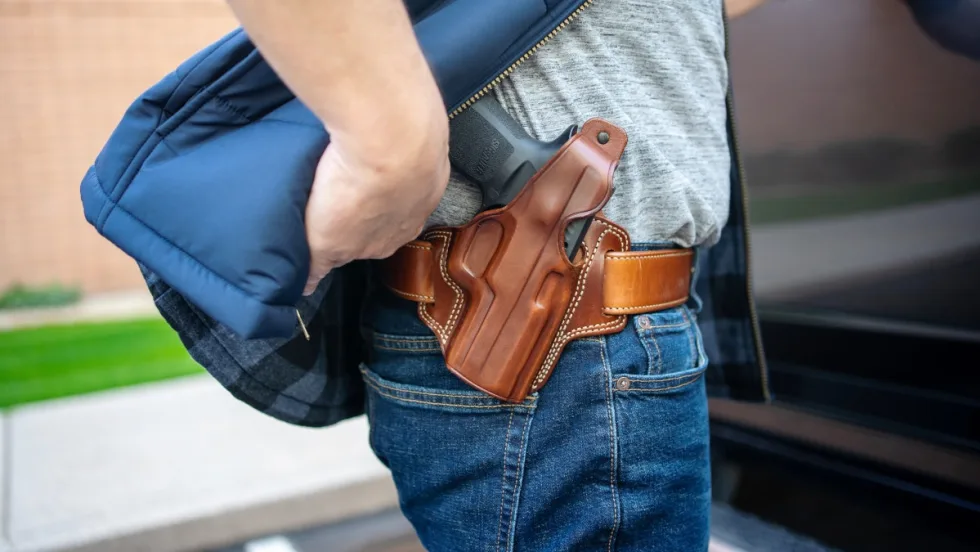
5 Things to Know When Buying Concealed-Carry or Off-Duty Holsters
Mike Barham, of Galco Holsters, shares five important considerations to keep in mind when you buy off-duty concealed or plain-clothes carry holsters.
Read More →
10 Tips for Reviewing Use-of-Force Reports
While the burden of accurately reporting use-of-force situations is on an individual deputy or officer, the person reviewing those reports shares in the responsibility of making sure the reporting is done properly, with clear details included.
Read More →