



20 Years After the Rodney King Riots
Sunday marked the 20th anniversary of the beginning of the Rodney King Riots in Los Angeles. In 1992, major rioting would continue until May 25. Much has changed since those days of anti-police rioting, yet much has remained the same.

Sunday marked the 20th anniversary of the beginning of the Rodney King Riots in Los Angeles. In 1992, major rioting would continue until May 25. Much has changed since those days of anti-police rioting, yet much has remained the same.
In the years preceding the riot, the dominos had been set standing on their ends to tumble down in a chain reaction. The chain reaction was touched off by the acquittal in Simi Valley of four LAPD officers accused of beating Rodney King. If this had not been the spark, I believe, one of many other incidents might have set off a similar conflagration. Los Angeles was ripe for a riot and many forces conspired to make it happen.
One of the primary causes that set the stage for the riot was government and police policies based on politically correct thinking rather than common sense and public safety. The Los Angeles media fanned the embers with sensational headlines and race-baiting coverage.
Prior to King's arrest, in an LAPD booking area, a sarcastic sign read, "Smoke 'em, don't choke 'em!" This referred to the LAPD policy of forbidding the arm bar choke hold (carotid restraint) once used to subdue suspects in a PCP rage. Several experts including Chief Daryl Gates had opined that African Americans were physiologically different in their anatomy, making this hold especially deadly to them. The sign suggested that it would be easier to justify shooting a hysterical, combative suspect rather than try to justify a choke hold to subdue him.
Grappling and swarming techniques were also frowned upon by police instructors during close-quarters combat. Too many officers are shot by suspects with the policeman's own weapon in these types of confrontations, according to this line of thinking. In training, officers were told, "Don't get too close to the suspect."
As a result, officers began to rely more heavily on pepper spray and TASERs. These were considered more modern, kinder and gentler methods of subduing a violent combative suspect. The PC proponents disliked "man handling" suspects. If this failed, they might endorse batons. The old but very effective Gonzales sap was frowned upon. Police batons had evolved from wooden clubs to plastic versions. Eventually, the LAPD issued the side-handled (PR-24) baton. Training and practice in the use of these weapons was sparse. Finally, the plastic batons were replaced by aluminum ones.
During the Rodney King incident, the TASER failed to work on King. Remember, the media-edited video only showed the officers standing away from the suspect and swinging their batons (at times very ineffectively).
The more effective tactic of swarming an uncooperative suspect or grappling him into a choke hold would have ended this incident much more quickly and would have looked better. The department's PC policy and training ensured an uglier standoff where officers beat the suspect with metal batons.
Meanwhile, the Los Angeles media helped stir up racial unrest by focusing on every incident as racial profiling and mistreatment of minorities by police. The victims of these minority suspects were usually of the same race, and many of the police officers were women or men from racial minority groups. Because of complaints in the Latino community, Special Order 40 was instituted to forbid LAPD officers from inquiring about a subject's immigration status. Gang members, drug traffickers and human smugglers loved these law-enforcement-limiting conditions.
Before rioting exploded in Los Angeles, the seeds of violence were planted in government housing projects in South Central by political and racial groups like the Nation of Islam (NOI), Revolutionary Communist Party, the New Black Panthers, and organized criminal gangs like the Crips, Bloods, and Black Guerrilla Family (BGF). The media missed this agitating and fermenting of tension, but police intelligence units did not.
During the initial rioting, individuals were arrested wearing T-shirts calling for unity between Crips and Bloods against the police. Pre-printed NOI fliers called for "Jihad against the LAPD!" If the riots were spontaneous, how did these T-shirts and fliers suddenly appear? They were obviously prepared beforehand in certainty of the riot.[PAGEBREAK]During the turbulent 1960s and '70s, Los Angeles Police officers and sheriff's deputies frequently trained in riot control tactics (DART). In the 1980s, Los Angeles cops stepped up this civil disturbance training for the 1984 Olympic Games. When demonstrations and rioting didn't materialize, riot training was no longer a priority. By 1990, the equipment and training for these disturbances was mothballed. Although the signs and symptoms of civil unrest were evident, law enforcement in Los Angeles was largely unprepared for major rioting.
When the rioting began following the non-guilty verdict, police were told by their administrators and Los Angeles politicians not to "over react." Every properly trained police officer knows that the best opportunity to defuse a growing riot is to not hesitate, to act immediately to contain and arrest the rioters. This is the proper time for a show of force.
Instead, this lack of a strong response from Los Angeles law enforcement allowed the riot to grow and spread. The most obvious symbol of this lack of positive police reaction was when we watched gang members attack and burn the guard shack in front of LAPD's Parker Center on live television. When criminal gangs can burn down the police headquarters' front door without consequence, they run the city.
Los Angeles watched as Reginald Denny was pulled from his vehicle at Florence and Normandie avenues and beaten nearly to death by Damien "Football" Williams and members of the Eight Trey (83) Gangster Crips gang. The media focused on Denny, who was white, but most of the victims beaten and robbed at Florence and Normandie were Latino or Asian. Fidel Lopez was one of these victims. When the cameras caught Eight Trey gangsters pulling down the lifeless victim's pants and spray painting him, it sparked Brown-on-Black rioting in the jails and later throughout the California prison system. The then largely unheard of MS-13 gang was given the Mexican Mafia's contract to murder Williams when he was finally arrested.
Chief Gates had been a field commander during the 1965 Watts Riots. During the rioting of 1992, he responded to the 77th Division station—the epicenter of the rioting—and he was unhappy with what his commanders had done or, more correctly, not done.
Gates subsequently said it was a mistake in assuming that his senior officers were prepared to deal with civil disorder. "Since I'd been through it, I kind of thought that fellow members of top command knew what to do," Washington Post reporter Lou Cannon reports Chief Gates saying in "Official Negligence."
Gates was angry and uncharacteristically berated his senior officers in front of subordinates. Even the Webster Commission report, which was otherwise critical of Gates, found the chief had "reason to be upset."
LAPD had lost the opportunity to contain and suppress violence that spread into greater Los Angeles. The estimated damage from the riot and 3,600 arson fires reached $1 billion. More than 10,000 people were arrested and 53 lost their lives. Of those, 35 were killed by gunfire—8 shot by police and 2 by National Guard. Six others died in arson fires. Rioters killed two in beatings. Two more were stabbed to death. One was strangled. Six died in automobile accidents.
In "Official Negligence," LAPD Lt. John Dunkin is quoted as saying, "Rodney King was a defining incident. I used to wish we could take back those five minutes, but more good than harm has come from them for the LAPD."
I disagree. Motivated by the Rodney King incident and the Rampart Scandal, the U.S Department of Justice mandated a consent decree in 2000 that forced oversight of the LAPD by the federal government and monitor Michael Cherkasky. Federal oversight that was supposed to last five years stretched to almost nine. A transitional agreement extended oversight for several more years. Mark Rosenbaum, the ACLU's legal director, lobbied hard to keep a decree that was finally lifted by U.S. District Court Judge Gary Feess in July 2009.
Today, the L.A. media continues to be motivated by ratings, polls and sensationalism. Television sound bites rarely give the law enforcement side a fair review. The media refuses to self monitor their coverage or admit that they are part of the problem.
In Los Angeles, political correctness and political whim continue to be more influential than the safety and security of the citizens. LAPD's Special Order 40 is still in place, and now the police practice of towing and impounding of vehicles driven by unlicensed and uninsured illegal aliens is forbidden.
The local police intelligence units that once monitored radical political and racist groups are almost completely dismantled today. But then departments run by politically correct chiefs and administrators rarely listened to them anyway. So the next riot (or terrorist attack) will again be unprepared for. There is still too much police reliance on gadgets, pepper spray and tasers. And I don't know of much riot control training going on out there. Not much I'm afraid. I think things have gotten worse in the last 20 years.
Related:
How the Rodney King Riot Changed the LAPD
More Blog Posts
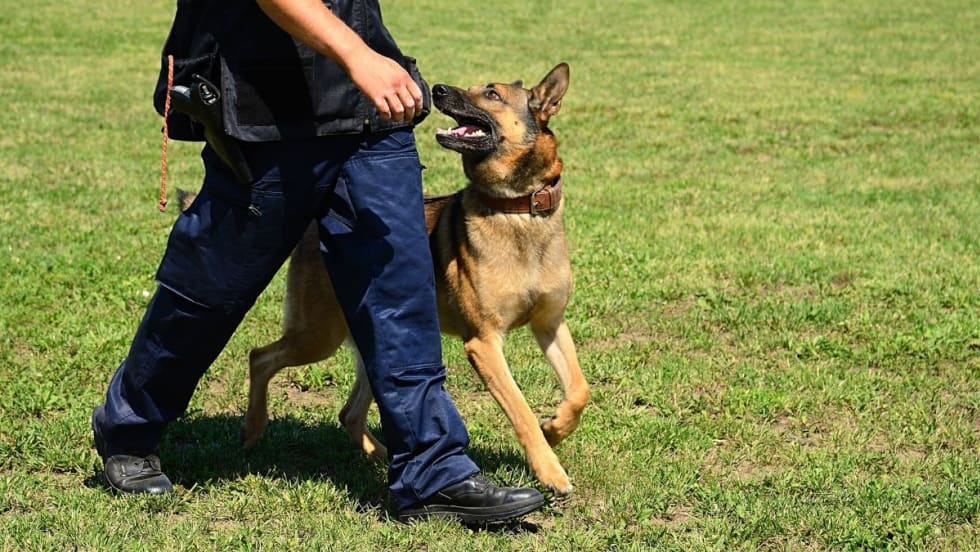
Preventing Heat Injury in Police K-9s
In the relentless heat of summer and even early fall in some parts of the country, officers face the important task of protecting their K-9 partners while working in sweltering temperatures. Recognizing changes in a dog’s behavior is the key.
Read More →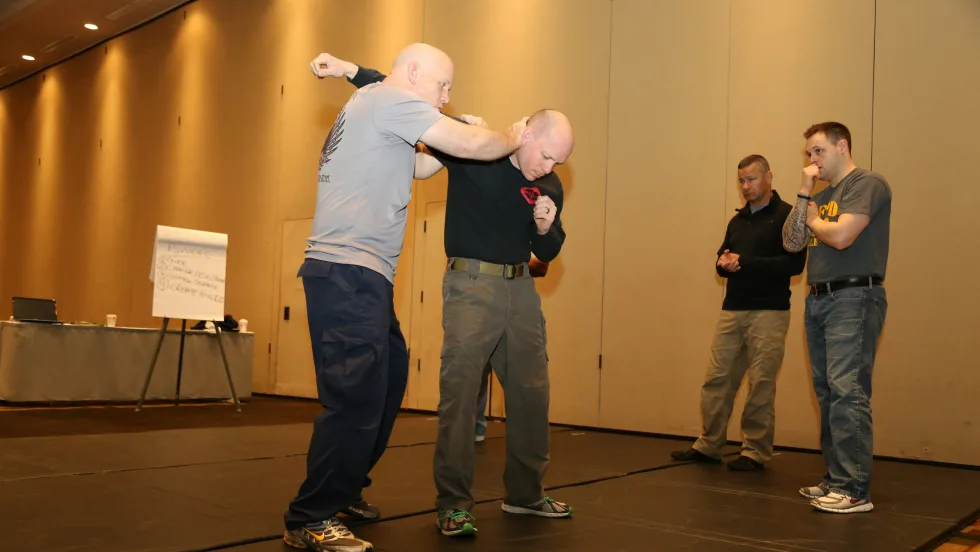
Why Your Agency Needs to Attend the ILEETA Conference
ILEETA is a complete resource for trainers to address trainers' needs. Its mission is to enhance the skills and safety of criminal justice practitioners while fostering stronger and safer communities.
Read More →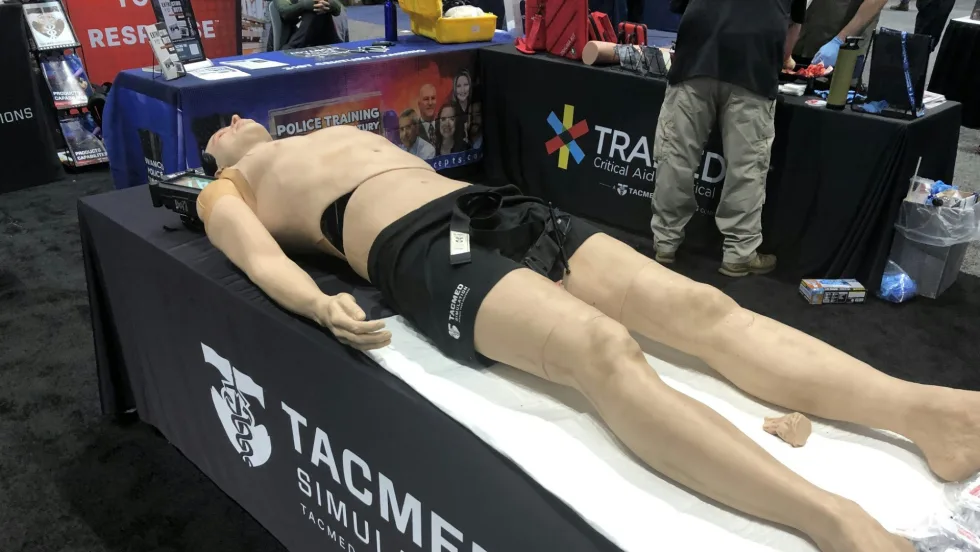
IACP 2023: New Training Products
Technologies for improving law enforcement training and training management were some of the highlights at this year's show.
Read More →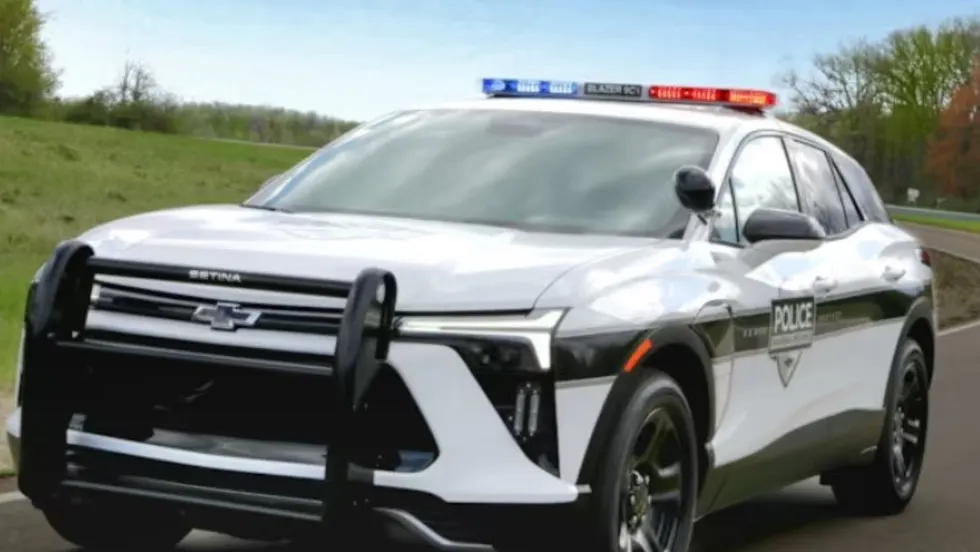
Initial Results Released from MSP 2024 Police Vehicle Testing
The 2024 pursuit-rated vehicles--all pickup trucks or SUVs, including two battery electric models the Chevrolet Blazer EV AWD and Ford Mustang Mach-E--were put through their paces.
Read More →
Officer Safety Considerations Related to Alternative-Fuel Vehicles
As more alternative-fuel and hybrid vehicles hit the road, police and other first responders need to understand that they are no more dangerous than conventional vehicles. However, there are certain safety considerations every cop should know.
Read More →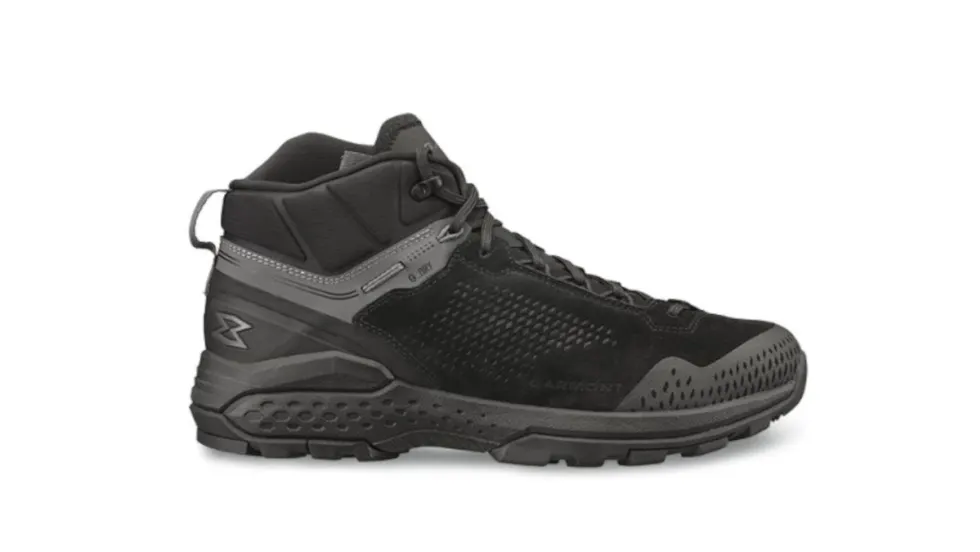
Garmont Working to Grow LE Market Presence
Garmont Tactical has found wide acceptance by military boot buyers, but now the company is trying to better respond to the needs of police officers. Many cops now are not fans of 8-inch boots, so Garmont is adapting.
Read More →
Publisher’s Note: Our Commitment to You
Through our magazine and website and our Police Technology eXchange event, we promise to provide you with information and access to resources to help you do your job safer and better.
Read More →
10 Tips for Responding to Mental Health Crisis Calls
The Harris County Sheriff's Office is a model for other agencies that want to learn about crisis intervention and mental health crisis response. Sgt. Jose Gomez shares the story of their programs and provides 10 tips for mental health crisis call response
Read More →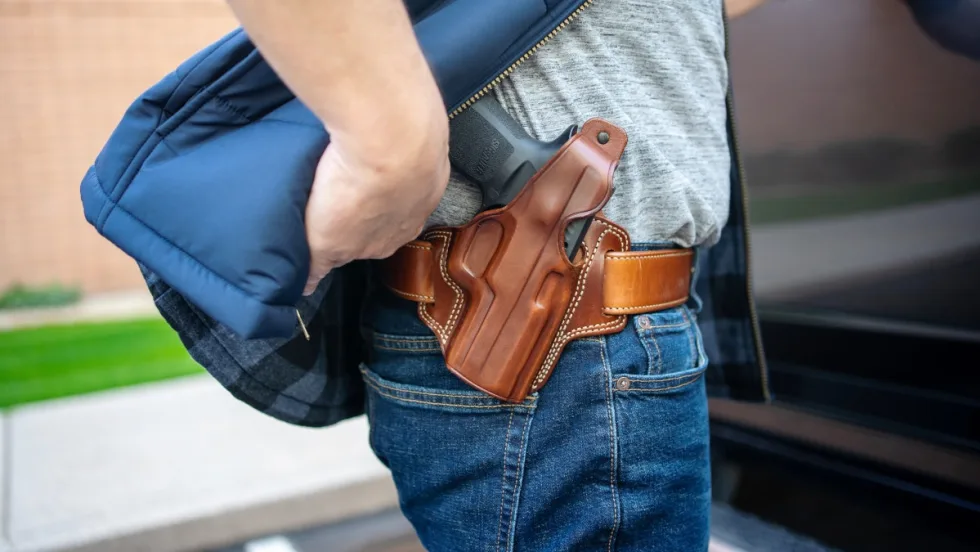
5 Things to Know When Buying Concealed-Carry or Off-Duty Holsters
Mike Barham, of Galco Holsters, shares five important considerations to keep in mind when you buy off-duty concealed or plain-clothes carry holsters.
Read More →
10 Tips for Reviewing Use-of-Force Reports
While the burden of accurately reporting use-of-force situations is on an individual deputy or officer, the person reviewing those reports shares in the responsibility of making sure the reporting is done properly, with clear details included.
Read More →