POLICE Logo
MenuMENU
SearchSEARCH
Photo of Richard Valdemar

Richard Valdemar

Sergeant (Ret.)

Sgt. Richard Valdemar retired from the Los Angeles County Sheriff’s Department after spending most of his 33 years on the job combating gangs. For the last 20 years, he was assigned to Major Crimes Bureau. He was also cross-designated as an FBI agent for 10 years of his career when he served on the Federal Metropolitan Gang Task Force. From 1995 until his retirement in 2004, Valdemar was a member of the California Prison Gang Task Force, helping prosecute members of the Mexican Mafia.

Gangs and Lowrider Car Shows

If I worked a gang unit in your area, I would send plainclothes officers inside to monitor any Lowrider shows near your jurisdiction. I would also watch carefully and stop in unannounced at your local Lowrider custom shop. These shops are often also stolen car chop shops.

Read More →
Inside the Badge by Richard ValdemarJune 28, 2011

A Mexican Cartel's Infiltration of American Law Enforcement

No government or human culture is any more or less susceptible to the corrupting effect of vice, drugs, power, fear or money. Criminal gangs systematically utilize these human weaknesses to sow the seeds of our destruction. What they can't do with guns and terror, they seek to do with seduction.

Read More →
Inside the Badge by Richard ValdemarJune 20, 2011

Public Corruption at the U.S.-Mexico Border

The greatest cost and symptom of our demise as a nation is the lasting affect these criminal gangs have on our system of law and justice. The corruption these gangs bring to our public institutions is the greatest threat to America.

Read More →
Ad Loading...
Inside the Badge by Richard ValdemarJune 14, 2011

Survivalists and the Harrowing Norco Bank Robbery

The careful study of the Norco incident reveals many outstanding training lessons about non-traditional and unusual criminal groups, multiple advisory shootings, IEDs, ambushes, response tactics to critical incidents, and officer survival.

Read More →

Gangsters in Blue: Corrections

When inmates and gang members see cops acting like convicts, they tend to react to them like they do other convicts and gangsters. What little respect that might remain is lost. What little restraint that might have been practiced is loosed. The exercise of lawful authority becomes personal, vindictive and cause for retribution.

Read More →

Working Solo at Ground Zero

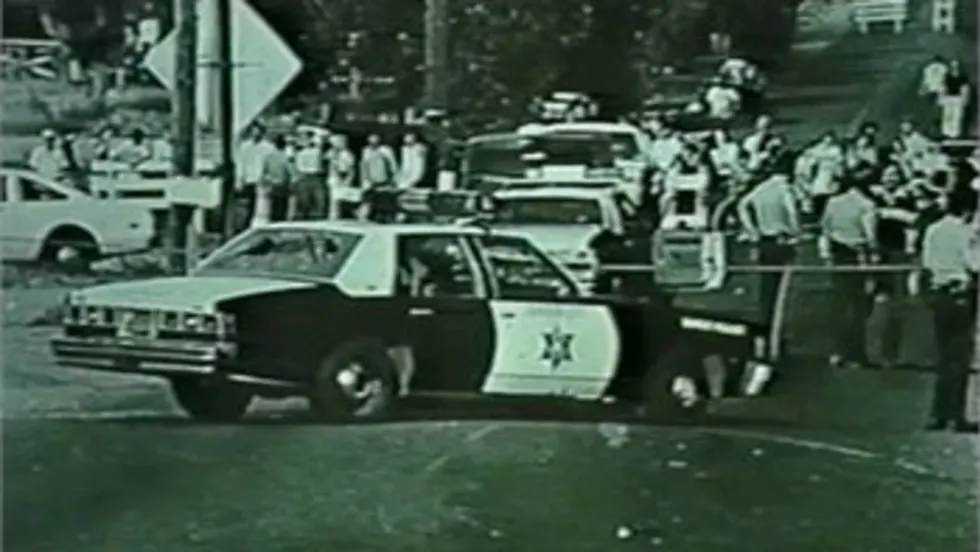
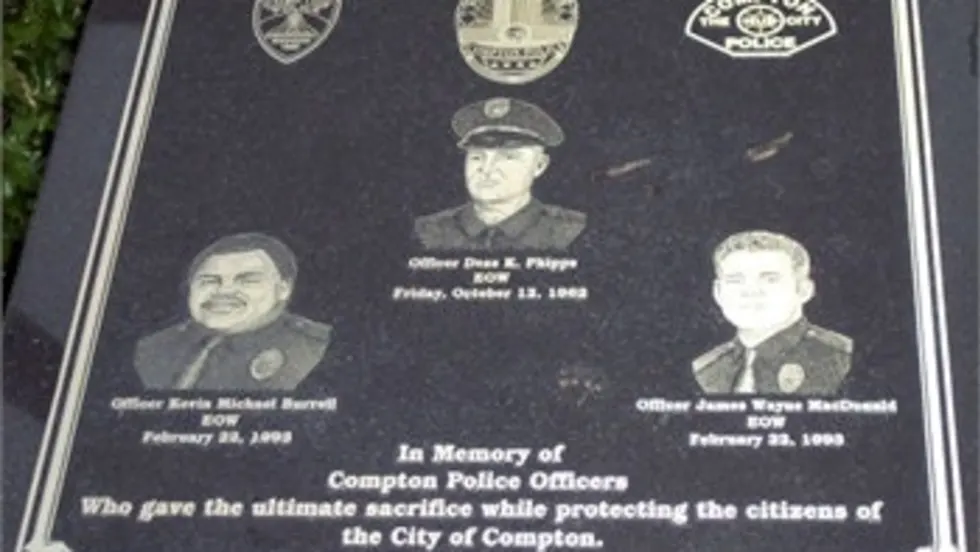
What is it going to take before police administrators double up these cars? There is no sane reason to send young cops out in solo units in areas like Compton's ground zero.

Read More →
Ad Loading...

Booby Traps: Death by Trick or Device

In recent years, attacks against police officers have increasingly become sneaky ambushes rather than direct confrontations. They may involve improvised destructive devices. A few punk gang members or conspiracy nuts armed with the "Anarchist Cookbook" can cause a very bad day for law enforcement.

Read More →
Inside the Badge by Richard ValdemarApril 25, 2011

Understanding Inmate Codes of Conduct

I've always marveled at this irony. Young men who rebel against authority and parental control, who commonly hate school, hate memorizing verses and symbols, hate reading history, hate learning new languages, and hate participating in physical education, enjoy doing all these things for their prison gang leaders.

Read More →
Inside the Badge by Richard ValdemarApril 11, 2011

Dodger Blues: Take Me Out At the Ballgame

To Bryan Stow and the rest of the sane world, his Giants baseball gear represented his love of baseball and his support for his team. To that cowardly pack of gang thugs, it was the symbol for the rival Norteño gangs and the Nuestra Familia prison gang. To them, this is like wearing a Nazi uniform to the Auschwitz survivors' reunion.

Read More →
Ad Loading...
Inside the Badge by Richard ValdemarApril 5, 2011

Mara Salvatrucha: A Transnational Gang

Autonomous cliques of the Mara Salvatrucha gang communicate internationally through the same social networks we use, including Facebook, MySpace, Twitter and other Web sites. Drug transactions can be coordinated through these social networks as can green light or hit lists, and even simultaneous prison riots or escape attempts from Central American prison systems.

Read More →