

Police Magazine

 MENU
 SEARCHMENUSEARCH

In Alston v. Swarbrick, Florida deputies faced potential claims of wrongful arrest, unreasonable use of OC spray, and "bystander liability."
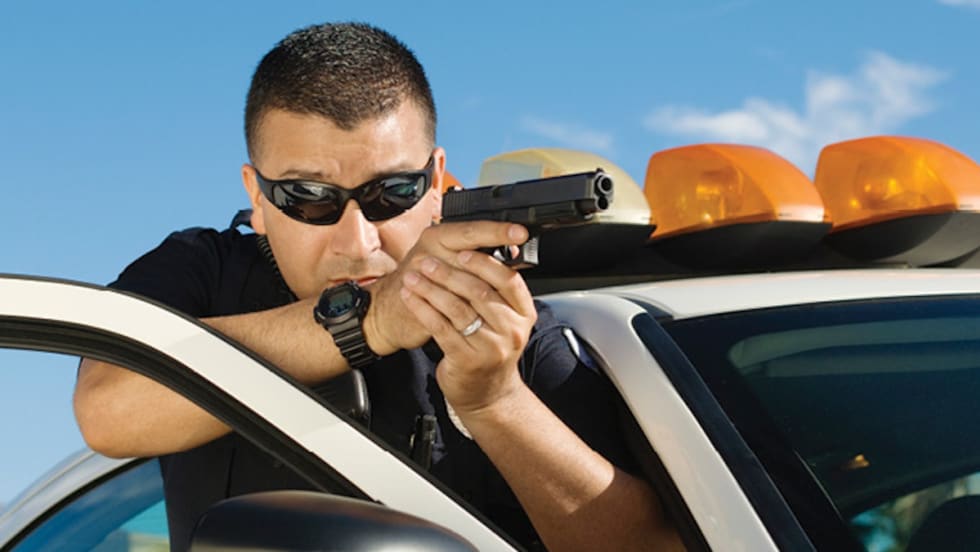
When seconds mean lives and officers and other public safety professionals are responding from all directions, it's critical that someone shows leadership.
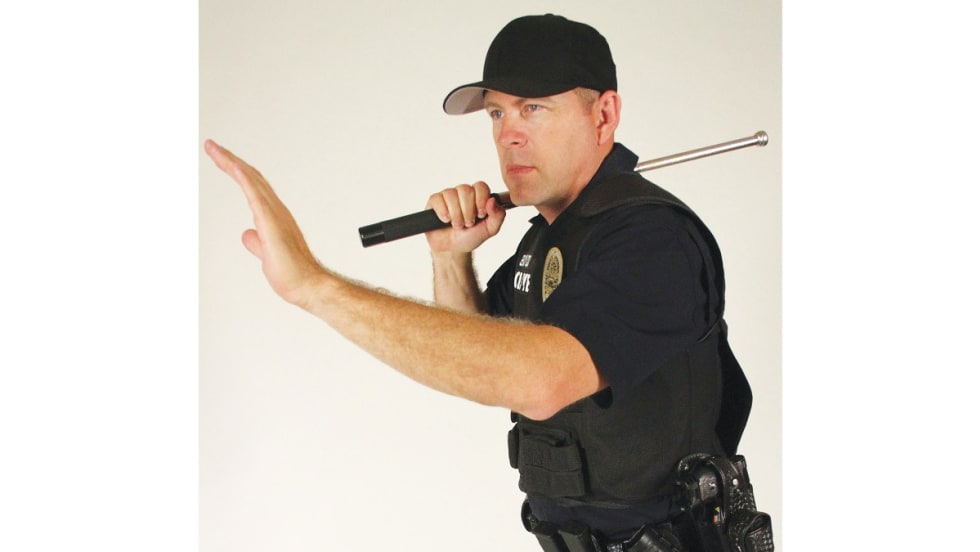
Your agency's use-of-force policy needs to specify when the baton can be used, the legal justification for its use, and what to do afterward.
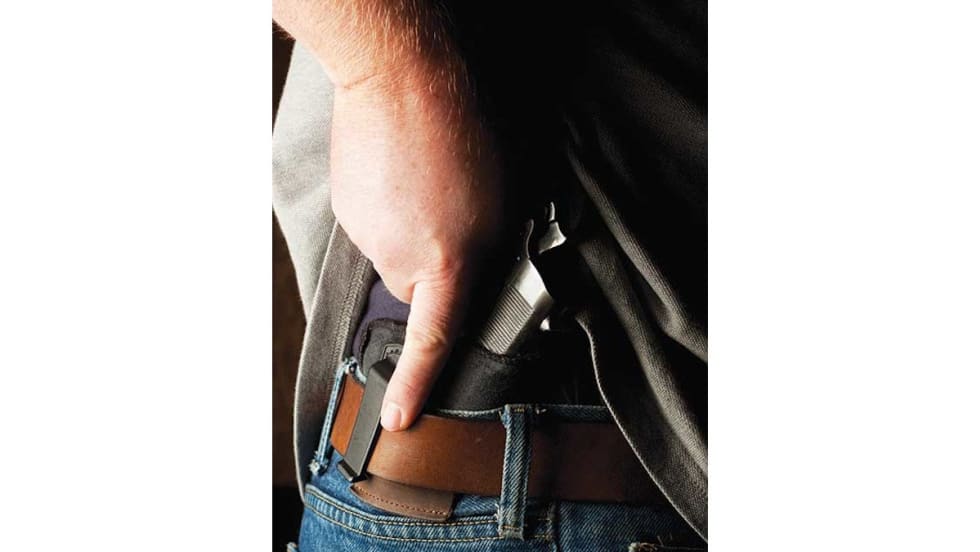
The Law Enforcement Officer Safety Act says that officers and retired officers can carry concealed in all areas of the United States. But it's not that simple.

When a detainee complains that your handcuffs are hurting them, you need to take notice and watch what you say.
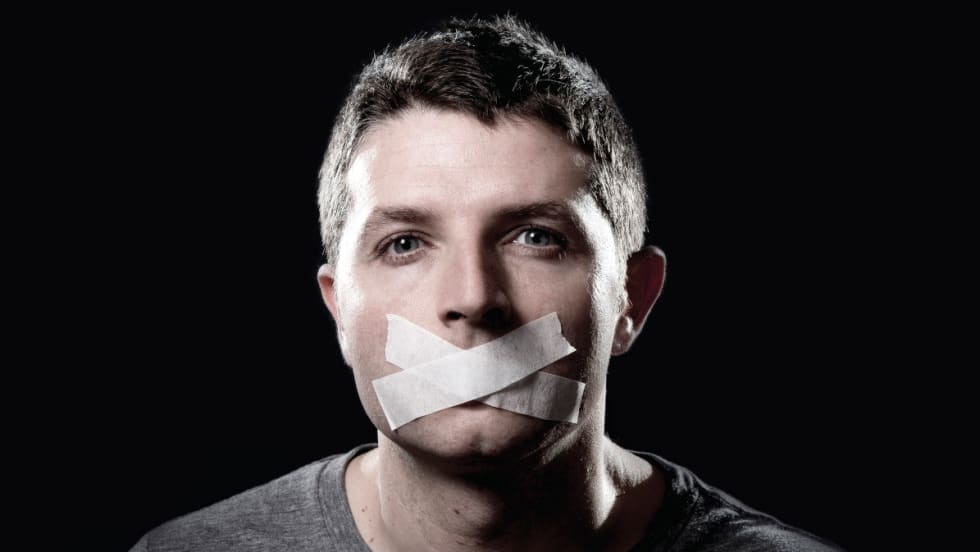
Law enforcement officers can be disciplined for speaking their minds. Here's a primer on how the First Amendment covers and doesn't cover you on the job.
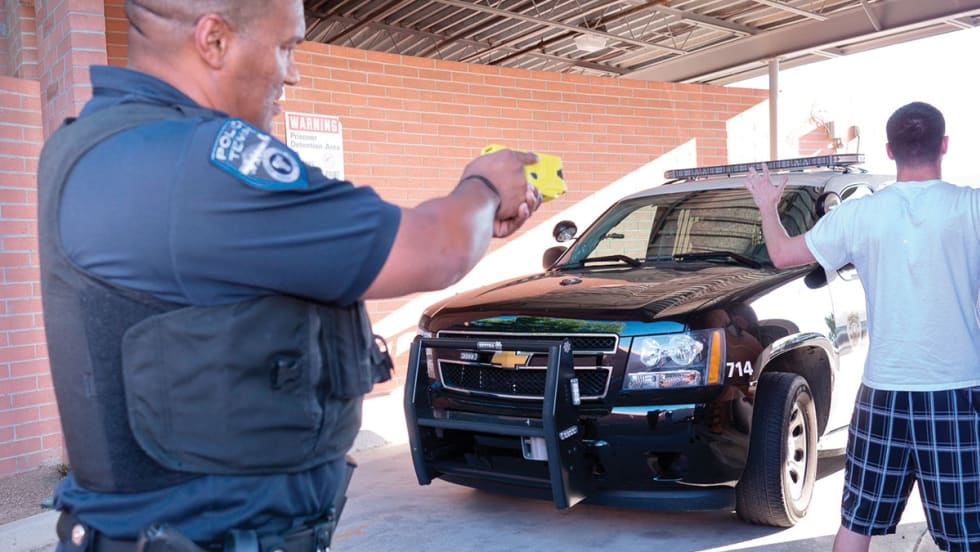
Your agency's policy needs to specify in what situations ECWs can be used and the responsibilities of officers for gathering evidence after use.
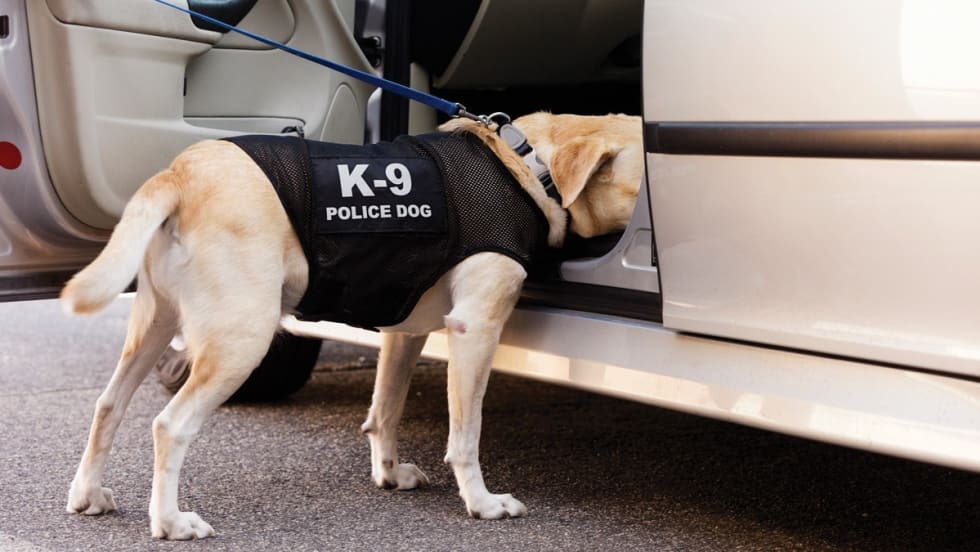
A K-9 sniff of a suspect's car led to a drug conviction and a 7th Circuit ruling on traffic stop length.

Without reasonable suspicion or probable cause, you cannot legally detain a subject during a consensual contact.

Embellishing the truth on an affidavit is a good way to be held liable for damages in a lawsuit.