
Police Magazine

 MENU
MENU SEARCHMENUSEARCH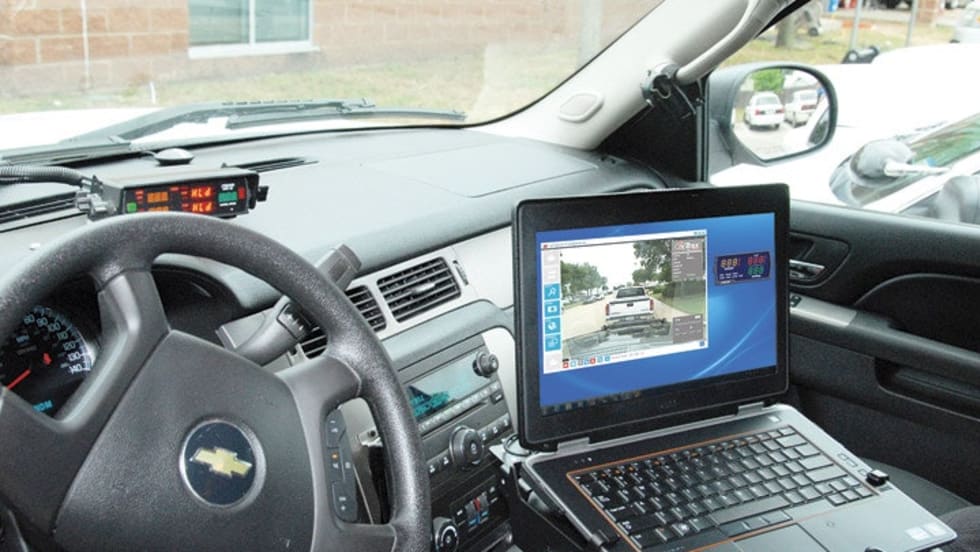
Here's a look at some of the latest in-car video systems for law enforcement operations.
Read More →
If you don't believe media bias plays a role in how Americans interpret use of force by law enforcement, try this simple test. Do a Google search for "police officer kills unarmed man." I did and I got 179,000 results. Searching for "unarmed man attacks police officer," I got this message: "No results found."
Read More →
The 1989 case of Graham v. Connor is an example of how the actions of one officer can start a process that establishes law. Using the Graham standard, an officer must apply constitutionally appropriate levels of force based on the unique circumstances.
Read More →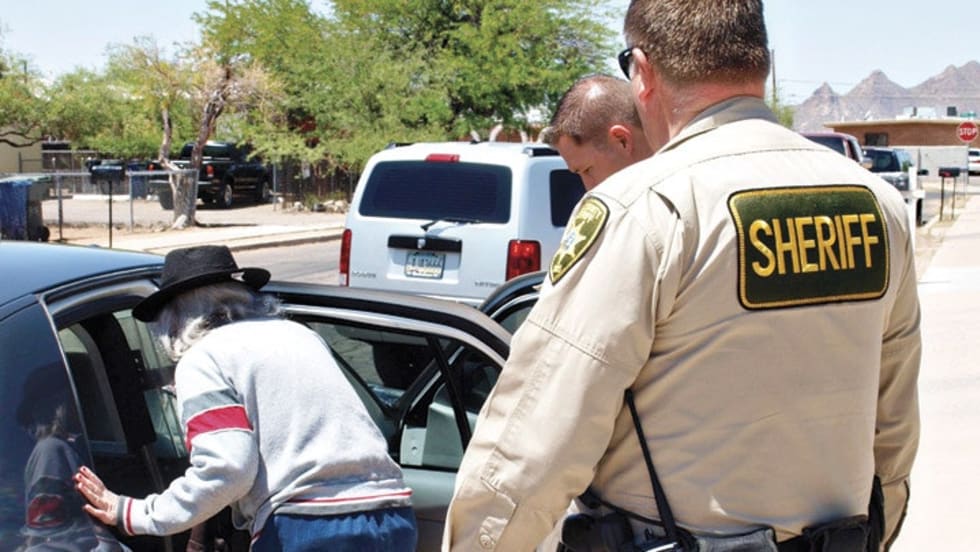
When it comes to the mentally ill, many police departments are finding themselves reluctantly cast as community "caregivers of last resort." Two agencies in Southern Arizona have developed a better way to respond.
Read More →
The first thing a good investigator, especially a cold case investigator, needs to know is that you can't base your conclusions on past experiences because those experiences are not foolproof. The only way to solve a decades-old murder is through hard work.
Read More →
A quick glance at the P224 dispels any doubts you may have about its heritage. Its looks, feel, and heft scream "P226," although when you pick it up the differences are immediately evident. The P224 is lighter, smaller, and sports a shorter barrel than either the P226 or P229.
Read More →
It seems continuing to learn stops the forgetting process, which is important because in our profession forgetting can have dire consequences. How many times have you watched a video of an officer getting hurt and thought, How did he forget to keep proper positioning? or Why did she stop watching the hands?
Read More →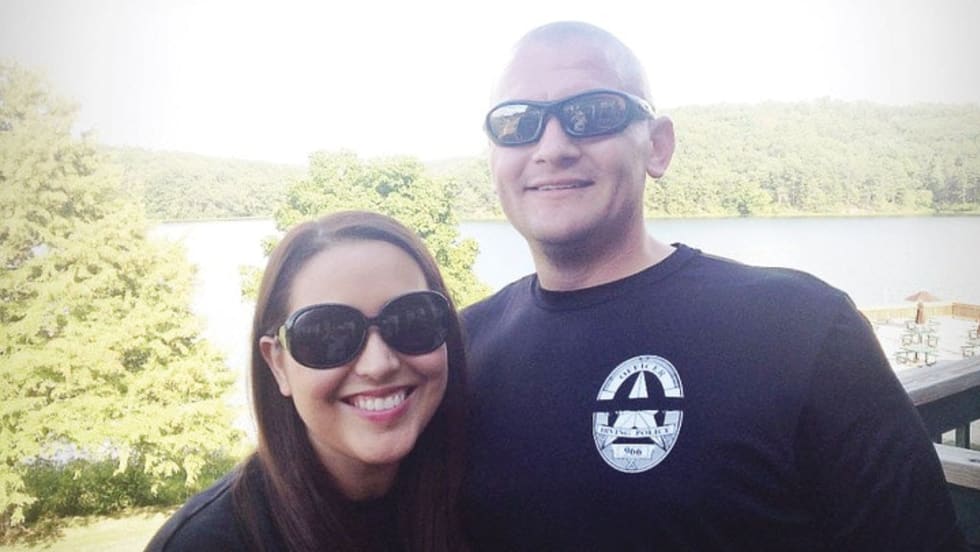
Concerns of Police Survivors (C.O.P.S.) welcomes with open arms those who have suffered the tragedy of a loved one or coworker dying in the line of duty. The organization offers support through specific programs tailored to meet the needs of everyone from children to in-laws to fellow officers as well as staying connected with informal phone calls and e-mails year-round.
Read More →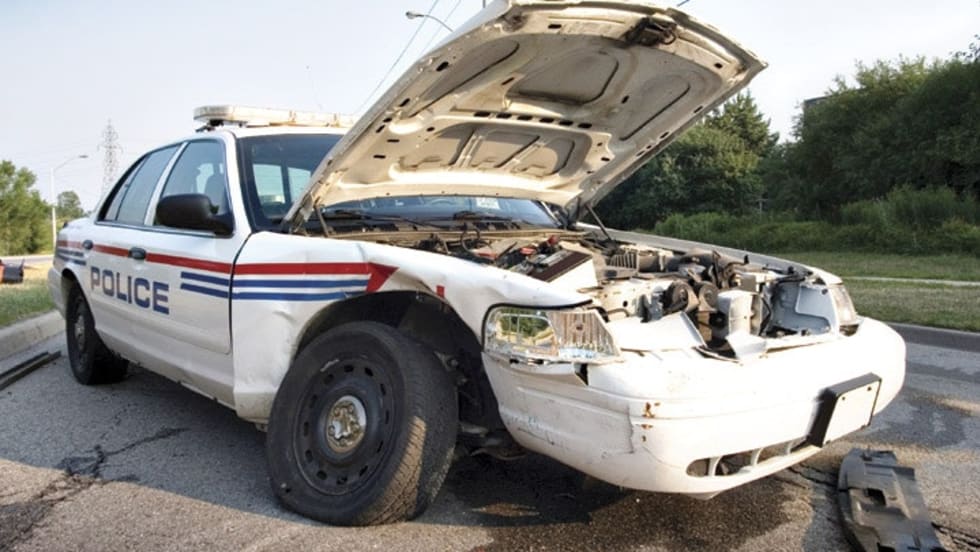
According to the National Law Enforcement Officers Memorial Fund, in the first half of 2014 officer fatalities increased 31% over the same time period in 2013. The only thing we can do is train for the unexpected, and prepare ourselves for that one day that may never happen.
Read More →
Reacting is guided primarily by emotion and responding is influenced by logic. In this context, it's not hard to see which one of the two is more beneficial to law enforcement officers.
Read More →