



Training in Active Shooter Response Gear
Active shooter response gear is heavy and can change the way you perform, so you need to know how to compensate.

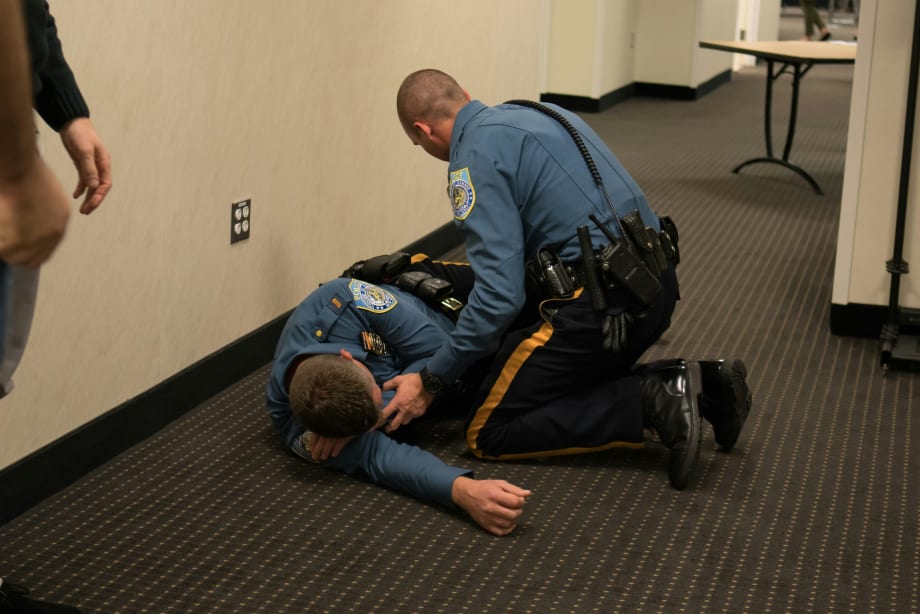
Officers training to respond to active shooters need to have experience performing first aid while wearing the gear they will use.
Photo: Dyneema
Active shooter situations often require every bit of training and experience law enforcement officers possess. An ineffective response can mean the difference between life and death for the victims and even the officers.
Sadly, data shows active shooter incidents are on the rise. The FBI identified 160 active shooter incidents between 2000 and 2013, and another 50 active shooter incidents between 2016 and 2017.
In the 50 shooting incidents between 2016 and 2017, 13 officers were killed and 20 were wounded. The FBI says 14 of the incidents ended with an exchange of gunfire between the shooters and police officers on the scene.
While similarities exist between different active shooter incidents, none are exactly alike. They are extremely unpredictable, and circumstances often change very quickly. One important distinction is that the response to these incidents requires more gear than the “routine” call.
Better Armor
In active shooter situations, officers experience a greater need for protection than they do in more common law enforcement operations. This is why more agencies are providing their officers with additional protection, including hard armor and helmets.
Standard issue soft armor provides protection against handgun threats, but many active shooter situations may involve rifles and require the additional protection provided by hard armor plates. This is why some agencies are supplying their officers with “active shooter kits,” a carrier and hard armor plates that can be quickly slipped on in case of an attack.
Remember that an active shooter carrier with hard plates is heavier than your standard patrol armor. If you are issued this gear, train with it to become familiar with how it may affect your performance. Conducting simulated training exercises can also reveal areas in which weight can or should be reduced by removing items or show where it’s necessary to replace gear with lighter or more flexible alternatives. This can be especially important with key protective equipment like body armor.
Some hard armor is made of ceramic or a combination of ceramic and steel. It’s heavy stuff. A better choice for active shooter gear is to buy plates composed of a lighter material called ultra-high molecular weight polyethylene (UHMWPE). Hard armor made of this material can provide NIJ Level III rifle protection at substantially less weight than ceramics or steel. When paired with ceramics or steel UHMWPE can provide NIJ Level IV protection, meaning it will stop armor-piercing rifle rounds.
There are many resources available to help you find information on picking the right protection, and some, like ArmorNOW.com (the company I am associated with), can even provide free continuing education units while doing so.
Technology can also be a vital tool in active shooter response. But because some specialized tech doesn’t get used regularly, it may require a concerted effort to gain familiarity with it. As with a new firearm, officers need to become experts at using the technology they will use in real-life active shooter situations before it’s deployed in the field.
Life-Saving Response
Effective active shooter training enables officers to deal with volatile situations they could encounter while wearing heavier gear. This provides two potentially game-changing benefits: It allows law enforcement to practice responding effectively to active shooter scenarios and it lets supervisors and seasoned officers immediately evaluate the reliability of both the training and the equipment.
In training, agencies and leadership understandably emphasize tactical execution—seek out the threat, address the threat, and minimize casualties. But in real-world dynamic, high-risk situations, helping the victims is a critical task. So keep in mind that the situation could demand emergency medical skills.
Injuries occur at much higher rates during active shooter events, and access to immediate medical help from fire/EMS might not be feasible. When an active shooter incident occurs, agencies may request mutual aid from a regional or state hotline system. And there is no way to know which officer will be the first to arrive at the scene, so impromptu emergency medical care and bleeding control could be necessary.
CPR, chest compressions, applying pressure to a wound, and tourniquet use are easy-to-learn emergency medical procedures that officers should know. When training to perform these skills, it’s a good idea to wear the heavier gear and thicker armor that they will wear during a real incident. Heavy gear and armor can restrict movement and flexibility, making the muscle memory actions learned in training much less intuitive.
Maximize the chance while in training to make sure you’re confident that you have sufficient range of motion to perform basic skills, including bleeding control and applying a tourniquet. Otherwise, make the required adjustments. The adjustments could be as simple as knowing which piece of gear to remove to perform specific functions. In more drastic situations, it could be necessary to find other alternatives for gear and armor, including lightweight ballistic alternatives.
Carrying the Load
The combined weight of helmets, body armor, firearms, and technical gadgets can have a significant impact on the wearer. Typical steel-constructed plates with rifle-stopping power weigh as much as 16 pounds, and moving around with that much extra weight can be both physically and mentally taxing.
In a report studying the effect of weight on U.S. troops, the Center for a New American Security found that heavy loads affect situational awareness and decrease soldier performance by reducing cognitive and tactical performance and mobility. For officers responding to an active shooter, their equipment requirements are similar to that of a soldier.
Situational awareness is like any other skill; you improve it with practice and training. Officers often exchange gunfire with active shooters at ranges of less than 20 feet, so improving instinct and reaction times is a high priority. Conducting tactical drills and practicing techniques while in full gear and in reality-based simulations boosts speed, agility, and adaptability to the rigors of fatigue.
In active shooter situations seconds matter, and police officers need to be both comfortable and agile in heavier body armor and gear. Focusing on training with full gear can help officers achieve the experience and confidence needed to increase survivability and situation outcomes.
Active shooter situations are unlike most other calls officers will respond to, so you need to train to respond to them in the gear you will use. Making equipment a focal point in all training can help you better adapt during critical situations and help improve survivability for you and the victims.
Sgt. Scott M. Harding is a 34-year veteran of law enforcement and EMS who currently serves in the patrol division of the Greenburgh (NY) Police Department. He has experience as commanding officer of the paramedic unit, a field training officer, a special operations paramedic, and a hazardous materials specialist. Harding is currently a member of the Armor NOW Advisory Board.
More Training
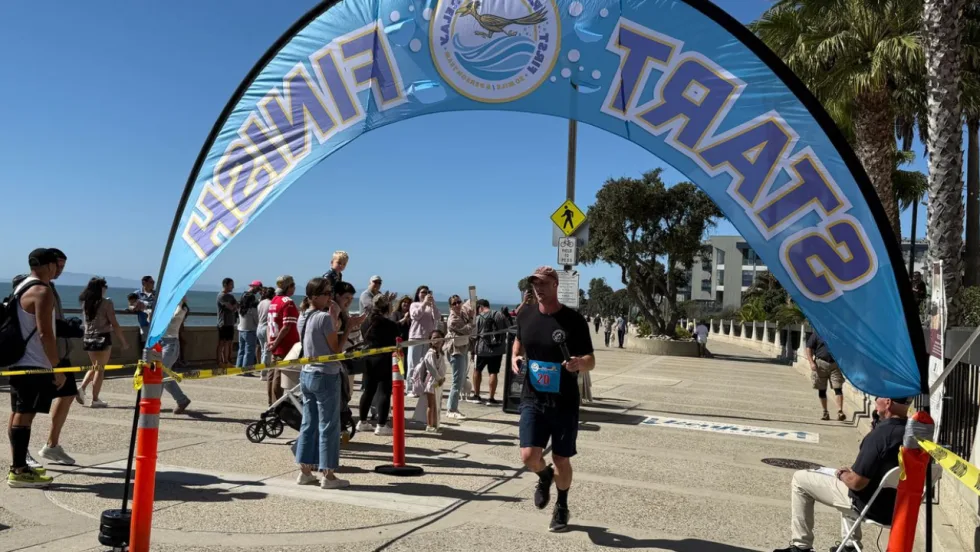
Registration Underway for Sixth Annual First Responders Relay
The California Police Athletic Federation’s annual First Responder Relay will welcome first responder teams from across the globe to compete along Ventura's scenic coastline on Oct. 11. Registration is underway.
Read More →
Vector Solutions Launches Comprehensive Online Dispatch Training Catalog for Emergency Communications Professionals
Vector Solutions’ new catalog of 35 expert-developed online courses can help emergency communication centers strengthen training, meet certification requirements, and simplify continuing education.
Read More →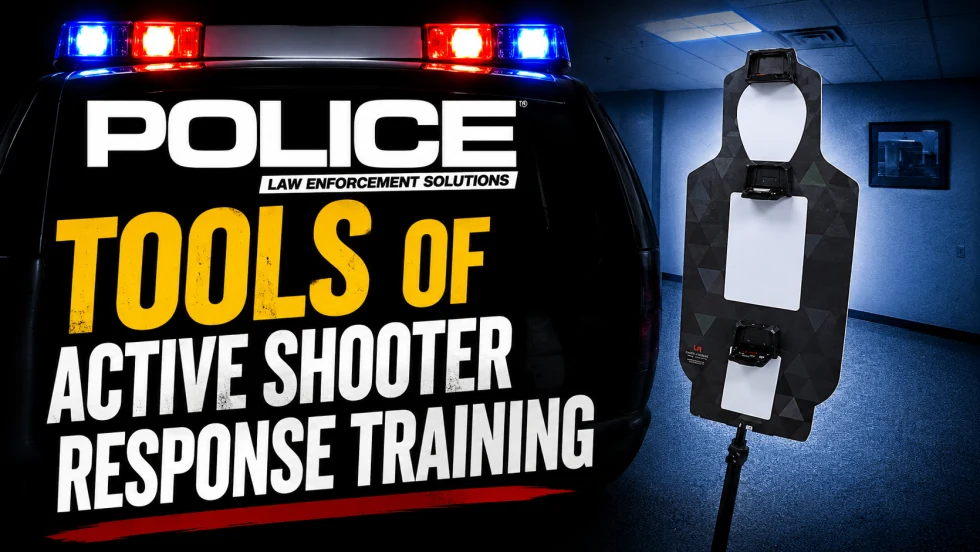
Tools for Active Shooter Response Training
What technologies help prepare officers for active shooter response situations? This behind-the-scenes look at law enforcement training explores shot simulators, smart firearms, laser target systems, and the tools used to build safer, more effective training environments.
Read More →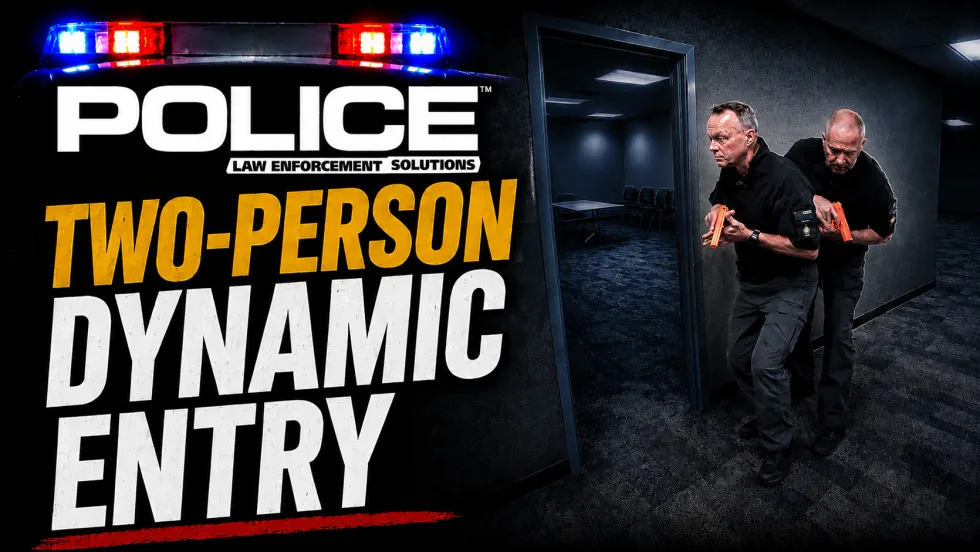
Two-Officer Tactical Doorway Entry Techniques
Entering a room during active-threat situations requires communication, coordination, and disciplined tactical movement. In this video, trainers from the United States Deputy Sheriff’s Association demonstrate critical room entry concepts, including fatal funnel awareness, team coordination, and safe tactical movement.
Read More →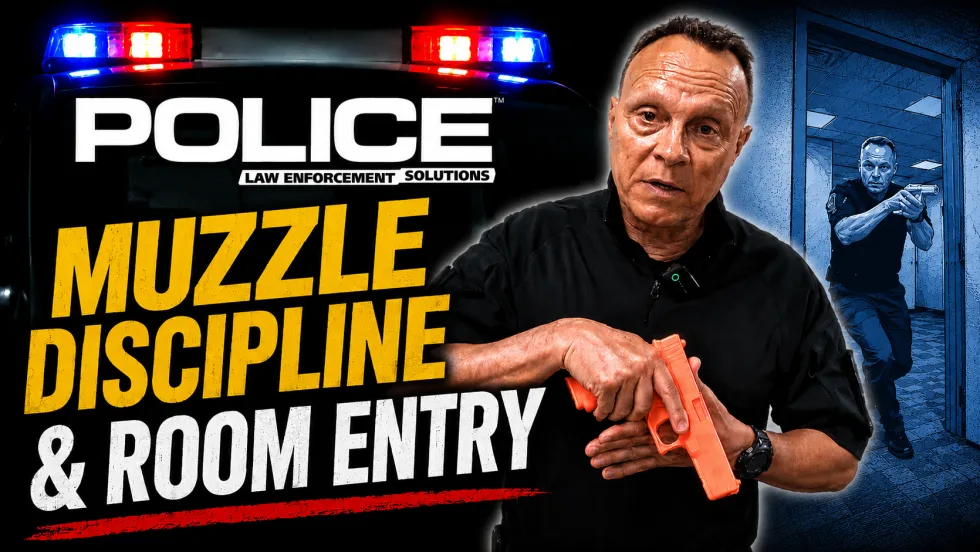
High Compressed Ready Explained | Muzzle Control For Room Entry
In this video, Mike Willis, law enforcement national training and program director for the United States Deputy Sheriffs’ Association, demonstrates the high compressed ready position and discusses muzzle control during room entry.
Read More →
Why Attend the DroneSense Innovation Summit by Versaterm?
Let’s hear from Ryan Bracken, head of product, about why your agency should send someone to the first annual DroneSense Innovation Summit by Versaterm in April.
Read More →
Caswell Live Fire Spins Off from InVeris
Caswell Live Fire has spun off from parent company InVeris, coinciding with the 100th anniversary of Caswell’s founding. Over the past 100 years, Caswell has developed pioneering solutions that support military, law enforcement, and commercial clients worldwide.
Read More →
When Do You Transport a Wounded Officer Instead of Waiting for EMS?
Thumbnail for video series POLICE Topics, Tactics & Tips with a yellow headline that reads When Do You Transport a Wounded Officer Instead of Waiting for EMS?
Read More →
How to Pick Your High-Risk Stop Location for Tactical Advantage
Hear veteran trainer Mike Willis, of the United States Deputy Sheriff’s Association, explain several considerations that can help you wisely pick your best spot to initiate high-risk or felony traffic stops.
Read More →
Coffee Break with Police Experts: Using Your Patrol Vehicle for Cover
In this video, hear from Dustin Mowery, a product specialist at Team Wendy, as he discusses how to best use a patrol vehicle for cover.
Read More →