



The U.S. Postal Inspection Service
Chief Postal Inspector Kenneth C. Weaver heads one of the oldest and most distinguished federal law enforcement agencies in the country, the United States Postal Inspection Service.

Chief Postal Inspector Kenneth C. Weaver heads one of the oldest and most distinguished federal law enforcement agencies in the country, the United States Postal Inspection Service. Founded by Benjamin Franklin, the USPIS, headquartered in Washington, D.C., has a long proud and successful history of fighting criminals who attack our nation's postal system and misuse it to defraud, endanger or otherwise threaten the American public.
Structure
As fact-finding and investigative agents, postal inspectors are federal officers who carry firearms, make arrests and serve federal search warrants and subpoenas. Inspectors work closely with U.S. Attorneys, other law enforcement agencies and local prosecutors to investigate postal cases and prepare them for court.
There are approximately 2,000 postal inspectors stationed throughout 18 divisions across the United States. We enforce more than 200 federal laws covering investigations of crimes that adversely affect or make fraudulent use of the U.S. mail and postal system. Our investigative efforts resulted in more than 10,000 arrests last year alone. Some of the Service's most important areas of jurisdiction include investigations of:
Assaults against postal employees.
Bombs in the mail. (Postal inspectors played an integral role on a multi-agency task force, in arresting the Unabomber.)
Mail Fraud. (Televangelist Jim Bakker, of the Praise The Lord (PTL) Club, was arrested by postal inspectors for mail fraud after taking $178 million of his viewers' mailed donations and converting the funds for his own use.)
Money Laundering (Recently, postal inspectors and the Broward County Sheriff's Office interdicted proceeds from drug sales mailed from New York to commercial mail receiving agencies in Florida. Inspectors found more than $700,000 in cash sealed in ten scuba tanks.)
Other types of crimes investigated include:
Burglary Child Exploitation Controlled Substances Embezzlement Identity Fraud Electronic Commerce Crime Money Order Crimes Robbery Theft of Mail Workers' Compensation Fraud.
Training
Our training facility is located in the William F. Bolger Center for Leadership Development in Potomac, Md. All postal inspectors engage in 14 weeks of scenario-based basic training, covering investigative techniques, court procedures, postal operations, and a detailed study of federal laws under USPIS jurisdiction. Postal inspectors are continually offered opportunities for educational and training updates.
Plans for the Future
Postal inspectors have been dubbed "cybercops" by the media for our aggressive efforts in this area. Crimes involving the Internet, electronic commerce and identity theft are top priorities. But we also remain committed to protecting the American public by aggressively investigating, arresting and seeking prosecution of those individuals who use the mails in furtherance of criminal activities.
Inspector Robert Bethel, an 11-year veteran of the U.S. Postal Inspection Service, is currently assigned to the agency's headquarters as national public information officer.
More Training
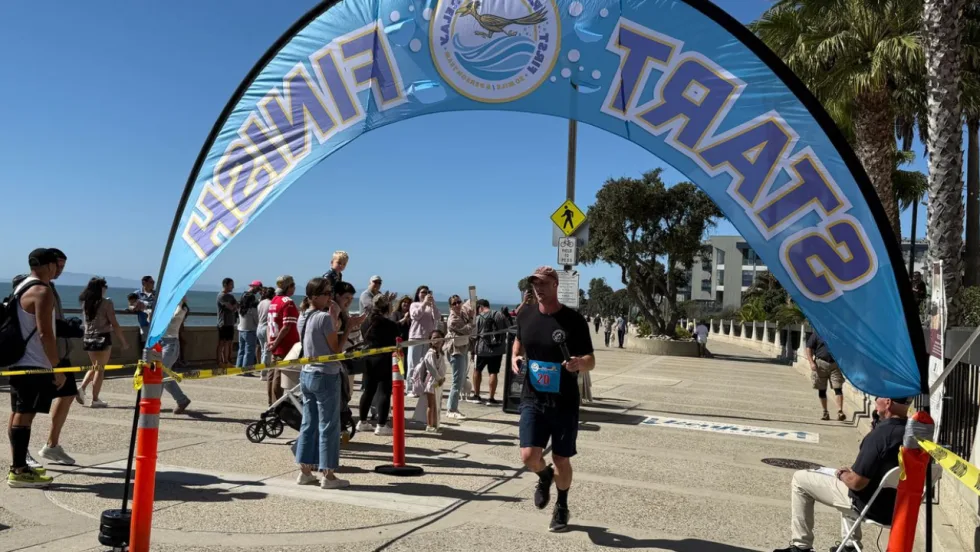
Registration Underway for Sixth Annual First Responders Relay
The California Police Athletic Federation’s annual First Responder Relay will welcome first responder teams from across the globe to compete along Ventura's scenic coastline on Oct. 11. Registration is underway.
Read More →
Vector Solutions Launches Comprehensive Online Dispatch Training Catalog for Emergency Communications Professionals
Vector Solutions’ new catalog of 35 expert-developed online courses can help emergency communication centers strengthen training, meet certification requirements, and simplify continuing education.
Read More →
Tools for Active Shooter Response Training
What technologies help prepare officers for active shooter response situations? This behind-the-scenes look at law enforcement training explores shot simulators, smart firearms, laser target systems, and the tools used to build safer, more effective training environments.
Read More →
Two-Officer Tactical Doorway Entry Techniques
Entering a room during active-threat situations requires communication, coordination, and disciplined tactical movement. In this video, trainers from the United States Deputy Sheriff’s Association demonstrate critical room entry concepts, including fatal funnel awareness, team coordination, and safe tactical movement.
Read More →
High Compressed Ready Explained | Muzzle Control For Room Entry
In this video, Mike Willis, law enforcement national training and program director for the United States Deputy Sheriffs’ Association, demonstrates the high compressed ready position and discusses muzzle control during room entry.
Read More →
Why Attend the DroneSense Innovation Summit by Versaterm?
Let’s hear from Ryan Bracken, head of product, about why your agency should send someone to the first annual DroneSense Innovation Summit by Versaterm in April.
Read More →
Caswell Live Fire Spins Off from InVeris
Caswell Live Fire has spun off from parent company InVeris, coinciding with the 100th anniversary of Caswell’s founding. Over the past 100 years, Caswell has developed pioneering solutions that support military, law enforcement, and commercial clients worldwide.
Read More →
When Do You Transport a Wounded Officer Instead of Waiting for EMS?
Thumbnail for video series POLICE Topics, Tactics & Tips with a yellow headline that reads When Do You Transport a Wounded Officer Instead of Waiting for EMS?
Read More →
How to Pick Your High-Risk Stop Location for Tactical Advantage
Hear veteran trainer Mike Willis, of the United States Deputy Sheriff’s Association, explain several considerations that can help you wisely pick your best spot to initiate high-risk or felony traffic stops.
Read More →
Coffee Break with Police Experts: Using Your Patrol Vehicle for Cover
In this video, hear from Dustin Mowery, a product specialist at Team Wendy, as he discusses how to best use a patrol vehicle for cover.
Read More →