



The Crime-Charging Gap
Just because a prosecutor declines to file or a grand jury declines to indict does not necessarily mean there has been a bad arrest. Proving guilt in a criminal trial requires the prosecutor to meet a much higher burden than the arresting officers, by proving the charges beyond a reasonable doubt.

Of the crimes that are reported or discovered, less than half are ever cleared. According to the FBI Uniform Crime Reports, only 44.3 percent of violent crimes and 15.8 percent of property offenses in the USA were cleared in 2006, the latest year reported.
Unfortunately, not all cleared cases result in a prosecution for the most serious crimes the suspect is believed to have committed. In some cases, no formal charges are filed by the prosecutor or charged in a grand jury indictment.
Not only is it frustrating for an arresting or investigating officer to get a "no charge" or "reduced charge" decision, but it may also open the officer and his or her agency to litigation of civil liability lawsuits. And worst of all, the failure to prosecute a serious offender may mean further threats to public safety and continued victimization of the community.
There could be several different reasons for the gap between what you arrest for and what the charging authority agrees to file, if anything. Understanding a few legal principles may lessen your frustration level and could even help increase the chances of a successful prosecution.
DIFFERENT STROKES
Just because a prosecutor declines to file or a grand jury declines to indict does not necessarily mean there has been a bad arrest. A law enforcement officer can make an arrest based on probable cause (Atwater v. City of Lago Vista, Texas); however, proving guilt in a criminal trial requires the prosecutor to meet a much higher burden, proving the charges beyond a reasonable doubt. (In re Winship) Unless it appears likely that this higher burden of proof can be met, criminal proceedings cannot ethically be commenced. Sometimes, therefore, the charging gap results from the simple fact that the quantity and quality of evidence that may be more than enough to constitute probable cause nevertheless falls short of what would be needed to establish guilt at trial.
RULES OF EVIDENCE
In making a probable cause determination, police officers are not limited to a consideration of evidence that would be admissible in court. When defendants have argued to the Supreme Court that officers should not rely on inadmissible evidence, the court has pointed out why the rules of evidence need not apply to arrests:
"[This argument] places a wholly unwarranted emphasis upon the criterion of admissibility in evidence, to prove the accused's guilt, of the facts relied upon to prove probable cause. That [argument], we think, goes much too far in confusing and disregarding the difference between what is required to prove guilt in a criminal case and what is required to show probable cause for arrest." (Brinegar v. U.S.)
In making a charging decision, the prosecutor or grand jury must consider the possibility that some of the evidence supporting PC for arrest will be inadmissible at trial, perhaps leaving too little proof to establish guilt beyond a reasonable doubt. For example, an officer is entitled to base an arrest on hearsay, even though most hearsay is inadmissible in court. (Crawford v. Washington) There are usually greater courtroom restrictions on information that is privileged (such as husband-wife, doctor-patient, or attorney-client communications). Even the basic evidentiary rule excluding irrelevant material does not apply to probable cause determinations. And there may be issues about the admissibility of critical evidence under the various court-created exclusionary rules.
In other words, the prosecutor must be able to meet a higher burden of proof than the arresting officer and must do so with less evidence. Having to do more with less sometimes keeps the prosecutor from being able to file charges.
THE CORPUS DELICTI RULE
In old movies, characters often spoke as if the corpus delicti was the actual dead body in a murder case. Some legal commentators equate the corpus with the elements of the crime. Both of these notions are mistaken. The term "corpus delicti" merely means the body of the crime. Proving a corpus delicti simply requires showing that some harm or injury occurred as the result of human agency. It does not necessarily include a showing of each element of an offense.The corpus rule, not being constitutional in origin, is applied somewhat differently in some states and federal jurisdictions, but it generally amounts to a rule that prevents convicting a defendant of a crime on the basis of his own confession, unless there is independent evidence to corroborate the commission of the crime he is confessing to. The rule is designed to prevent sending innocent people to prison for crimes based on a false confession.
It is entirely appropriate for a police officer to arrest a person who comes into the station and confesses to a crime. "People do not lightly admit a crime and place critical evidence in the hands of the police in the form of their own admissions. Admissions of crime carry their own indicia of reliability-sufficient at least to support a finding of probable cause." (Harris v. U.S.)
But though the admission is enough to establish PC to arrest, it is not enough to support a conviction, absent independent corroborating evidence. This is the corpus delicti rule. Operation of this rule will sometimes mean that a person who was validly arrested cannot be indicted or formally charged with the crime because there is no independent proof the crime occurred.
For example, a man might drown his girlfriend's baby in the bathtub while there were no witnesses around. Even if he later confessed, he could not be convicted on the basis of his own statement in some jurisdictions if there were no marks on the baby or other evidence to show that the drowning was intentional, rather than accidental.
To meet the requirements of the corpus rule, investigators must not rely exclusively on a suspect's incriminating statements but should seek independent evidence to establish the body of the crime. If the prosecutor or grand jury finds inadequate corroboration, a prosecution may be declined even though the arrest was valid.
It may help your chances of getting the proper charges filed if you identify all potential crimes that the admissible evidence will support filing. Even though the prosecutor may see a problem with a robbery, for example, he or she might agree to charge a theft or an assault.
And if possible, whenever charges are rejected, try to talk to the prosecutor about the reasons, and learn what needs to be done differently in future cases.
More Patrol
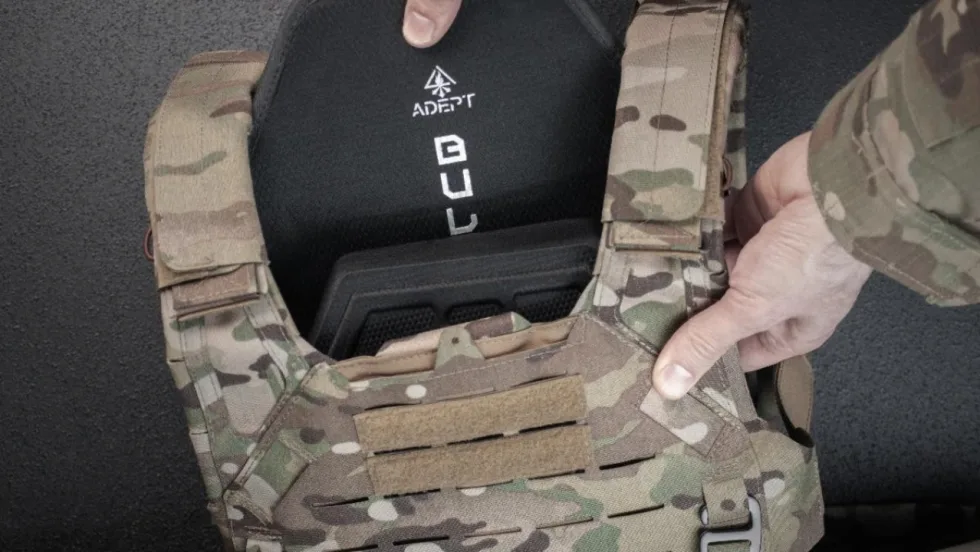
Adept Armor Introduces Two New Rifle Plates
Adept Armor has launched two new Level IV ballistic plates, the Emperor and the Archon Mark 2, which brings Adept Armor’s new Quatroid ceramic to the high-threat, performance-value center of the range at 5.2 pounds.
Read More →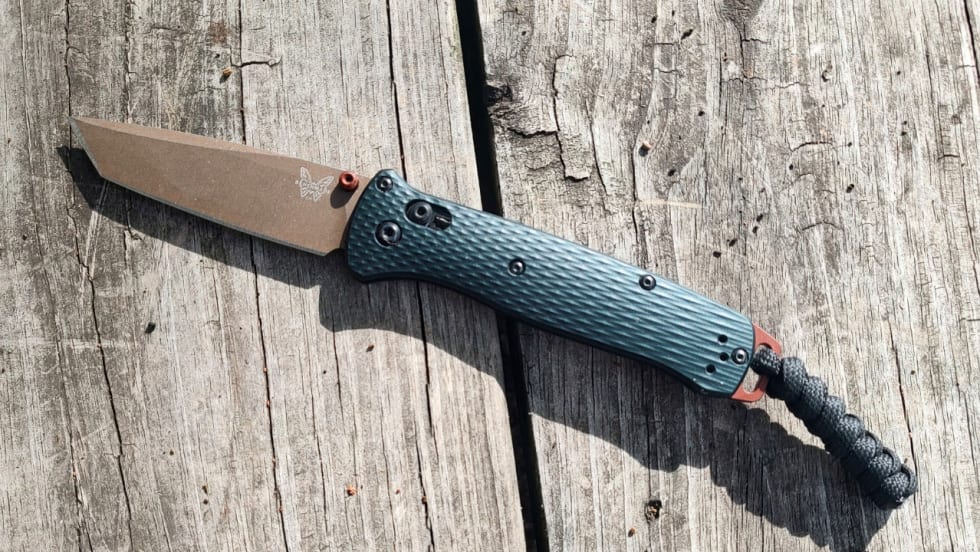
POLICE Product Test: Benchmade Bailout
The Benchmade Bailout is a slim, lightweight carry knife with a deep-ride pocket clip and comes in a variety of blade steels and scales. Here is a detailed review of the Taiga Green Bailout, released earlier this year.
Read More →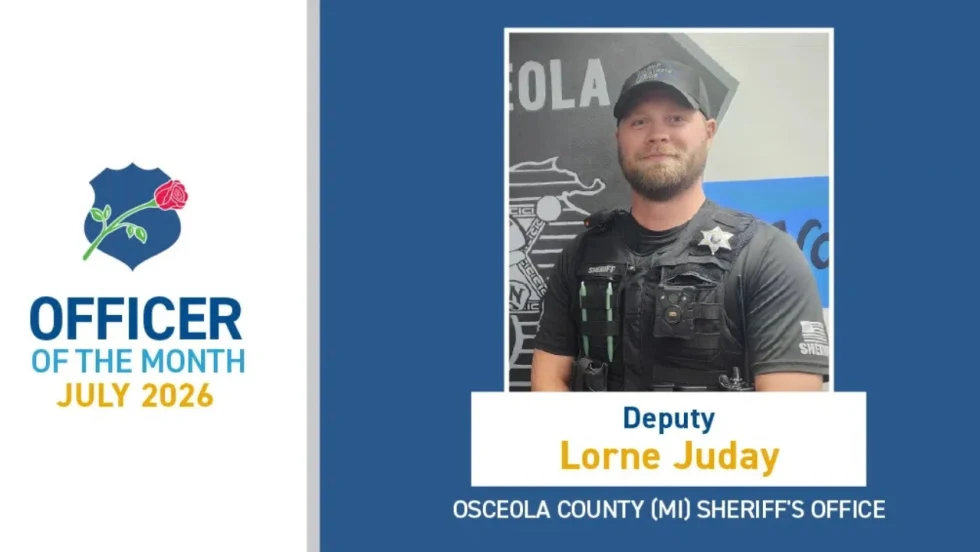
NLEOMF Announces July 2026 Officer of the Month
NLEOMF honored a Michigan deputy sheriff as the July 2026 Officer of the Month for rescuing a trapped driver from a burning vehicle following a Fourth of July crash.
Read More →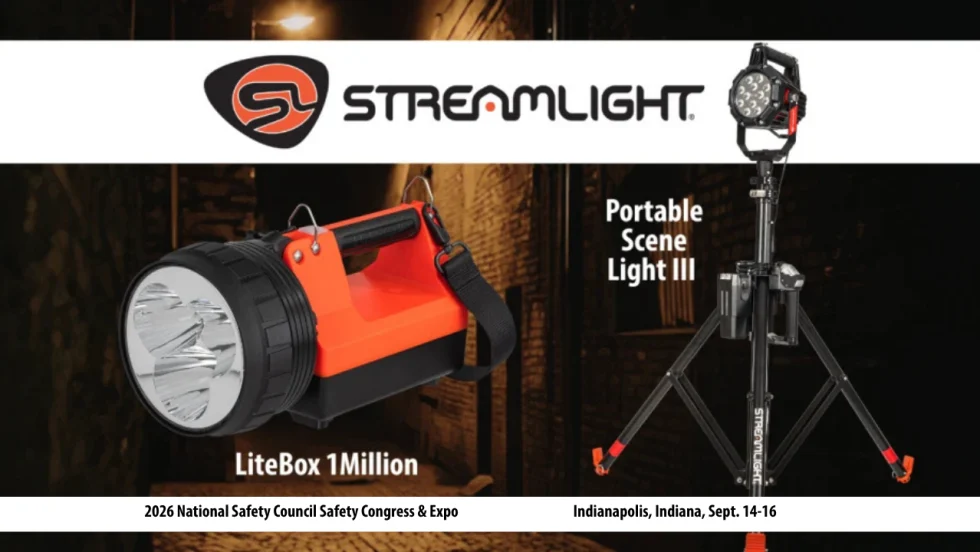
Streamlight to Showcase Newest Lighting Products at National Safety Council’s Safety Congress & Expo 2026
Streamlight will showcase its latest lights, including the Portable Scene Light III and the LiteBox 1Million, at the 2026 National Safety Council (NSC) Safety Congress & Expo.
Read More →
The 2027 World Police & Fire Games Set for Perth, Australia
The 2027 World Police & Fire Games (WPFG) will take place in Perth, Western Australia, from Friday, March 12 through Sunday, March 21, 2027.
Read More →
5.11 Partners with National Fallen Firefighters Foundation to Support #ForThe343
5.11 has joined the nationwide movement honoring the 343 New York City Fire Department firefighters lost on Sept. 11, 2001.
Read More →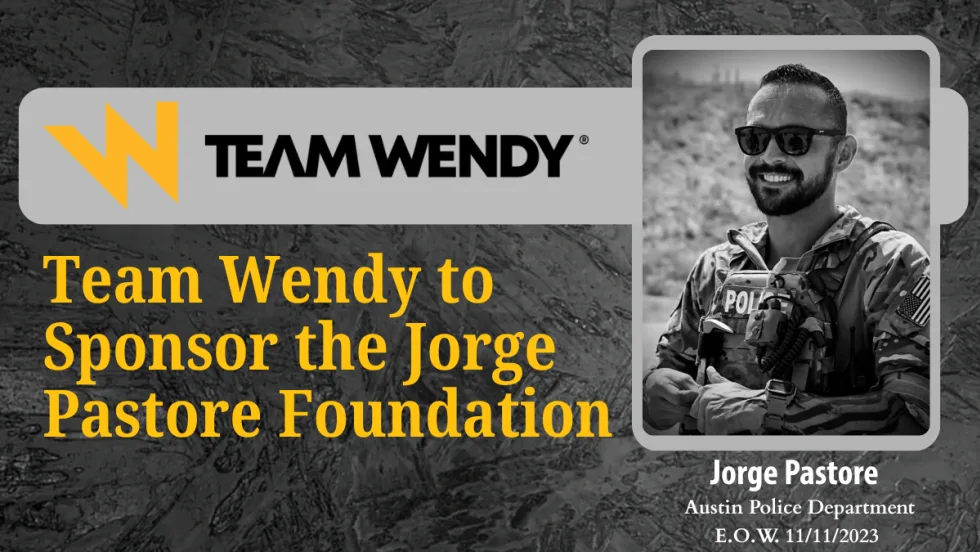
Team Wendy Announces Title Sponsorship of the Jorge Pastore Foundation
Team Wendy’s 3-year partnership with the Jorge Pastore Foundation expands access to programs that strengthen those who serve.
Read More →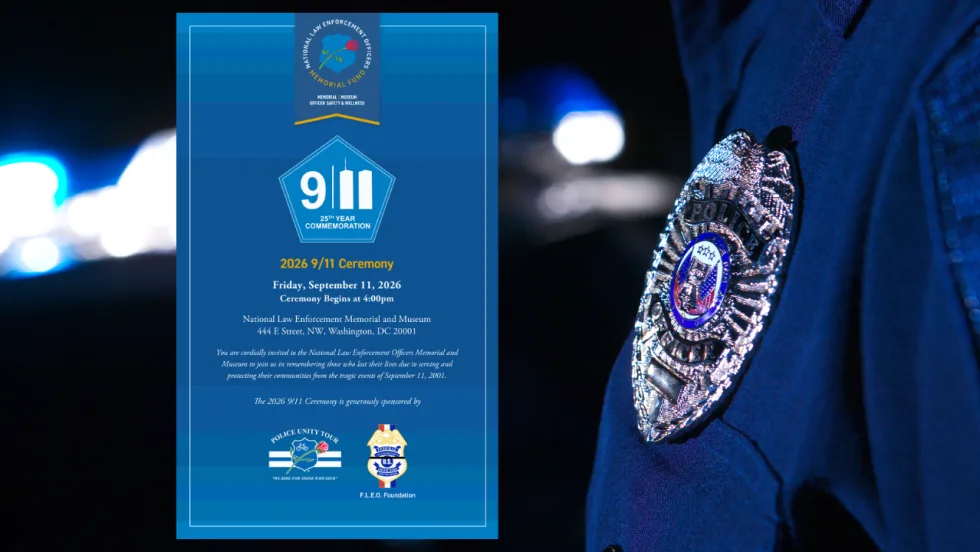
National Law Enforcement Memorial and Museum Hosting 9/11 25th-Year Commemoration Ceremony
The National Law Enforcement Memorial and Museum is hosting a 9/11 25th Year Commemoration Ceremony on Sept. 11 at 4 p.m.
Read More →
National Law Enforcement Officers Memorial Fund Announces June 2026 Officers of the Month
The National Law Enforcement Officers Memorial Fund (NLEOMF) named 15 officers of the Chico Police Department (California) as the Officers of the Month for June 2026 for their roles in responding to an active-shooter incident at a public library.
Read More →
Team Wendy App Creates New Digital Hub for Helmet Owners
The Team Wendy Community App provides one location for warranty registration, size-fit tools, product updates, and community connection. For helmet owners, the new app creates a simpler path to the information and tools that matter most.
Read More →