



Taking Charge of Yourself
Supervisors often hear that they are to lead by example, but what does that really mean? You are the first person who has to obey in order to comply with the very things you demand of others.

Supervisors often hear that they are to lead by example, but what does that really mean? To me it's quite simple; it means that before you can command others, you must learn to command yourself. You are the first person who has to obey in order to comply with the very things you demand of others. You have to be your own first and best follower if you want others to do the same. This isn't something you talk about; it's something you do every day without exception.
There are many concepts you have to understand in order to be an effective leader. Understanding that everything you say and do is being evaluated by your subordinates is often overlooked. They not only look to you for operational guidance, but more importantly to see what tempo you are going to set. If you set high standards, they will rise to meet them. If you set low standards, they will meet those as well. More importantly, if you can't meet your own standards, why should they?
At one time or another, we have all seen examples of what not to do. I have learned more from experiencing leadership failures than by reading any books on the subject. I only have to think back to my FTO days for my first example. One of my FTOs was so out of shape he couldn't catch his breath, let alone a bad guy. He was sloppy, his officer safety was horrendous, and his people skills were nonexistent. I swore I would never be anything like him. Lesson learned.
In order to be taken seriously as a leader, you must lead through experience and competence, not through title or position. It's a big deal to go from the person asking questions to being the one now responsible for answering them. Unfortunately, there are supervisors out there who think that once you get promoted your job is done. True leaders understand it's just the beginning. I will use something from my martial arts background to demonstrate what I mean.
There are those who believe becoming a black belt is quite an accomplishment. It is, but not in the way most believe. Earning your black belt doesn't make you a master but means you have learned the basics of the art you are studying. It signifies the transition to more meaningful learning and a more responsible position in the organization. It doesn't signify anything other than you being a good student who is ready for more.
Most of my martial arts training up to black belt revolved around imitating the movements of my instructors. I did what they did. I acted the way they acted. As I continued my training I began to understand their actions to the point where I could begin teaching as well. In law enforcement, earning your stripes puts you in very much the same position. You know the job and it's time to make sure members of your command know theirs.
Your subordinates will watch you and learn from you. They will follow your lead. We have a quick learning curve. If it's important to you, it will be important to them. If you don't believe me, take a look at your own organization. You know which squads work hard and which do not. You can also identify why; as a matter of fact, you can put a name to it. You will end up naming one of their supervisors as the culprit.
Let's face it, mediocrity breeds mediocrity. If you want your unit to have a good work ethic, yours better be the example of it. If you want them to have great-looking uniforms, yours better look that way. If you want them to have outstanding reports, work with them and don't accept anything less. If you want them to treat people with respect, you need to treat them with respect. Whether you like the idea or not, your subordinates are a reflection of you and your work product.
If you want to be an effective leader you must be your own best follower. You must obey the very orders you give, you must follow the very instructions you put out, and you must follow the very policies you help enforce. No one is going to take you seriously if you don't. In martial arts the difference between a student and master is the master has made his or her art a way of life. It goes beyond kicking, punching, and self-defense applications. If you are to become an effective leader, you must make leading by example your way of life. It becomes who you are and what you stand for. Taking charge of yourself will really determine how effective you are. Rank alone only gets you in the door. The rest is up to you.
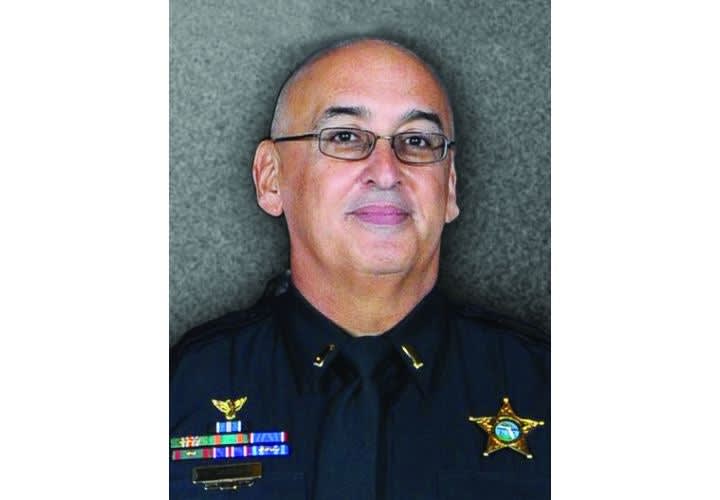
Amaury Murgado retired a senior lieutenant from the Osceola County (FL) Sheriff's Office with over 29 years of experience. He also retired from the Army Reserve as a master sergeant. He holds a Master of Political Science degree from the University of Central Florida.
More Training
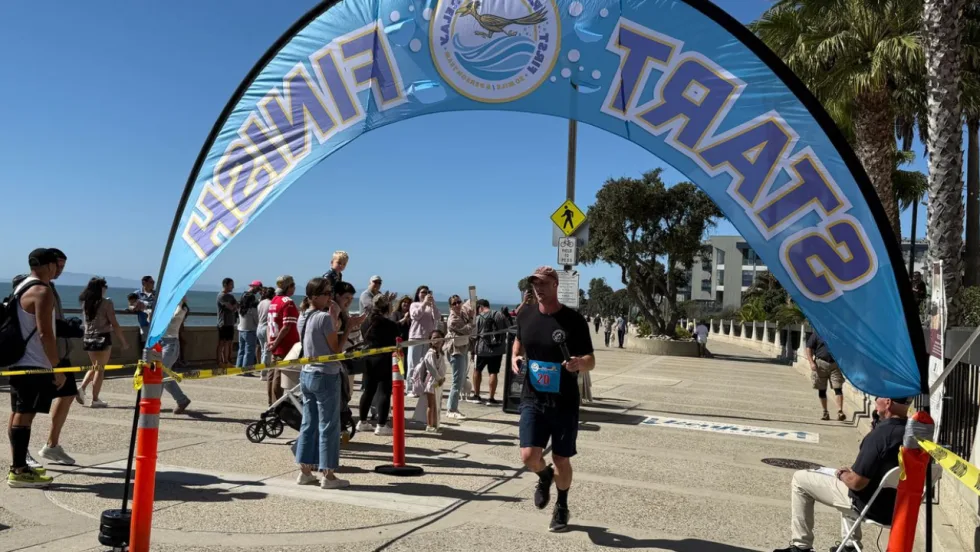
Registration Underway for Sixth Annual First Responders Relay
The California Police Athletic Federation’s annual First Responder Relay will welcome first responder teams from across the globe to compete along Ventura's scenic coastline on Oct. 11. Registration is underway.
Read More →
Vector Solutions Launches Comprehensive Online Dispatch Training Catalog for Emergency Communications Professionals
Vector Solutions’ new catalog of 35 expert-developed online courses can help emergency communication centers strengthen training, meet certification requirements, and simplify continuing education.
Read More →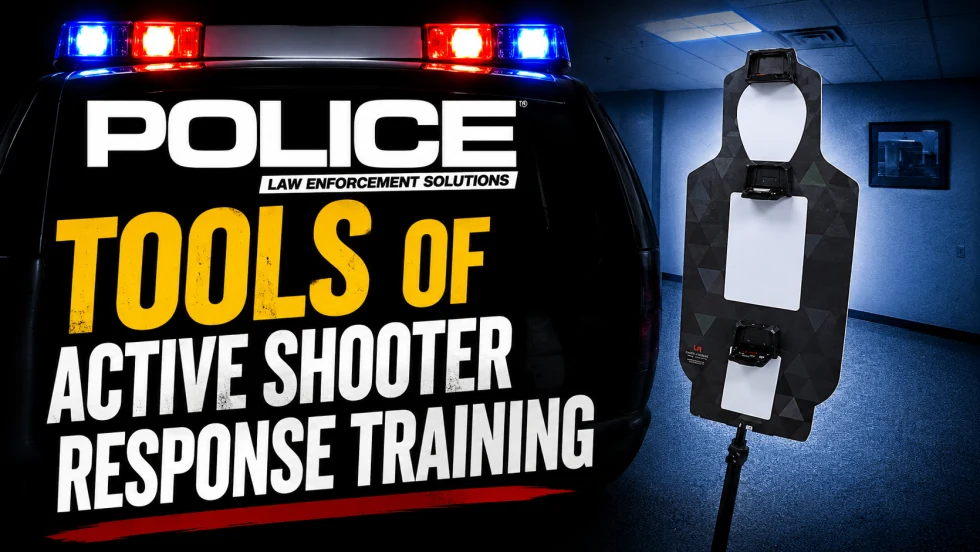
Tools for Active Shooter Response Training
What technologies help prepare officers for active shooter response situations? This behind-the-scenes look at law enforcement training explores shot simulators, smart firearms, laser target systems, and the tools used to build safer, more effective training environments.
Read More →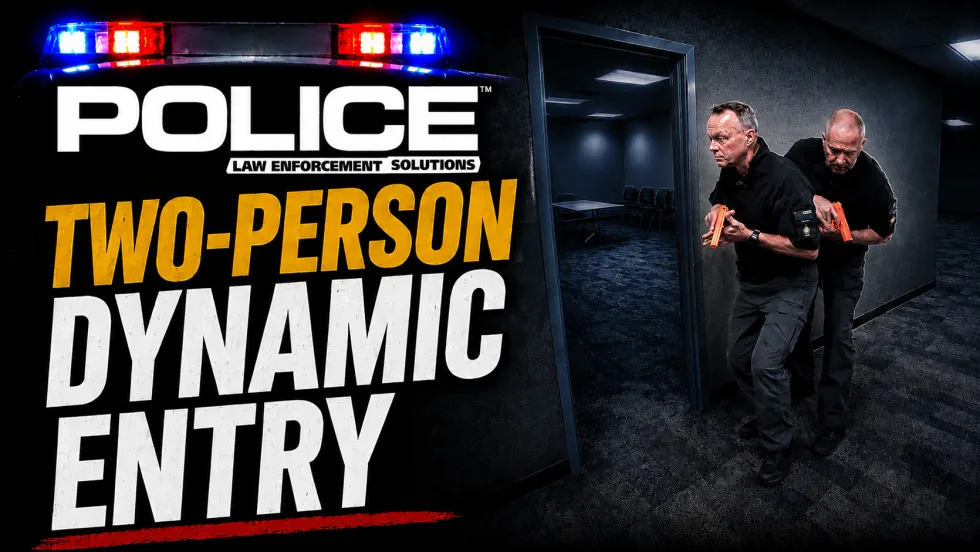
Two-Officer Tactical Doorway Entry Techniques
Entering a room during active-threat situations requires communication, coordination, and disciplined tactical movement. In this video, trainers from the United States Deputy Sheriff’s Association demonstrate critical room entry concepts, including fatal funnel awareness, team coordination, and safe tactical movement.
Read More →
High Compressed Ready Explained | Muzzle Control For Room Entry
In this video, Mike Willis, law enforcement national training and program director for the United States Deputy Sheriffs’ Association, demonstrates the high compressed ready position and discusses muzzle control during room entry.
Read More →
Why Attend the DroneSense Innovation Summit by Versaterm?
Let’s hear from Ryan Bracken, head of product, about why your agency should send someone to the first annual DroneSense Innovation Summit by Versaterm in April.
Read More →
Caswell Live Fire Spins Off from InVeris
Caswell Live Fire has spun off from parent company InVeris, coinciding with the 100th anniversary of Caswell’s founding. Over the past 100 years, Caswell has developed pioneering solutions that support military, law enforcement, and commercial clients worldwide.
Read More →
When Do You Transport a Wounded Officer Instead of Waiting for EMS?
Thumbnail for video series POLICE Topics, Tactics & Tips with a yellow headline that reads When Do You Transport a Wounded Officer Instead of Waiting for EMS?
Read More →
How to Pick Your High-Risk Stop Location for Tactical Advantage
Hear veteran trainer Mike Willis, of the United States Deputy Sheriff’s Association, explain several considerations that can help you wisely pick your best spot to initiate high-risk or felony traffic stops.
Read More →
Coffee Break with Police Experts: Using Your Patrol Vehicle for Cover
In this video, hear from Dustin Mowery, a product specialist at Team Wendy, as he discusses how to best use a patrol vehicle for cover.
Read More →