



Rolling Gun Shops
The fact that you have better guns and more guns means that this type of crime is on the upswing. In recent months, police departments have even received e-mail warnings saying that gang members are increasingly "shopping" for guns inside law enforcement vehicles.


Agencies are finding better ways to secure their firearms in vehicles.
In Clayton County, Ga., police officers pursued suspects in possession of two stolen firearms: an MP5 submachine gun and an AR-15 assault weapon.
In Taos County, N.M., the sheriff's office sent out a crime broadcast advising of the theft of a Bushmaster Model XM14-E2S short-barreled AR-15 rifle.
In Contra Costa County, Calif., officers arrested a man after he was found to be in possession of about $15,000 worth of stolen weapons and equipment. The recovered property included several assault rifles, a modified shotgun, ballistic vests and helmets, night vision equipment, and about 5,000 rounds of ammunition.
All of these firearms were stolen from law enforcement vehicles.
The idea of breaking into a patrol car isn't particularly novel. Bad guys know that you have good stuff in your car, including guns and ammo, and they've been targeting patrol cars for decades.
What is different now is the caliber and firepower of the firearms that are available in your vehicle. The fact that you have better guns and more guns means that this type of crime is on the upswing. In recent months, police departments have even received e-mail warnings saying that gang members are increasingly "shopping" for guns inside law enforcement vehicles.
From the point of view of the bad guys, your car is the best gun source in town. After all, it's easier and safer breaking into a patrol car than a gun store. When a bad guy breaks into a firearms retailer, he faces alarms, maybe dogs, and possibly armed store personnel. In contrast, a parked and empty patrol car usually has no alarm to alert others to the burglary, no video surveillance to document the crime, and no armed occupants. And it often contains really good and really expensive guns, especially now that many agencies provide ARs to officers so that they can engage active shooters.
For example, the Los Angeles Police Department deploys with Colt, Bushmaster, or Smith & Wesson ARs; and Benelli or Remington shotguns. The rifles are secured in the trunks and the shotguns are located in a rack between the seats. That's a pretty common set up for most departments. But is it secure enough?
"No, not at all," according to Scott Smith, POLICE Magazine contributing editor, firearms instructor, and former federal law enforcement officer. "You see these units with the split bucket seats: The buttstocks of these long guns fit nicely between and rest well against the seat. That's pretty much how they secure them. You can readily identify them from outside the car. Some larger agencies have electronic locks and fingerprint recognition systems in place, but most don't."
Smith wishes that a greater premium were placed on securing these weapons, but he isn't surprised that it isn't. "We're not shy about putting out big bucks for sexy things like tactical body armor and MRAP rescue vehicles for SWAT teams, but we don't want to put out a couple of hundred for firearms security. We're big on big toys, but not practical toys."
Kent Hogge, a retired Washington state trooper, says that while his generation may not have had the opportunity to carry ARs, their cars may have been better suited for it. "We used to carry our long guns in a boot that was mounted down out of sight along the front seat bench," reflects Hogge.
"With the center consoles and bucket seats of today's patrol cars, that wouldn't work," he says. "You lose the advantage that we had with our shotgun racks-keeping the weapons out of sight from the public unless needed-and these days they're readily recognizable from outside the car. Personally, I've always thought it somewhat unwise to have them in plain sight."
Lock and Key
There are numerous companies that make systems and equipment for securing rifles in police vehicles. They range from the locking shelf systems to wrap around metal locks. All make it harder for bad guys to score an AR from a patrol car.
Regardless of what security system an agency chooses Jeff Chudwin, president of the Illinois Tactical Officers Association and chief of the Village of Olympia Fields (Ill.) Police Department, emphasizes the need to approach the problem promptly and constructively. "However you set up your security system, it should not be so obvious that a person with malicious intent can walk in and easily remove it. If one of your kids can figure out how to release it, then you need to come up with a system that's more secure than that."
Chudwin also notes that theft prevention needs to be weighed against weapon accessibility for the police officer.
"We have this difficult balance between having these rifles and shotguns accessible to us at the moment that our life is at immediate risk vs. having them so secure that an officer can't deploy it," Chudwin explains. "What we need is a level of security that the agency, the officer, and the community can all be comfortable with."[PAGEBREAK]
POLICE Magazine contributor and retired Reno, Nev., officer Tim Dees says it comes down to balancing community safety and officer safety. "When it comes to keeping these weapons available in patrol cars, you're dealing with two problems, one of which defeats the other: Either the cop has to be able to get the firearm out quickly, which of course means a less secure housing mechanism, or you're going to have a more secure means of retaining the weapon in its housing, which is going toy make it more difficult for the officer to access."
Policy Problem
"If the weapons are getting stolen out of the car, it's probably a policy problem," notes retired officer and firearms expert Dave Spaulding who observes that some firearms have been stolen from his local Dayton (Ohio) Police Department.
Spaulding, who retired as a lieutenant with the Montgomery County (Ohio) Sheriff's Department, suggests a two-pronged approach in curtailing weapon thefts from police vehicles.
"There should be a policy where the gun goes back inside the station with the officer at the end of his shift and is locked inside the police department or in the home," Spaulding says. "And when they are left in vehicles, they'd better be doing something more than just tossing them in a case and throwing them in the trunk. If it's going to be stored inside the vehicle for greater convenience, then there needs to be some type of locking device."
Chief Bill Harvey of the Ephrata (Pa.) Police Department explains that supervisors can play a key role in preventing firearms thefts. "Prevention is the big key," Harvey says. "It goes back to the old adage, 'It's 10 percent telling, 90 percent checking.' Supervisors here are doing a splendid job of double-checking, reminding officers of the importance of weapon security, and rolling by crime scenes to double-check and make sure that things are locked up. One of the biggest cure-alls is to have a good sergeant out there."
Clear and Present Danger
The message for law enforcement is clear: We need to lock down our weapons or we may lose them. For if law enforcement has learned anything over the past several decades, it is that liability makes or breaks many an agency policy. The first time some dirtbag appropriates a long gun from a law enforcement vehicle and uses it to shoot civilians, it could be the end of the "patrol rifle."
Already, there've been close calls.
Before the Jefferson Parish (La.) Sheriff's Office recovered an M4 assault rifle stolen from one of its patrol units, officials believe that it had been used in an unsuccessful drive-by attempt on a 19-year-old male.
At the time of his arrest in the Pima County (Ariz.) Jail parking lot in September 2007, police say Ryan "Rhino" Heidrich had in his possession a puppy, a mask, gloves, a sawed-off shotgun, and an assault rifle. For months, Heidrich had been the subject of a search by local authorities. Police say his goal was to kill an officer with a police-owned gun. The assault rifle in his possession was reportedly stolen from a SWAT team member's pickup as it sat in his driveway. The truck did not have any signs of having been broken into and the involved officer was forced to take 120 hours unpaid leave and taken off the SWAT detail.
Kent Hogge adds that agencies can't afford to be penny wise and pound foolish when it comes to long gun security. The stakes are just too high.
"If even one rifle is stolen then used to shoot up a neighborhood, the knee jerk reaction of administrators and politicians who either never knew or had forgotten what it is like when the bullets are coming toward them, would be to take them away from everyone instead of making adjustments to security measures and policies to ensure no more get taken.
"Changes need to be made before the horses get out, not after the guns are gone and everyone gets penalized by having their capability to deal effectively with the violent scum they are going to confront reduced by administrators taking the rest of the guns out, too."
FIREARMS SECURITY SYSTEMS FOR VEHICLES
ArmorTec
B&B Enterprises
ConsoleVault
Extendo Bed
Highway Products
Mogul Life Jacket
Odyssey Automotive
Pelican Products
Troy Products
TruckVault
TSS/Kalispel
TUFLOC
TUFFY SECURITY Products
More Vehicle Ops
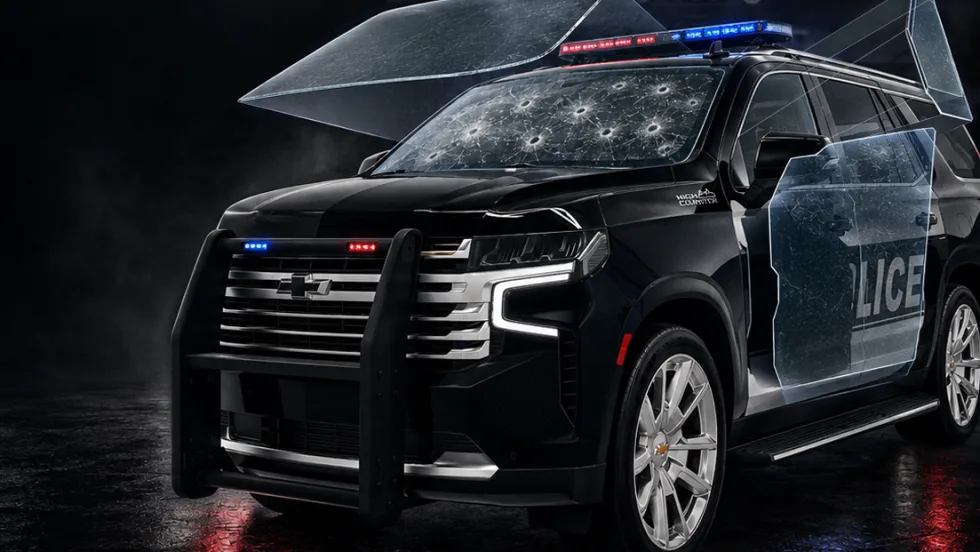
It’s an Ambush: How Ballistic Glass Redefines Patrol Vehicle Safety
Dana Safety Supply is setting a new standard for officer safety with windshields capable of withstanding multiple rounds and saving lives — and one Texas deputy is living proof.
Read More →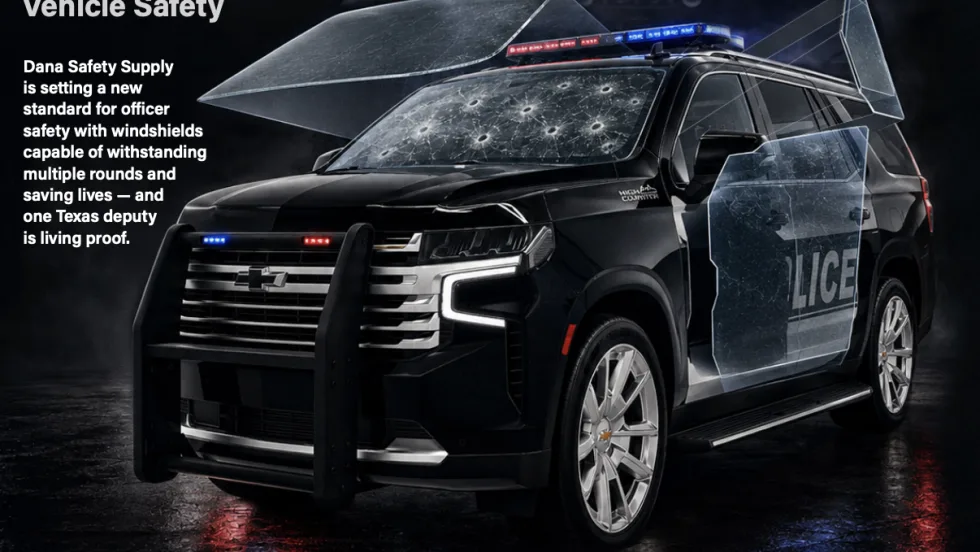
Dana Safety Supply’s BallisTech Vehicle Armoring Solutions
Dana Safety Supply is setting a new standard for officer safety with windshields capable of withstanding multiple rounds and saving lives.
Read More →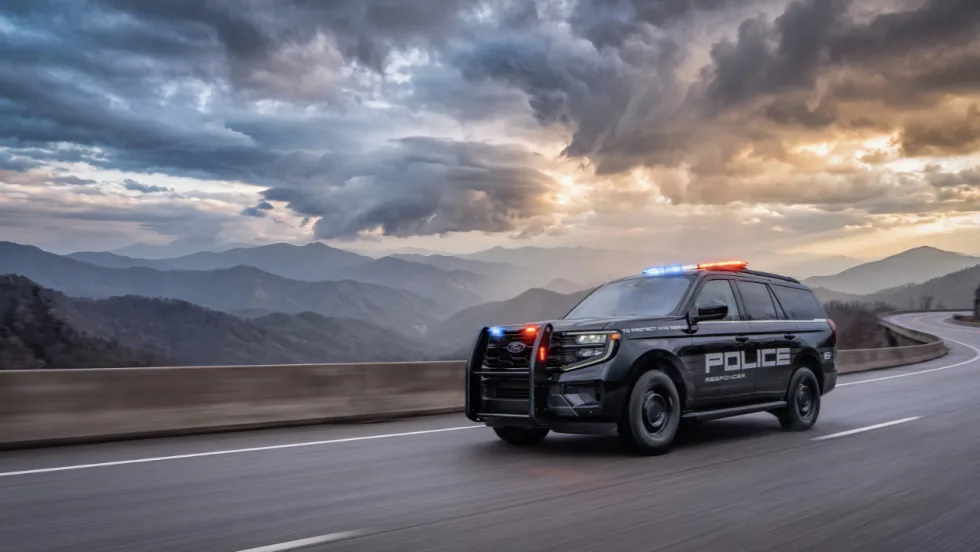
Ford Showcases 2028 Ford Expedition Police Responder
Ford showcased its 2028 Ford Expedition Police Responder, a full-size, pursuit-rated utility vehicle, at Police Fleet Expo this week. It comes standard with 4x4 and a 3.5-liter EcoBoost V6 producing 400 horsepower and 480 lb.-ft. of torque.
Read More →
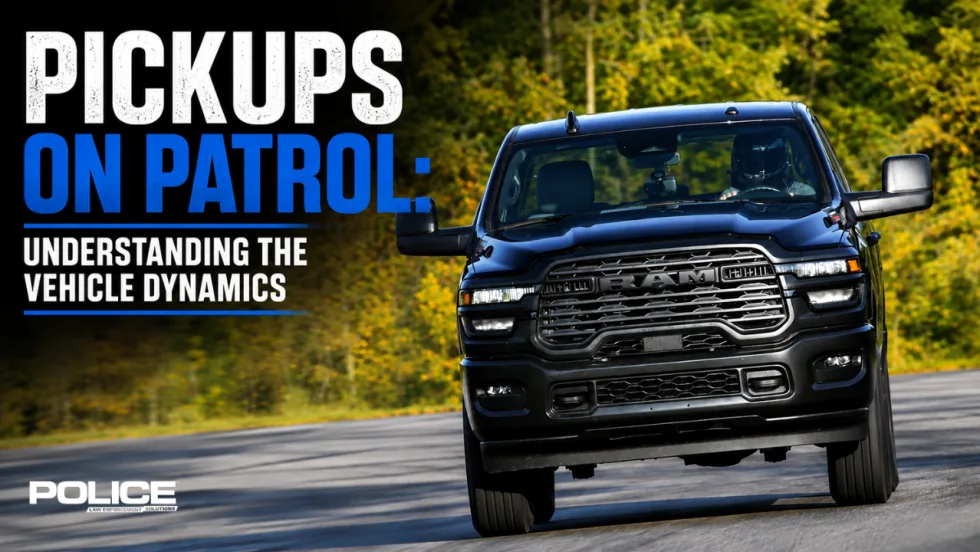
Pickups on Patrol: Understanding the Vehicle Dynamics
Pickup trucks are not new to patrol duties, but with the debut of the 2027 Ram 2500 Emergency Response Vehicle, they are getting larger and heavier. POLICE reached out to the Michigan State Police Precision Driving Unit to learn more about pickup truck handling, vehicle dynamics, and what officers need to know.
Read More →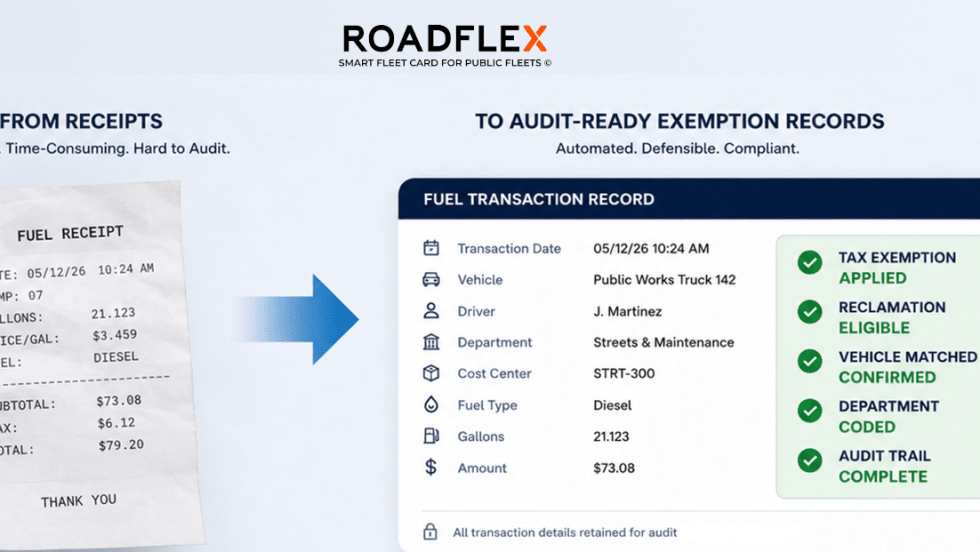
RoadFlex Brings Fuel Tax Compliance & Audit-Ready Reporting to Government Fleets
RoadFlex now offers its capabilities to help public-sector fleets streamline fuel tax exemptions, reclamation, reconciliation, and audit-ready reporting.
Read More →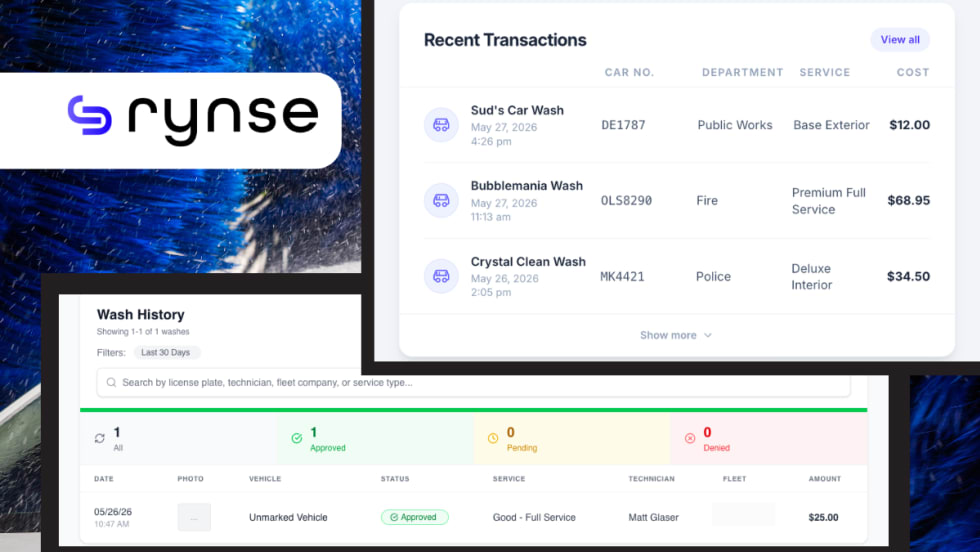
Rynse Awarded Cooperative Purchasing Contract, Expanding Nationwide Fleet Wash Access for Law Enforcement
Rynse has secured a 2026-2027 NCSA contract, giving law enforcement agencies nationwide fast-track access to its fleet wash network and management platform, which streamlines procurement, reduces administrative burdens, and helps fleets stay road-ready with greater oversight.
Read More →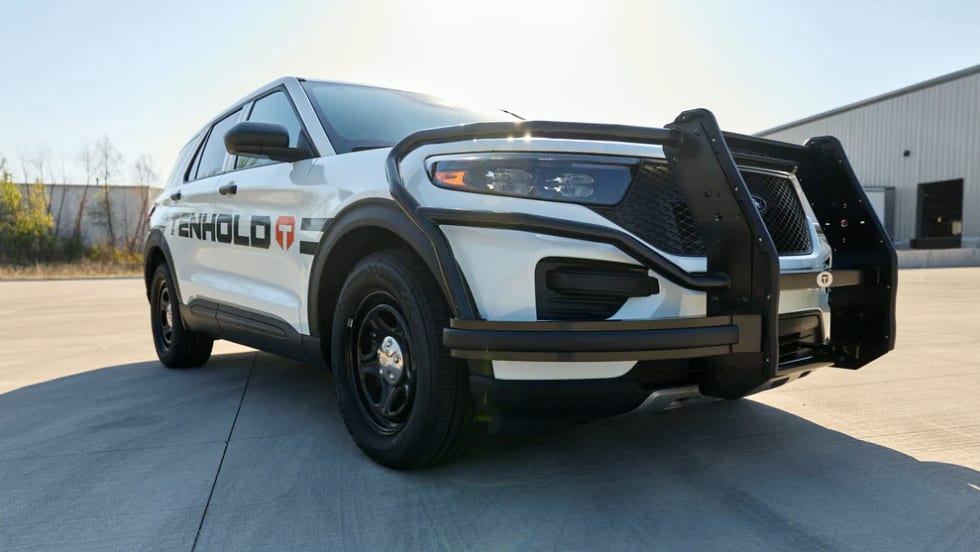
Tenhold Introduces Suppressor Gun Rack System
Tenhold, formerly Jotto Desk, provides next-generation vehicle systems for law enforcement and public safety and recently debuted its Suppressor Lock Head for its Weapon Mounting system.
Read More →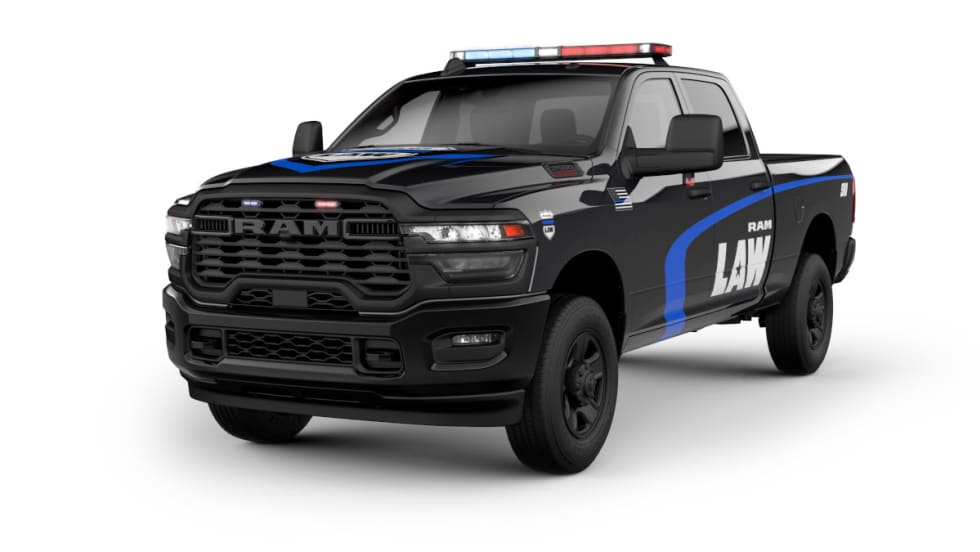
Ram Debuts Pursuit-Capable 2500 Emergency Response Vehicle
The 2027 Ram 2500 Emergency Response Vehicle is the first and only ¾-ton truck to complete the Michigan State Police vehicle trials, and Ram said it delivered outstanding performance in testing scenarios designed to replicate extreme real-world duty.
Read More →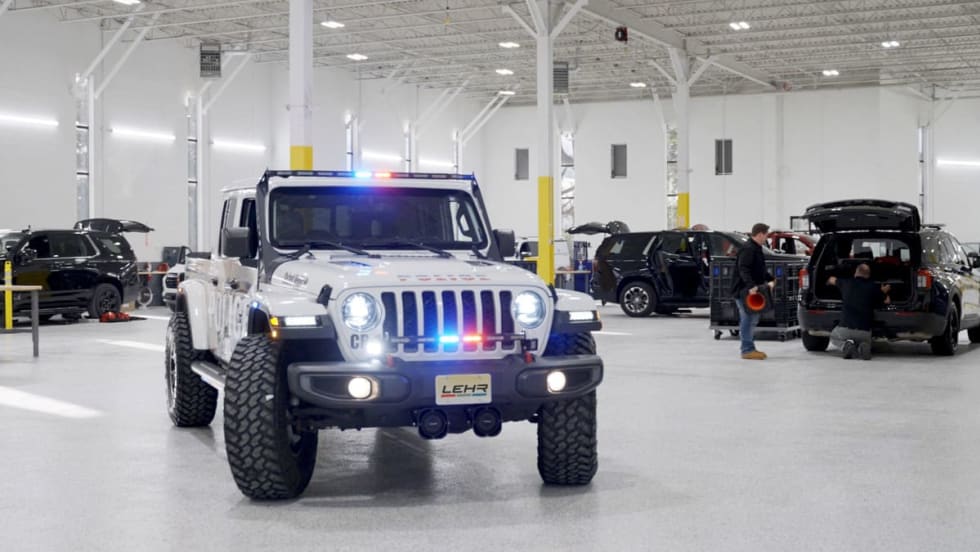
Emergency Vehicle Upfitter LEHR Opens New Facility in New Jersey
LEHR’s new centralized upfitting facility in New Jersey consolidates operations to deliver faster turnaround times and enhanced fleet capacity for law enforcement agencies across the Northeast.
Read More →
North Carolina Sheriff’s Office Improves Fueling Reliability & Operational Control
The Madison County Sheriff’s Office overcame fuel management and accounting challenges by turning to RoadFlex to improve fueling reliability, visibility, and administrative control.
Read More →