



Reverse Mentoring
Don't be afraid to learn something from the very person you are teaching.

There was a time when becoming an expert in your field required a long apprenticeship under a respected master. Now, the apprenticeship philosophy has largely been replaced by mentoring. This involves a senior and experienced person coaching a junior and less experienced one. For the most part this model accomplishes what it sets out to do, but it's not perfect by any means. The problem with this top-down approach is that it doesn't always translate well to areas like technology and current trends, where younger people may have more knowledge to share with their senior counterparts. This is why I'm a proponent of reverse mentoring.
Reverse mentoring was created by former General Electric Chairman Jack Welsh in the late 1990s. He felt that younger employees could help older staff become familiar with emerging digital technologies. Anyone my age who transitioned to a smart phone or ever played Call of Duty against a 10-year-old understands perfectly. If you are younger and wondering why anyone would have trouble expertly using a smart phone or playing a video game, you're making my point for me.
I think we can use the reverse mentoring philosophy in law enforcement by broadening its role to be more inclusive beyond digital applications. The first thing we can do is acknowledge that when dealing with new hires we are dealing with the agency's future. Assuming they stay on, they are not going to be the new kid on the block forever. They will be filling in those senior slots and moving up the ranks just like we did. They may not have very much experience now, but we can still learn something from them by way of their feedback.
For example, they can speak to how effective their training was and how training can be improved. As an FTO, I read all my evaluations and looked for ways to stay relevant and fine tune the material. That fit the traditional model well. But under reverse mentoring, feedback should be ongoing and not saved until the end. If you think about it, delayed feedback might help the next recruit but does nothing for the one going through training now.
The next point I want to make is experience comes in many forms and we shouldn't shun anyone just because theirs is different than ours. We need to recognize that there are gaps on both sides, and that each person can help the other.
We have all had to deal with the guy who comes in with prior experience and says, That's not the way we did it at X." The usual response is, "You're not at X anymore so get over it." However, if you are going to use reverse mentoring, then you should find out why it was done differently. Maybe there is something there that translates into doing a better job over here. In other words, don't be afraid to learn something different even if it is from a junior person. Keep in mind that what worked five years ago may have lost its relevancy in today's terms. Just because someone with less experience points that out, it doesn't make it any less valid. It's been my experience that learning is seldom a one-way street.
My last point is to break down typical seniority type stereotypes. Being senior doesn't automatically make you better. Take shooting at the range, for example. I have seen many senior officers who talk a good game but can't shoot worth a damn. If you're having trouble, why not get coached by the junior person that isn't having any? They might be new to law enforcement, but they may have years of firearms experience from somewhere else like serving in the military or spending time hunting. We need to put our egos in check and work on our skills regardless of who is helping us. Seeking improvement is a priority for everyone, senior and junior alike.
In order for reverse mentoring to take place you need to create and maintain an attitude of openness to the process. You have to look past status, authority, and position. You also have to make time for it. You have to look for ways to share information. You need to use active listening or you will miss golden opportunities to learn something or help yourself with something you are having a problem with. You must be able to overcome differences in generational style and be open to seeing things from different perspectives. In other words, don't be afraid to learn something from the very person you are teaching. That in a nutshell, is what reverse mentoring is all about.
Amaury Murgado retired a senior lieutenant from the Osceola County (FL) Sheriff's Office with over 29 years of experience. He also retired from the Army Reserve as a master sergeant. He holds a Master of Political Science degree from the University of Central Florida.
More Training
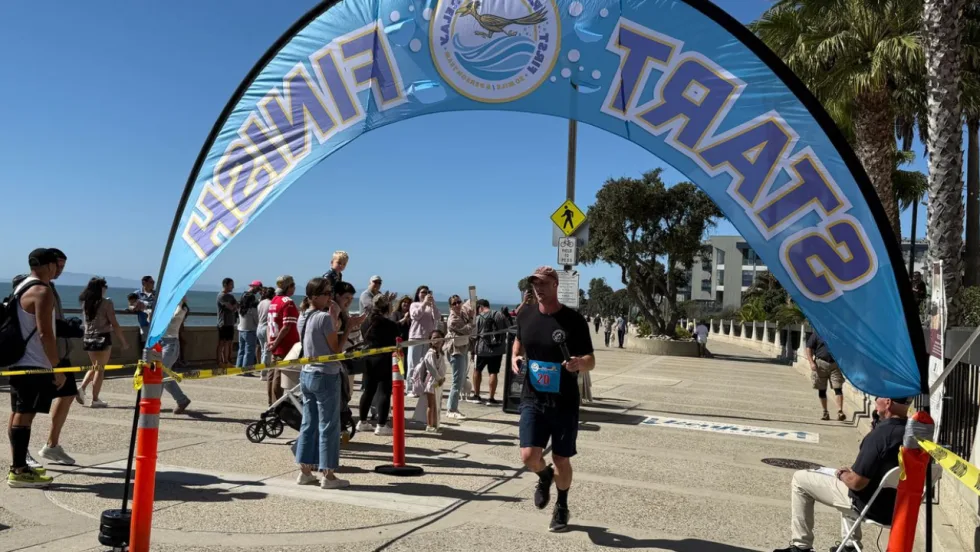
Registration Underway for Sixth Annual First Responders Relay
The California Police Athletic Federation’s annual First Responder Relay will welcome first responder teams from across the globe to compete along Ventura's scenic coastline on Oct. 11. Registration is underway.
Read More →
Vector Solutions Launches Comprehensive Online Dispatch Training Catalog for Emergency Communications Professionals
Vector Solutions’ new catalog of 35 expert-developed online courses can help emergency communication centers strengthen training, meet certification requirements, and simplify continuing education.
Read More →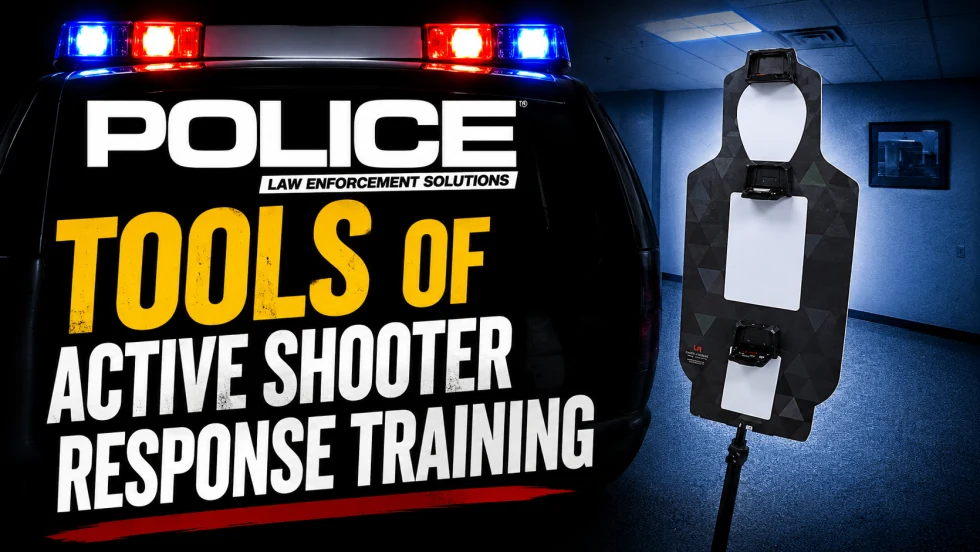
Tools for Active Shooter Response Training
What technologies help prepare officers for active shooter response situations? This behind-the-scenes look at law enforcement training explores shot simulators, smart firearms, laser target systems, and the tools used to build safer, more effective training environments.
Read More →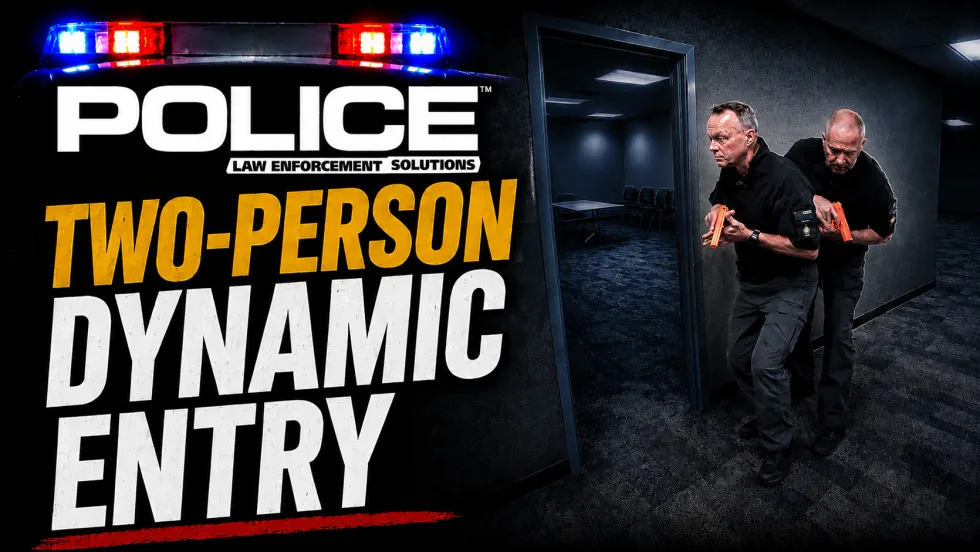
Two-Officer Tactical Doorway Entry Techniques
Entering a room during active-threat situations requires communication, coordination, and disciplined tactical movement. In this video, trainers from the United States Deputy Sheriff’s Association demonstrate critical room entry concepts, including fatal funnel awareness, team coordination, and safe tactical movement.
Read More →
High Compressed Ready Explained | Muzzle Control For Room Entry
In this video, Mike Willis, law enforcement national training and program director for the United States Deputy Sheriffs’ Association, demonstrates the high compressed ready position and discusses muzzle control during room entry.
Read More →
Why Attend the DroneSense Innovation Summit by Versaterm?
Let’s hear from Ryan Bracken, head of product, about why your agency should send someone to the first annual DroneSense Innovation Summit by Versaterm in April.
Read More →
Caswell Live Fire Spins Off from InVeris
Caswell Live Fire has spun off from parent company InVeris, coinciding with the 100th anniversary of Caswell’s founding. Over the past 100 years, Caswell has developed pioneering solutions that support military, law enforcement, and commercial clients worldwide.
Read More →
When Do You Transport a Wounded Officer Instead of Waiting for EMS?
Thumbnail for video series POLICE Topics, Tactics & Tips with a yellow headline that reads When Do You Transport a Wounded Officer Instead of Waiting for EMS?
Read More →
How to Pick Your High-Risk Stop Location for Tactical Advantage
Hear veteran trainer Mike Willis, of the United States Deputy Sheriff’s Association, explain several considerations that can help you wisely pick your best spot to initiate high-risk or felony traffic stops.
Read More →
Coffee Break with Police Experts: Using Your Patrol Vehicle for Cover
In this video, hear from Dustin Mowery, a product specialist at Team Wendy, as he discusses how to best use a patrol vehicle for cover.
Read More →