



Obstruction of Justice
Witnesses have been intimidated by the bad guys since Cain slew Abel. But today, even victims are expected to keep their mouths shut or quite literally be branded a snitch by their neighbors.

They once taught a class in American schools called "Civics." It instructed young Americans of their duties and privileges as citizens. It taught us that we were given the great privilege of voting, that we had the duty to serve in the armed forces when called, and that we had the responsibility to tell police if we witnessed a crime.
They may still teach this class. But if they do, its quaint discussion of the rights and duties of citizenship must elicit guffaws of laughter. After all, hardly anyone votes today but senior citizens, the public believes that only "saps" serve in the military, and "No Snitching" and "Snitches Get Stitches" are the rules of the street.
Witnesses have been intimidated by the bad guys since Cain slew Abel. But today, even victims are expected to keep their mouths shut or quite literally be branded a snitch by their neighbors.
In late June in the Phoenix area, a 38-year-old woman had the word "snitch" burned into her face from ear to mouth after she reportedly informed the police about a domestic violence case that resulted in her attackers' child being removed from their home. OK, she is allegedly a tweaker, but that doesn't mean that she deserved to have her face ruined. And by the way, if authorities are right on this one: Let's all pray that these folks never get their kid back.
The Phoenix-area branding incident involved whites and Hispanics, but the "No Snitching" movement is a part of hip-hop culture and prevalent in the African-American community.
In many inner city neighborhoods, even crime victims are afraid of telling the police what happened to them for fear of being labeled a "snitch." The most notorious example of this thinking was recently voiced by rap performer Cam'ron on "60 Minutes."
A carjacking victim back in 2005, Cam'ron did not report the crime to the police because it would hurt his street cred. So, Cam'ron, what do you think these guys did after they shot you? That's right, pal. They attacked somebody else, and you are as responsible for that crime as they are because you had the power to prevent it.
Cam'ron went on to say, "Where I come from, once word gets out that you've cooperated with the police, that only makes you a bigger target of criminal violence." So, Cam, let's get this straight: Instead of having the guts to use your influence and your riches to effect change that might help poor people coping with violence in their neighborhoods, you would rather pledge your allegiance to the prison code of "No Snitching." You're a class act, Cam.
"No Snitching" is not just a T-shirt slogan. It has a very real effect in the real world. In some inner city neighborhoods in this country, the closure rate for homicides is less than 10 percent. Some activists in these neighborhoods blame police for failure to solve these crimes, saying that you are lazy because you can only solve crimes when somebody snitches. People who make this argument obviously believe that "C.S.I." is a documentary. How in the world are you supposed to solve a crime without witnesses?
As a society, we need to do something to protect crime witnesses. Certainly, there are already laws against witness intimidation, but they need to be strengthened. Perhaps any kind of intimidation of a witness should be two strikes—that includes making verbal threats. As for killing a witness, anyone who gets convicted of that one needs to fry, because murdering a witness is actually killing the entire criminal justice system.
There are those who say that law enforcement needs to do a better job of protecting informants and witnesses. They are absolutely right. But more importantly, society itself needs to send the message that intimidating witnesses on any level will not be tolerated.
More Training
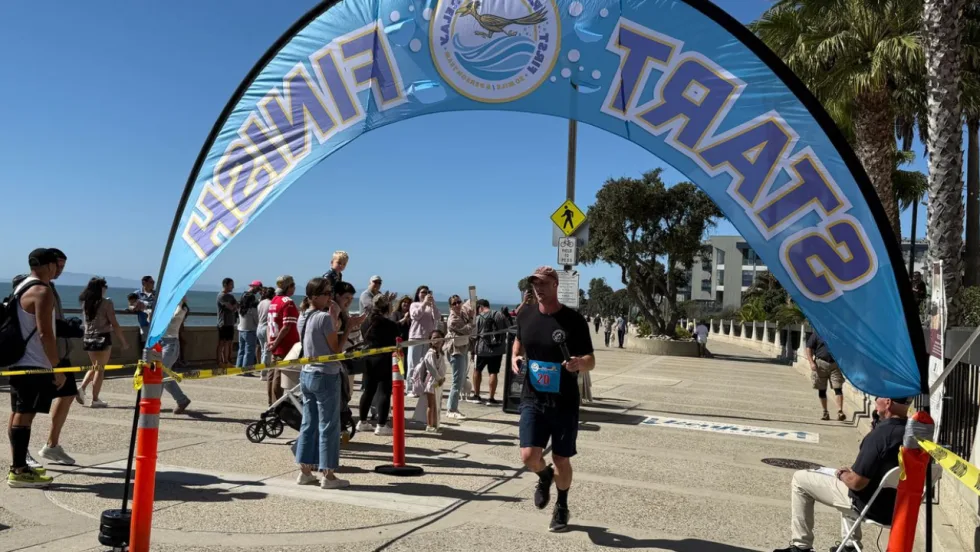
Registration Underway for Sixth Annual First Responders Relay
The California Police Athletic Federation’s annual First Responder Relay will welcome first responder teams from across the globe to compete along Ventura's scenic coastline on Oct. 11. Registration is underway.
Read More →
Vector Solutions Launches Comprehensive Online Dispatch Training Catalog for Emergency Communications Professionals
Vector Solutions’ new catalog of 35 expert-developed online courses can help emergency communication centers strengthen training, meet certification requirements, and simplify continuing education.
Read More →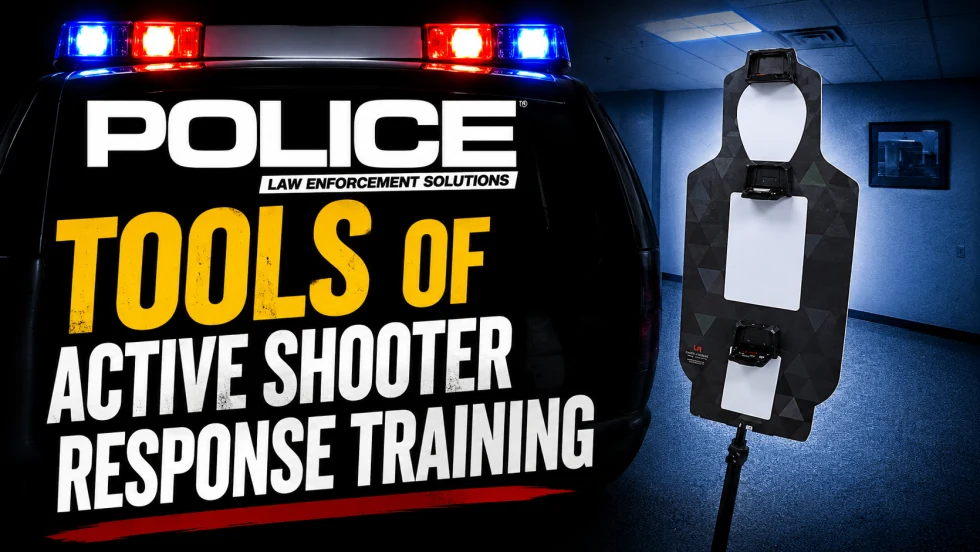
Tools for Active Shooter Response Training
What technologies help prepare officers for active shooter response situations? This behind-the-scenes look at law enforcement training explores shot simulators, smart firearms, laser target systems, and the tools used to build safer, more effective training environments.
Read More →
Two-Officer Tactical Doorway Entry Techniques
Entering a room during active-threat situations requires communication, coordination, and disciplined tactical movement. In this video, trainers from the United States Deputy Sheriff’s Association demonstrate critical room entry concepts, including fatal funnel awareness, team coordination, and safe tactical movement.
Read More →
High Compressed Ready Explained | Muzzle Control For Room Entry
In this video, Mike Willis, law enforcement national training and program director for the United States Deputy Sheriffs’ Association, demonstrates the high compressed ready position and discusses muzzle control during room entry.
Read More →
Why Attend the DroneSense Innovation Summit by Versaterm?
Let’s hear from Ryan Bracken, head of product, about why your agency should send someone to the first annual DroneSense Innovation Summit by Versaterm in April.
Read More →
Caswell Live Fire Spins Off from InVeris
Caswell Live Fire has spun off from parent company InVeris, coinciding with the 100th anniversary of Caswell’s founding. Over the past 100 years, Caswell has developed pioneering solutions that support military, law enforcement, and commercial clients worldwide.
Read More →
When Do You Transport a Wounded Officer Instead of Waiting for EMS?
Thumbnail for video series POLICE Topics, Tactics & Tips with a yellow headline that reads When Do You Transport a Wounded Officer Instead of Waiting for EMS?
Read More →
How to Pick Your High-Risk Stop Location for Tactical Advantage
Hear veteran trainer Mike Willis, of the United States Deputy Sheriff’s Association, explain several considerations that can help you wisely pick your best spot to initiate high-risk or felony traffic stops.
Read More →
Coffee Break with Police Experts: Using Your Patrol Vehicle for Cover
In this video, hear from Dustin Mowery, a product specialist at Team Wendy, as he discusses how to best use a patrol vehicle for cover.
Read More →