



Improvised Backup Weapons
When you're involved in a life-and-death battle where someone is grabbing your gun, anything in your hand can be used as an equalizer to help you gain control of your gun and gain control of the suspect by striking him in the face or head.

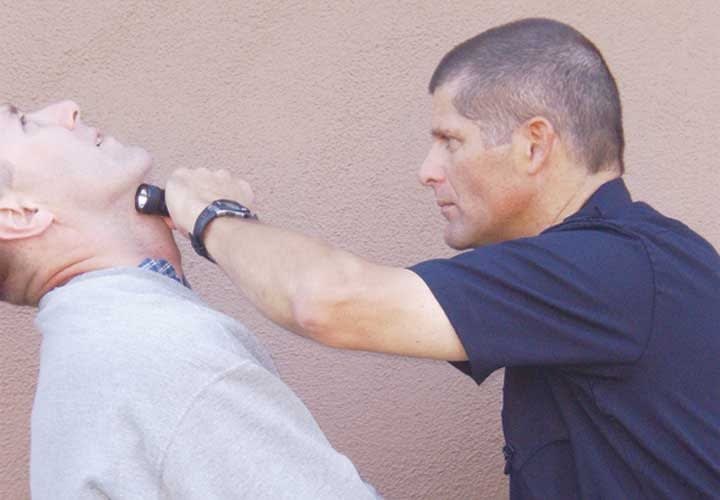
A flashlight jabbed into the suspect’s neck or face area can keep him from taking your gun.
Editor's Note: Watch Al Abidin's "Improvised Backup Weapons" at POLICE TV.
On October 16, 2009 an emotionally disturbed man grabbed Constable Matt Allcroft's gun and ripped it along with the holster, completely off the officer's belt.
Allcroft and his partner Constable Matt Friscolanti of the Hamilton (Ont.) Police Department in Canada were responding to a 911 call for a domestic dispute.
The suspect was six feet tall, 220 pounds, and in his mid 40s.
As both Allcroft and Friscolanti approached the man, who was standing near a highway, he suddenly grabbed Allcroft's gun.
This life-and-death battle lasted several minutes and required both of the officers and three bystanders to subdue the man and wrestle the gun from his grip.
At the end of the day, both of the officers went home. However, that's not always the case when a suspect grabs an officer's gun.
After all, this was an attempt on the officer's life and, according to the FBI's Law Enforcement Officers Killed and Assaulted 2007 report, one out of every 28 U.S. officers killed in the line duty was killed with his or her own firearm.
When you're involved in a life-and-death battle where someone is grabbing your gun, anything in your hand can be used as an equalizer to help you gain control of your gun and gain control of the suspect by striking him in the face or head.
I realize that your first line of defense will most likely be a backup weapon. But the focus of this article will be on what you can do if you already have something in your hand that could be a powerful improvised weapon.
Counter the Grab
As soon as someone tries to grab your gun, immediately grab it yourself to forcefully keep it in your holster. Don't rely on your triple retention holster alone to keep your gun retained.
As you grab your gun, make some strong verbal commands to the suspect. Something along the lines of, "Stop grabbing my gun," or "Don't grab my gun," should suffice. To witnesses and later on in court your verbal commands will make it more apparent that you first tried to stop the suspect without excessive use of force. Your verbal command could also distract the suspect long enough for you to strike his face or head with an improvised backup weapon.
In the middle of your verbal command to the suspect, tightly grip the object in your non-dominant hand as you prepare to use it as an improvised weapon. Having a tight grip will allow you to strike the suspect several times if necessary.
Power Move
In this gun grab encounter, you have already grabbed your gun, you've given a verbal command, and you've tightened your grip on the object in your hand. Realize that for these strikes to make the suspect stop grabbing your gun, you'll need to have power in your movement. Here is a simple two-step drill to help you use your bodyweight to give you a more powerful strike.
Step 1: Crunch Your Stomach
Explosively crunch your stomach, which will make your body bend at the waist. This will bring your upper torso forward so that your weight can be forcefully delivered into your strike. When you do this move, you'll be bringing your head and upper body closer to the suspect.
Step 2: Stomp Your Foot
To add force to the crunch, step across your body, toward the suspect, stomping your foot when it touches the ground. This will bring more momentum and power to your strike. The stomp ends the movement that the crunch began.
Along with this crunch-and-stomp move, quickly bring the open palm of your non-dominant hand up to where the suspect's face or head is likely to be when he grabs your gun.
Note: I'm having you use your open palm just to learn this two-step drill. When you actually use this tactic, you'll have an improvised weapon in your hand.
Your hand should quickly deliver several powerful strikes into the suspect. Quickly and forcefully strike the suspect's face or head, extending your hand about three inches during the strike. Then bring your hand back just as quickly and strike again if necessary to make the suspect stop grabbing your gun. Your hand should move in a jabbing motion with power.
This move by itself is similar to the open-palm strikes used so effectively in World War II. Most recently this palm strike can be seen in the self-defense system of Hikuta.
For maximum effectiveness, be sure that your hand is not winding up. In other words, don't move backward before moving forward. This wastes valuable time and can be recognized and avoided by the suspect. You can also twist your body back and forth to make it harder for him to hold on.
Later, we'll combine a weapon with the power move as an effective way to use improvised backup weapons.[PAGEBREAK]
Go All Out
If a suspect who grabs your gun appears to be on drugs and/or has super strength, focus on striking the suspect's head several times to cause a knock-out.
Very few individuals can endure the pain of being repeatedly struck in the face, and when the strikes are applied to their head they often will lose consciousness.
Aim high on the suspect's head. Imagine a circle drawn around his head at the top of his ears. Anywhere along that line - on the front, back, or sides - would be a good place to strike to knock him out.
If the suspect does get your gun out of your holster here are a few options that could help you to go home alive at the end of your shift:
Lunge at him and strike his face. It will be harder for him to shoot you when you are close to him. Just stay away from the end of the barrel.
Grab the barrel of your gun and keep it aimed at the suspect while you use any type of backup weapon: repeatedly striking his face or head with your improvised backup weapon, shredding his face or neck with your knife, or shooting him with your backup gun.
Even though he has your gun in his hands, as long as you're holding the barrel and aiming it at him, you might be able to fire a round into him with your gun. If you're not able to fire your gun at him, quickly strike him in the face to take his attention away from your gun.
The Weapons
If a subject goes for your gun, use whatever you have on hand as an improvised weapon to protect yourself. I have selected three items that an officer is likely to be holding while on duty: a small flashlight, a metal document holder, and a sturdy no-spill coffee cup. Each of these items should be held with your non-dominant hand so that when a suspect tries to grab your gun, your dominant hand will be able to keep it inside your holster.
Small Flashlight
Many agencies, including the Los Angeles Police Department, are no longer allowing their officers to use large flashlights as weapons, according to their new use-of-force polices. Therefore, I'll demonstrate the use of the small flashlight as a weapon.
When you are using a small flashlight, it should be in your non-dominant hand so that your dominant hand is free to grab and retain your gun when someone tries to grab it.
As you grab your gun, use the power move (crunch and stomp) to quickly and forcefully jab one end of your flashlight into the suspect's face or head. You can also use a hammer fist type of strike. Apply multiple strikes as necessary to get the suspect to stop grabbing your gun.
Metal Document Holder
If you have one of these document holders in your hand and someone tries to grab your gun, immediately use your dominant hand to keep your gun in your holster. Next, use the document holder to strike the suspect in the face or head to make him release his hold on your gun.
No-spill Coffee Cup (Plastic or Metal)
[If you're not using a sturdy no-spill coffee cup, I recommend that you get one. Not only will it keep your coffee hotter longer, it makes for a great improvised backup weapon. To use one this way, get a tight grip on the coffee cup and use the power move to strike the suspect in the face or head to get him to release his grip on your gun.
After the Subject Lets Go
As soon as the suspect releases his hold on your gun, use the same power move (crunch and stomp) to push the suspect away from you.
This should create enough distance between the suspect and yourself so that you can draw one of your primary weapons and command the suspect into a prone position for cuffing, as well as to call for backup if you haven't already.
Be sure to keep the suspect at a far enough distance so that he can't grab your gun again.
Be Prepared
Start training today for the life and death encounter that you might experience tomorrow. Realize that anything around you can become an effective improvised weapon as long as you use a non-telegraphic jabbing motion along with the power move.
Even when you're off duty, I think you'll find that there is no shortage of improvised weapons wherever you go.
Al Abidin has more than 28 years of self-defense experience, which includes teaching, speaking, and writing for the law enforcement community. He also has several training DVDs.
More Patrol

The First Responders Children’s Foundation National First Responders Day Roll Call of Heroes Ceremony Returns to Times Square, NYC
First Responders Children’s Foundation (FRCF), in collaboration with T-Mobile, will host the Roll Call of Heroes ceremony in Times Square to commemorate National First Responders Day on Wednesday, Oct. 28. During the event, FRCF will present 18 Hero Awards.
Read More →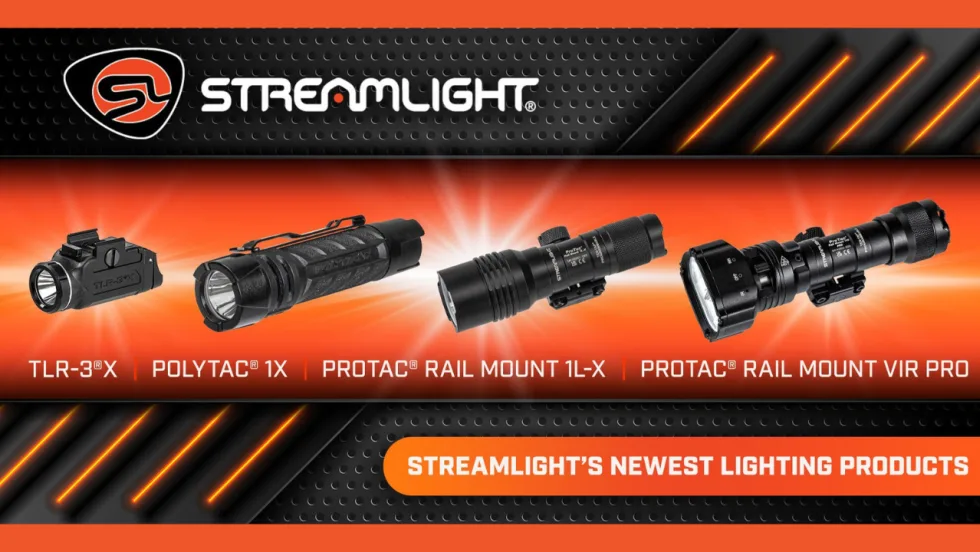
Streamlight to Showcase Newest Lighting Products for Law Enforcement Professionals at IACP 2026
Streamlight will showcase its newest lights for law enforcement at the International Association of Chiefs of Police Annual Conference & Expo. Featured lights will include the TLR-3 X, the PolyTac 1X, and more.
Read More →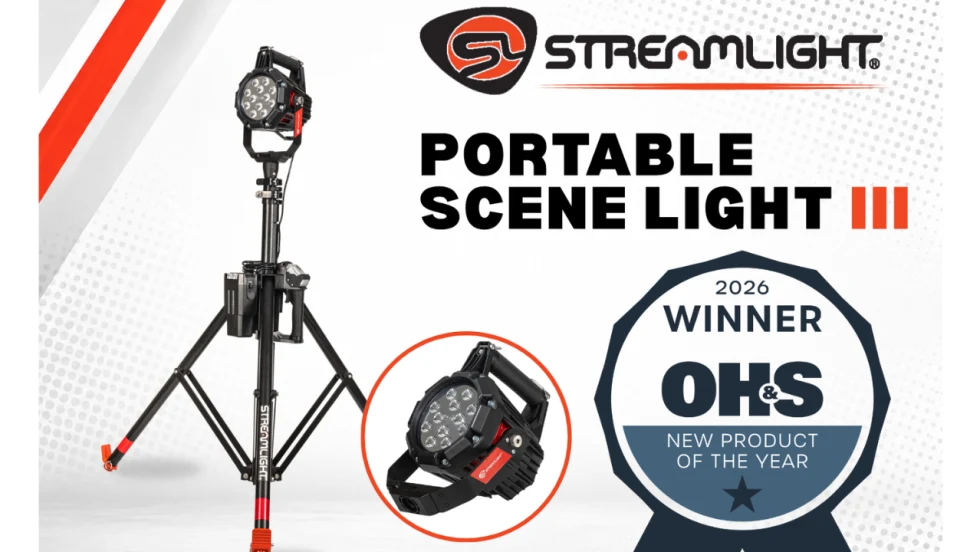
Streamlight Portable Scene Light III Wins 2026 OH&S New Product of the Year Award
Streamlight’s Portable Scene Light III has won the 2026 Occupational Health & Safety (OH&S) New Product of the Year Award in the Lighting category.
Read More →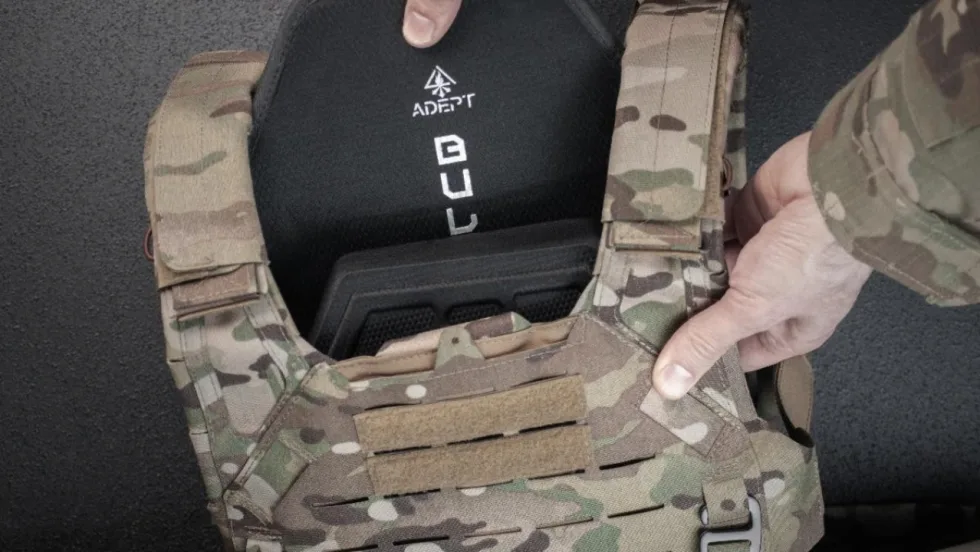
Adept Armor Introduces Two New Rifle Plates
Adept Armor has launched two new Level IV ballistic plates, the Emperor and the Archon Mark 2, which brings Adept Armor’s new Quatroid ceramic to the high-threat, performance-value center of the range at 5.2 pounds.
Read More →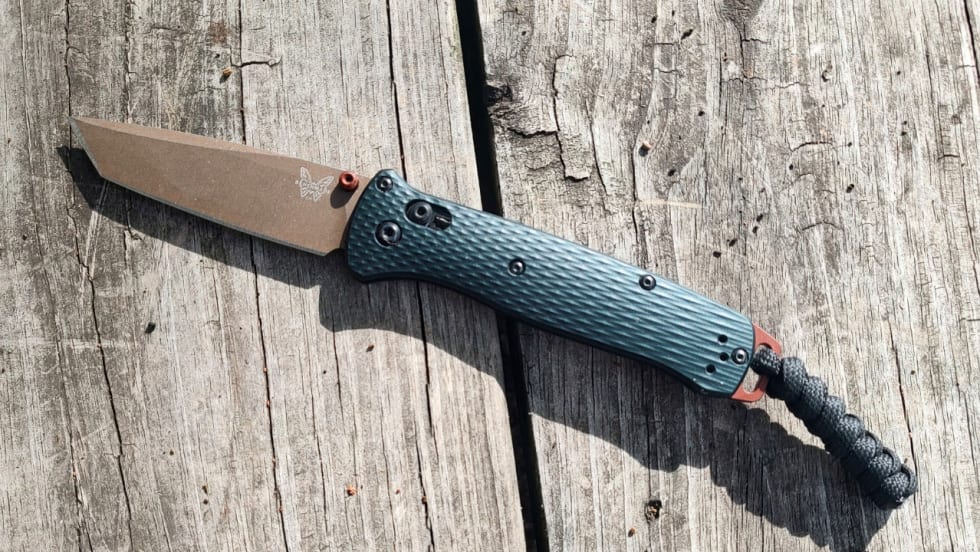
POLICE Product Test: Benchmade Bailout
The Benchmade Bailout is a slim, lightweight carry knife with a deep-ride pocket clip and comes in a variety of blade steels and scales. Here is a detailed review of the Taiga Green Bailout, released earlier this year.
Read More →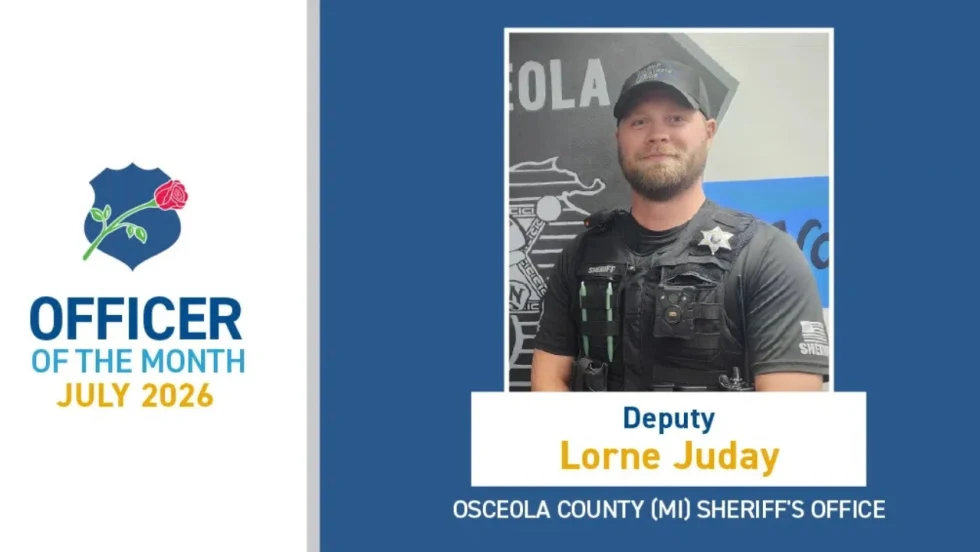
NLEOMF Announces July 2026 Officer of the Month
NLEOMF honored a Michigan deputy sheriff as the July 2026 Officer of the Month for rescuing a trapped driver from a burning vehicle following a Fourth of July crash.
Read More →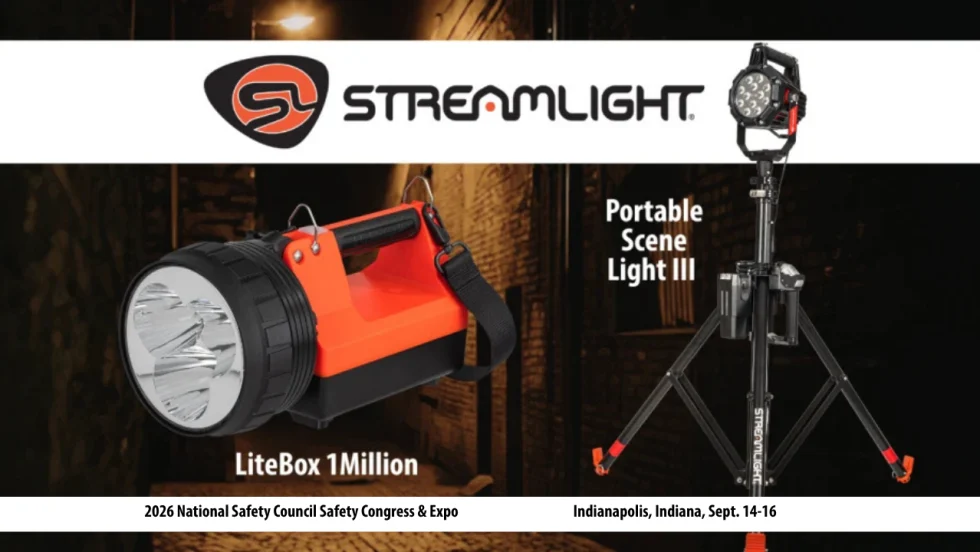
Streamlight to Showcase Newest Lighting Products at National Safety Council’s Safety Congress & Expo 2026
Streamlight will showcase its latest lights, including the Portable Scene Light III and the LiteBox 1Million, at the 2026 National Safety Council (NSC) Safety Congress & Expo.
Read More →
The 2027 World Police & Fire Games Set for Perth, Australia
The 2027 World Police & Fire Games (WPFG) will take place in Perth, Western Australia, from Friday, March 12 through Sunday, March 21, 2027.
Read More →
5.11 Partners with National Fallen Firefighters Foundation to Support #ForThe343
5.11 has joined the nationwide movement honoring the 343 New York City Fire Department firefighters lost on Sept. 11, 2001.
Read More →
Team Wendy Announces Title Sponsorship of the Jorge Pastore Foundation
Team Wendy’s 3-year partnership with the Jorge Pastore Foundation expands access to programs that strengthen those who serve.
Read More →