



Hoover Dam Police Department
On a typical day at Hoover Dam, it is not unusual to observe tourists peering at the world-famous structure through sunglasses. The sunglasses worn by Hoover Dam police officers provide the same view of the dam, which lies on the Arizona-Nevada border, but with a different perspective.

On a typical day at Hoover Dam, it is not unusual to observe tourists peering at the world-famous structure through sunglasses. The sunglasses worn by Hoover Dam police officers provide the same view of the dam, which lies on the Arizona-Nevada border, but with a different perspective.
The dam falls under the jurisdiction of the Hoover Dam Police Department (HDPD), which operates under the authority of the U.S. Department of Interior's Bureau of Reclamation. From headquarters on the Nevada side of the dam, current Chief Rich Melim, who reports to William Chesney, chief of security and law enforcement for the bureau, oversees the department's officers, who patrol this major tourist attraction with wary attention. While the department's service area does not include a traditional community, the staff is impacted by the proximity of the dam to Las Vegas.
Although trained and prepared for nearly any situation that could arise, these federal police officers are most commonly confronted by a need to control and minimize traffic congestion. This is not surprising, considering that more than 1.2 million visitors are attracted annually to the sire, in addition to 3 million vehicles-from bicycles to heavy-duty 18-wheelers-that cross the dam each year, negotiating steep inclines, hairpin turns and distractingly scenic beauty.
Former Chief Ron Bayer, recently named regional security officer, said problems associated with traffic control at Hoover Dam can multiply whenever a film crew is shooting at the site. The dam has had "cameo appearances" in at least 100 movies and TV programs.
Chief Melim and Bayer are graduates of the FBI National Academy. Other members of the force are veteran police officers, and have undergone training at the federal police training academy in Glynco, Ga. Nearly all have attended training courses presented by the Las Vegas Metropolitan Police Department and participate in ongoing weapons training at the HDPD's pistol range.
Although armed with typical police equipment, the tool the officers most often rely on to quell a situation is their knowledge and practical use of "people skills." "Dealing with a lost person is one thing," the chief said, but on a hot desert day, "correcting a misunderstanding can be the first step toward getting a visitor's anger under control."
Chief Melim and his officers maintain an ongoing awareness regarding the security of the dam against those who would attempt to harm the dam or its visitors for attention and promotion of their cause. But, if the need for outside assistance should ever arise, operational relationships with the FBI as well as other local law enforcement entities help to ensure the security of the dam and its visitors.
Chief Steve Leon is a public affairs specialist in the Bureau of Reclamation's External Affairs Office in Boulder City, Nev.
More Training
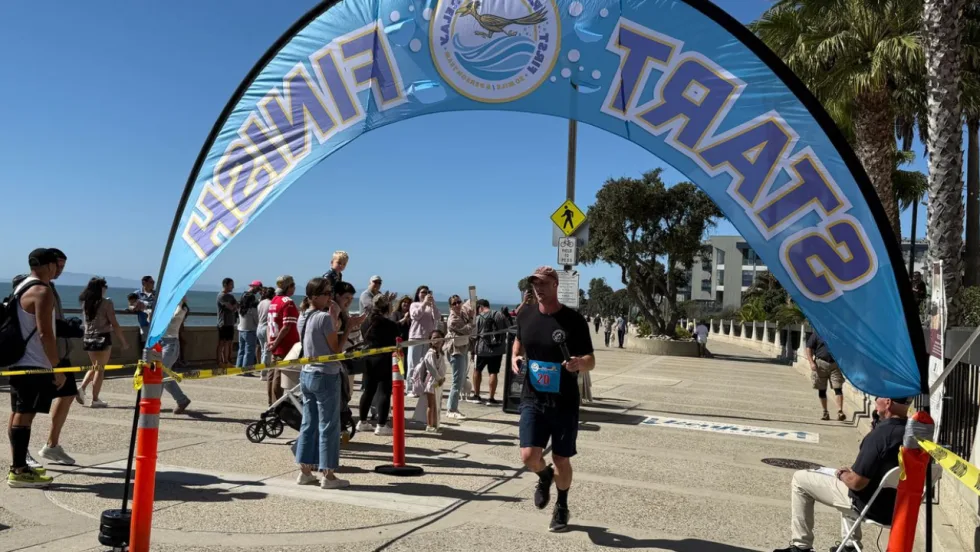
Registration Underway for Sixth Annual First Responders Relay
The California Police Athletic Federation’s annual First Responder Relay will welcome first responder teams from across the globe to compete along Ventura's scenic coastline on Oct. 11. Registration is underway.
Read More →
Vector Solutions Launches Comprehensive Online Dispatch Training Catalog for Emergency Communications Professionals
Vector Solutions’ new catalog of 35 expert-developed online courses can help emergency communication centers strengthen training, meet certification requirements, and simplify continuing education.
Read More →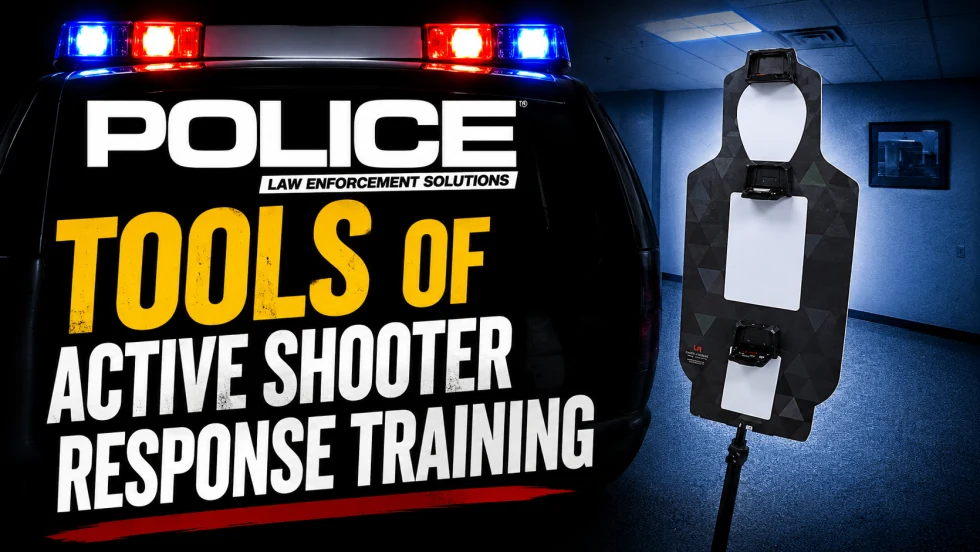
Tools for Active Shooter Response Training
What technologies help prepare officers for active shooter response situations? This behind-the-scenes look at law enforcement training explores shot simulators, smart firearms, laser target systems, and the tools used to build safer, more effective training environments.
Read More →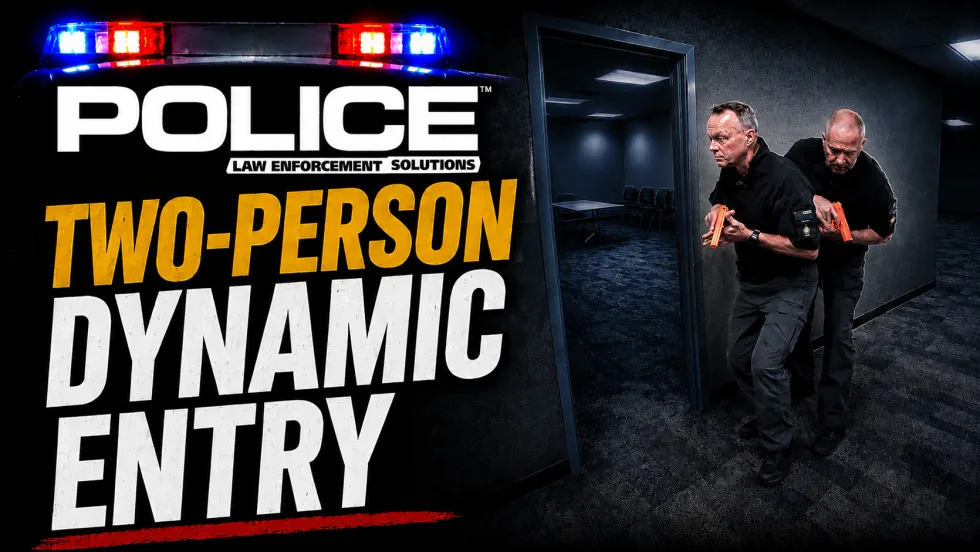
Two-Officer Tactical Doorway Entry Techniques
Entering a room during active-threat situations requires communication, coordination, and disciplined tactical movement. In this video, trainers from the United States Deputy Sheriff’s Association demonstrate critical room entry concepts, including fatal funnel awareness, team coordination, and safe tactical movement.
Read More →
High Compressed Ready Explained | Muzzle Control For Room Entry
In this video, Mike Willis, law enforcement national training and program director for the United States Deputy Sheriffs’ Association, demonstrates the high compressed ready position and discusses muzzle control during room entry.
Read More →
Why Attend the DroneSense Innovation Summit by Versaterm?
Let’s hear from Ryan Bracken, head of product, about why your agency should send someone to the first annual DroneSense Innovation Summit by Versaterm in April.
Read More →
Caswell Live Fire Spins Off from InVeris
Caswell Live Fire has spun off from parent company InVeris, coinciding with the 100th anniversary of Caswell’s founding. Over the past 100 years, Caswell has developed pioneering solutions that support military, law enforcement, and commercial clients worldwide.
Read More →
When Do You Transport a Wounded Officer Instead of Waiting for EMS?
Thumbnail for video series POLICE Topics, Tactics & Tips with a yellow headline that reads When Do You Transport a Wounded Officer Instead of Waiting for EMS?
Read More →
How to Pick Your High-Risk Stop Location for Tactical Advantage
Hear veteran trainer Mike Willis, of the United States Deputy Sheriff’s Association, explain several considerations that can help you wisely pick your best spot to initiate high-risk or felony traffic stops.
Read More →
Coffee Break with Police Experts: Using Your Patrol Vehicle for Cover
In this video, hear from Dustin Mowery, a product specialist at Team Wendy, as he discusses how to best use a patrol vehicle for cover.
Read More →