



Dover (N.H.) Police Department
By looking to its past, the Dover (N.H.) Police Department has successfully adapted to the challenges of policing today.


Sgt. Roland Morin and his horse King Arthur stand near a downtown mural of a turn-of-the-century Dover police officer. The mounted unit is again an important part of Dover’s patrol division.
By looking to its past, the Dover (N.H.) Police Department has successfully adapted to the challenges of policing today. The old- fashioned ideas of working with the community, assigning officers to neighborhoods, asking for citizen volunteers to work side by side with police personnel, and even bringing back horse patrols have greatly improved the quality of law enforcement services for those living, working in or visiting the Garrison City.
Way Back When
Long known as the "Garrison City" because of its past - when thick-walled 17th century wooden homes, called Garrisons, protected its citizens from harm - the City of Dover, New Hampshire, no longer looks to garrison homes for protection, but to its proactive police force.
Dover, the first settlement in New Hampshire, was founded in 1623 and is located eight miles inland from the New Hampshire seacoast. Although Dover's police history dates from 1835, it has kept up with the times, and was actually the first police department in the state accredited through the Commission on Accreditation for Law Enforcement Agencies (CALEA) in 1988.
Here and Now
The Dover Police department is made up of 54 sworn officers and has 27 civilian employees. Several bureaus under two divisions make up the department. The Field Operations Division consists of patrol, the Communications Bureau, animal control and the Traffic Bureau. The Support Services Division includes the Records Bureau, the Special Investigations Bureau, training/personnel/supply, the Legal Bureau and the Community Outreach Bureau.
Although considered a medium-sized department, DPD also has a crime laboratory, a 10-man Special Response Team (SRT) that includes Dover firefighters/EMT's, officers assigned to a regional task force for undercover drug work, a K-9 officer, IAI-recognized crime scene personnel, an Accident Reconstruction Team, detectives, and a strong anti-domestic violence program that includes a two-man stalking unit, victim advocates and a program to track stalkers out on bail with a GPS system. Senior volunteers also work side by side with Department personnel in records and assist in AARP safe-driver programs.
In addition to being nationally accredited (the department recently received its fourth accreditation award from CALEA), the Dover Police Department has been recognized for its proactive stance against crime and involving the community.
Crime and the Community
Dover's crime rate has fallen over the years and no doubt part of the success is because of community involvement. Criminal Justice majors from a local college are part of a volunteer "patrol" that focuses on the downtown river walk and are provided cell phones to call in any suspicious activity they may encounter. Horse patrols were also brought back in 1995 and two officers are assigned to the DPD Mounted Unit, which patrols the downtown area as well. Community-based officers are also assigned to neighborhoods as Liaison Officers.
One neighborhood that has greatly benefited from the partnership is the public housing development known as Mineral and Whittier Park. Two officers are exclusively assigned to the neighborhood and are responsible for all investigations, follow-up and crime prevention. They also conduct athletic leagues in conjunction with an after-school "Homework Lab."
"Because of our partnership with the Dover Police, we have turned a high crime and drug infested public housing area into one of the safest neighborhoods in the city," said Jack Buckley, executive director of the Dover Housing Authority.
In addition to the DARE program, the Dover Police Department organized a comprehensive anti-drug program. This includes tobacco prevention, an innovative parent program, and one of the largest after-school programs in the City. Known as Youth to Youth (Y2Y), the anti-drug program for students in grades 6-12 is led by department officers assigned to the Community Outreach Bureau.
"Y2Y is the best youth program we have ever done. It provides an excellent follow-up to the DARE program and gives kids a chance to take action to reduce drug use, and to influence younger kids and their peers not to use tobacco, alcohol and other drugs," said Captain Dana Mitchell, Support Services Commander and a certified DARE Officer. "In 1992 we had 12 students. Today, over 200 students take part in several weekly meetings and events that promote a drug-free lifestyle."
All the Newest Gizmos and Contraptions
Technology keeps the department marching ahead with its 'back to basics' policies. All marked DPD cruisers have laptop computers and video cameras and the department is fully computerized. The Dover Police Website(ci.dover.nh.us) keeps open communication with the city residents who browse through its several different sites that range from department history to job applications, events and even lists of residents who have been recently arrested for domestic violence.
DPD also maintains several different specialty vehicles including a Harley Davidson police motorcycle, a 22' Zodiac boat that can be used to patrol the city rivers and a "Peacekeeper" armored personnel carrier that is used by SRT. In addition, the department has fully equipped SRT and crime scene vans.
"Our commitment is to maintain a high quality of life in our community," said Police Chief William W. Fenniman, Jr.
One thing is certain. By stepping back into the past and bringing the community back as partners, Dover PD's success will continue into the
future.
Dover (N.H.) Police Department At A Glance
Service Area Population: 28,000
Square Miles: 27
Sworn Officers: 54
Female Officers: 3
Civilian Employees: 27
Salary (Starting Police Officer): $30,472
Benefits: Medical, Dental, Educational Incentive, 20-Year Retirement
Recruitment Information: 603-742-4646ȧ
Off. Mark A. Leno, Jr. has served with the Dover PD since 1984. As "unofficial historian," he's writing Dover PD's history right now.
More Training
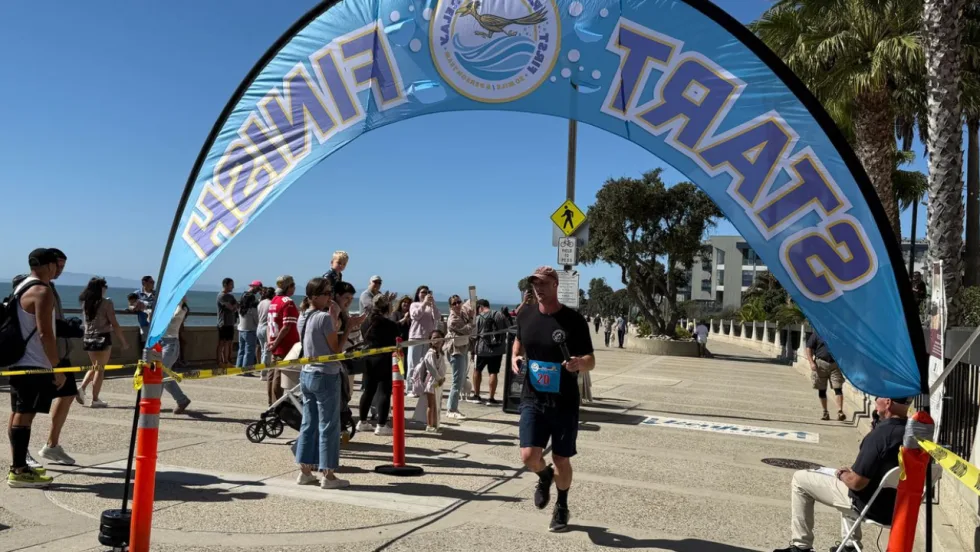
Registration Underway for Sixth Annual First Responders Relay
The California Police Athletic Federation’s annual First Responder Relay will welcome first responder teams from across the globe to compete along Ventura's scenic coastline on Oct. 11. Registration is underway.
Read More →
Vector Solutions Launches Comprehensive Online Dispatch Training Catalog for Emergency Communications Professionals
Vector Solutions’ new catalog of 35 expert-developed online courses can help emergency communication centers strengthen training, meet certification requirements, and simplify continuing education.
Read More →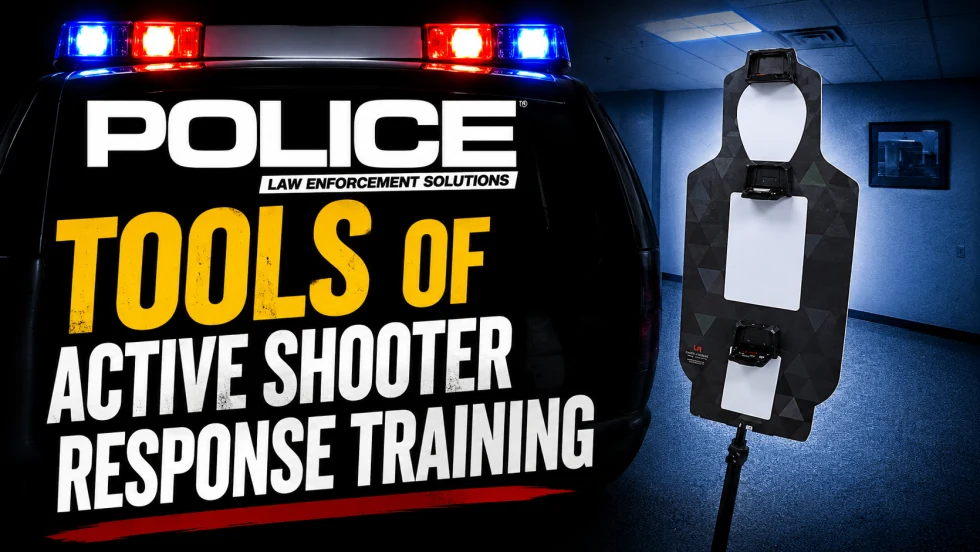
Tools for Active Shooter Response Training
What technologies help prepare officers for active shooter response situations? This behind-the-scenes look at law enforcement training explores shot simulators, smart firearms, laser target systems, and the tools used to build safer, more effective training environments.
Read More →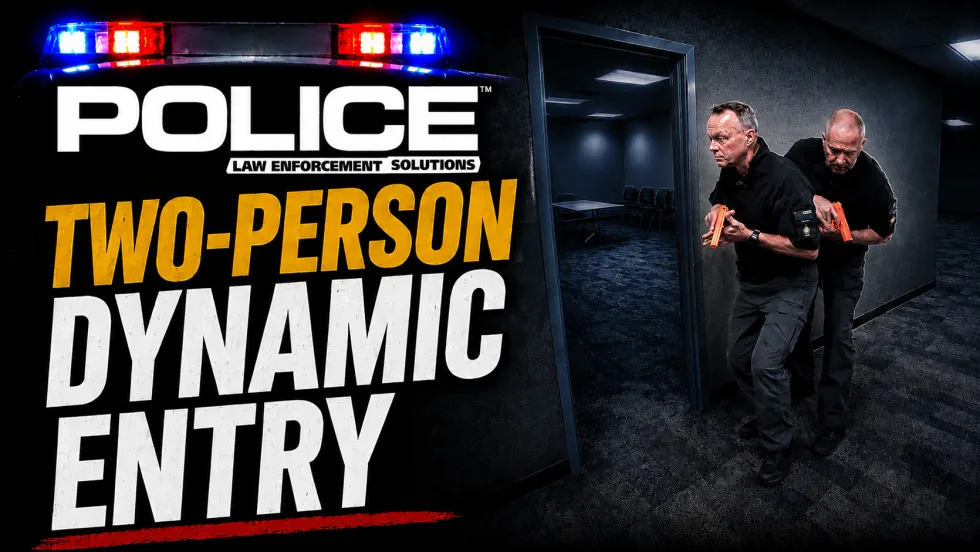
Two-Officer Tactical Doorway Entry Techniques
Entering a room during active-threat situations requires communication, coordination, and disciplined tactical movement. In this video, trainers from the United States Deputy Sheriff’s Association demonstrate critical room entry concepts, including fatal funnel awareness, team coordination, and safe tactical movement.
Read More →
High Compressed Ready Explained | Muzzle Control For Room Entry
In this video, Mike Willis, law enforcement national training and program director for the United States Deputy Sheriffs’ Association, demonstrates the high compressed ready position and discusses muzzle control during room entry.
Read More →
Why Attend the DroneSense Innovation Summit by Versaterm?
Let’s hear from Ryan Bracken, head of product, about why your agency should send someone to the first annual DroneSense Innovation Summit by Versaterm in April.
Read More →
Caswell Live Fire Spins Off from InVeris
Caswell Live Fire has spun off from parent company InVeris, coinciding with the 100th anniversary of Caswell’s founding. Over the past 100 years, Caswell has developed pioneering solutions that support military, law enforcement, and commercial clients worldwide.
Read More →
When Do You Transport a Wounded Officer Instead of Waiting for EMS?
Thumbnail for video series POLICE Topics, Tactics & Tips with a yellow headline that reads When Do You Transport a Wounded Officer Instead of Waiting for EMS?
Read More →
How to Pick Your High-Risk Stop Location for Tactical Advantage
Hear veteran trainer Mike Willis, of the United States Deputy Sheriff’s Association, explain several considerations that can help you wisely pick your best spot to initiate high-risk or felony traffic stops.
Read More →
Coffee Break with Police Experts: Using Your Patrol Vehicle for Cover
In this video, hear from Dustin Mowery, a product specialist at Team Wendy, as he discusses how to best use a patrol vehicle for cover.
Read More →