



Dave Smith: A Nation Takes a Trip to Abilene, Texas
To keep collective tyranny of thought from leading to more bad choices, leaders need to seek genuine input on decisions and plans.

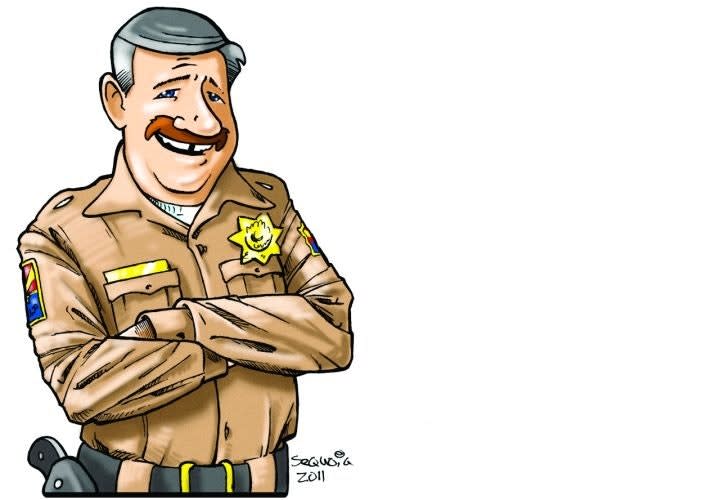
Dave Smith (AKA Buck Savage)
Illustration: Sequoia Blankenship
I think one of the best books ever written about leadership is Jerry Harvey's "The Abilene Paradox," published back in 1988. In this marvelous tome, Dr. Harvey describes how in the 1950s he visited his in-laws on a hot dusty day in west Texas. Suddenly, his father-in-law suggested they drive 53 miles to Abilene to eat at the cafeteria. So, when everyone agreed, they piled into a non-air-conditioned car, drove a total of four miserable hours, had a poor meal, and returned home…after over four hours of misery.
Later, they all blamed each other for not speaking up against the trip, and for thinking everyone else wanted to go. Dr. Harvey makes clear that one of the key problems with organizations is not that they fail to deal with disagreement, but rather they fail to effectively deal with agreement. How many times have you walked out of a meeting thinking, "What a stupid idea!" yet said nothing? How many times have you parked side-by-side with someone else from your agency to complain about a decision or action your department is making or doing, yet neither you nor anyone else questioned or commented during the decision-making process?
Granted, many leaders no longer seek comment or criticism, thereby ensuring poor courses of action, but this is still the exception, not the rule. When you are part of the decision-making process regarding a future action, be open and honest if you see a problem or fault in a proposal. Having moral courage means standing up for what you believe and think. Certainly, there is risk in questioning bad ideas, but using humor or a properly couched question can force folks to actually think about the upcoming decision.
It is said the true role of the court jester was to let a ruler look at his decisions or actions through humorous eyes and reflect on them effectively. Granted, many jesters lost their heads for not being "funny enough." Likewise, standing up for your beliefs or ideas when presented with bad options or plans may have negative ramifications, and no one wants to lose their "head" over a simple disagreement. But then don't be the kind of person who later complains loudly to others in what Dr. Harvey calls "a false conflict," when you sat there silently nodding when a decision was being discussed.
True leaders, on the other hand, can prevent a "Trip to Abilene" by seeking input on decisions and plans. Asking, "How could this fail?" or "What else can we do if this doesn't work?" are the types of things leaders can say to get critical input and fresh ideas into a decision-making process. In "Victims of Groupthink," Irving Janus introduced the concept of "collective tyranny of thought," as he explained key crises in the Kennedy Administration. Today we associate poor decisions with this phenomenon—as well we should—and we can only hope top leaders in law enforcement have read the works of Doctors Janus and Harvey. Sadly, it would seem too many folks in charge at all levels of government and academia have either forgotten or never read these books.
I write all the above after reflecting on the terrible decisions and actions I have seen over the last few decades. Today, debate or discussion is not only discouraged, it is demonized. Not only is the concept of "Teach a man to fish and you feed him for life" not accepted, if you try to explain it you are somehow a heartless, worthless human and should be ostracized. "We will just keep giving him fish and you will like it," is the unspoken, undebated idea. This constant "group tyranny," as Dr. Harvey describes it, leads not only to poor decisions, but to cruel ones as well. The streets of major urban cities are descending into bizarre camps of homeless folks "homesteading" the sidewalks and parks, making them unusable for citizens; drugs abound, and crime is growing, but the decision makers are too busy demonizing the peacekeepers to address these problems.
Likewise, some chiefs seem more concerned about Facebook posts than the welfare of their citizens, and the complaints of advocacy groups seem to become instant policy without debate, since to argue against the lies of such groups is to find oneself instantly labeled "racist," a career ending accusation. Legislators are busy trying to control everything but crime in their states, preferring to legislate in a manner that I believe will only lead to more misery and suffering for the very people they profess to care about.
What to do? If you are asked, tell the truth as you believe it, and if you are in a position of leadership seek debate, ideas, or plans that are not just the ones you like, but ones that force you to think about your own ideas in new ways.
And finally, all of you, stay safe!
Dave Smith is an internationally recognized law enforcement trainer and is the creator of "JD Buck Savage." You can follow Buck on Twitter at @thebucksavage.
More Command

Vision FirstNet Users Summit Delivers Opportunity to Connect, Learn and Shape the Future of Public Safety Communications
Registration closes soon for the Sept. 14–16 Vision FirstNet Users Summit. This year’s program offers real-world case studies, hands-on technology demonstrations, professional development opportunities, and direct access to leaders shaping the future of FirstNet.
Read More →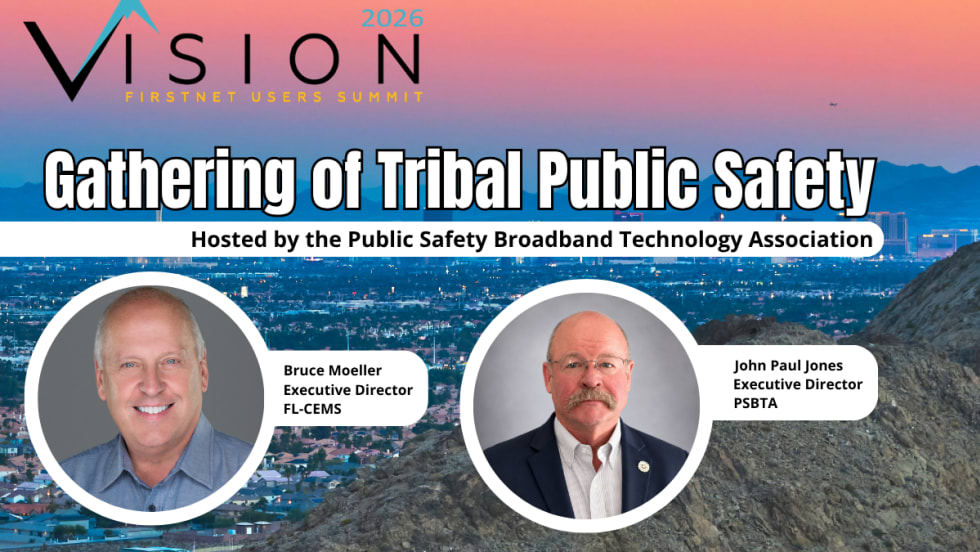
PSBTA to Host “Gathering of Tribal Public Safety” at the 2026 Vision Firstnet Users Summit
The Public Safety Broadband Technology Association will host a collaborative session at the 2026 Vision FirstNet Users Summit to bring tribal leaders and public safety professionals together to advance resilience, interoperability, and culturally informed emergency response.
Read More →
NEOGOV Acquires Off-Duty Law Enforcement Software Platform PowerDetails
With the acquisition of PowerDetails, NEOGOV expands its footprint within public safety agencies to offer both on-duty and off-duty scheduling.
Read More →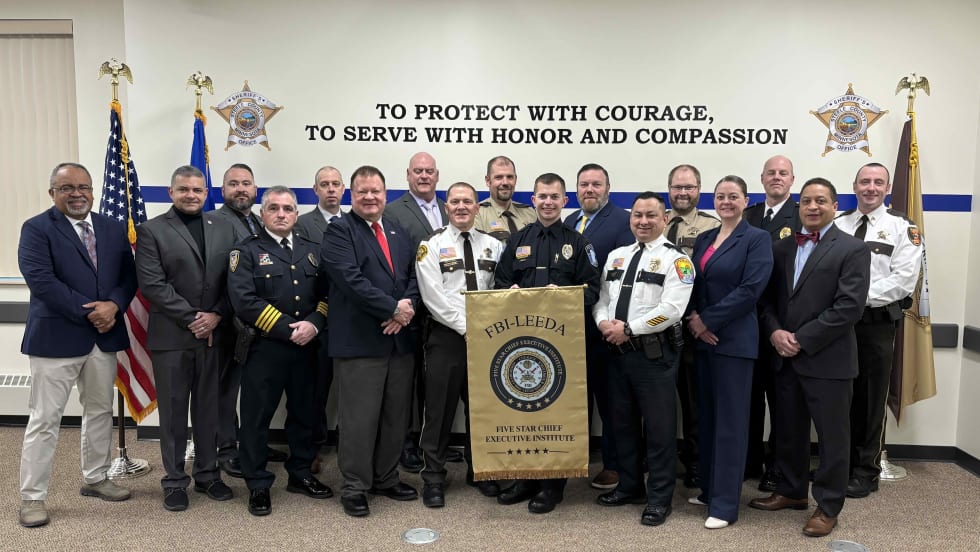
FBI-LEEDA Launches Inaugural Five Star Chief Executive Institute
FBI-LEEDA’s recently-launched Five Star Chief Executive Institute is a two-week executive program that equips senior law enforcement leaders with strategic skills for modern policing.
Read More →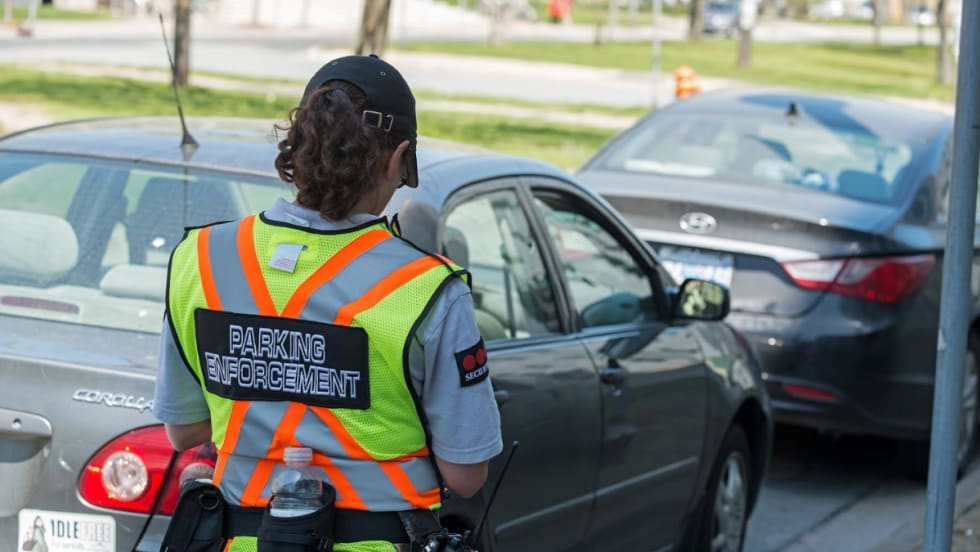
Why Police Leaders Must Champion Parking Enforcement
For police and transportation departments, traditional parking enforcement exposes officers to risk, such as standing on busy roads to issue paper tickets or catching offenders in dangerous, congested areas. Modern technology changes this, reducing exposure, speeding processes, and limiting confrontations.
Read More →
More IACP 2025 From the Show Floor
Watch expanded coverage of IACP 2025 as the POLICE Magazine team walks the aisles at the expo and shares what we found interesting on display for chiefs from across the country and around the world this week in Denver, Colorado.
Read More →
IACP 2025 - From the Show Floor
Take a look inside the expo at IACP 2025 to see a sampling of what is displayed for chiefs from across the country and around the world this week in Denver, Colorado.
Read More →
Pro-gard Expands Law Enforcement Vehicle Protection and Transport Solutions
Pro-gard has introduced HD Fender and Headlight Wraps for added front-end protection and a new P1300 Pro-Cell transport system for Ford F-150 and Super Duty models.
Read More →
COPS Teams With The Wounded Blue To Help Injured And Disabled Law Enforcement Officers And Their Families
Free officer-wellness training comes to Las Vegas Sept. 22–25: The Wounded Blue’s 5th Annual National Law Enforcement Survival Summit opens registration.
Read More →
Video: Officer Crawls Across Ladder to Rescue Family from Floodwaters
When floodwaters overturned a vehicle in rural New Mexico, Officer Walker Eby risked his life—crawling over raging currents on a ladder—to rescue a woman, her child, and their dog.
Read More →