



Contacting Mentally Ill Subjects
Fill your tool belt with things you need to keep yourself safe when dealing with the mentally ill. Each piece of information gathered before arriving on scene is another tool you may need.

Earlier this year, Skagit County, Wash., Dep. Anne Jackson and five civilians were shot and killed, allegedly by a mentally ill drug offender.
Dep. Jackson had prior contacts with the suspect and tried to help him and his family. But her past experience with the suspect didn't help her when dealing with the man whose own mother described him as "desperately mentally ill."
This tragedy highlights the dangers of contacting the mentally ill, and the need for you to learn more about mental illness for your own safety.
You might be thinking to yourself, "I'm not a social worker or a therapist. I'm a cop. I don't need to learn this stuff." But you do need to know more about mental illness because you will contact mentally ill people on the job and such contact can be hazardous to you and the people you serve.
58 Million
According to the National Institute for Mental Health, almost 58 million Americans—almost 20 percent of the population—are diagnosed with some form of mental illness every year.
Mental illnesses are classified into different categories, including mood disorders, anxiety disorders, and psychotic disorders. Taking the time to learn about these different types of mental illnesses will give officers a better understanding of how to deal with an individual with a mental illness and in turn increase officer safety.
Mood Disorders
Mood disorders include depression and bipolar disorder. Major depressive disorder is characterized by a depressed mood that causes the individual to suffer so severely that he loses interest and pleasure in usual activities. Symptoms of depression include constant sadness, irritability, hopelessness, trouble sleeping, low energy or fatigue, delusions, significant weight change, difficulty concentrating, and loss of interest in favorite activities.
Bipolar Disorder is characterized by extreme mood swings that range from depression to mania. Symptoms of bipolar disorder during periods of mania include inflated self-esteem, decreased need for sleep, increased energy, racing thoughts, feelings of invulnerability, poor judgment, heightened sex drive, and denial that anything is wrong. Symptoms during periods of depression are similar to those identified in major depressive disorder. Mania and depression may vary in both duration and degree of intensity. The disorder has been linked to genetics, so similar symptoms may be found among family members.
Medications for mood disorders include Elavil, Lexapro, Effexor, Anafranil, Vivacti, Sinequan, Pamelor, Luvox, Celexa, Prozac, Paxil, Zoloft, Nardil, Lithium Carbonate, Depakote, Depakene, Lamictal, and Tegretol. Recently, antipsychotic medications have also been approved as mood stabilizers.
Psychotic Disorders
Psychotic disorders include, but are not limited to, schizophrenia and delusional disorders. Schizophrenia is a disorder of thought and perception characterized by delusions, paranoia, and hallucinations.
Delusions are illogical thoughts or false beliefs. For example, "My boss is reading my thoughts, so I have to cover my head in tin foil."
Hallucinations are false perceptions. The most common hallucinations are hearing voices or seeing things that are not there.
Paranoia is the irrational feeling of persecution. When dealing with a person experiencing a thought disorder, it is important to realize that a mentally ill subject may be hearing many voices as the officer is speaking. Officers can ask the subject, "Are you hearing voices other than mine?" If the subject says "Yes," the officer can ask the subject to concentrate on the officer's voice and follow his commands.
Medications for psychotic disorders include Risperdal, Zyprexa, Seroquel, Geodon, Clozaril, Abilify, and many others. It is important to note that brand name medications are listed in this article and each has a generic equivalent.
Intel Is Critical
You should fill your tool belts with things you need to keep yourself safe when dealing with the mentally ill. Each piece of information gathered before arriving on scene is another tool you may need.
Your agency needs to encourage dispatch to gather as much information as possible and relay the information to you. Once you are on the scene, thoroughly question reporting parties and witnesses. What illness has been diagnosed? What medications is the subject taking? When was the last time the subject took his or her medications? Has this happened before? How was the issue resolved then? What about current or past violence? Does the subject possess or have access to weapons?
Knowing if the subject possesses an object that makes him feel safe can help you gain compliance from a mentally ill subject. If you need to transport the subject to a mental health facility, letting him take an item such as a teddy bear could make him feel safe and in turn make the trip much easier for all parties involved.
Tact and Tactics
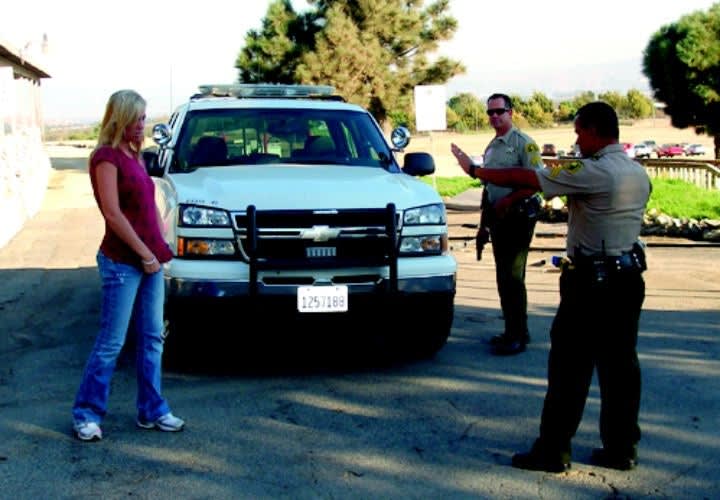
The preferred way to contact a person with mental illness is to have at least two officers present. One officer can take a position of contact while the other officer provides cover for the contact officer.
A contact officer and a cover officer should keep enough distance between themselves and the suspect to allow them to react to any threat the subject may pose. Another benefit to this tactical distance is that it makes the mentally ill person feel less threatened.
The cover officer should take a position where he or she can observe the subject and be ready to utilize necessary force, while at the same time not distracting the subject from interacting with the contact officer. The contact officer should be the only one to speak to the subject. Alternating questions from two or more officers only serves to agitate mentally ill subjects. Switching contact and cover roles is an option if it appears that no headway is being made.
If a two-officer response is not possible, it becomes all the more important to gather information before arrival. If you must contact the subject alone, consider placing your patrol unit between yourself and the subject to provide a barrier and cover.
What you say and how you say it can have a profound effect on how the crisis is resolved.
If you are the contact officer, maintain a calm, firm tone when dealing with the subject. Good questions to ask the subject include: "Have you been seeing a doctor, therapist, or counselor?" "Do you know your diagnosis?" "Have they prescribed any medication for you?" "Have you been taking your medication as prescribed?" "When was the last time you had your medication?" "Do you have any weapons?" "What are the voices telling you to do?" These questions—particularly when combined with a knowledge of which medications treat which disorders—can give you valuable safety information.
You must be flexible when dealing with the mentally ill. For instance, a mentally ill subject might have a delusion that evil spirits are passed onto him by physical contact.
Offer to put on gloves before you handcuff the subject, eliminating the possibility for the transfer of evil sprits. This simple accommodation could mean the difference between a knock down, drag out fight, and voluntary compliance. And realistically, wouldn't you want to have your gloves on anyway?
Officers who have been killed by a mentally ill suspect often had one or more previous contacts with the suspect. It is important to remember that every time you deal with a mentally ill person, things may have changed since the last encounter. For instance, if the mentally ill person has been on his medications, you might be able to resolve the situation without force by talking to the subject. But what if that person had not taken his medication for a long period of time? You might encounter a completely different person than the one you last met. The mentally ill person might not even realize that he had previous contacts with you.
The Memphis Model
Officer safety is increased as officers and agencies learn more about mental illness. With this knowledge, you can make better decisions when coming into contact with mentally ill persons in crisis.
Some agencies are increasing their knowledge of the mentally ill by adopting the crisis intervention team program known as the "Memphis Model"—a comprehensive program that partners law enforcement, mental health professionals, and the community to create an integrated response to persons experiencing a mental health crisis. It has proven to be beneficial to the communities that properly implement the program.
Mentally ill persons are part of the community law enforcement officers are sworn to protect. How officers resolve crises with the mentally ill affects not only the individuals involved in the current situation, but also directly impacts the level of compliance the next officer might receive from the same subject.
Hopefully the information presented in this article will provide officers with the tools they need to be safe when they contact mentally ill subjects.
Mike "Ziggy" Siegfried and Kevin Arlotti are detectives with the San Bernardino County (Calif.) Sheriff's Department currently assigned to the training division. Siegfried and Arlotti are trained in dealing with persons with mental illness and disabilities. You can contact them at (909) 473-2549 to schedule training for your agency.
More Patrol

Scene Lights and Portable Lighting: Indispensable Tools for Patrol Vehicles
Carrying dedicated portable scene lights can make all the difference when illuminating a nighttime accident scene, conducting a roadside investigation, searching a wooded area, or managing other incidents before additional resources arrive. Here is what you need to know.
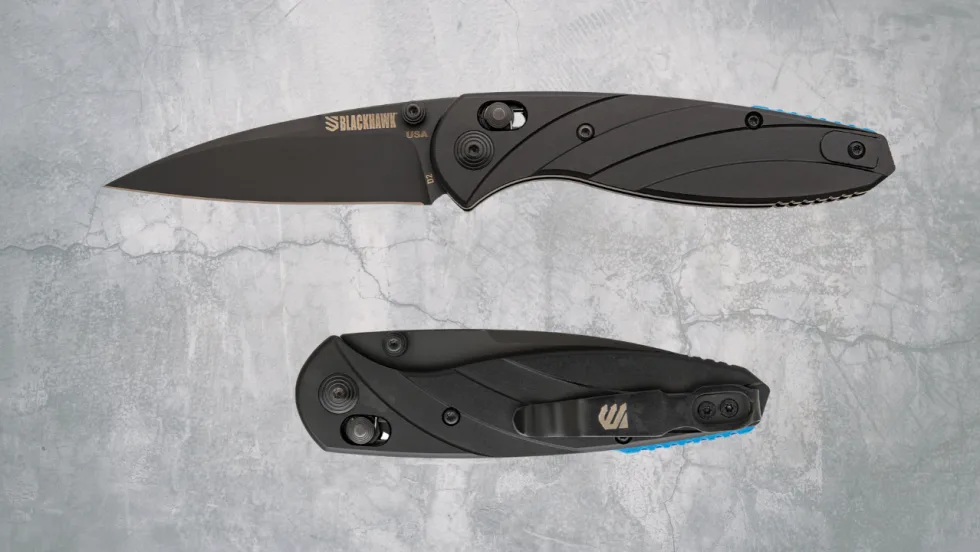
Blackhawk Showcases Officer Carry Slide Lock Folder
Blackhawk’s Officer Carry slide lock folder is a back-to-basics folder that offers the perfect middle ground of lightweight, positive manual operation, and multi-purpose performance built around a D2 steel blade.

Folds of Honor North Texas Gala Brings Community Together at AT&T Stadium, Raising $4 Million for Military and First Responder Families
The 2026 Folds of Honor North Texas Gala featured an inspiring evening honoring service, sacrifice, and the power of education, and raised $4 million to provide scholarships to the spouses and children of America's fallen or disabled military members and first responders.
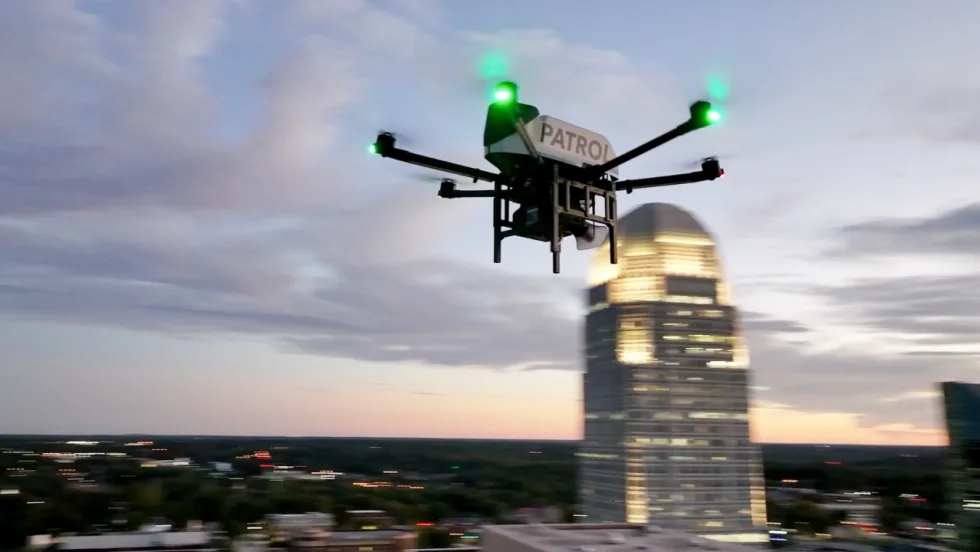
Forsyth County Sheriff Establishes First U.S. A2Z AirDock Network, Expanding its DFR Capabilities
The Forsyth County Sheriff’s Office, North Carolina, has launched the nation’s first A2Z Drone Delivery AirDock network. The dedicated network for drone-as-first-responder missions supports a fleet of A2Z Longtail Patrol drones.
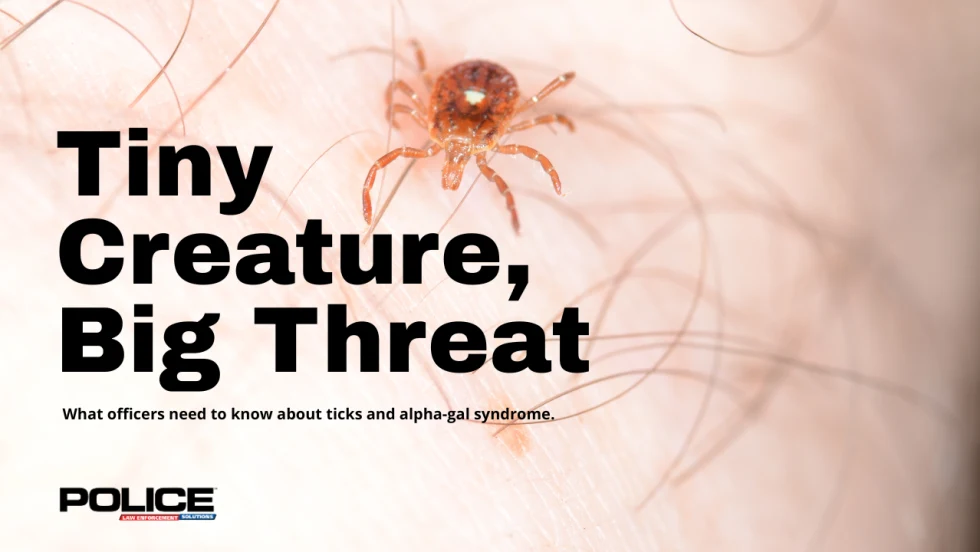
The Threat That Fits Under Your Fingernail
What cops need to know about alpha-gal, the tick-borne allergy that can turn an ordinary exposure into a problem weeks or months later.
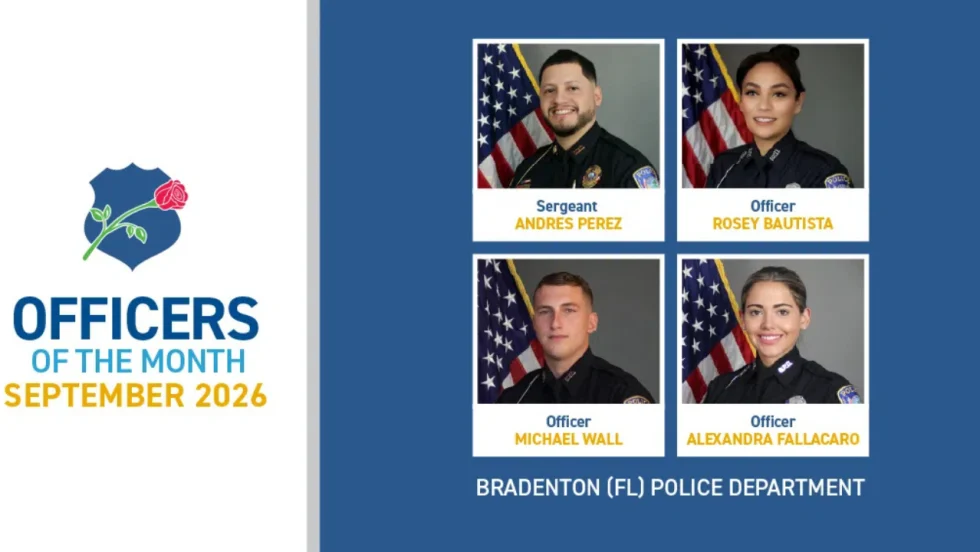
NLEOMF Honors September 2026 Officers of the Month
Four Bradenton Police Department officers were selected as the NLEOMF Officers of the Month for September 2026 for a nighttime water rescue.

Blackhawk Debuts Mini EDC Pocket Multi-Tool
The Blackhawk Mini EDC Pocket Multi-Tool stows easily in pants pockets thanks to a sturdy stainless steel pocket clip and incorporates several essential/emergency tools into a single, high-mobility unit.

Team Wendy Introduces the EXFIL Endurance Ballistic Helmet, Engineered to Reduce the Burden of Extended Wear
Team Wendy has launched its EXFIL Endurance, a new lightweight ballistic helmet engineered to deliver protection, comfort, and fit during demanding, extended operations.

The First Responders Children’s Foundation National First Responders Day Roll Call of Heroes Ceremony Returns to Times Square, NYC
First Responders Children’s Foundation (FRCF), in collaboration with T-Mobile, will host the Roll Call of Heroes ceremony in Times Square to commemorate National First Responders Day on Wednesday, Oct. 28. During the event, FRCF will present 18 Hero Awards.

Streamlight to Showcase Newest Lighting Products for Law Enforcement Professionals at IACP 2026
Streamlight will showcase its newest lights for law enforcement at the International Association of Chiefs of Police Annual Conference & Expo. Featured lights will include the TLR-3 X, the PolyTac 1X, and more.