



Beware of Towing Hazards
Always be alert at scenes involving tow trucks and aware of the dangers present during impound and wrecked vehicle removal operations.


Winching a vehicle up onto a flatbed carrier seems like a very simple operation, but it can be very hazardous.
Photo: Getty Images
Police call in tow trucks for removing a damaged vehicle from a traffic accident, impounding a vehicle, or recovering a stolen vehicle. But regardless of what reason a vehicle is being towed, hooking up a vehicle or loading one onto a flatbed truck can be a dangerous process that can lead to great bodily injury or death to persons standing or working in the deadly "roll-away zone."
The following are some specific incidents that illustrate these dangers.
In June 2018, a San Francisco city utilities worker was working in a ditch to repair a water pipe break. At the repair's location, the police were impounding cars. A contracted tow company responded to do the job. As one of the vehicles was being loaded onto a tilted carrier's deck, its winch reportedly let go, causing the vehicle to roll off and over the top of the city worker. Paramedics rushed her to the hospital where she died from her injuries.
In February 2019, a Port Hueneme, CA, police officer responded to a three-vehicle accident. As the officer was working the crash, she was critically injured after a minivan being winched onto a flatbed carrier somehow detached and rolled down the carrier's deck, pinning her underneath another vehicle and resulting in injuries that could have been fatal.
In May 2003, a port worker at a marine harbor facility in Baltimore reportedly drowned after being trapped inside a sedan that rolled off of a flatbed carrier and into the Patapsco River as it was being moved to an awaiting cargo ship. The 23-year-old was in the driver's seat of the late-model vehicle when the winch that was keeping the vehicle on the carrier's deck detached, and the vehicle rolled approximately 50 feet and into the water.
It's been documented that as many as 30 tow truck operators have been killed in roll-away accidents involving their trucks or the vehicles they are towing. In many cases of tow operator fatalities, OSHA reported that the tow truck drivers failed to employ chock-blocks to prevent roll-away or they were standing at the rear of their carrier's deck when the winch let go or the winch cable separated.
As illustrated by the incidents listed previously, the same hazards are faced by law enforcement officers at scenes involving towing.
![[|CREDIT|]](https://firstresponse-assets.bobitstudios.com/image/upload/f_auto,q_auto,dpr_auto,c_limit,w_684/pm.breakaway-zone-diagram-depicts-roll-way-dangers_1759886506191_po8aya.jpg)
Dangerous Processes
The mechanical process of winch-out or loading includes a winch and cable that's used to connect the tow truck to a vehicle being impounded, recovered, or transported. Tow trucks and flatbed carriers are primarily equipped with electric or hydraulic winches to conduct pulling or loading processes. Law enforcement contracts typically require a tow truck's winch to hold a minimum of 100 feet of cable and a carrier's winch to hold a minimum of 50 feet.
When winching begins, tow operators may need additional cable, pulled from the tow truck to reach a casualty vehicle or a vehicle being impounded. The operator releases the winch by "free-spooling" ("free-wheeling") its locking mechanism where the spool turns freely and cable is easily pulled.
![[|CREDIT|]](https://firstresponse-assets.bobitstudios.com/image/upload/f_auto,q_auto,dpr_auto,c_limit,w_684/pm.free-spool-winch-on-wrecker-locked-in-position_1759886624294_umtezx.jpg)
Roll-aways can occur during winching if the tow truck's hydraulics fail from for example a hydraulic hose blowing out, or if the cable separates during extreme pull. A cable separates because of earlier damage or if the operator fails to maintain five wraps minimum of cable on the winch's spool before the cable pulled entirely from the spool.
When vehicles are being winched back onto their wheels and at the moment the vehicle lands on the pavement, the operator must prepare for roll-away by placing a long 4x4 piece of lumber where the operator anticipates the vehicle's tires will drop. This is also true for semi-truck recoveries when there is no tank-activated air to keep semi-wheels from turning. And once a vehicle drops into place, chock-blocks should be placed in front of or behind the vehicle's tires to prevent roll-away.
In cases of unannounced vehicle roll-away, the tow truck's operator sometimes fails to confirm, after pulling excess cable to reach the casualty or vehicle being impounded, that the winch is relocked. The process of recovery winching and carrier loading requires that the tow truck's or carrier's winch has fully returned to the locked-in position, especially if the winch was put into free-spool mode to pull cable.
Failure to ensure a winch is fully locked-in can result in someone being injured or killed as the result of vehicle runaway. When a vehicle runs off of a carrier's tilted deck or if the winch lets go during hard-pull, there's a greater possibility that the tow truck's or carrier's operator failed to fully re-engage free-spool after cable was pulled.
Avoiding Danger
Roll-away dangers exist at all tow- and recovery-related scenarios. Knowing this information can save you from being injured or killed while conducting simple police services involving vehicles being impounded, recovered, or towed away from wrecks.
Vehicles being winched from any location during tow-related winch/recovery scenarios may disengage from free-spool, disconnect, or cable separation. When vehicles are being winched onto flatbed carriers, even during the most routine of impounds, they're prone to letting go when the tow operator hasn't confirmed the winch's spool was re-locked. Carrier operators are trained to apply a top-side safety strap or safety chain to hold a vehicle's weight in the event of cable separation, V-Bridle (chain) break, or any other mechanical failure involving the carrier's winch.
So it's important that officers remain safely away from winch-on winch-off operations. Unfortunately, officers are often the worst violators of this safety practice. Some routinely, sometimes nonchalantly, stand directly within dangerous roll-away zones and are virtually oblivious to potential roll-away dangers as they and or police service personnel prepare impound reports and write traffic citations.

Don't stand or work behind or near any tow truck that is actively at work. And don't expect the tow truck driver to see that you are in danger.
Photo: Randall Resch
Always be aware of what is going on during a towing operation, especially when tow operators are in the process of winching, loading, and off-loading vehicles. In any environment where a tow truck winch is actively working, unannounced disconnect or cable separation can happen without notice, resulting in great bodily injury or death, even when the activity is typical and mundane to you.
Don't stand or work behind or near any tow truck that is actively at work. And don't expect the tow truck driver to see that you are in danger. While tow operators are trained to remove anyone from a dangerous winch zone, they may be concentrating on their towing and recovery duties and not see persons reentering an active roll-away zone.
As an additional level of precaution during impound operations on city streets or highway shoulders, I recommend that you park your police vehicle directly in-line and behind the vehicle being loaded, if there's room to do so. If a vehicle detaches (for whatever reason), the roll-away vehicle will roll only as far as the front end of the police vehicle and not into locations where persons or pedestrians are standing or working. This protocol could be a life-saving consideration.
Tow operations safety is a topic of training not typically covered in law enforcement academies. But I urge all police department managers assigned to traffic enforcement, parking control, abatement, vehicle impound, and patrol, to be extremely aware of the dangers that exist during towing operations. Remind your personnel that if a tow truck's winch is actively engaged and working, the potential for accidental roll-way is always dangerously close.
Randall C. Resch is the former editor of POLICE Magazine and a 12-year veteran police officer who served with the San Diego Police Department. For 23-years, he has been operations editor for American Towman Magazine and Tow Industry Week online, writing more than 550 monthly safety and training articles for the towing and recovery industry. He regularly trains law enforcement officers in towing operations safety. He can be reached at rreschran@gmail.com.
More Patrol
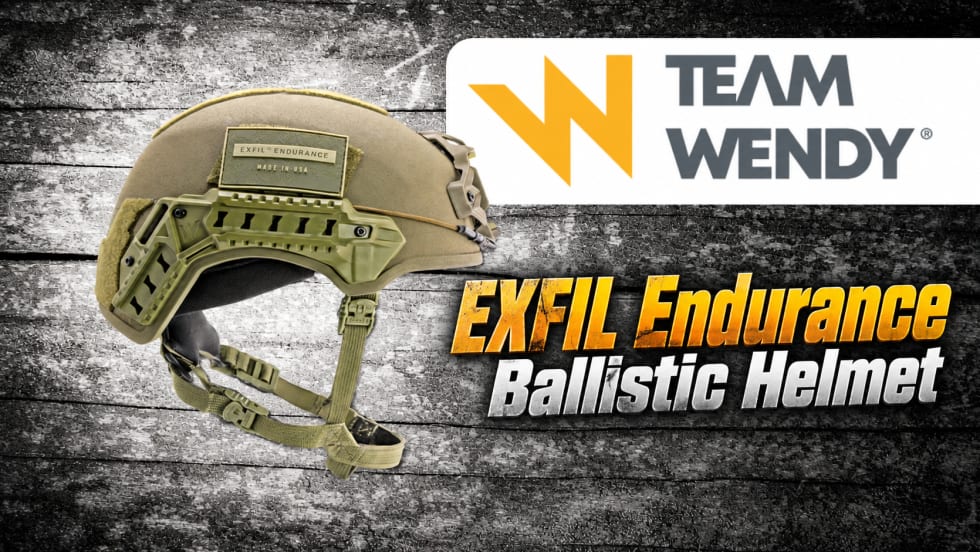
Team Wendy Introduces the EXFIL Endurance Ballistic Helmet, Engineered to Reduce the Burden of Extended Wear
Team Wendy has launched its EXFIL Endurance, a new lightweight ballistic helmet engineered to deliver protection, comfort, and fit during demanding, extended operations.
Read More →
The First Responders Children’s Foundation National First Responders Day Roll Call of Heroes Ceremony Returns to Times Square, NYC
First Responders Children’s Foundation (FRCF), in collaboration with T-Mobile, will host the Roll Call of Heroes ceremony in Times Square to commemorate National First Responders Day on Wednesday, Oct. 28. During the event, FRCF will present 18 Hero Awards.
Read More →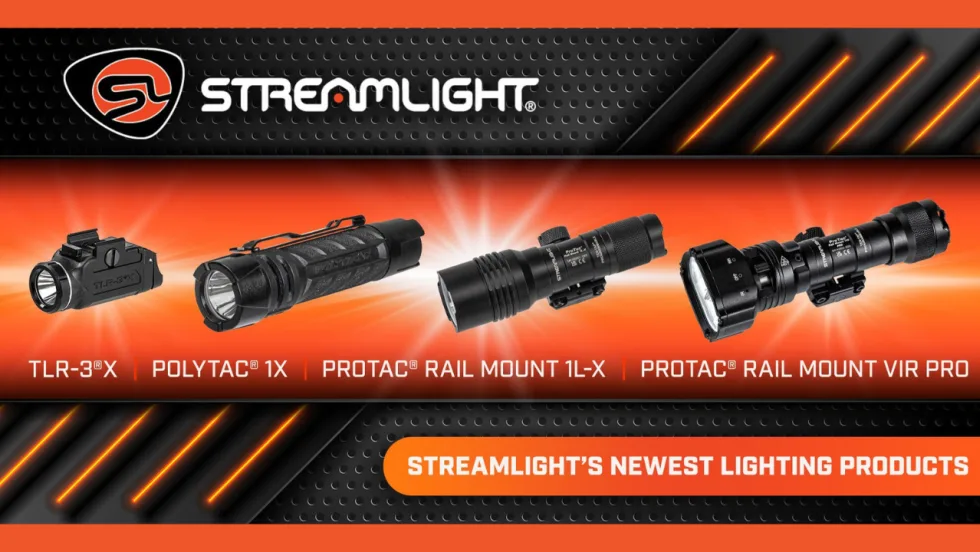
Streamlight to Showcase Newest Lighting Products for Law Enforcement Professionals at IACP 2026
Streamlight will showcase its newest lights for law enforcement at the International Association of Chiefs of Police Annual Conference & Expo. Featured lights will include the TLR-3 X, the PolyTac 1X, and more.
Read More →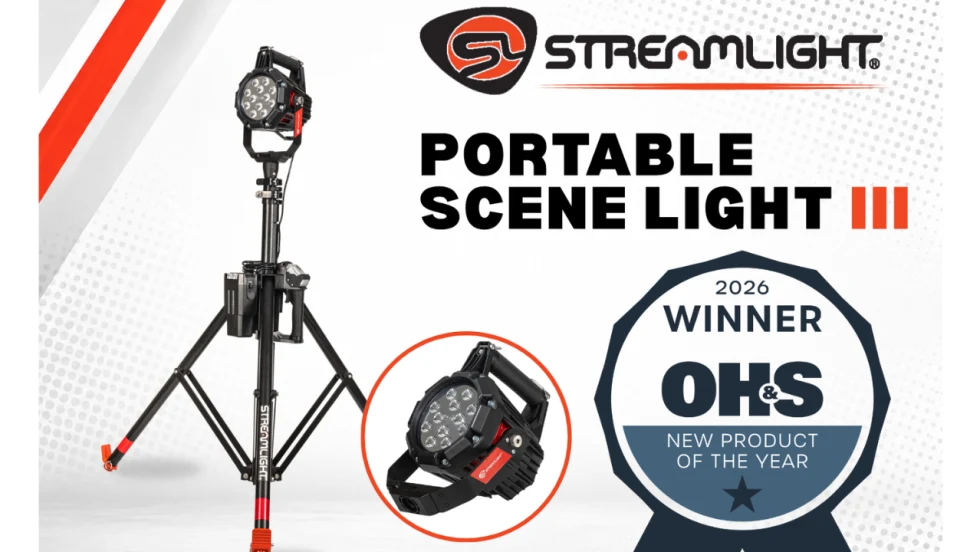
Streamlight Portable Scene Light III Wins 2026 OH&S New Product of the Year Award
Streamlight’s Portable Scene Light III has won the 2026 Occupational Health & Safety (OH&S) New Product of the Year Award in the Lighting category.
Read More →
Adept Armor Introduces Two New Rifle Plates
Adept Armor has launched two new Level IV ballistic plates, the Emperor and the Archon Mark 2, which brings Adept Armor’s new Quatroid ceramic to the high-threat, performance-value center of the range at 5.2 pounds.
Read More →
POLICE Product Test: Benchmade Bailout
The Benchmade Bailout is a slim, lightweight carry knife with a deep-ride pocket clip and comes in a variety of blade steels and scales. Here is a detailed review of the Taiga Green Bailout, released earlier this year.
Read More →
NLEOMF Announces July 2026 Officer of the Month
NLEOMF honored a Michigan deputy sheriff as the July 2026 Officer of the Month for rescuing a trapped driver from a burning vehicle following a Fourth of July crash.
Read More →
Streamlight to Showcase Newest Lighting Products at National Safety Council’s Safety Congress & Expo 2026
Streamlight will showcase its latest lights, including the Portable Scene Light III and the LiteBox 1Million, at the 2026 National Safety Council (NSC) Safety Congress & Expo.
Read More →
The 2027 World Police & Fire Games Set for Perth, Australia
The 2027 World Police & Fire Games (WPFG) will take place in Perth, Western Australia, from Friday, March 12 through Sunday, March 21, 2027.
Read More →
5.11 Partners with National Fallen Firefighters Foundation to Support #ForThe343
5.11 has joined the nationwide movement honoring the 343 New York City Fire Department firefighters lost on Sept. 11, 2001.
Read More →