



Crime Scene Response for the Patrol Officer
The actions you take as a first responder can determine the value of crime scene evidence for investigators and prosecutors.

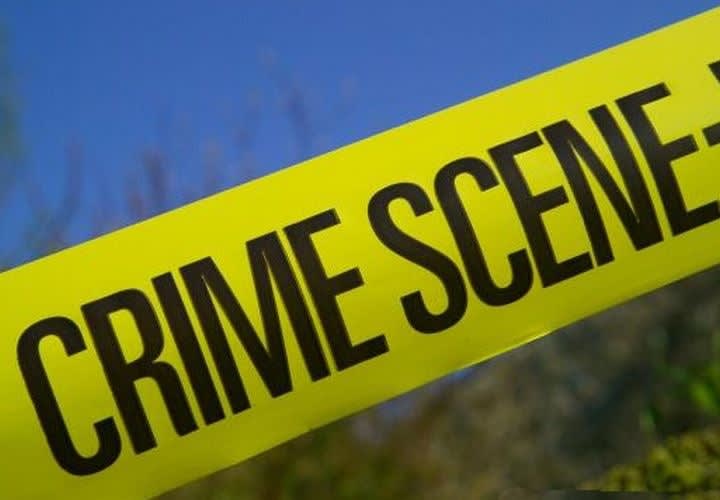
Crime scene response is one of the most important and most difficult to master aspects of patrol work. The reason for this is that crime scenes are complex: They can vary in size from a single room to a couple of acres. And almost anything at a crime scene can be a piece of physical evidence.
The basic definition of a crime scene is the location where a crime occurred. What’s easy to forget, however, is that the crime scene can extend well beyond the borders of the initial or primary scene. The victim’s body, the suspect’s body, the involved vehicles, and any other location the victim or suspect were located before or after the crime are potential crime scenes that patrol officers need to identify and secure.
When patrol officers arrive at a crime scene, they have the most influence and control over the identification and preservation of all evidence related to a criminal action. This is critically important because any mistakes or omissions made early on by first responders can get magnified down the road in a criminal prosecution. Always remember, effective criminal prosecution starts the moment the first officers arrive on scene.
Let’s take a look at steps that you as patrol officers can take that will help investigators and prosecutors build a solid case. Note: This article is primarily about what you should do when responding to a major scene, but the basic principles apply to all crime scenes.
Crime Scene Priorities
You are the primary unit dispatched in response to a burglary in progress. While you are en route, dispatch airs that the homeowner and the suspect are in a struggle. Just before arriving on scene, you learn that the suspect stabbed the homeowner and fled the area on foot.
As the first responder on scene, you have a lot of tasks that you must accomplish. First and foremost, a dangerous suspect is loose in the area, so officer and public safety concerns are paramount. You have an injured victim who needs immediate medical aid. And you have to preserve the crime scene so that the suspect can be successfully prosecuted.
Rendering aid to the victim is obviously a top priority. But it’s not always easily accomplished. You have to consider whether the scene is safe enough to allow medics access to the patient. Rendering aid to the victim is paramount, but you don’t want to place other emergency personnel in harm’s way.
Once the scene is secure and medical personnel enter, try to limit access to only essential personnel. Just because 10 firefighters and five paramedics are on scene doesn’t mean that 15 people need to tromp though the scene. That said, do not limit access to emergency personnel if it restricts or limits care to the victim.
Also, to minimize contamination, consider establishing a defined route into and out of the scene for all personnel. Conduct a quick search of the area to ensure no physical evidence will be disturbed, then mark off a path in a way that responders know where they need to walk. I’ll often stake yellow tape on the ground as a guide.
I also recommend providing basic crime scene training to your local EMS personnel and first responders. A small amount of training for these fellow public safety officers can help minimize crime scene disruption at future scenes.
Bodies of Evidence
If possible, consider taking initial photographs of the victim as soon as you can. This quick case study will tell you why victim photographs taken by first responders can be critical in a criminal investigation.
In 1997, a Boulder, Colo., woman called 911 to report screams in the alley behind her home. A patrol officer arrived on the scene and discovered a severely beaten 21-year-old woman. Moments later, other officers and medical teams arrived. While the EMS personnel attended to the victim, the first officer on scene had the presence of mind to grab a camera and start snapping pictures.
The victim subsequently died from her injuries. And the photographs taken in the alley by the patrol officer were the only pictures that showed the original state of dress of the victim. The fact that her sweatshirt hood was on, and her pants were askew became important details in the case that would have been lost if the photographs hadn’t existed.
Always remember that the most critical evidence at any violent crime scene is likely to be the victim. The victim may have seen his or her attacker and is likely the only witness who is both willing and able to say what happened.
Consider assigning a patrol officer to ride in the ambulance with the victim. If the victim is critically wounded this might be the only chance to attempt an interview or record his or her statements.
Putting an officer in the ambulance also ensures a solid chain of custody for evidence on or near the victim’s body. Even the sheets covering the gurney can become evidence because of transfer from the victim to the sheets.
The suspect’s body is also one of the most critical crime scenes. Perishable evidence such as trace evidence and blood evidence need to be collected as quickly as possible.
However, there are legal concerns regarding the collection of this evidence. Consult a supervisor, department attorney, or district attorney to make certain that evidence from the suspect’s person is collected legally. If exigency doesn’t exist, draft a search warrant and/or obtain written consent.
You may even want to consider bagging the suspect’s hands if there’s any delay in collecting the evidence. Bagging hands is useful in many types of cases, including assault and sexual assault, not just in shooting cases where GSR (gun shot residue) tests are conducted.
Setting the Scene
Once aid is rendered and the crime scene is secure, it’s time to clearly define the scene boundaries. Colored crime scene tape is the most commonly used way to keep people out of the scene.
An effective patrol officer should always carry basic crime scene response equipment, including yellow crime scene tape for marking a scene. You also need basic evidence markers and a camera, and I recommend carrying an assortment of boxes or other items that can be used to protect perishable evidence if weather conditions threaten the evidence.
When taping off a scene, it’s a good idea to make it larger than you think it needs to be. Many times it’s not until later that evidence is located nearby. A weapon, footwear or tire impressions, and blood can often be found some distance away from the primary scene.[PAGEBREAK]
Keeping Records
Patrol officers must be assigned to watch the outer perimeter because people—both police and the general public—have a way of ignoring the yellow tape. These same perimeter security officers should also maintain a crime scene log, recording every time that personnel enter and exit the scene.
Depending on your agency’s procedures, the scene will be handed over to detectives or crime scene investigators. Provide these personnel with a detailed account of the scene and the actions taken to protect the evidence.
And that brings me to a key point. The most important components of patrol crime scene response are observation and report-writing. You have the responsibility to document all of your actions and observations. Things like lighting, room temperature, and noticeable odors can all change rapidly within a crime scene.
Patrol officers should also note specific times, including arrival time, the time the scene was secured, the time medical personnel entered, the time the victim was removed, and other key events at the crime scene. A thorough and detailed report helps show that you secured and maintained the crime scene to the best of your ability. This will make it harder for a defense attorney to challenge the crime scene evidence in court.
David Spraggs is an investigator and firearms instructor with the Boulder (Colo.) Police Department. He teaches forensic photography and crime scene investigation and serves on the Police Advisory Board.
PATROL CRIME SCENE MANAGEMENT CHECKLIST
Because there’s so much to do as a crime scene first responder, a checklist can help you ensure that all necessary steps have been taken. The following checklist is presented as a guideline only. Each agency should develop a list that’s geared to its specific requirements.
Arrival and Assessment
• Establish perimeter and secure area.
• Render aid to victims and ensure scene is safe for medical personnel.
• Coordinate arriving units.
• Record names and unit numbers of fire/rescue, medical personnel, and LEOs on scene.
• Remove unnecessary personnel from scene as soon as possible.
• Assign officer to escort or ride with victim to hospital
- Secure clothing and evidence.
- Obtain tape recorded statement, if possible.
• Initial assessment. Does this appear to be a crime? If so, what type of crime.
• Assign officer to suspect.
- Assess need for immediate suspect arrest.
Does probable cause exist?
- Is evidence present on the suspect?
Collect perishable evidence from suspect
if exigency exists.
- Is it necessary to bag hands, etc?
Establishing Command
• Designate command. Who’s in charge?
• Designate common radio channel for all arriving personnel.
Stabilize and Secure Scene
• Clear crime scene and establish clearly delineated perimeter with crime scene tape.
- Record time.
- Make scene bigger than it needs to be.
-Create one entry/exit point in scene to
reduce contamination.
• Assign crime scene security personnel and start detailed crime scene access log.
• Begin initial areas canvass. Assign officers tolocate witnesses, separate witnesses, and obtain initial statements from witnesses.
• If required, assign personnel to search immediate area for additional evidence or crime scenes.
• Establish a command post and staging area.
- Incident command vehicle available?
- Building or home nearby?
- Secure area for equipment and evidence?
- Bathroom facilities?
• Obtain case number. Have number broadcast by communications/dispatch.
Notifications
• Detective supervisor paged.
• Coroner paged.
• Public information officer/media relations paged.
• Management staff paged.
• Victim Services paged.
Maintenance
• Key witnesses separated, officer assigned, witnesses secured or transported to police department.
• Obtain voluntary written statements.
• Suspect/s secured, transported.
• Given Miranda warning?
• Record any spontaneous statements/utterances made by suspect—tape record if possible.
• Perishable evidence protected from elements or tampering.
• Photograph overall area of scene.
• Create staging and briefing area for media.
Transfer of Command
• Meet and brief detective supervisor and other personnel.
• Help determine need for warrant.
• Help prepare initial statement for press release.
• Direct all patrol personnel to complete detailed reports as soon as possible.
• Logistics covered.
- Do you need more equipment, personnel, etc., to respond?
• Meet with crime scene investigators to discuss scene and evidence.
• Transfer command to detective supervisor.
HELP YOUR INVESTIGATORS
In preparation for writing this article I polled about a
hundred detectives from various law enforcement agencies in my county. The following summarizes the responses I received regarding what to do and what not to do as a crime scene first responder:
What Not to Do
• Don’t smoke in or near the scene. Besides potentially contaminating other physical evidence, it can ruin a K-9’s chance of tracking a suspect or locating additional evidence through scent.
• Don’t eat or drink in a scene. If you need to eat or drink, do it in your patrol car, in the incident command vehicle, or at some other location outside of the scene.
• Don’t use the bathroom at a crime scene. I’ve collected toilet paper, fecal material, condoms, and swabs from toilets. They can provide useful physical evidence in certain cases.
• Don’t allow command staff or other non-
essential personnel to walk through the scene. This is not appropriate before the scene is processed. It’s
useful for first responders to snap digital pictures of the scene that can be viewed by other non-essential personnel.
• Don’t laugh or look like you’re having too much fun at a scene. It just looks unprofessional.
• Don’t forget to think about secondary scenes.
• Don’t prematurely handle evidence within the scene—wait for crime scene personnel.
• Don’t replace evidence if it’s been moved. For example, if medical personnel had to move a table, don’t move the table back into position. Simply note that the table was moved and leave it alone.
• Don’t use the phone within the scene.
• Don’t use the trash can in the scene as a trash receptacle for your garbage. Trash cans often hold physical evidence.
Preserve the Scene
Make the scene much bigger than you think you have to. Remember, you can always shrink a scene but you can never make it bigger.
• Establish one point of entry and exit into the scene to minimize contamination.
• Limit access to non-essential personnel.
• Keep an accurate and detailed record of your actions and observations.
• Write a detailed report including accurate times.
• Protect perishable evidence by any means necessary. For example, cover a footwear impression with a plastic container if it starts to rain or snow.
Finally, I would suggest attending as much crime scene training as possible. And it’s a good idea to seek feedback from detectives, crime scene investigators, and others involved in the case. They can help you learn more about preserving crime scenes.
More Patrol
Team Wendy Announces Title Sponsorship of the Jorge Pastore Foundation
Team Wendy’s 3-year partnership with the Jorge Pastore Foundation expands access to programs that strengthen those who serve.
Read More →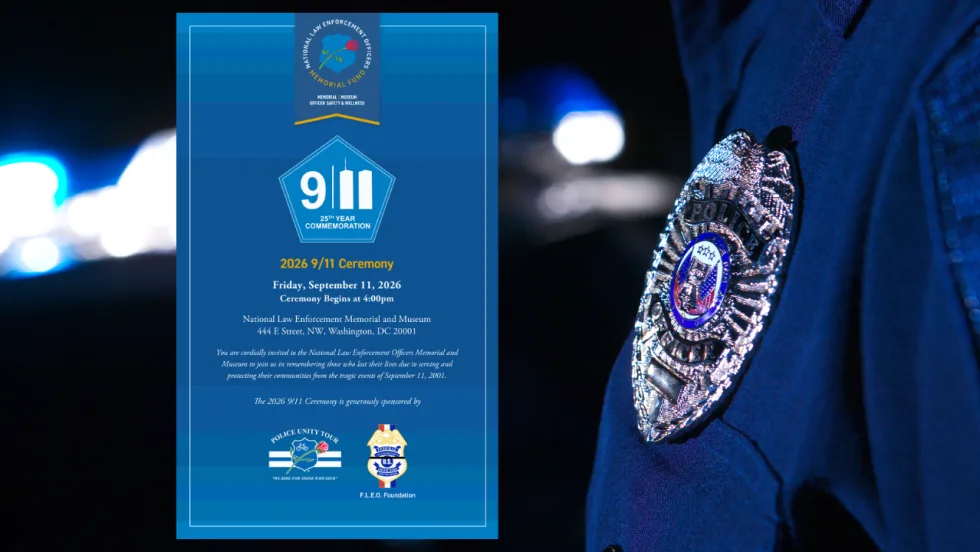
National Law Enforcement Memorial and Museum Hosting 9/11 25th-Year Commemoration Ceremony
The National Law Enforcement Memorial and Museum is hosting a 9/11 25th Year Commemoration Ceremony on Sept. 11 at 4 p.m.
Read More →
National Law Enforcement Officers Memorial Fund Announces June 2026 Officers of the Month
The National Law Enforcement Officers Memorial Fund (NLEOMF) named 15 officers of the Chico Police Department (California) as the Officers of the Month for June 2026 for their roles in responding to an active-shooter incident at a public library.
Read More →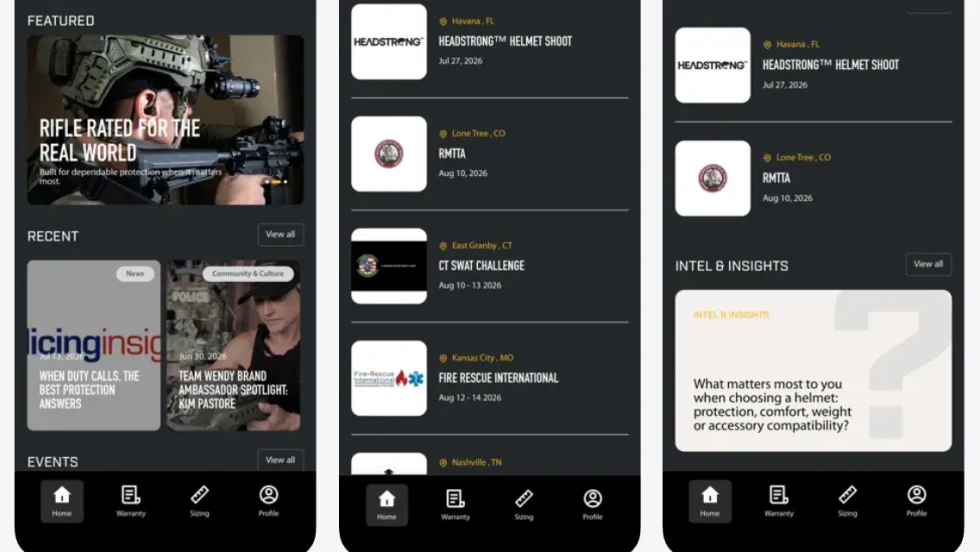
Team Wendy App Creates New Digital Hub for Helmet Owners
The Team Wendy Community App provides one location for warranty registration, size-fit tools, product updates, and community connection. For helmet owners, the new app creates a simpler path to the information and tools that matter most.
Read More →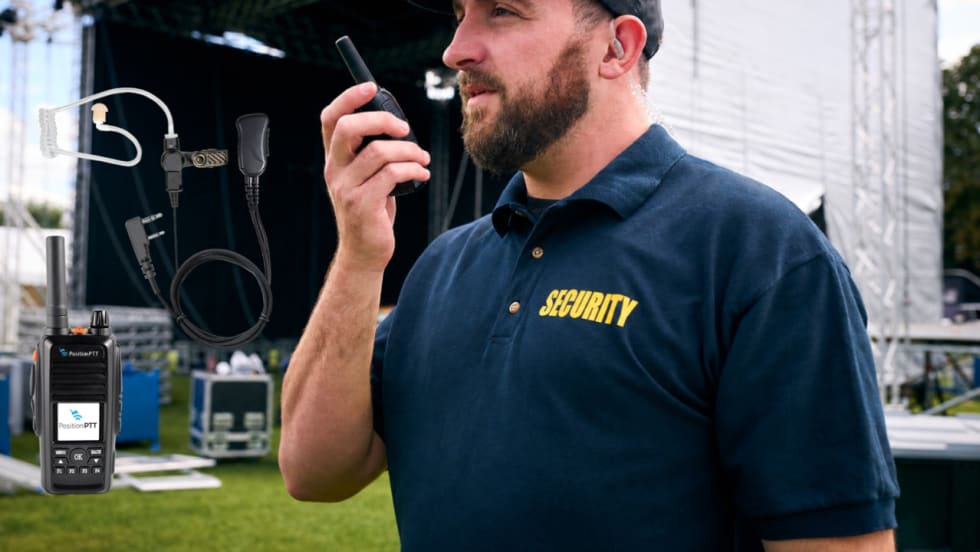
PositionPTT & Pryme Combine Communication Technologies to Deliver Distracted Driving Compliance
Pryme Radio Accessories and hardware/software maker PositionPTT join forces to advance hands-free communications and ensure Department of Transportation compliance using an integrated system of push-to-talk platforms, devices, and audio equipment.
Read More →
Justice Department Releases $25M in Law Enforcement Grants & Resources
The Office of Community Oriented Policing Services has just released $25 million in new grant Notices of Funding Opportunities (NOFOs) to support law enforcement. The recently released NOFOs include the Safer Outcomes: Enhancing Crisis Response Training for Law Enforcement Program and other grant programs.
Read More →
What Makes a Laptop Rugged or Fully Rugged?
What separates a rugged laptop from a fully rugged one? In this video, two Panasonic Connect experts explain the military testing, IP ratings, durability standards, and real-world features that help law enforcement officers rely on their computers in any environment.
Read More →
Avon Technologies Appoints Vasilios Brachos as Team Wendy President
Longtime ballistic helmet leader Vasilios Brachos has been selected to guide the next chapter of protection, innovation, and growth at Team Wendy.
Read More →
Brinc Raises $125M to Put a 911 Response Drone on Every Police and Fire Station Roof
The latest round of funding, $125 million, can help fuel Brinc’s mission to deploy 911-response drones at the 80,000 police and fire stations across the United States.
Read More →
Garmont Tactical Contact Collection: New Duty Boots for Law Enforcement
Choosing the right duty boot can make a significant difference during long shifts. In this video overview, Kyle Ferdyn, of Garmont Tactical, introduces the new Contact Collection, designed specifically for law enforcement professionals seeking comfort, traction, and durability.
Read More →