



Trauma Recovery Tips for Children

No American will go untouched – whether directly or indirectly -- by the devastating terrorist attacks that took place recently and which swept the hearts and minds of citizens across the nation. Children are especially vulnerable to the trauma and unforgettable images from the tragedy.
Concerned parents and other adults want to respond sensitively and appropriately to our country’s children, helping them to feel physically and emotionally safe. Children under the age of five won’t fully understand what has happened, but will pick up on the reactions of those around them and act accordingly.
Adolescents will respond much the same as adults. The following tips will help provide a supportive and stable environment for the children of this nation.
Be calm. Children mirror the reactions of their parents and caregivers. It is fine to share feelings of sorrow, which can encourage the children to express their own sadness. However, express your more intense reactions such as horror and outrage with other adults, outside the presence of the children.
Tell the truth but don’t give more information than is requested. Allow children to ask questions, listen carefully and thoughtfully, and then answer them. Don’t be surprised if they ask a question, and then ask it again later. They are only trying to reassure themselves and feel more secure. Children deal with trauma in small segments. Never force a child to talk about it if he or she doesn’t want to.
Stay home during the evenings. Limit separation as a much as possible for a few days.
Allow more telephone contact than usual. Encourage your children to call you at work or wherever you may be if they feel afraid or if something upsetting has happened.
Reassure the children that you are their protector. Tell them that not only you, but everyone in the nation is working hard to see that something like this never happens again. If your child seems more fearful than usual about going to bed, encourage sleeping with favorite toys, blankets, or perhaps allowing a pet to stay in the room. Use nightlights.
Limit television to a few segments and sit with your child as it is viewed. Children should not be exposed to terrifying imagery by themselves. Touch them or hold them if they will allow it.
Refrain from calling a child "a baby" if he or she is crying and fearful. The child is reacting authentically. Instead, comfort and support them rather than tell children to be "big boys and girls."
Recognize that some children will reenact what happened through play or artwork. It can be empowering for children to play with toy fire trucks and to use the ladders to rescue people and put out fires. Some may draw rescue efforts. If you see re-enacting play or art, ask your child to talk about it with you.
Encourage the children to help. Children may want to collect money to send to one of the organizations providing direct assistance. They may want to make a poster for the teacher’s lounge of their school asking adults to donate blood. They may want to write a note or color a picture for someone in the community who is directly affected by the tragedy. They may want to say a prayer for those who are hurt.
Some children, especially young children, may regress for a while. Previously mastered skills such as sleeping alone, dressing without help, and toilet training may be lost for a while. Children should not be disciplined for these regressions.
Watch for signs of more serious problems. These might include failing grades, avoiding relationships other than those with whom they feel most secure, general irritability, sleeping problems, and eating significantly more or less than usual. Seek professional assistance through your child’s school or an outside agency if you are concerned.
Additional information and trauma recovery tips and information can be found at:
www.madd.org , www.ncvc.org , www.pomc.org , or www.try-nova.org.
More Weapons
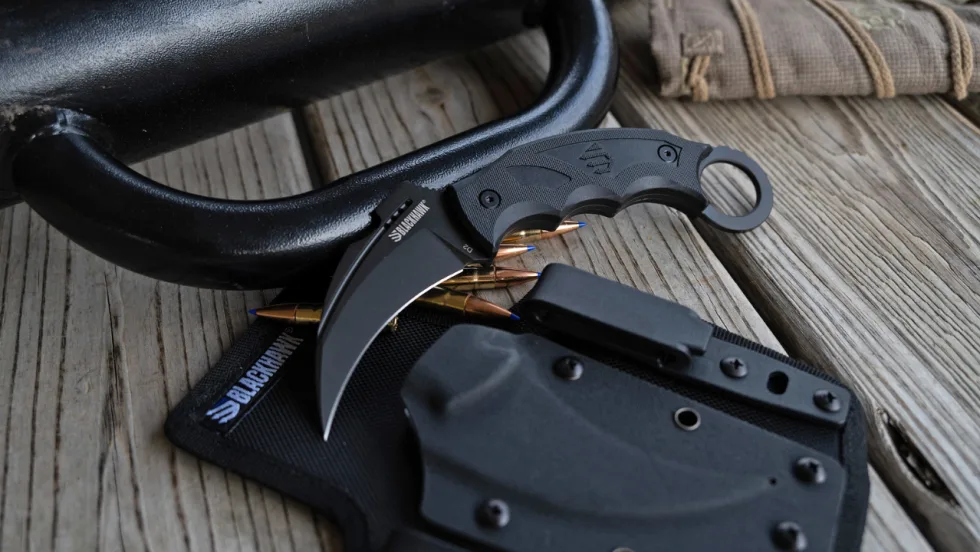
Blackhawk Introduces the Garra Fixed Karambit
The Blackhawk Garra Fixed Karambit is made from D2 steel and features a curved profile that enhances slicing efficiency, plus the full-tang construction ensures strength and durability from tip to handle.
Read More →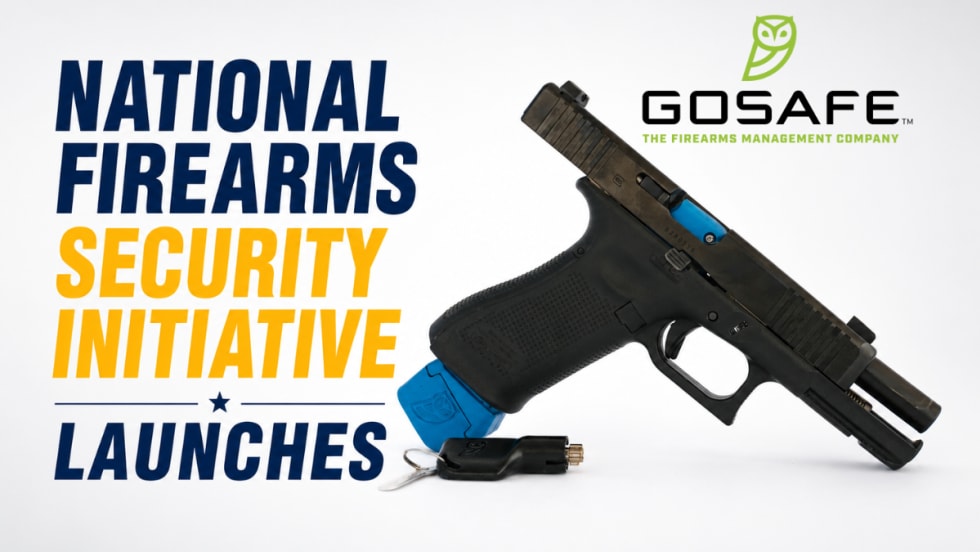
GOSAFE Technology Announces Public Safety Initiative Focused on Firearm Security and Risk Reduction
GOSAFE Technology’s new initiative provides support for agency-level solutions around secure firearm storage, vehicle-storage risks, off-duty firearm security, firearm accountability, and the public safety consequences that may result when firearms are stolen, lost, improperly secured, or diverted from lawful possession.
Read More →
Texas Sheriff’s Office Deploys RFID-Based User-Authenticated Firearm for Prisoner Transport Operations
A sheriff’s office in Texas is now using RFID-based user-authenticated firearms, from Free State Firearms, for prisoner transfer and transport operations.
Read More →
Beretta Introduces the 80X Cheetah Tactical Bronze
Beretta has launched the 80X Cheetah Tactical Bronze, which features a fiber-optic front sight, a serrated rear sight, and a Picatinny rail for accessory mounting, and ships with three 15-round extended magazines.
Read More →
Wrap Raises $5 Million to Restart Domestic Manufacturing & Advance R&D
With new funding, Wrap Technologies will restart domestic manufacturing, advance validated R&D programs into commercialization, and responsibly accelerate early growth initiatives aligned with rising demand for non-lethal response capabilities.
Read More →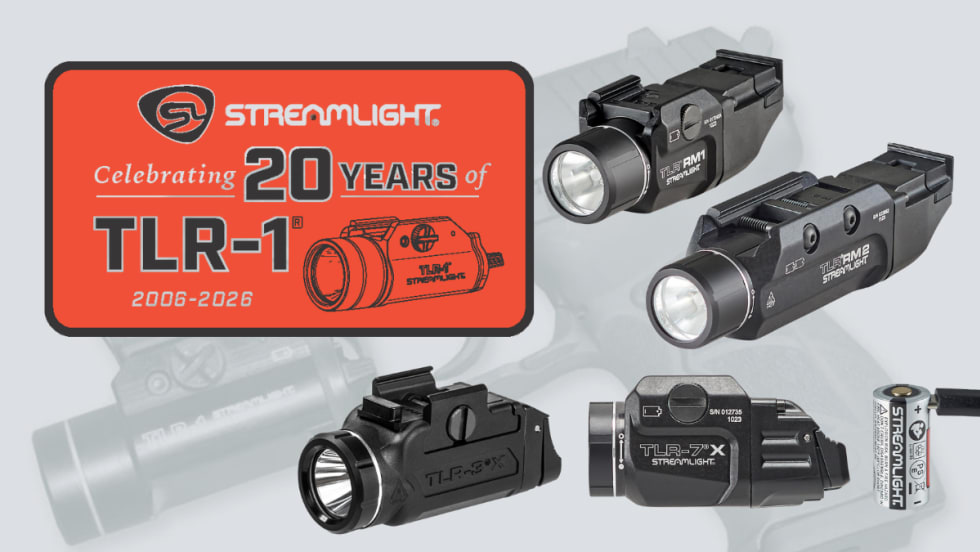
Streamlight Celebrates the 20-Year Anniversary of the TLR Series
This year, Streamlight marks two decades of weapon-mounted lighting innovation with the 20th anniversary of the TLR-1.
Read More →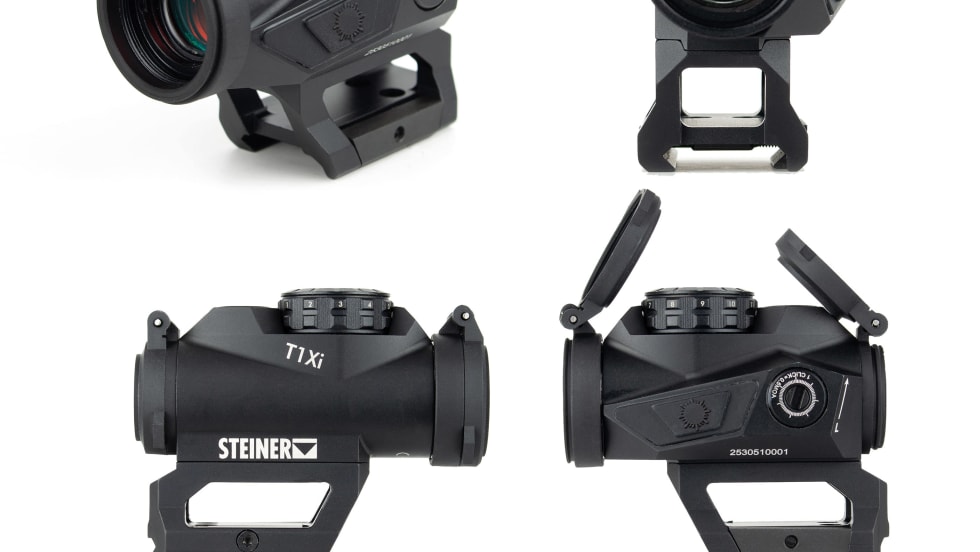
Steiner’s T1Xi Selected as Top Performer in Texas DPS Optic Evaluation
Steiner Optics’ T1Xi was selected as the top-performing red dot in the recent Texas Department of Public Safety optic evaluation.
Read More →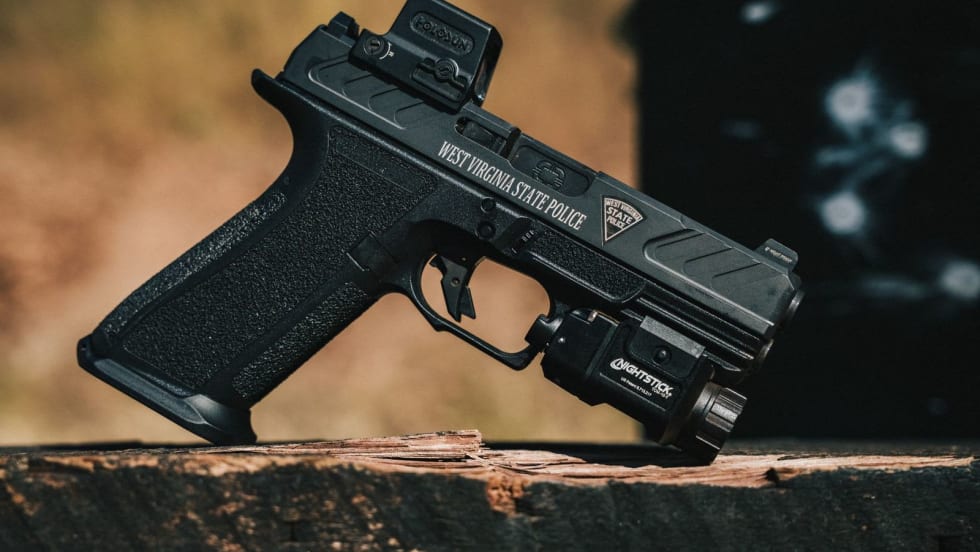
Shadow Systems Selected as Exclusive Pistol Provider for West Virginia State Police
Shadow Systems will provide 700 XR920 crossover pistols for West Virginia State Police troopers and 80 CR920X high-capacity subcompact pistols for the Bureau of Criminal Investigation.
Read More →
Aimpoint Celebrates 50 Years of Innovation and Excellence in Sighting Technology
Aimpoint is marking its 50th anniversary in 2025, celebrating five decades of red dot innovation trusted by military, law enforcement, and tactical professionals worldwide.
Read More →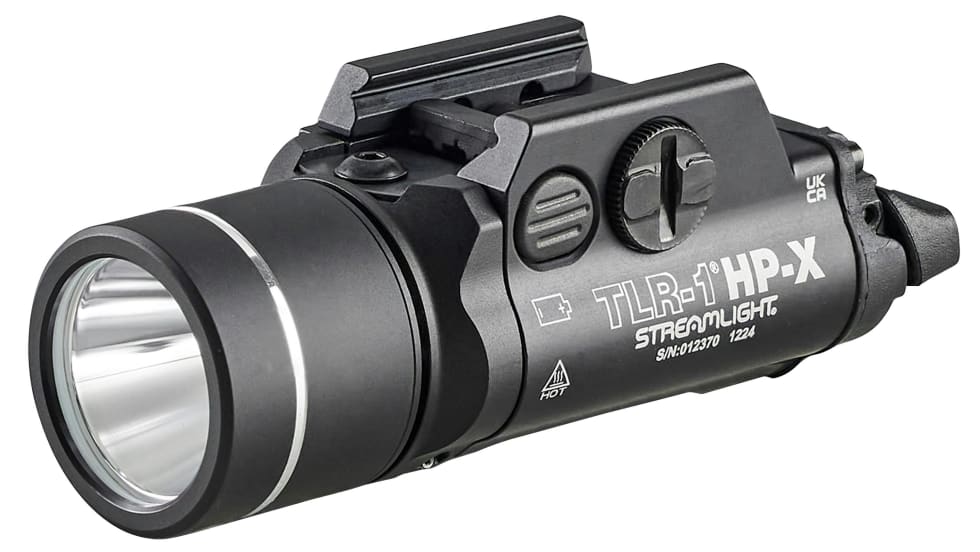
Streamlight Introduces Long-Range Handgun Light
“Our newest weapon light provides an industry-leading level of candela for handguns, giving users enhanced visibility under low light conditions, such as when searching a dark alley,” said Streamlight President Michael F. Dineen.
Read More →