



Report: SWAT Member Thought FBI Agent Was Robber
During the arrest of suspects thought to be involved in a string of violent bank heists, one FBI agent may have mistaken a fellow agent for a robber and fired the shot that killed him, according to a newspaper report.

During the arrest of suspects thought to be involved in a string of violent bank heists, one FBI agent may have mistaken a fellow agent for a robber and fired the shot that killed him, according to a newspaper report.
Special Agent Barry Lee Bush, 52, died after being shot while helping take down the suspected robbers at a Readington bank, the Associated Press reports.
Bureau officials have released few details of Bush's death, pending an investigation, saying in a statement only that he "may have been fatally wounded as a result of the accidental discharge of another agent's weapon during a dynamic arrest situation."
But a report by The Star-Ledger of Newark for Sunday's newspapers that cites two law-enforcement sources close to the investigation says Bush's death may have been a case of mistaken identity.
Officials are looking into whether Bush stepped too close to the robbers' getaway vehicle as the arrest was going down and drew the fire of a SWAT team member who was on his first mission and mistook him for a robber, the newspaper reported.
More Training
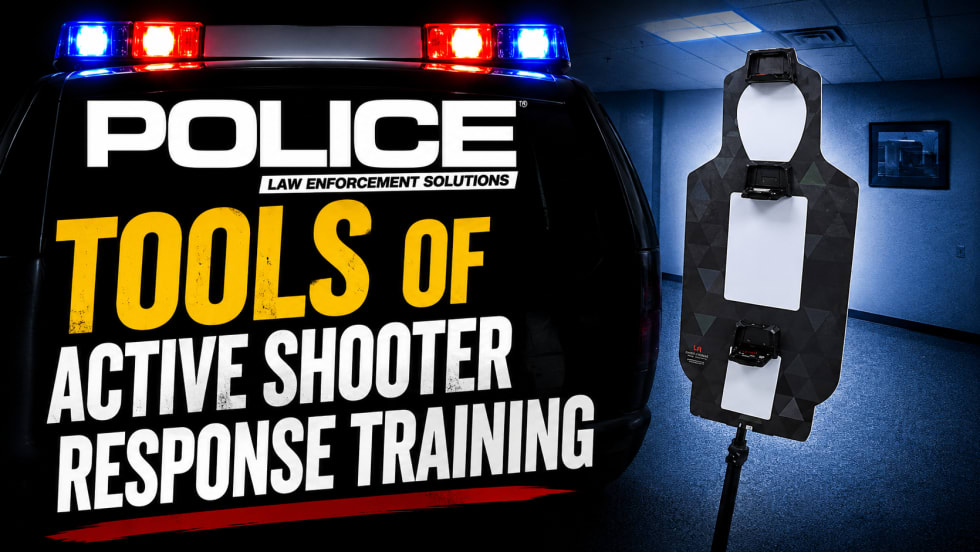
Tools for Active Shooter Response Training
What technologies help prepare officers for active shooter response situations? This behind-the-scenes look at law enforcement training explores shot simulators, smart firearms, laser target systems, and the tools used to build safer, more effective training environments.
Read More →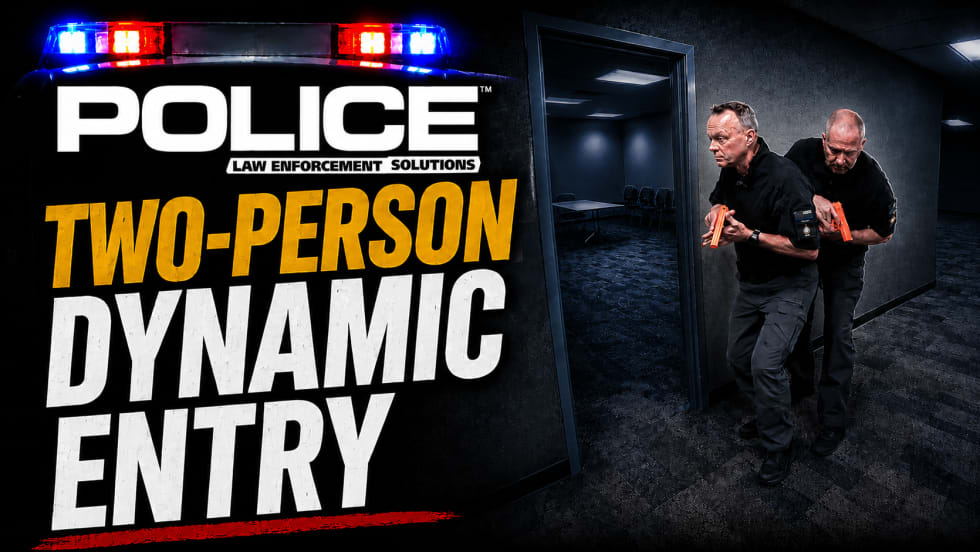
Two-Officer Tactical Doorway Entry Techniques
Entering a room during active-threat situations requires communication, coordination, and disciplined tactical movement. In this video, trainers from the United States Deputy Sheriff’s Association demonstrate critical room entry concepts, including fatal funnel awareness, team coordination, and safe tactical movement.
Read More →
High Compressed Ready Explained | Muzzle Control For Room Entry
In this video, Mike Willis, law enforcement national training and program director for the United States Deputy Sheriffs’ Association, demonstrates the high compressed ready position and discusses muzzle control during room entry.
Read More →
Why Attend the DroneSense Innovation Summit by Versaterm?
Let’s hear from Ryan Bracken, head of product, about why your agency should send someone to the first annual DroneSense Innovation Summit by Versaterm in April.
Read More →
Caswell Live Fire Spins Off from InVeris
Caswell Live Fire has spun off from parent company InVeris, coinciding with the 100th anniversary of Caswell’s founding. Over the past 100 years, Caswell has developed pioneering solutions that support military, law enforcement, and commercial clients worldwide.
Read More →
When Do You Transport a Wounded Officer Instead of Waiting for EMS?
Thumbnail for video series POLICE Topics, Tactics & Tips with a yellow headline that reads When Do You Transport a Wounded Officer Instead of Waiting for EMS?
Read More →
How to Pick Your High-Risk Stop Location for Tactical Advantage
Hear veteran trainer Mike Willis, of the United States Deputy Sheriff’s Association, explain several considerations that can help you wisely pick your best spot to initiate high-risk or felony traffic stops.
Read More →
Coffee Break with Police Experts: Using Your Patrol Vehicle for Cover
In this video, hear from Dustin Mowery, a product specialist at Team Wendy, as he discusses how to best use a patrol vehicle for cover.
Read More →
Preventing Blue-on-Blue Shootings
In this video, Mike Willis, law enforcement national training and program director, United States Deputy Sheriff’s Association, discusses how to prevent blue-on-blue shootings.
Read More →
What Officers Should Have in Their IFAK
Sydney Vail, M.D., explains what officers should carry in their IFAKs, the importance of carrying two tourniquets, and the necessity of locating medical gear in a location that can be easily accessed with either hand.
Read More →